Allergic Rhinitis Treatment

Allergic Rhinitis Treatment in Sydney

Allergic rhinitis is inflammation of the nasal lining caused by a reaction to airborne particles such as pollen, dust mites or pet dander. It is commonly known as hay fever. Dr Julia Crawford assesses adults with allergic rhinitis where ENT assessment is needed, at Sydney ENT Clinic in Darlinghurst or Kogarah, as part of her general ENT practice.

Two patterns

Some people have mainly sneezing, itching and watery discharge, others mainly congestion and obstruction, and many have a combination of both.

A stepped approach

Management usually follows a stepped approach, starting with allergen avoidance and medical treatment.

When an allergist helps

Some patients benefit from assessment by an allergist, particularly when symptoms are persistent or difficult to control with standard treatment.

What’s On This Page

What Is Allergic Rhinitis?

Allergic rhinitis is commonly known as hay fever. It occurs when your immune system overreacts to particles in the air that you breathe. This reaction releases chemicals like histamine that cause inflammation in the lining of the nose and eyes and throat.


Symptoms can disrupt sleep, daily activities and concentration at work or school. They may be seasonal, occurring at particular times of the year such as spring, or year-round, from triggers such as dust mites or pets, and many people have a combination of the two.

The two patterns of allergic rhinitis

Allergic rhinitis can present in different ways. Some people have predominantly reactive symptoms, such as sneezing, itching and watery nasal discharge. Others experience mainly nasal congestion and obstruction, without as much sneezing or itching. Many patients have a combination of both patterns, and recognising which pattern is present helps guide treatment.

Can allergies cause sinus problems?

The primary physical effect of allergic rhinitis is swelling. Inside your nose are structures called turbinates which warm and humidify the air. Allergic reactions cause these turbinates to become enlarged (hypertrophy).


This swelling narrows the nasal passage. It creates a physical blockage that makes nose breathing difficult. This obstruction often leads to mouth breathing and snoring and poor sleep quality. Furthermore the inflammation can block the drainage pathways of the sinuses. This leads to fluid buildup and increases the risk of bacterial sinus infections.

How allergic rhinitis is assessed

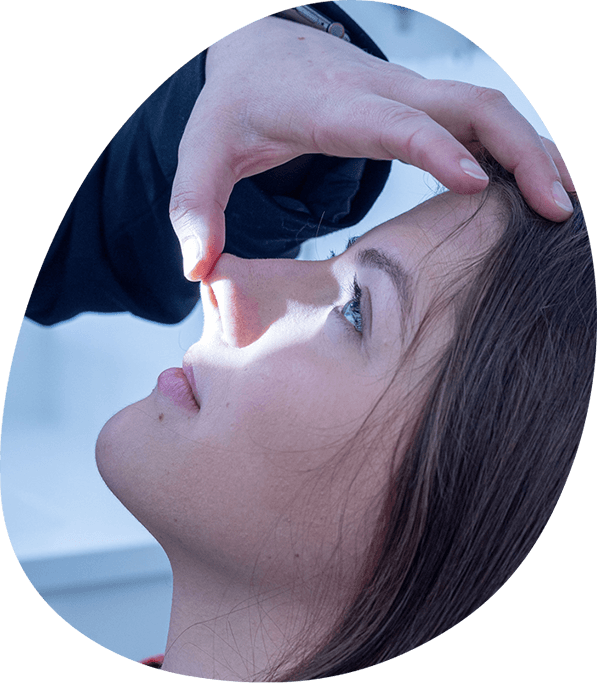
Dr Crawford reviews your history and symptom pattern, including whether symptoms are seasonal, year-round or both, and any triggers you have noticed. She will examine the nose and may perform nasal endoscopy to look for other contributing problems, such as enlarged turbinates or nasal polyps. If more specific allergy assessment is needed, she may recommend assessment by an allergist. Skin prick or blood testing may be used to help identify relevant allergic triggers.
Clinical History

We review your symptoms and identify potential patterns or triggers.

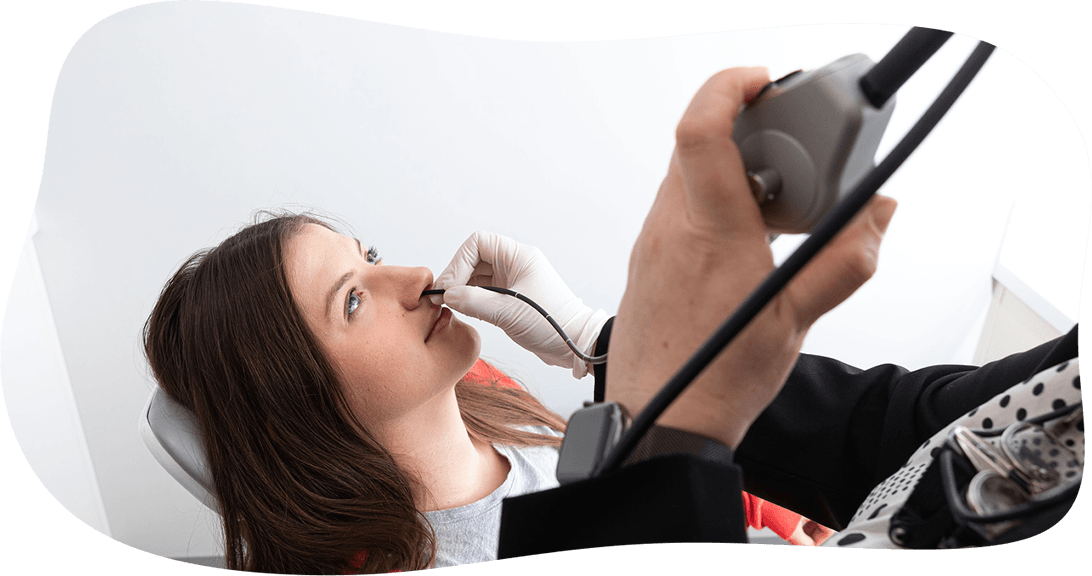
Nasoendoscopy

A small flexible camera is used to examine the inside of the nose. This allows us to see the size of the turbinates and check for other issues like nasal polyps or a deviated septum.

Allergy Testing

We may refer you for skin prick testing or blood tests (RAST) to identify your specific allergic triggers.

How allergic rhinitis is managed

Management usually follows a stepped approach.

Where a trigger is known, reducing exposure where practical may help reduce symptoms.

Treatment is aimed at reducing the inflammation in the lining of the nose. These treatments often need to be used consistently over time to work well.

Nasal steroid treatment

Nasal steroid sprays reduce inflammation in the nasal lining. They generally need to be used regularly and correctly to work well.

Antihistamines

Antihistamines help with sneezing and itching.

Combination Sprays

Newer treatments combine antihistamines and steroids in a single spray for faster relief.

Saline irrigation

Saline rinses help clear allergens and mucus from the nose.

Some patients benefit from assessment by an allergist, particularly when symptoms are persistent or difficult to control with standard treatment. This may include a discussion about allergen immunotherapy, which aims to reduce the immune system's response to specific allergens over time. Allergen immunotherapy is generally managed by an allergist or clinical immunologist rather than by Dr Crawford.

Surgery does not treat the underlying allergy, because allergic rhinitis is an immune system response rather than a structural problem. Surgery may occasionally be useful when there is a separate structural cause of significant nasal obstruction alongside the allergy, such as a deviated septum or turbinates that remain enlarged despite appropriate medical treatment. This is covered in more detail on the nasal obstruction treatment page.

Turbinate surgery

Turbinate surgery reduces the size of enlarged turbinates while aiming to preserve their normal function of warming and humidifying the air.

Septoplasty

Septoplasty straightens the internal nasal septum. Where a deviated septum is contributing to significant nasal obstruction alongside allergic rhinitis, septoplasty may be considered to address that structural problem. It does not treat the underlying allergy.

The Patient Journey

We ensure you understand your treatment plan and feel supported from your first consultation through to long-term management.

Dr Crawford will assess your airway and discuss your history. We focus on how your symptoms affect your sleep and daily activities to tailor a plan for you.

We often start with a trial of maximal medical therapy. This helps us distinguish between reversible swelling and fixed structural blockage.

Allergic rhinitis may be seasonal or persistent, and symptoms can recur when you are exposed to relevant allergens. Nasal treatment often needs to be used consistently during periods when symptoms are active.

Costs and Financial Information

We value transparency in our fee structure.

Consultation Fees

The initial consultation fee is payable on the day. A valid referral from your GP ensures you can claim a Medicare rebate.

Surgical Costs

If procedures like turbinoplasty are required we provide a detailed "Informed Financial Consent". This outlines Dr Crawford's fees and the anaesthetist's fees and hospital costs.

Insurance

Cover varies between funds and policies, so we suggest checking your level of cover with your fund before surgery. The relevant item numbers will be confirmed in writing beforehand.

Why Choose Dr Julia Crawford

You need a specialist who looks at the whole picture of your airway health.

Full assessment of the airway

Assessment looks beyond the allergy itself, to identify any structural cause that is contributing to the blockage.

Function preserved where surgery is needed

Where surgery is appropriate, it aims to improve airflow while preserving the normal function of the nose.

Patient Education

We take the time to explain how to use nasal sprays correctly which is a common reason for treatment failure.

Consultation Locations

For general ENT, sinus and nasal consultations, Dr Crawford sees patients at Sydney ENT Clinic in Darlinghurst and Kogarah.

Darlinghurst Rooms

Sydney ENT Clinic in Darlinghurst, for general ENT, sinus and nasal consultations.

Kogarah Rooms

Serving patients in the southern suburbs of Sydney.

Frequently Asked Questions

No. Allergic rhinitis is an immune system response that surgery does not change. Surgery may occasionally be considered when there is a separate structural cause of significant nasal obstruction alongside the allergy.

A cold is caused by a virus and usually improves within one to two weeks. Allergic symptoms tend to continue or recur while you are exposed to the trigger and often include sneezing, itching, clear watery nasal discharge and itchy or watery eyes.

Congestion, pressure and discomfort can occur after turbinate surgery. The amount of pain varies between patients, and Dr Crawford will provide advice about pain relief after your procedure.

Procedures for allergic rhinitis obstruction like turbinoplasty and septoplasty are performed entirely inside the nose. They improve function without changing the external shape of your nose.

Yes. Chronic inflammation from allergies can block the drainage pathways of the sinuses. This allows mucus to stagnate and creates an environment where bacteria can grow. Treating the allergy often reduces the frequency of sinus infections.

Not usually. Nasal steroid sprays generally need to be used regularly and may take several days to start working. Consistent use is important.

Allergen immunotherapy is specialist treatment that uses gradually increasing exposure to a specific allergen to reduce the allergic response over time. It is generally considered when allergic rhinitis remains difficult to control despite appropriate treatment.

Not necessarily. Dr Crawford can assess the ENT aspects of your symptoms and may recommend an allergist if more specific allergy assessment or immunotherapy would be helpful.

Yes. A valid referral from your GP or another medical specialist is required to claim Medicare rebates.

Book a Specialist Assessment

Dr Crawford sees patients with allergic or inflammatory nasal symptoms where ENT assessment is required, at Sydney ENT Clinic in Darlinghurst and Kogarah. A referral from your GP or another specialist is required for a Medicare rebate.

If you have had previous allergy testing or ENT treatment, please bring this information to your appointment.

Get in Touch

Our team can assist with appointment enquiries and help arrange a consultation with Dr Julia Crawford at one of her three Sydney consulting locations:

Sydney ENT Clinic, Darlinghurst

Ground Floor, 67 Burton Street, Darlinghurst NSW 2010

Sydney ENT Clinic,
Kogarah

Suite 5, Level 2, 19 Kensington Street, Kogarah NSW 2217

Chris O'Brien Lifehouse

119-143 Missenden Road, Camperdown NSW 2050

Book Your Consultation

Dr Crawford consults for head and neck conditions, head and neck cancer, thyroid and salivary gland disease, obstructive sleep apnoea, paediatric ENT and a range of general ENT conditions.

Her team can assist with arranging an appointment at Sydney ENT Clinic in Darlinghurst or Kogarah, or Chris O'Brien Lifehouse, and will help ensure the appropriate referral, imaging, test results and other relevant information are available before your consultation.

©2026 Dr. Julia Crawford. All rights reserved.