Assessment for Sleep Apnoea Surgery

What a Surgical Assessment Looks For

Sleep apnoea surgery is not a single operation.

Different patients have obstruction at different levels of the upper airway, and some have obstruction at several levels.

The purpose of a surgical assessment is to determine whether surgery is likely to provide meaningful benefit and, if so, which part or parts of the airway should be addressed.
What’s On This Page

Before your consultation

Please provide:

  • your most recent sleep study
  • previous sleep physician correspondence
  • details of CPAP use or intolerance
  • information about mandibular advancement devices or other treatments
  • previous ENT or upper-airway surgery
  • relevant imaging where available
  • your current medication list

Providing this information before the appointment allows Dr Julia Crawford to review the available evidence and make the consultation more useful.
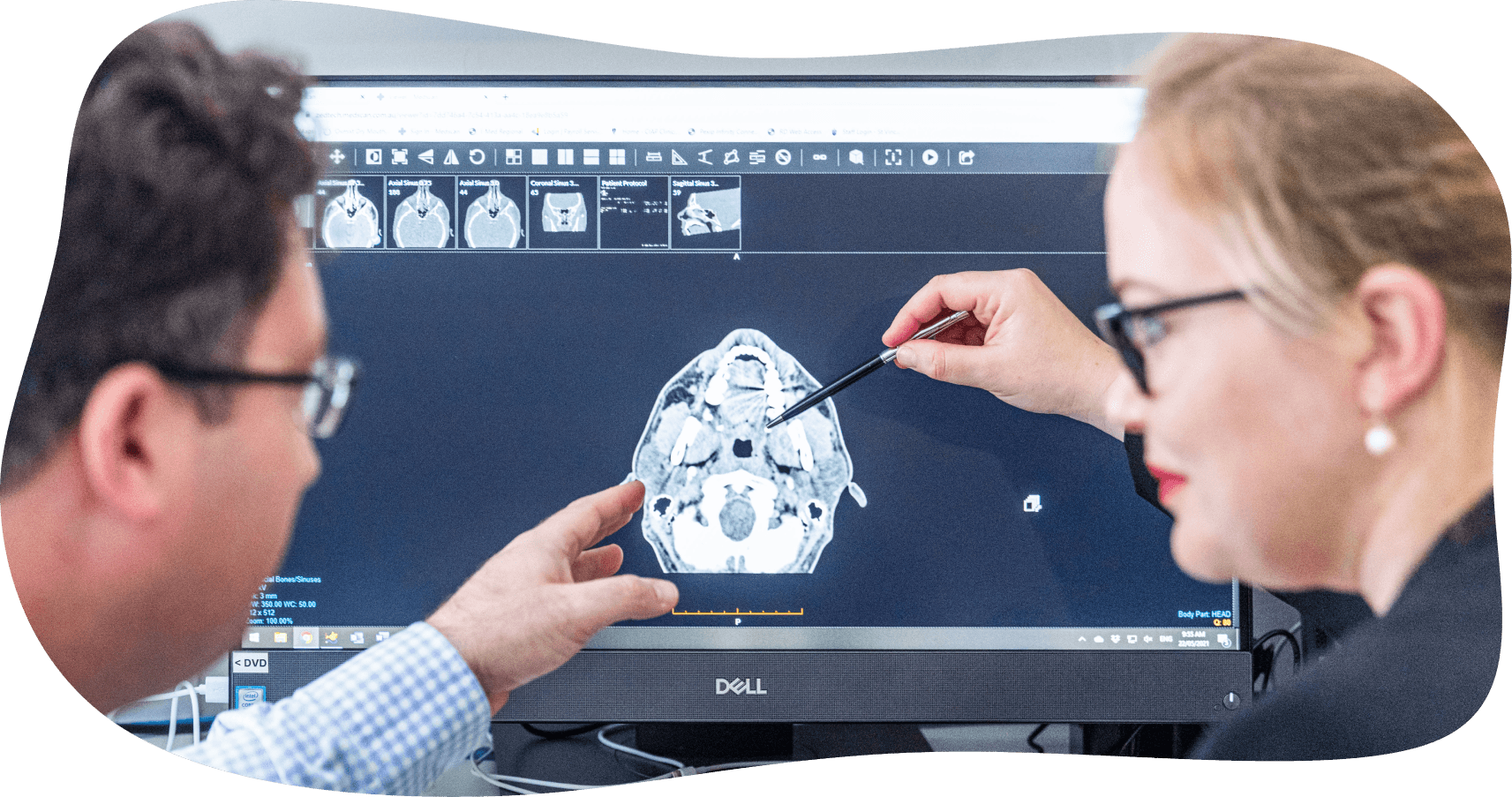
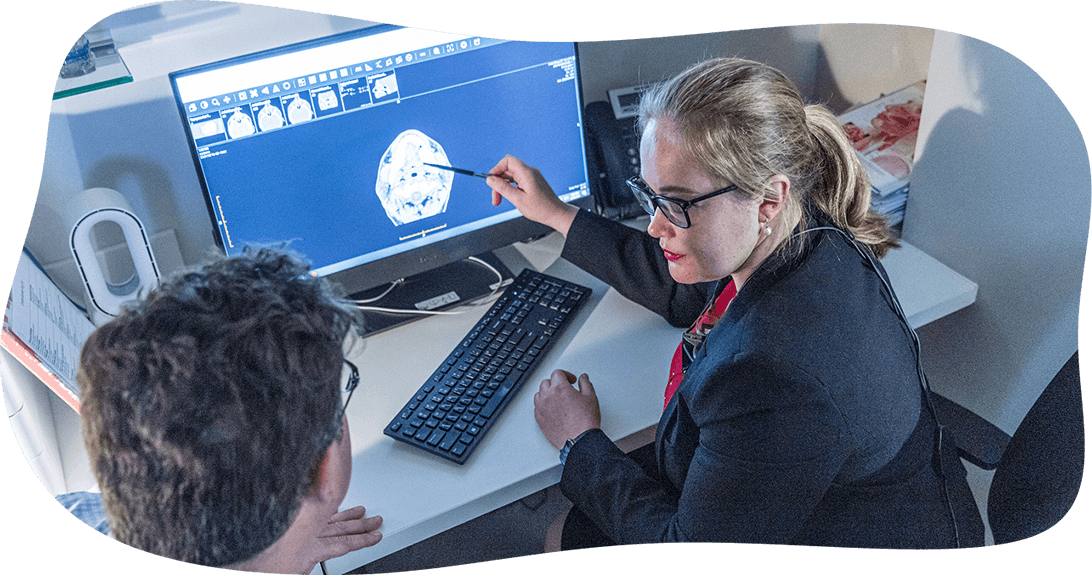
Reviewing the sleep study

The sleep study provides important information including:

  • severity of obstructive sleep apnoea
  • oxygen levels
  • frequency of breathing disturbances
  • whether OSA is worse in particular sleeping positions
  • whether events occur predominantly during particular stages of sleep

The sleep study confirms the physiological problem but does not by itself identify exactly where the airway is narrowing.
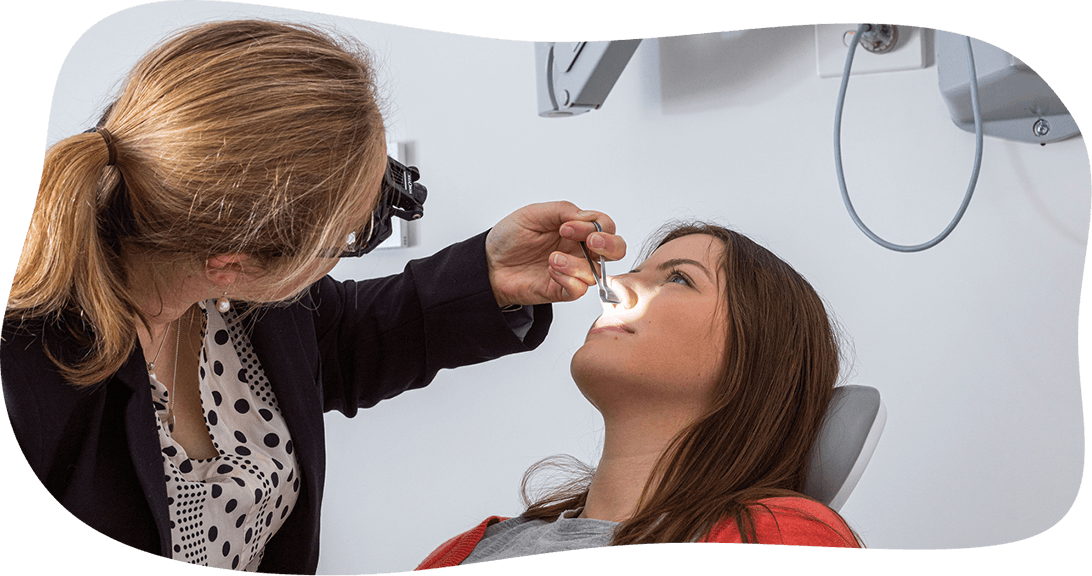
Clinical examination

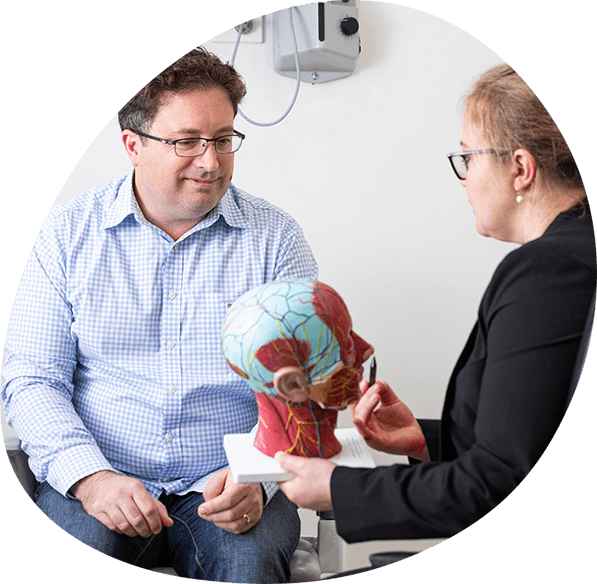
Dr Crawford assesses the anatomy of the upper airway, including:
  • the nose
  • nasal septum and turbinates
  • tonsils
  • soft palate
  • lateral pharyngeal walls
  • tongue
  • tongue base
  • jaw position
  • overall upper-airway anatomy

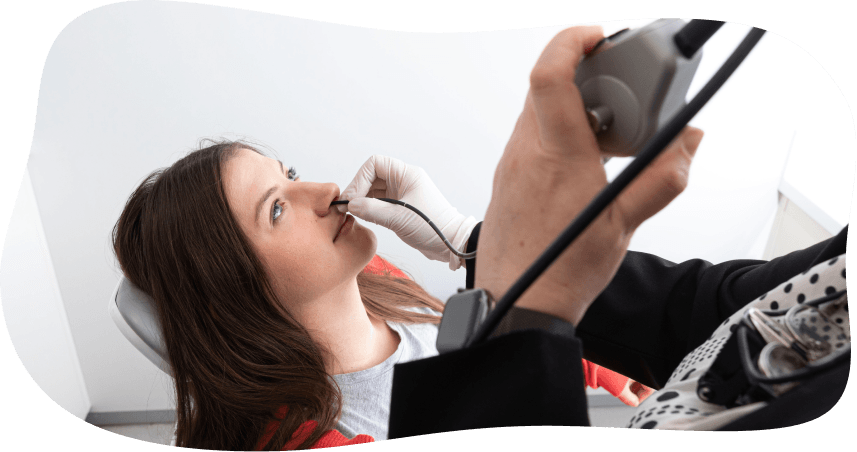
Flexible Upper Airway Examination

Flexible nasendoscopy and laryngoscopy allows the nose, throat and tongue base to be examined while awake.


It provides useful anatomical information but does not reproduce exactly what happens to the airway during natural sleep.


There is no single test that can identify every site of collapse with certainty.

  • the sleep study
  • symptoms
  • previous treatment
  • awake examination
  • flexible nasendoscopy and laryngoscopy
  • anatomy
  • body weight
  • sleep position
  • the likely risks and benefits of each intervention

In practical terms, surgical planning is an informed clinical assessment rather than a definitive map of exactly what the airway will do during sleep.
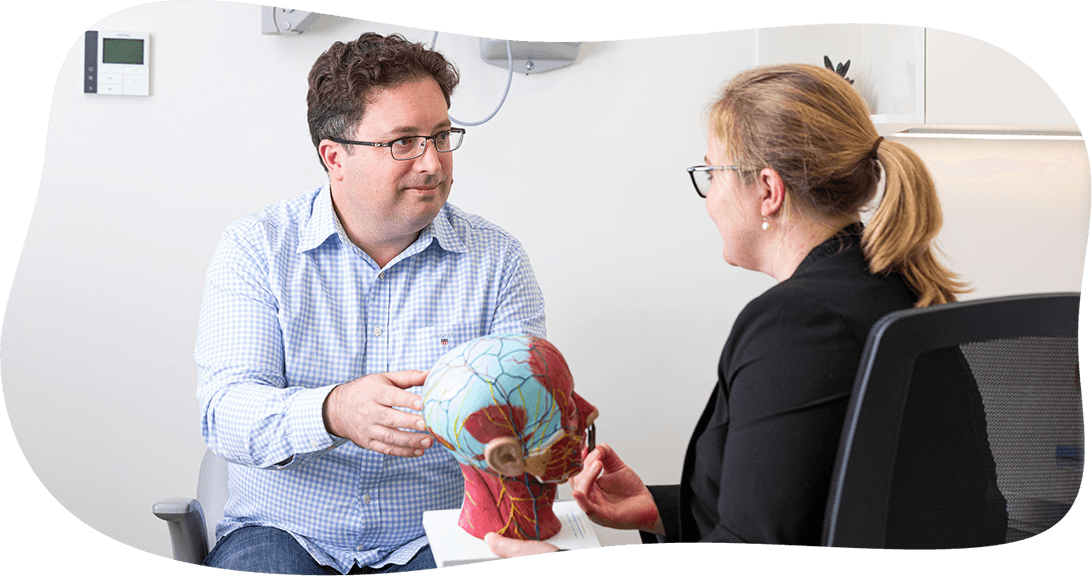
How is a surgical plan developed?

Surgical planning is based on:

  • the sleep study
  • symptoms
  • previous treatment
  • awake examination
  • flexible nasendoscopy and laryngoscopy
  • anatomy
  • body weight
  • sleep position
  • the likely risks and benefits of each intervention

In practical terms, surgical planning is an informed clinical assessment rather than a definitive map of exactly what the airway will do during sleep.
Will surgery necessarily be recommended?

No.


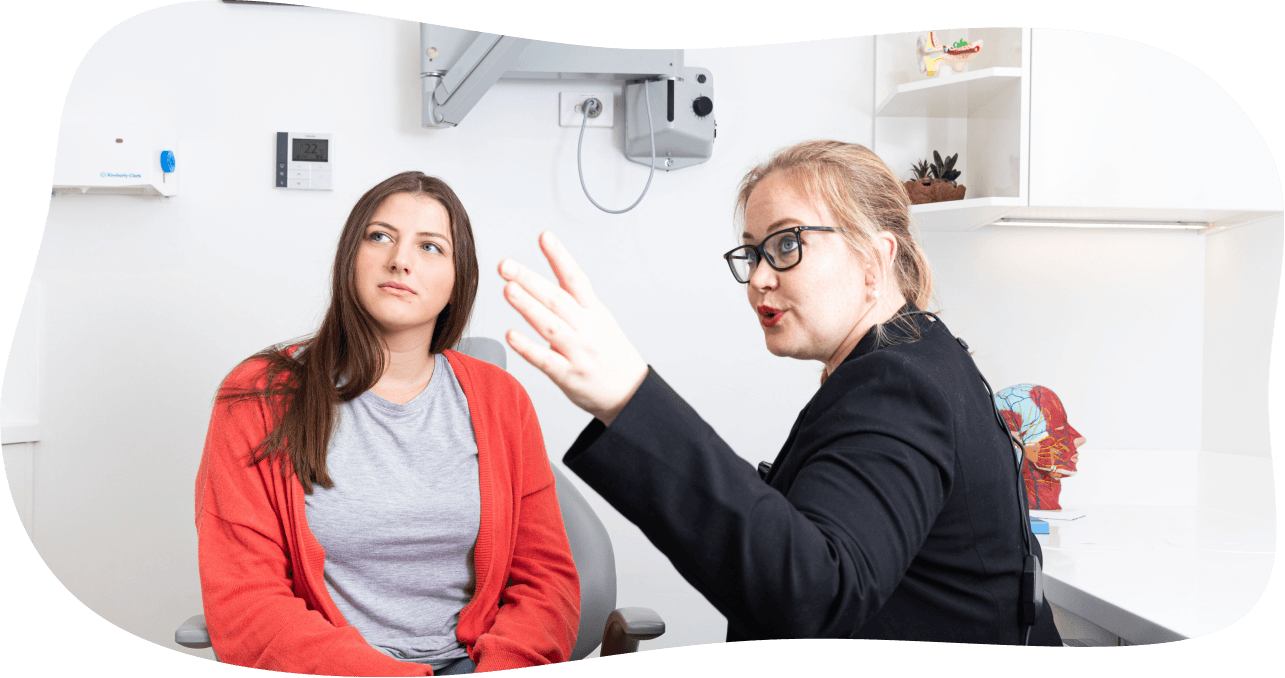
Following assessment, Dr Crawford may recommend:

  • continuing CPAP
  • optimisation of CPAP
  • a mandibular advancement device
  • positional therapy
  • weight management
  • treatment of nasal obstruction
  • review by another sleep specialist
  • surgery
  • a combination of treatments

In practical terms, surgical planning is an informed clinical assessment rather than a definitive map of exactly what the airway will do during sleep.

Frequently Asked Questions

The hospital or anaesthetist will give you the exact fasting times for your operation. Adults are generally asked to stop solid food and non-clear fluids at least six hours before anaesthesia, but instructions for clear fluids can vary. Follow the specific instructions you are given rather than relying on a general rule.

Possibly. Some medicines may need to be changed or paused before surgery, while others should continue. Give Dr Crawford and the hospital a complete list of your medicines and supplements, and do not stop a blood thinner or any other regular medication unless you have been specifically advised to do so.

You may have a pre-admission check by phone or in person, depending on the hospital, your medical history and the procedure planned. A nurse or anaesthetist may review your health information and confirm any fasting, medication or other preparation instructions.

Contact the rooms or hospital as soon as possible. A cold, flu, fever or other respiratory illness may increase the risks associated with anaesthesia, and surgery may need to be postponed. Dr Crawford and the anaesthetic team will advise whether it is safe to proceed.

Surgery involving the tonsils, palate or tongue base generally requires at least two weeks away from work. More significant surgery may require longer. Dr Crawford will confirm what applies to your procedure and the type of work you do.

If you live outside Sydney, Dr Crawford will advise you individually how long to remain in the city after significant throat or tongue-base surgery, based on your procedure and recovery.

Questions before your surgery

If you have questions about your surgery date, your medications or your fasting instructions, contact the rooms rather than waiting until your admission day.

Dr Crawford consults at Sydney ENT Clinic in Darlinghurst and Kogarah.
Get in Touch

Our team can assist with appointment enquiries and help arrange a consultation with Dr Julia Crawford at one of her three Sydney consulting locations:

Sydney ENT Clinic, Darlinghurst

Ground Floor, 67 Burton Street, Darlinghurst NSW 2010

Sydney ENT Clinic,
Kogarah

Suite 5, Level 2, 19 Kensington Street, Kogarah NSW 2217

Chris O'Brien Lifehouse

119-143 Missenden Road, Camperdown NSW 2050

Book Your Consultation

Dr Crawford consults for head and neck conditions, head and neck cancer, thyroid and salivary gland disease, obstructive sleep apnoea, paediatric ENT and a range of general ENT conditions.

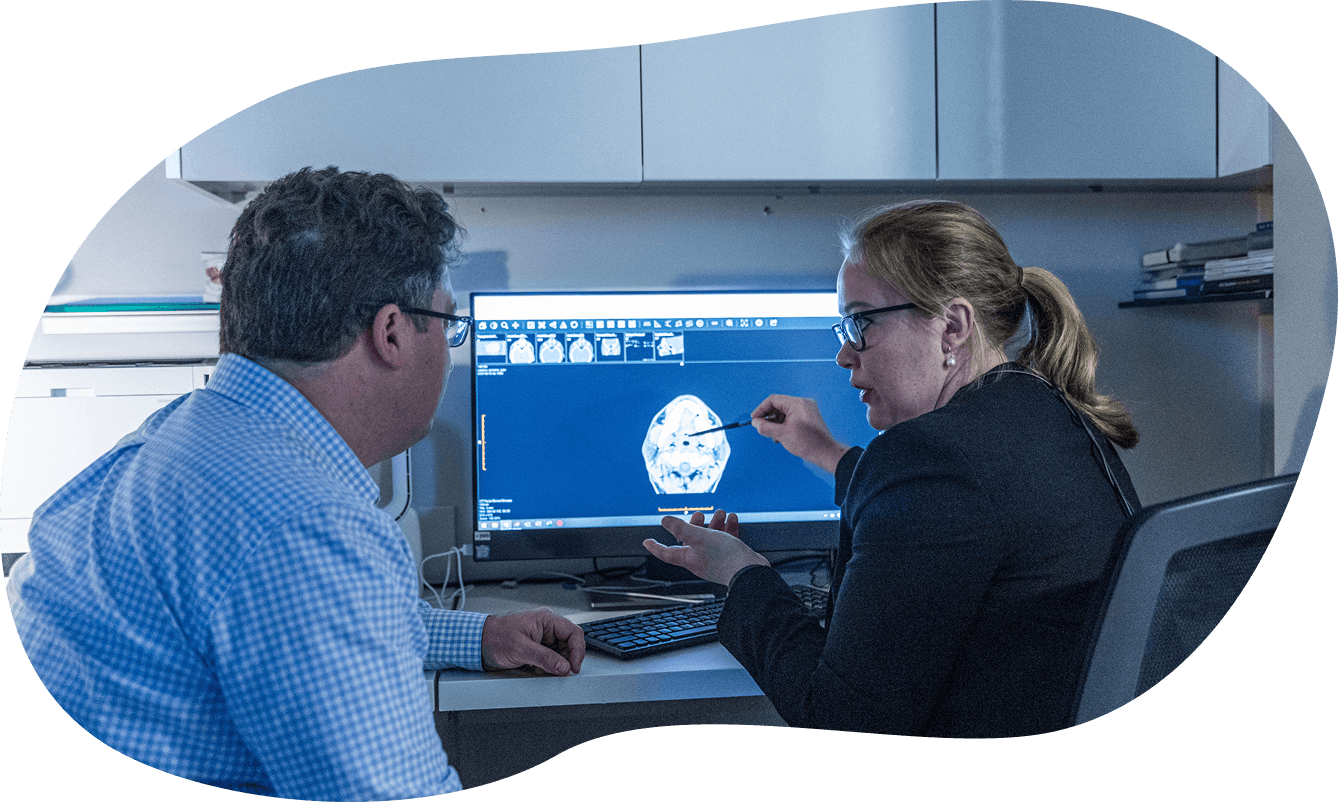
Her team can assist with arranging an appointment at Sydney ENT Clinic in Darlinghurst or Kogarah, or Chris O'Brien Lifehouse, and will help ensure the appropriate referral, imaging, test results and other relevant information are available before your consultation.

©2026 Dr. Julia Crawford. All rights reserved.