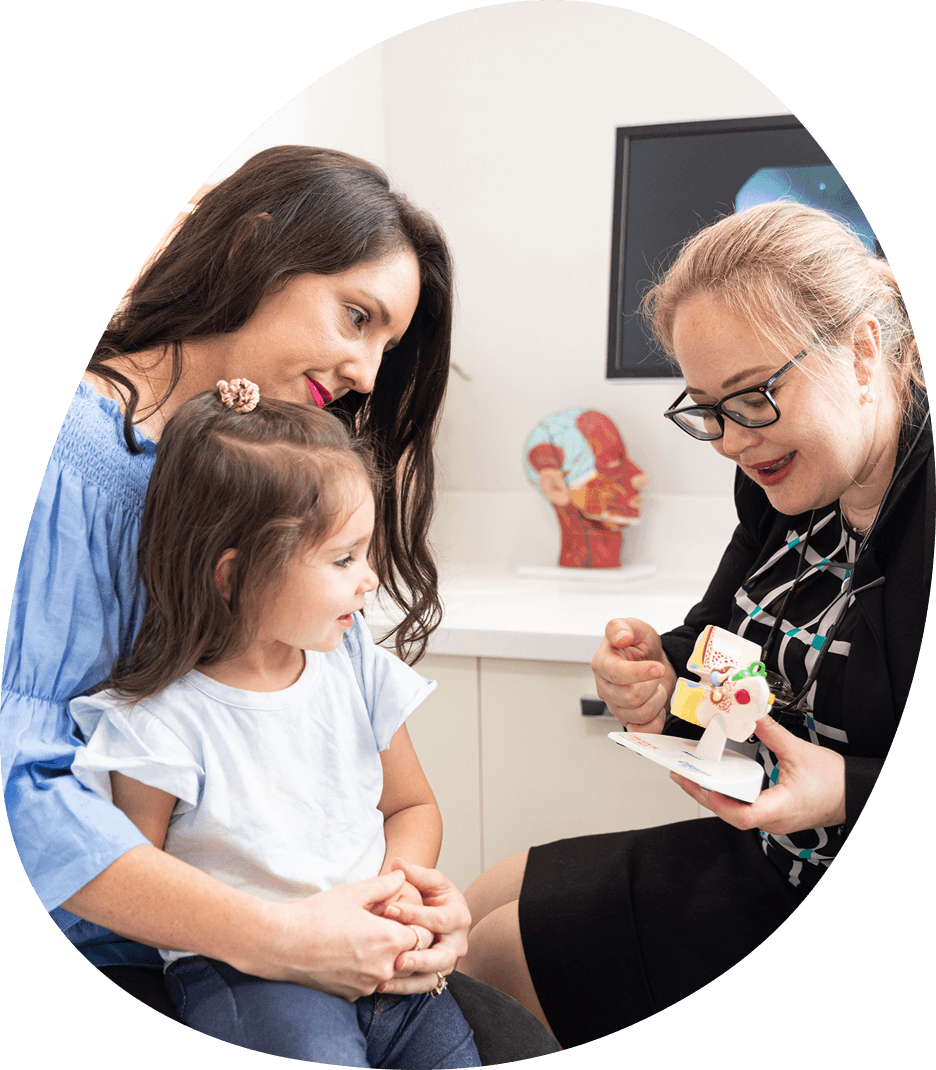
Dr Julia Crawford sees children with a range of common ear, nose and throat conditions at Sydney ENT Clinic in Darlinghurst and Kogarah.
Paediatric ENT problems are common and many will improve without surgery. The aim of an ENT assessment is to understand the cause of your child's symptoms, determine whether any further investigation is required and discuss whether observation, medical treatment or surgery is the most appropriate option.
Dr Crawford sees children from 24 months of age through to 18 years.
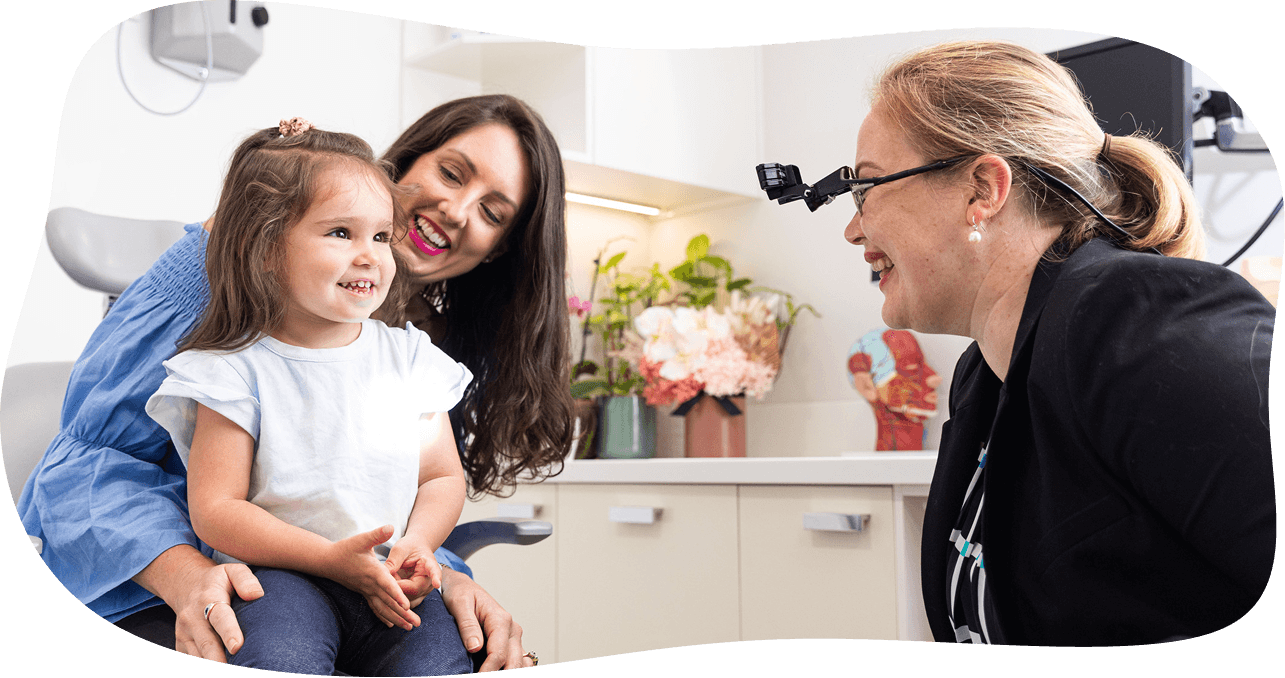
Dr Crawford manages a range of common paediatric ENT conditions, including the following.
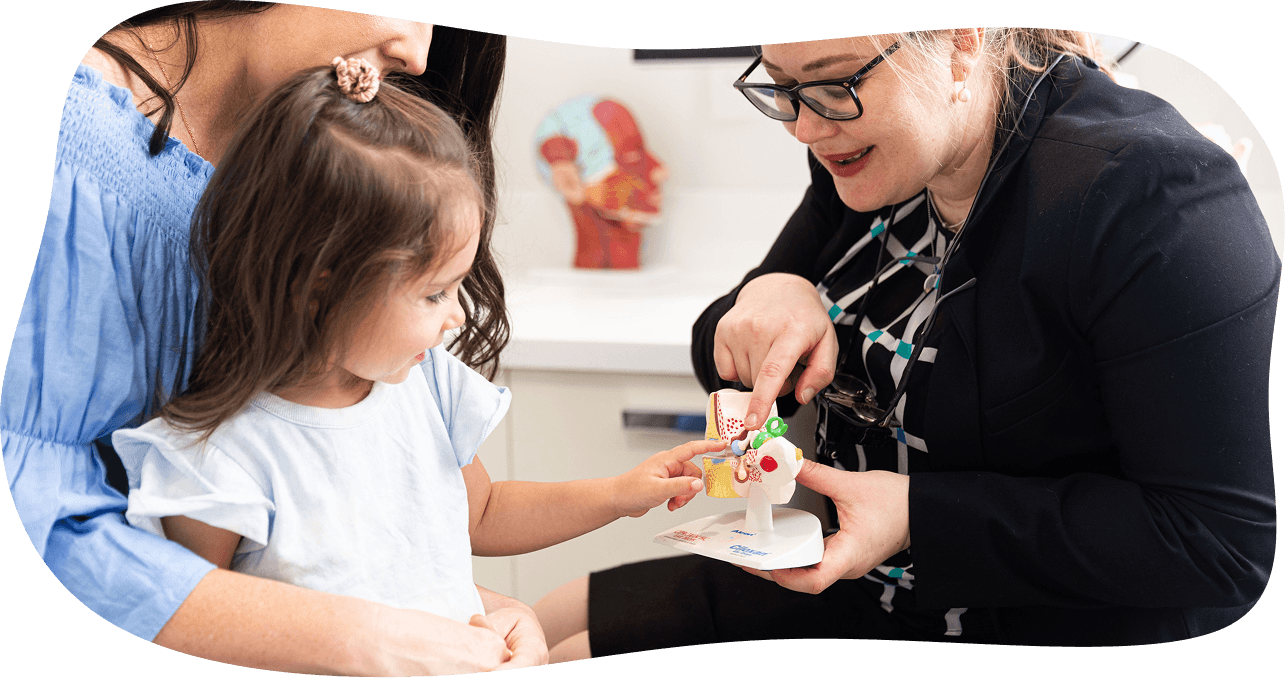
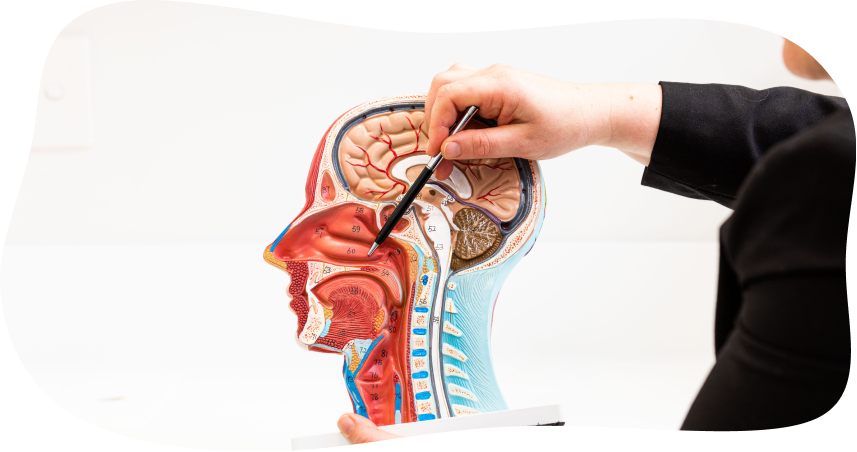
The tonsils sit at the back of the throat. The adenoids are similar lymphoid tissue located behind the nose.
In children, enlarged or repeatedly infected tonsils and adenoids can cause a range of problems.
These may include the following.
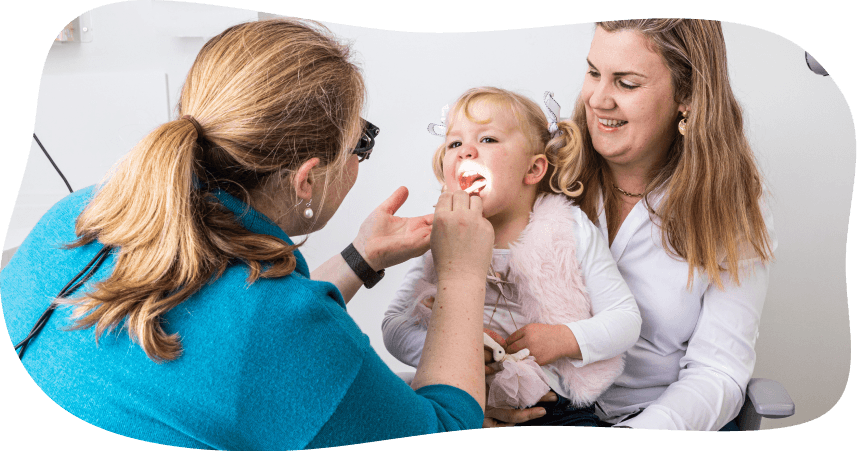
Tonsillitis is very common in children.
For most children, occasional episodes can be managed without surgery. Tonsillectomy may be considered when infections are frequent, severe or having a significant impact on school attendance and quality of life.
The decision is not based simply on the size of the tonsils.
Dr Crawford will ask about the number and severity of infections, whether antibiotics have been required, time away from school and how the episodes are affecting your child and family.
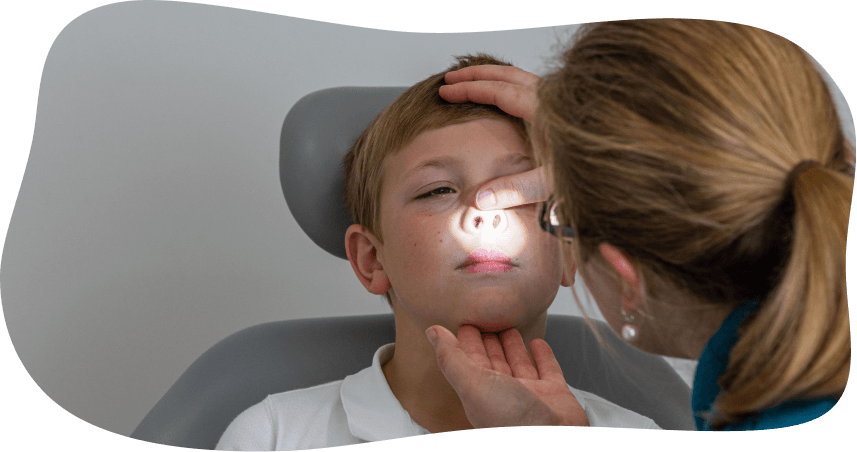
Snoring is common in children and does not always mean that a child has obstructive sleep apnoea.
However, further assessment may be appropriate if your child snores regularly and also has symptoms such as the following.
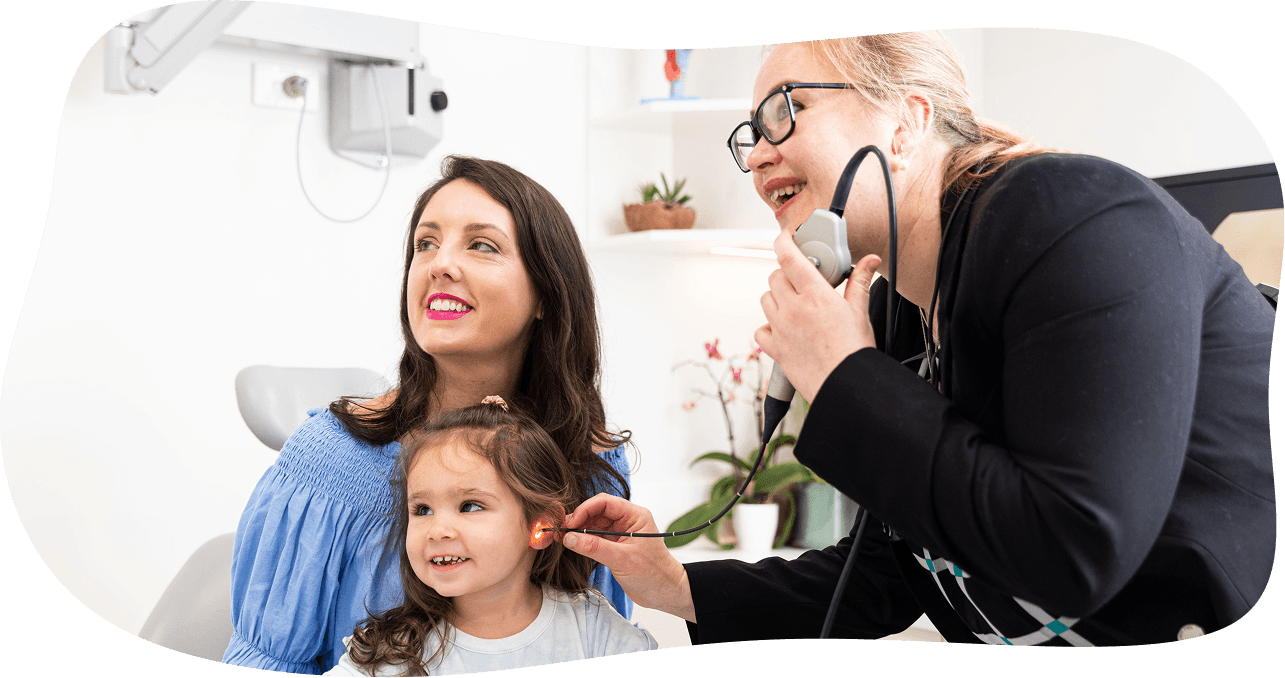
Ear infections and middle ear fluid are particularly common in younger children.
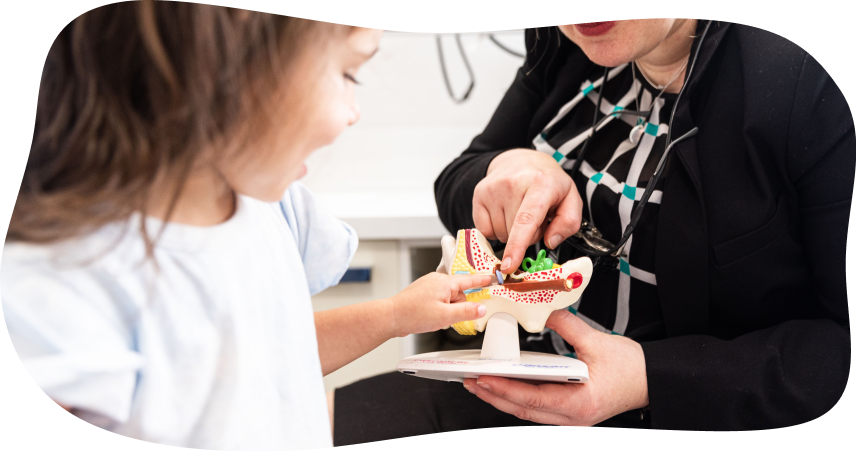
The middle ear is connected to the back of the nose by the Eustachian tube. In children, this tube does not function as efficiently as it does in adults, making fluid behind the eardrum more common.
Persistent middle ear fluid is often called glue ear.
It can cause a temporary conductive hearing loss and, in some children, may affect speech, language development, behaviour or learning.
Many episodes of glue ear resolve without treatment. When fluid or hearing loss persists, further assessment may be required.
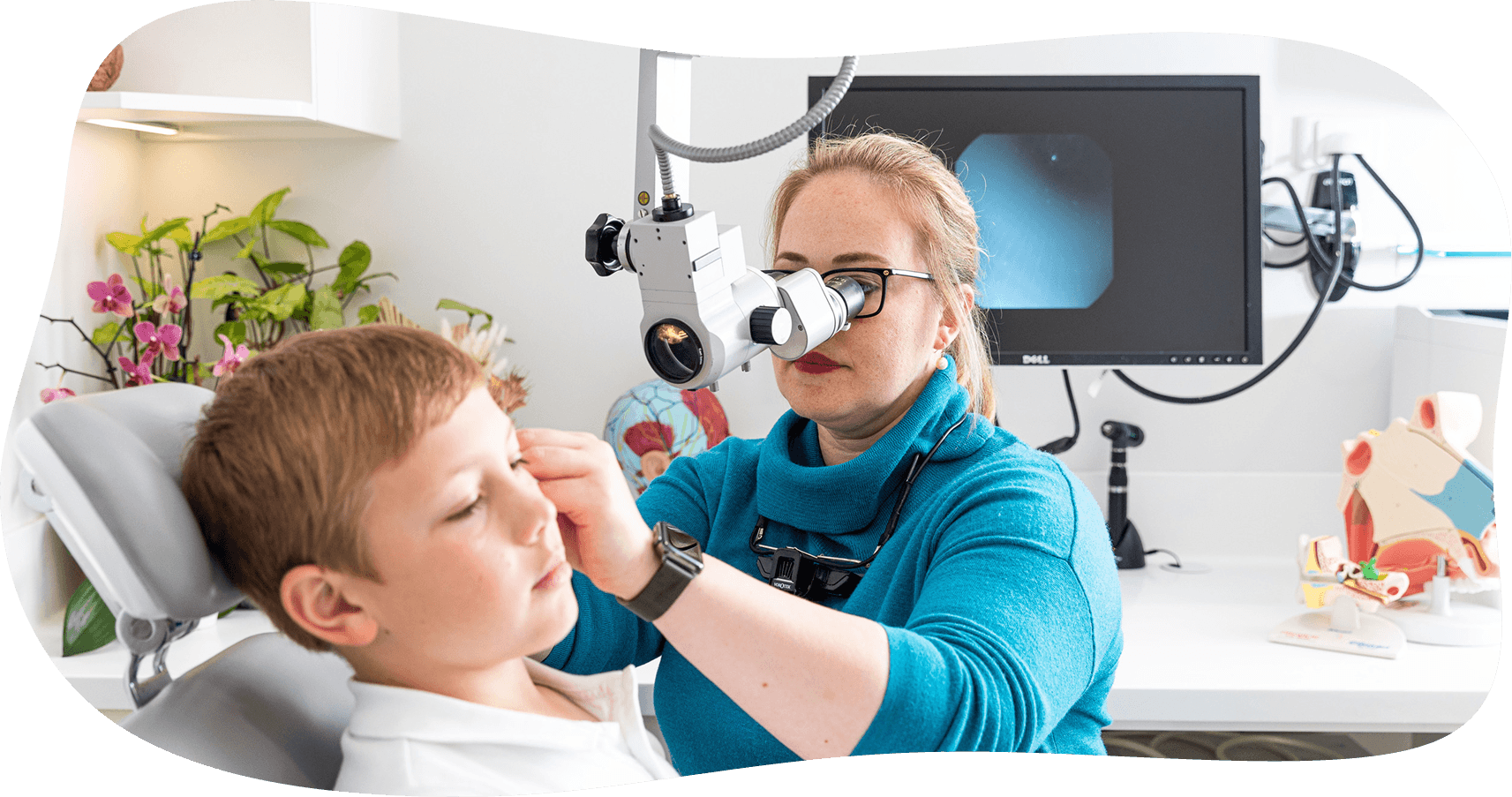
A hearing test is often an important part of assessing a child with recurrent ear problems, glue ear or suspected hearing loss.
If your child has had previous hearing tests, please provide these before the appointment where possible.
Dr Crawford may recommend an updated hearing test before making a decision about grommets, particularly if an older test no longer reflects your child's current hearing. Where possible, her team will try to arrange this before the consultation if Dr Crawford feels it would be helpful.
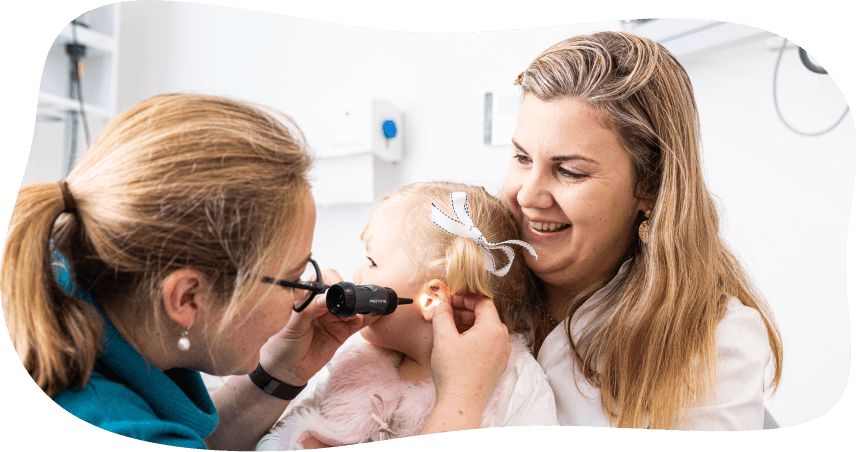
Grommets are very small ventilation tubes placed through the eardrum.
They may be recommended for some children with persistent middle ear fluid and associated hearing loss, or for selected children with recurrent ear infections.
Grommet insertion is performed under general anaesthesia in children and is usually a short day procedure.
Grommets are not required for every child with ear infections or glue ear. The decision depends on the child's symptoms, examination findings, hearing and how long the problem has been present.
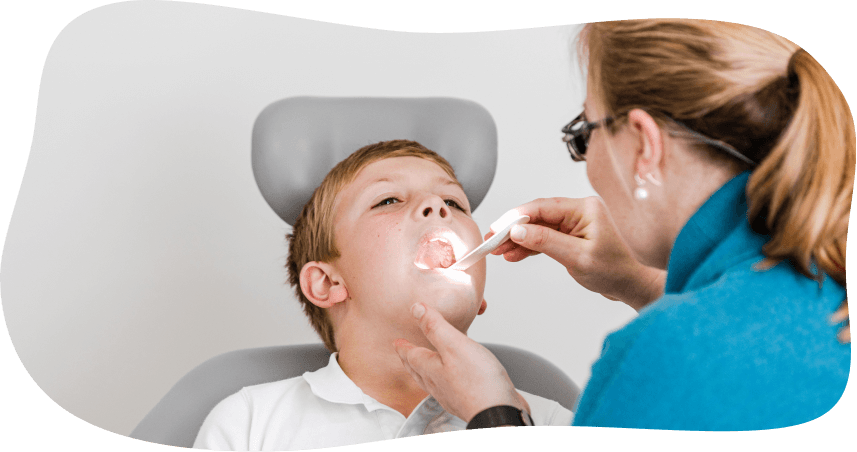
Adenoidectomy involves removing enlarged adenoid tissue from behind the nose.
It may be considered for children with significant nasal obstruction, persistent mouth breathing, sleep-disordered breathing or obstructive sleep apnoea.
Adenoidectomy may also be considered in selected children with persistent middle ear problems, particularly when other symptoms suggest enlarged adenoids are contributing.
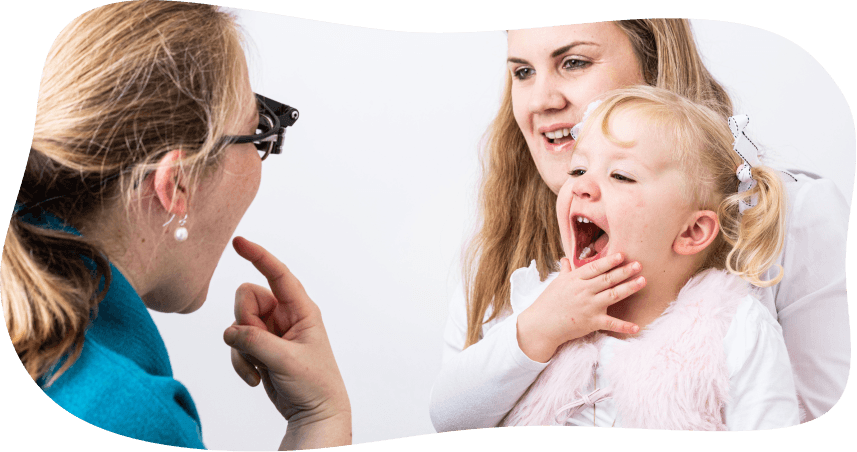
Tonsillectomy involves removing the tonsils.
It is most commonly performed in children for the following.
Nosebleeds are common in children and are usually caused by small blood vessels near the front of the nasal septum.
Dryness, rubbing or picking the nose and inflammation can make bleeding more frequent.
Many children can initially be managed with simple measures such as nasal moisturising treatment.
When nosebleeds are frequent or troublesome, examination may identify a specific blood vessel that can be treated with cautery. Some children find cautery in the rooms too difficult to tolerate. In this situation, Dr Crawford may recommend examination and cautery under a short general anaesthetic.
Further investigation may be required if the bleeding is unusual, severe or associated with other symptoms.
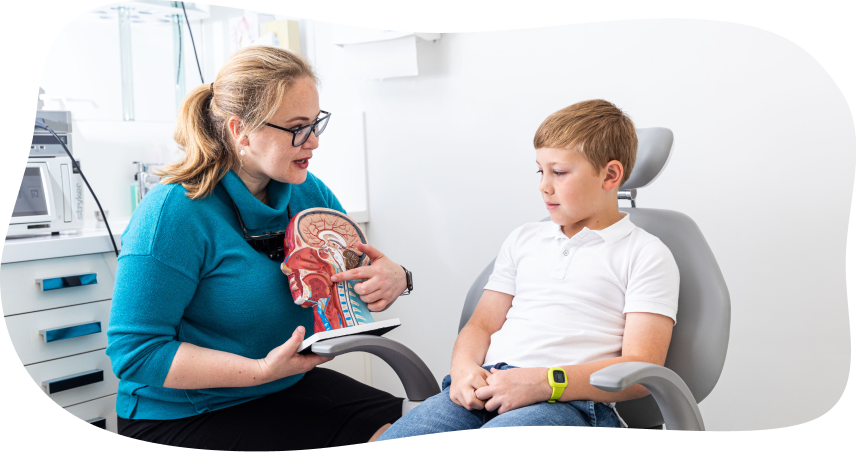
The appointment begins with a discussion about your child's symptoms, medical history and any previous treatment.
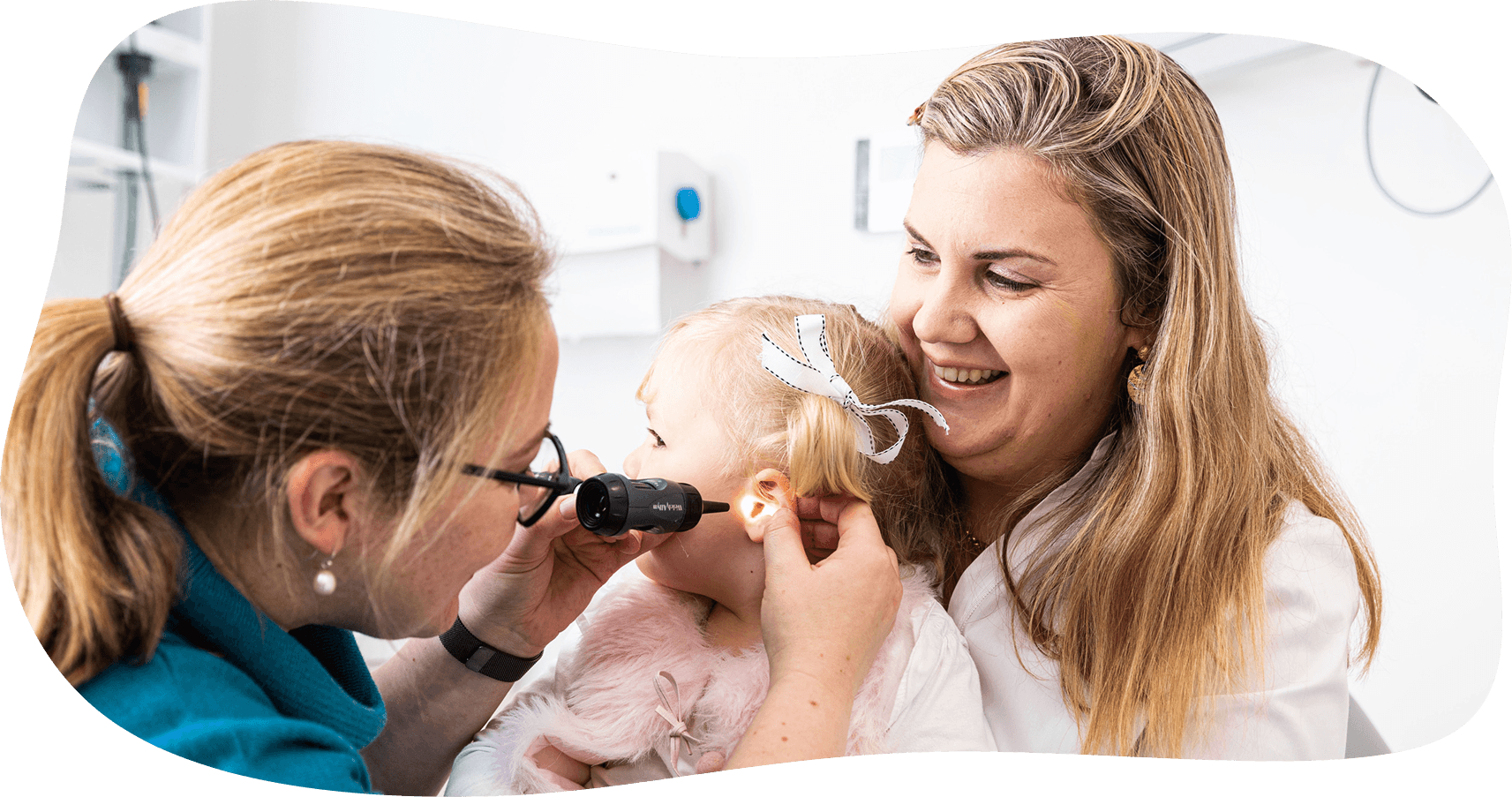
Depending on the problem, Dr Crawford may examine the ears, nose, mouth, tonsils and neck.
Most children will allow Dr Crawford to examine their ears and mouth. Examination of the inside of the nose with a flexible nasendoscope can be more difficult for younger children and is not always necessary.
Flexible nasendoscopy is one way of directly assessing the adenoids, but many young children will not tolerate the examination. If assessment of the adenoids is important, Dr Crawford may instead recommend an X-ray through a radiology practice to provide additional information about the size of the adenoids and the airway behind the nose.
Dr Crawford will then discuss whether your child requires any further investigation or treatment.
In many cases, surgery is not necessary.
Providing as much relevant information as possible before the consultation can make the appointment more useful and may reduce the need for additional visits.
Please complete your child's registration information and provide any relevant information, including the following.
When surgery is recommended, Dr Crawford will explain why it is being considered, the alternatives, the expected recovery and the important risks.
Common paediatric ENT operations performed by Dr Crawford include the following.
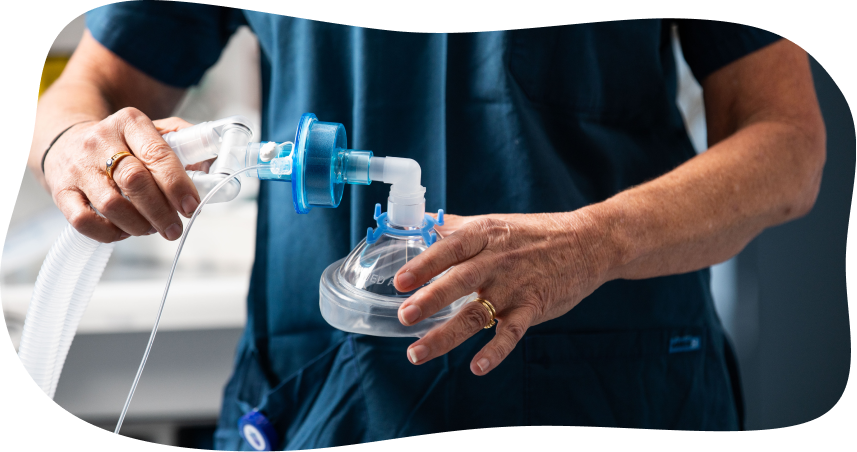
A specialist anaesthetist will look after your child and manage the anaesthetic.
It is important to tell Dr Crawford and the anaesthetist about any significant medical problems, previous problems with anaesthesia, allergies or regular medications.
You will also receive fasting instructions before surgery. These need to be followed carefully for the anaesthetic to proceed safely.
If your child becomes unwell in the days leading up to a planned operation, particularly with a respiratory infection, please let Dr Crawford's team know. Depending on the severity of the illness and the operation being performed, Dr Crawford and the anaesthetist may recommend postponing surgery because respiratory infections can increase the risks associated with general anaesthesia in children.

Recovery after tonsillectomy is usually more significant than recovery after adenoidectomy or grommet insertion.
Children undergoing tonsillectomy generally need around two weeks away from school or childcare.
Pain often fluctuates during recovery and can become worse several days after surgery before it improves.
Maintaining adequate fluids is particularly important.
Bleeding after tonsillectomy is uncommon but can occasionally be significant. Any fresh bleeding from the mouth or throat after tonsillectomy requires urgent medical assessment.
Dr Crawford will provide specific postoperative instructions before your child leaves hospital.
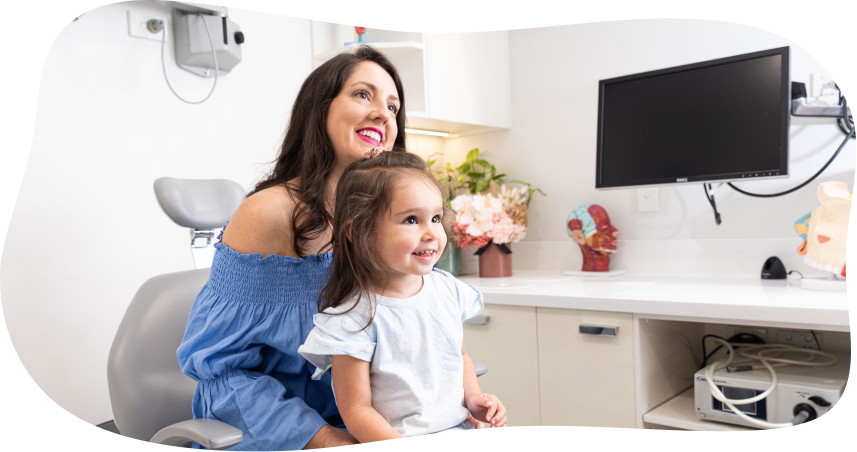
Recovery after grommet insertion is usually much quicker.
Most children experience little discomfort and can return to normal activities relatively soon after surgery.
Dr Crawford asks children not to swim for four weeks after grommet insertion. After this, swimming can usually resume unless there is an active ear infection or another reason to avoid the water.
Routine ear plugs or other ear protection are not usually recommended for swimming after this initial period.
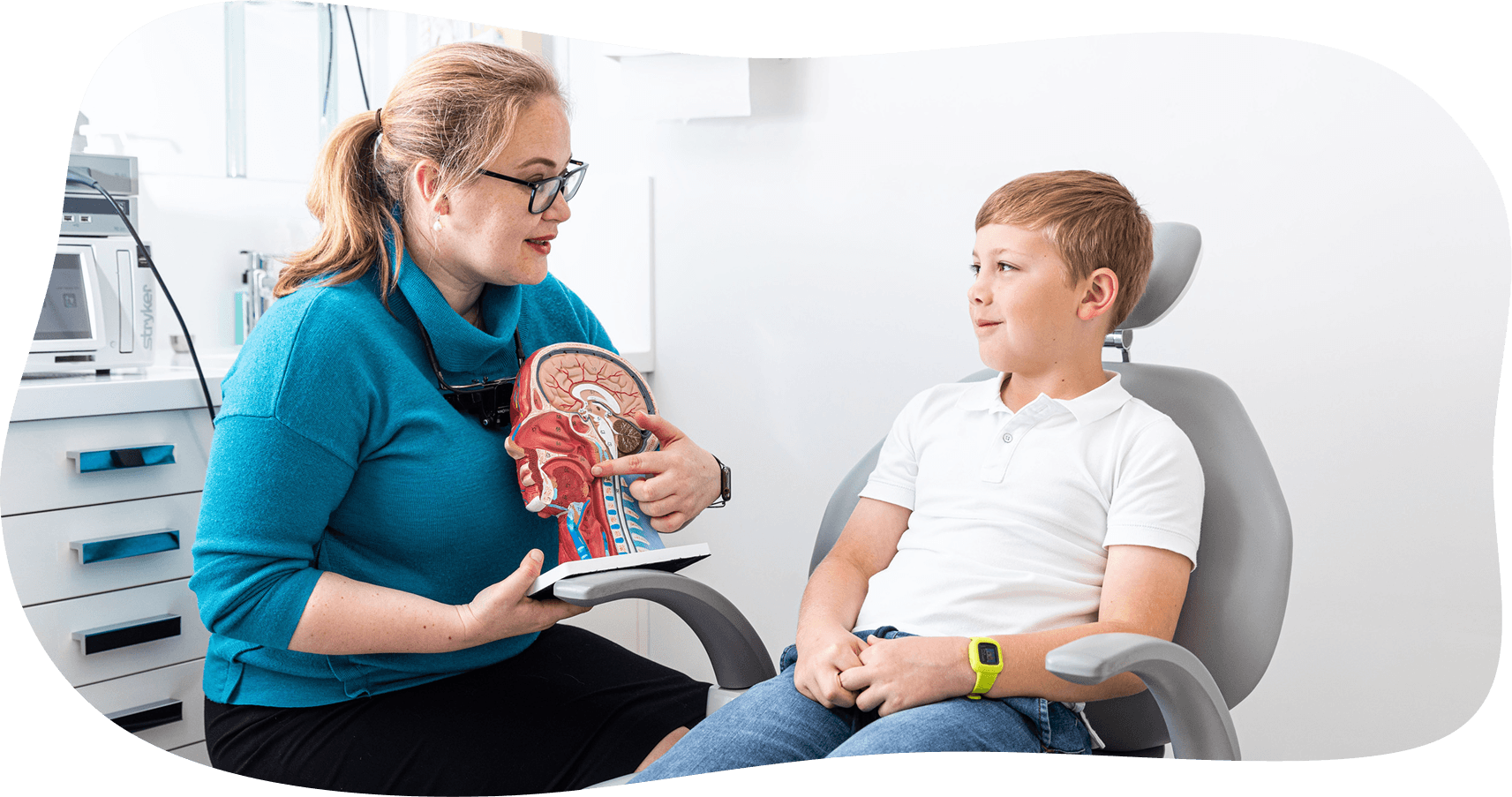
Follow-up depends on the operation performed.
Children who have had grommets may require repeat hearing assessment to confirm that hearing has improved.
Following tonsil or adenoid surgery, follow-up will focus on recovery and whether the symptoms that led to surgery have improved.
Additional assessment may be required if symptoms persist despite treatment.
Dr Crawford sees children with common paediatric ENT problems at Sydney ENT Clinic in Darlinghurst and Kogarah.
If your child has previous hearing tests, sleep studies or other relevant results, please provide these before the appointment where possible.
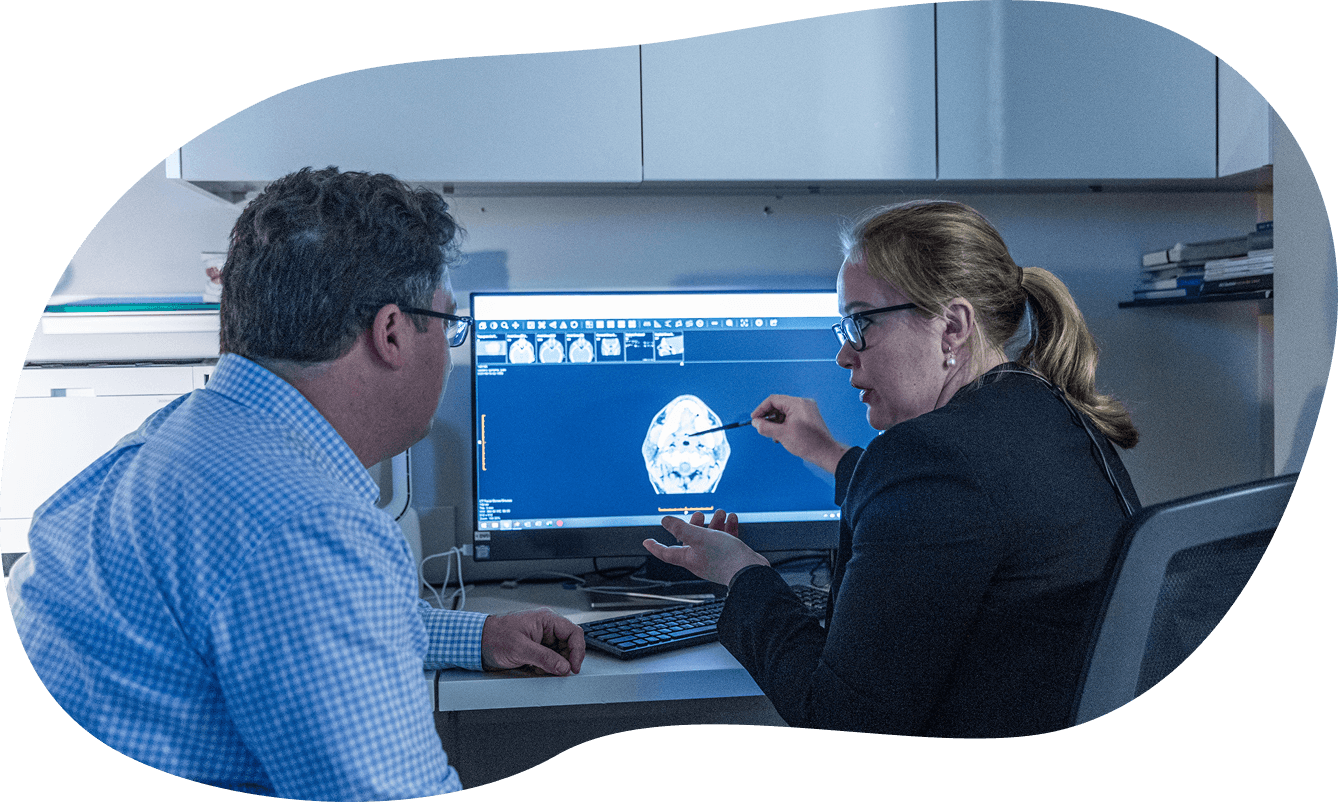
Our team can assist with appointment enquiries and help arrange a consultation with Dr Julia Crawford at one of her three Sydney consulting locations:
Dr Julia Crawford consults for head and neck conditions, head and neck cancer, thyroid and salivary gland disease, obstructive sleep apnoea, paediatric ENT and selected general ENT problems.
Her team can assist with arranging an appointment at Darlinghurst, Kogarah or Chris O'Brien Lifehouse, and will help ensure the appropriate information and investigations are available before your consultation.