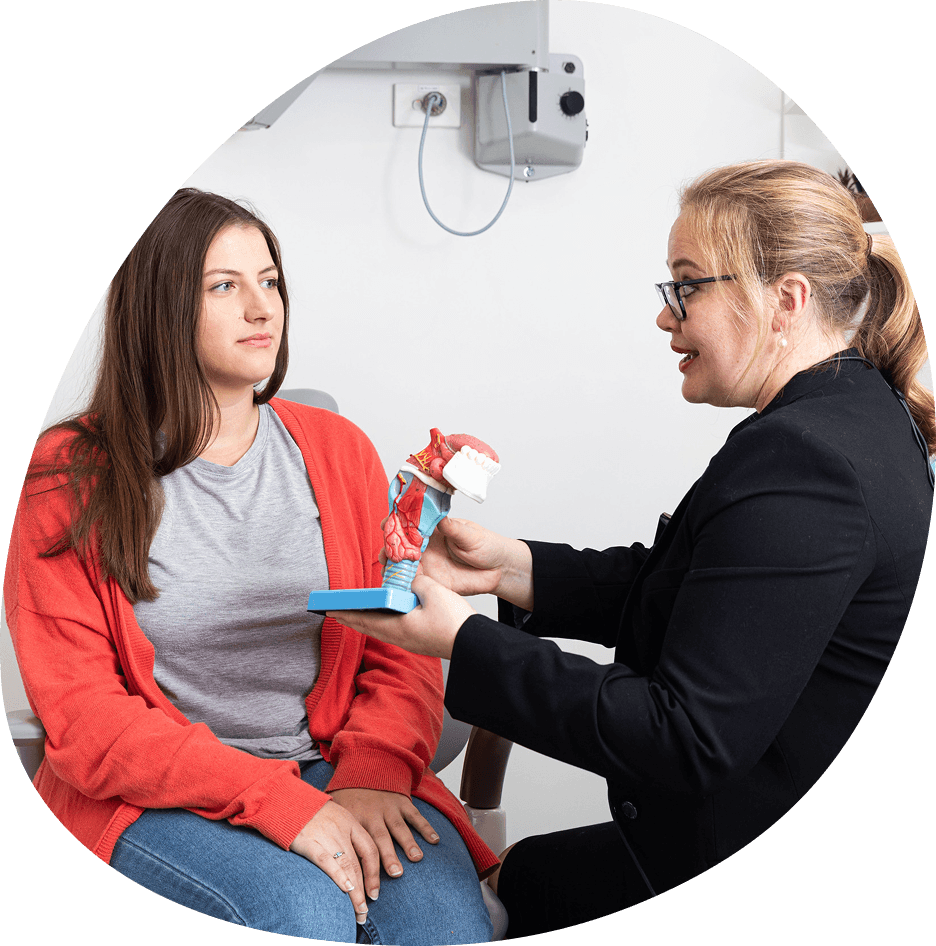
Dr Julia Crawford is a Sydney ENT and Head & Neck Surgeon with dedicated fellowship training in the surgical treatment of obstructive sleep apnoea. She assesses adults with obstructive sleep apnoea, troublesome snoring and upper airway obstruction, particularly when CPAP or other non-surgical treatments are not suitable, not tolerated or have not provided adequate control.
Sleep apnoea surgery is not a single operation. Treatment is tailored to the individual patient and may involve the nose, tonsils, palate, lateral throat walls or tongue base. Transoral Robotic Surgery (TORS) is used only in selected patients where tongue-base obstruction is an important part of the problem.
Obstructive sleep apnoea (OSA) occurs when the upper airway repeatedly narrows or closes during sleep. This can lead to repeated falls in oxygen levels and disruption of normal sleep.
Common symptoms include loud snoring, witnessed pauses in breathing, choking or gasping during sleep, unrefreshing sleep, morning headaches, daytime tiredness and difficulty with concentration. Untreated moderate to severe OSA is associated with important health risks, including cardiovascular and neurological disease.
A sleep study is used to confirm the diagnosis and assess its severity. Snoring alone does not necessarily mean that a person has sleep apnoea, so the two problems need to be assessed appropriately.
CPAP is a highly effective treatment for obstructive sleep apnoea when it is tolerated and used consistently. Other options may include weight management, positional therapy and a mandibular advancement device, depending on the individual patient.
A surgical opinion may be appropriate when CPAP or an oral appliance is not tolerated, is not suitable, or does not provide adequate control; when there is a clear anatomical obstruction that may respond to surgery; or when a patient would like to understand whether surgery is a reasonable treatment option.
An assessment for surgery does not mean that surgery will necessarily be recommended. The aim of the consultation is to understand the person as a whole and discuss the full range of appropriate treatment options.
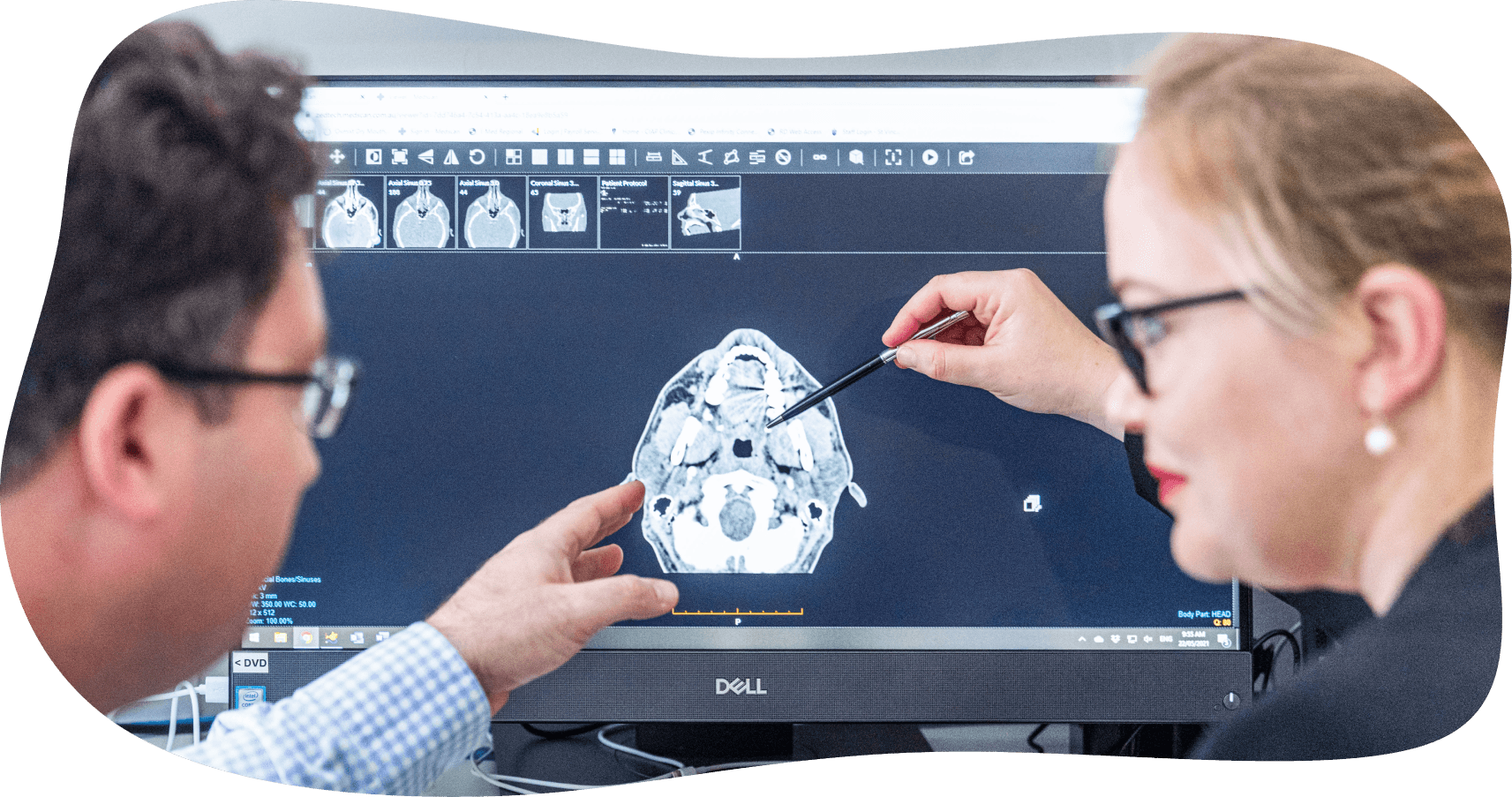
The pattern of upper airway obstruction differs between patients. Dr Crawford reviews the sleep study together with the patient’s symptoms, previous treatment and upper airway anatomy.
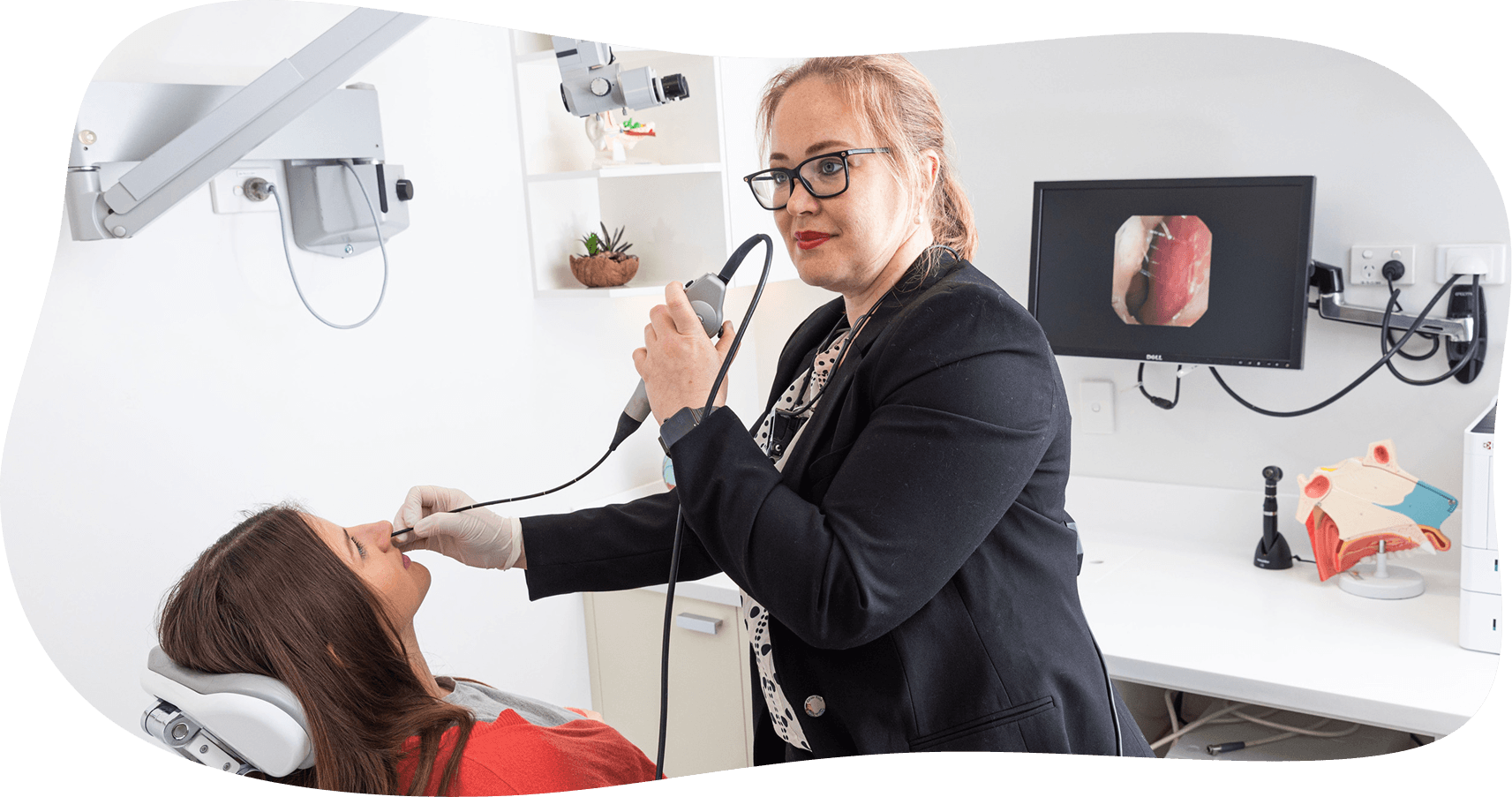
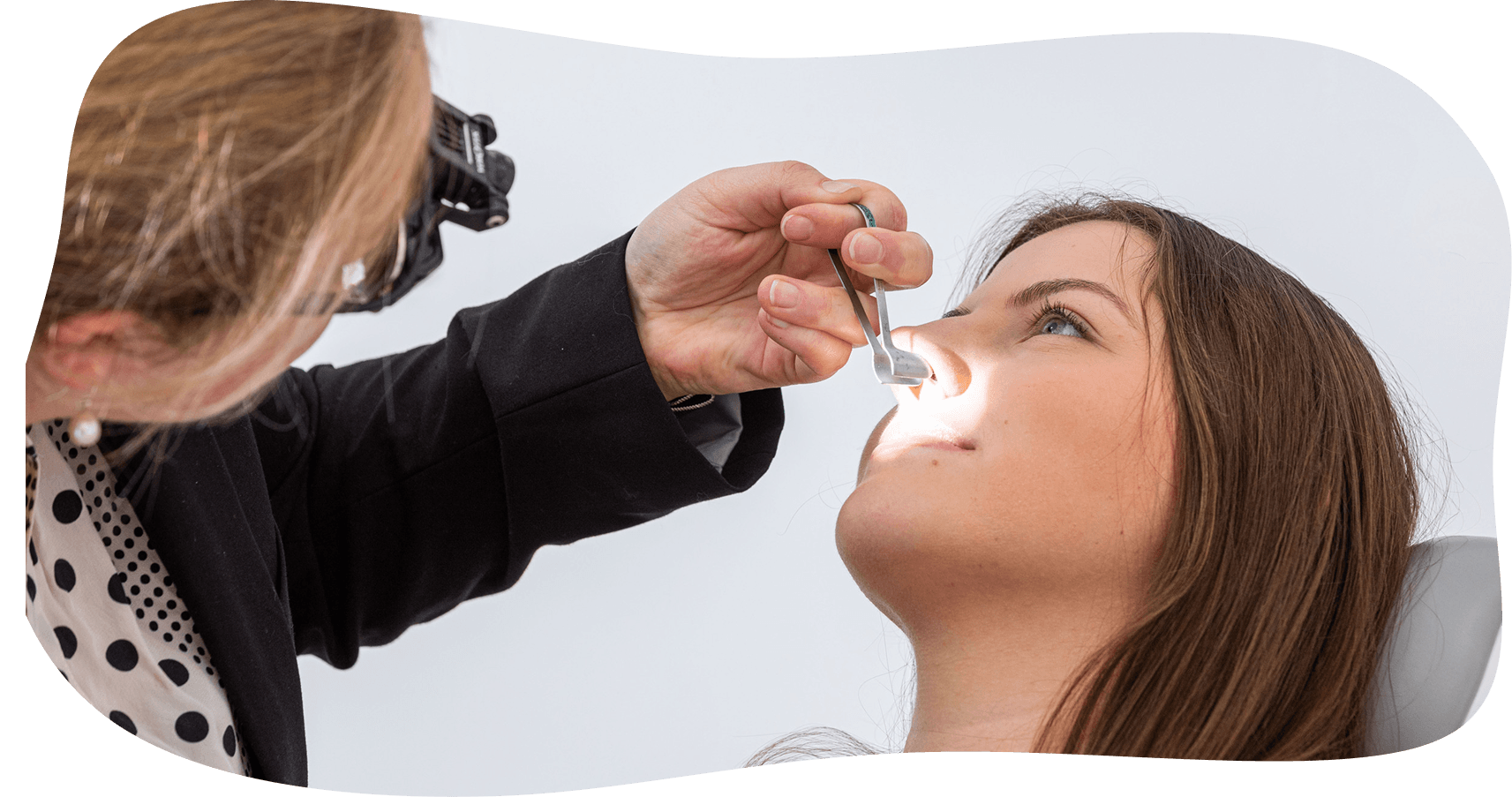
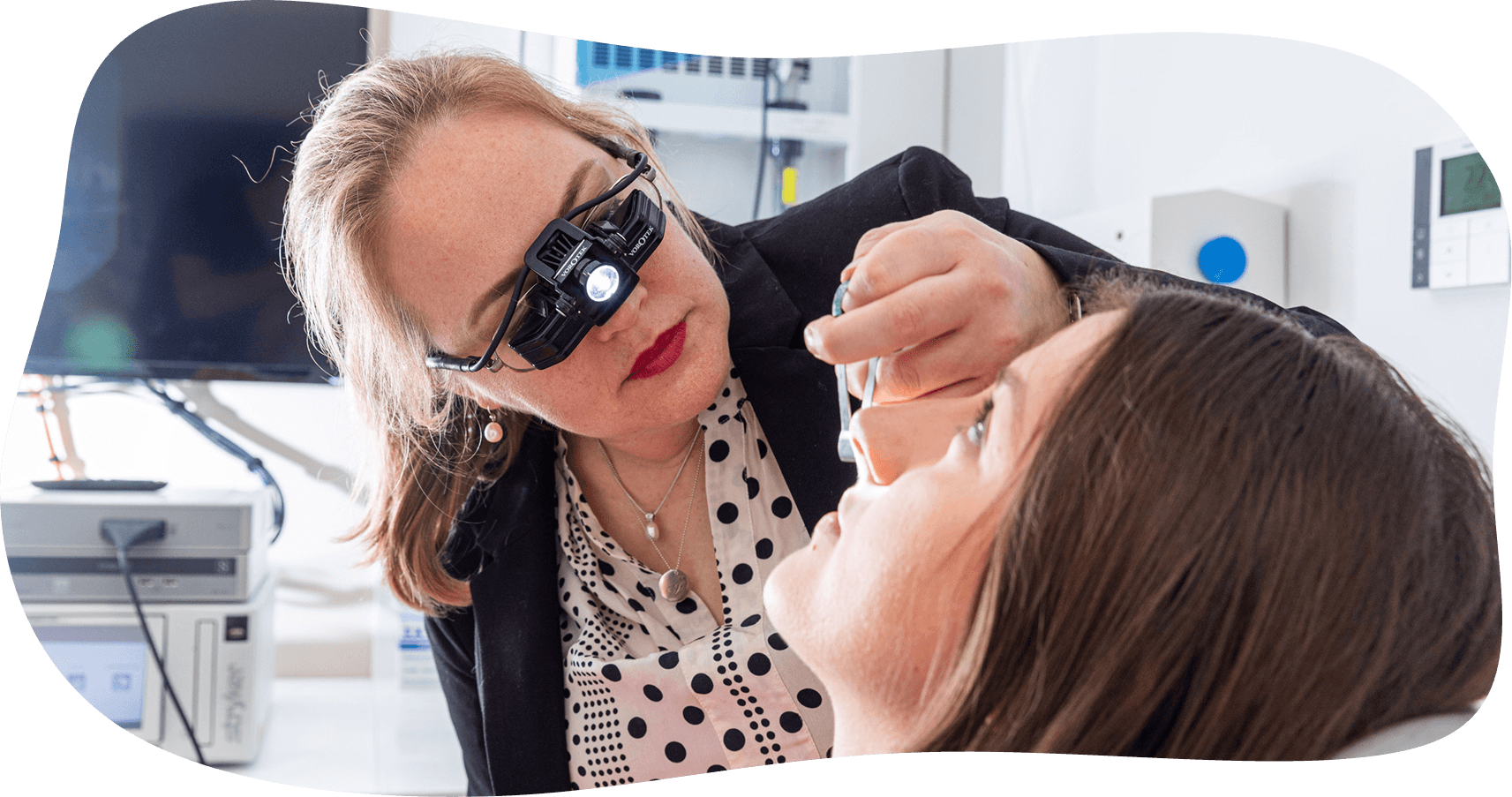
Assessment usually includes examination of the nose, mouth and throat and flexible nasendoscopy in the clinic.
These tests provide useful information about airway anatomy, but there is no perfect way to reproduce or directly observe exactly what happens to an individual patient’s airway throughout natural sleep.
Surgical planning is therefore based on the best available information: the sleep study, symptoms, awake examination, nasendoscopy, anatomy and response to previous treatments.
In practical terms, this is an informed clinical assessment of the sites most likely to be contributing to obstruction rather than a definitive test that can identify every point of collapse with certainty.
This is one reason sleep apnoea surgery needs to be individualised. The aim is to select the procedure, or combination of procedures, most likely to address the important sites of obstruction while being realistic about the limitations of pre-operative assessment.
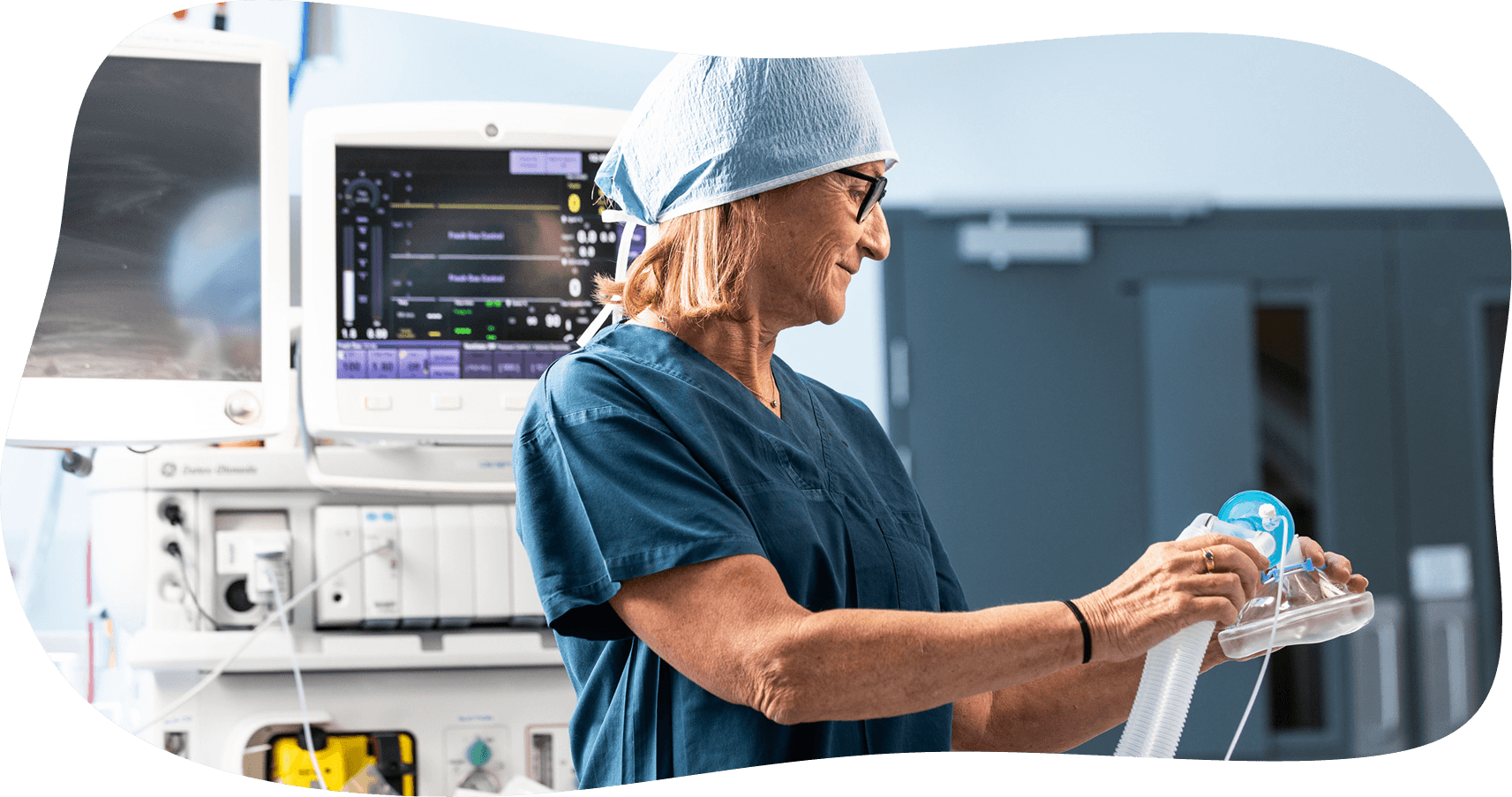
Sleep apnoea surgery aims to improve the stability and size of the upper airway at the sites contributing to obstruction. The operation recommended depends on the individual patient’s anatomy, sleep study and treatment goals.
Procedures may include:
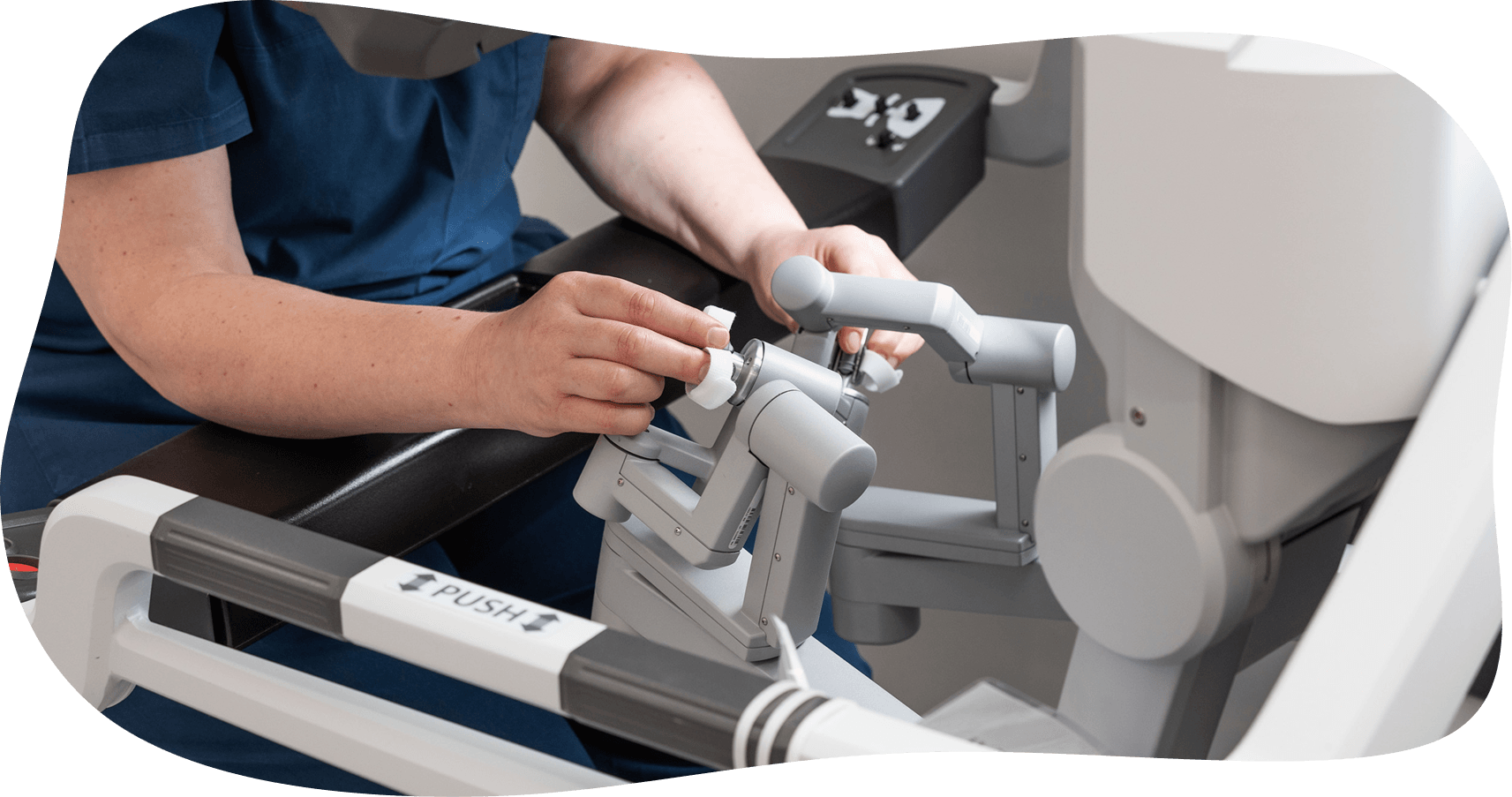
Transoral Robotic Surgery (TORS) allows selected areas of the tongue base and lingual tonsils to be approached through the mouth. It may be useful in carefully selected patients where tongue-base obstruction is an important contributor to obstructive sleep apnoea.
Dr Crawford has dedicated fellowship training in TORS. Robotic surgery is, however, only one component of sleep apnoea surgery and is not appropriate for every patient. Many patients require treatment at other levels of the airway, with or without tongue-base surgery.
Snoring is caused by vibration of tissues in a narrowed upper airway. It can occur on its own or as a symptom of obstructive sleep apnoea. Before considering treatment for snoring, it is important to determine whether underlying sleep apnoea is present.
Treatment depends on the cause of the snoring and may include non-surgical measures, a mandibular advancement device or surgery in selected patients. Surgery for snoring is most useful when there is a clearly identified anatomical site contributing to the problem.
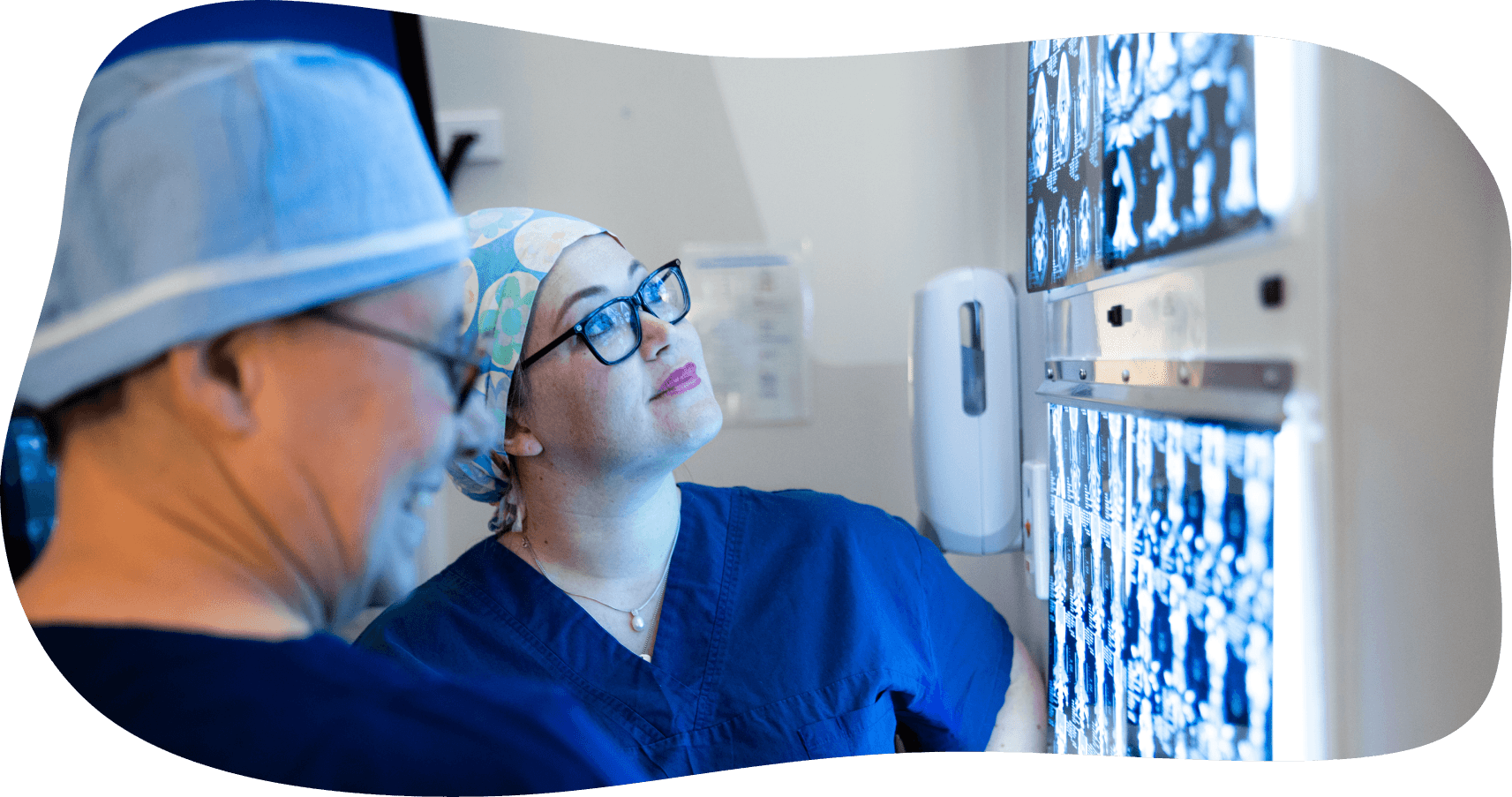
Dr Crawford participates in the multidisciplinary Sleep MDT at St Vincent’s Hospital, where complex obstructive sleep apnoea cases can be reviewed with colleagues from relevant specialties. Multidisciplinary input can be particularly useful when there are several reasonable treatment options or when previous treatment has not been successful.
Recovery varies substantially depending on the operation performed. Procedures involving the tonsils, palate or tongue base usually cause a significant sore throat and commonly require around two weeks away from work. Some patients require longer, particularly after multilevel surgery.
Patients receive detailed postoperative instructions covering pain relief, hydration, diet, activity and signs that should prompt urgent medical review. The expected recovery is discussed before surgery so that appropriate arrangements can be made for work and home.
The aim of sleep apnoea surgery is to achieve a meaningful improvement in airway obstruction, symptoms and sleep-study measures. Surgery cannot be assumed to have eliminated sleep apnoea based on symptoms alone.
Follow-up therefore includes a repeat sleep study after recovery. Some patients may still require CPAP, a mandibular advancement device or other treatment after surgery, although surgery may reduce disease severity or make these treatments easier to use.
For obstructive sleep apnoea and snoring, Dr Crawford consults at Sydney ENT Clinic (Darlinghurst or Kogarah). Her team can assist with arranging the most appropriate appointment and ensuring relevant information is available before the consultation.
If you would like an assessment for obstructive sleep apnoea, snoring or possible upper airway surgery, please complete the new patient registration form. Providing your sleep study and details of previous treatments in advance helps Dr Crawford and her team prepare for the consultation and may reduce the need for additional appointments.
Our team can assist with appointment enquiries and help arrange a consultation with Dr Julia Crawford at one of her three Sydney consulting locations:
Dr Crawford consults for head and neck conditions, head and neck cancer, thyroid and salivary gland disease, obstructive sleep apnoea, paediatric ENT and a range of general ENT conditions.
Her team can assist with arranging an appointment at Sydney ENT Clinic in Darlinghurst or Kogarah, or Chris O'Brien Lifehouse, and will help ensure the appropriate referral, imaging, test results and other relevant information are available before your consultation.