Snoring is very common. For some people it is primarily a noise problem, while for others it may occur as part of obstructive sleep apnoea.
Dr Julia Crawford is an ENT and Head & Neck Surgeon with dedicated fellowship training in sleep apnoea surgery. She assesses adults with troublesome snoring, particularly where there is concern about underlying obstructive sleep apnoea or where anatomical factors within the upper airway may be contributing.
Treatment depends on the cause of the snoring. Surgery is only one option and is not required for everyone.
Snoring occurs when tissues within the upper airway vibrate during sleep.
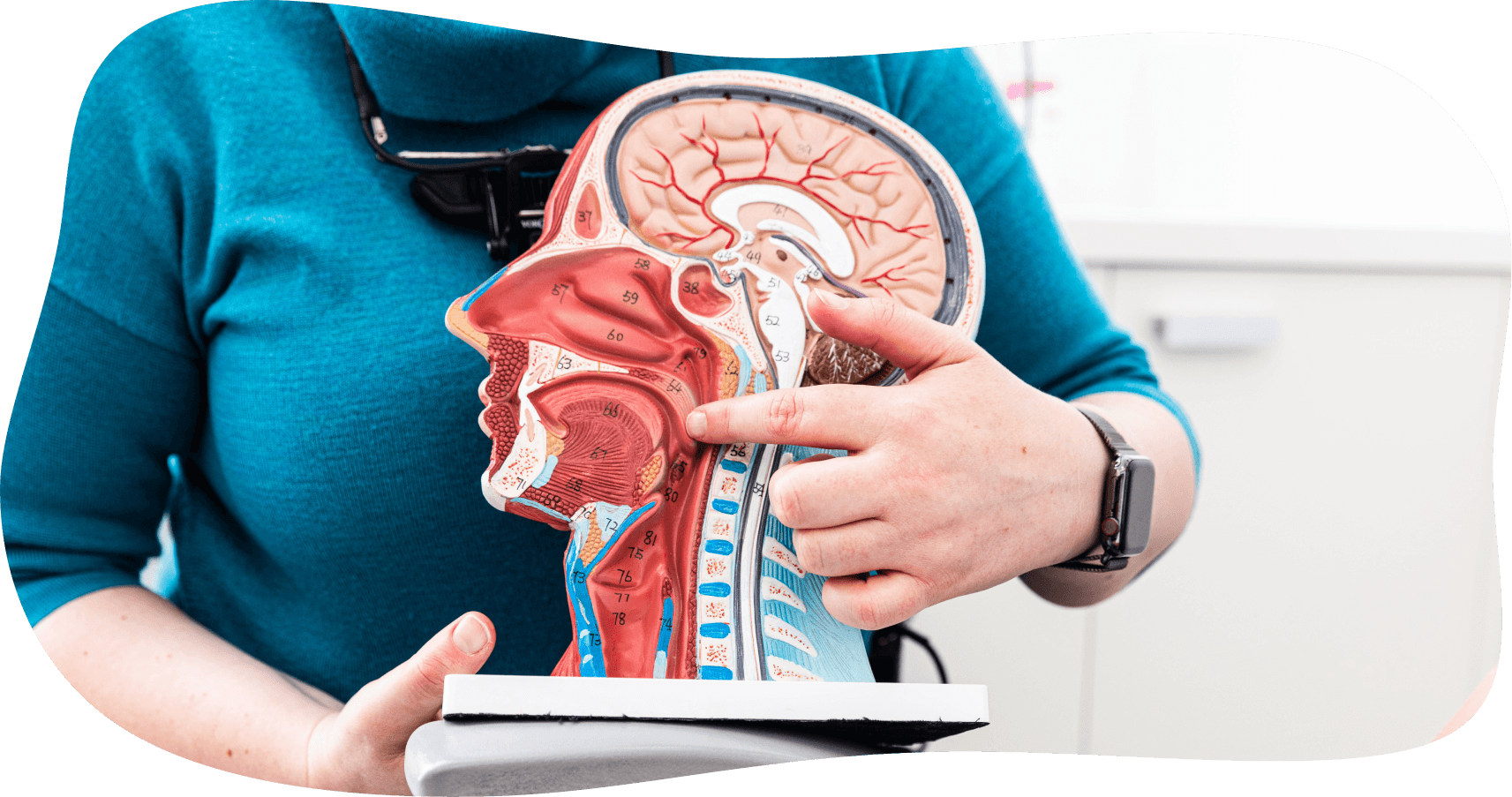
The sound may arise from one or several areas, including:
Snoring is often affected by sleep position, alcohol, body weight and the natural relaxation of the upper airway during sleep.
It is important not to assume that there is one single anatomical cause.
No.
A person may snore without having obstructive sleep apnoea.
Obstructive sleep apnoea occurs when the upper airway repeatedly narrows or closes sufficiently during sleep to interfere with normal breathing. This can cause falls in oxygen levels and repeated disruption of sleep.
Snoring can therefore occur:
The distinction matters because treatment for simple snoring and treatment for obstructive sleep apnoea are not necessarily the same.
Further assessment is particularly important when snoring is associated with symptoms such as:
Assessment may also be appropriate when snoring itself is sufficiently troublesome to affect sleep or relationships and a patient would like to understand what treatment options are available.
Assessment begins with the clinical history.
Dr Crawford will usually ask about:
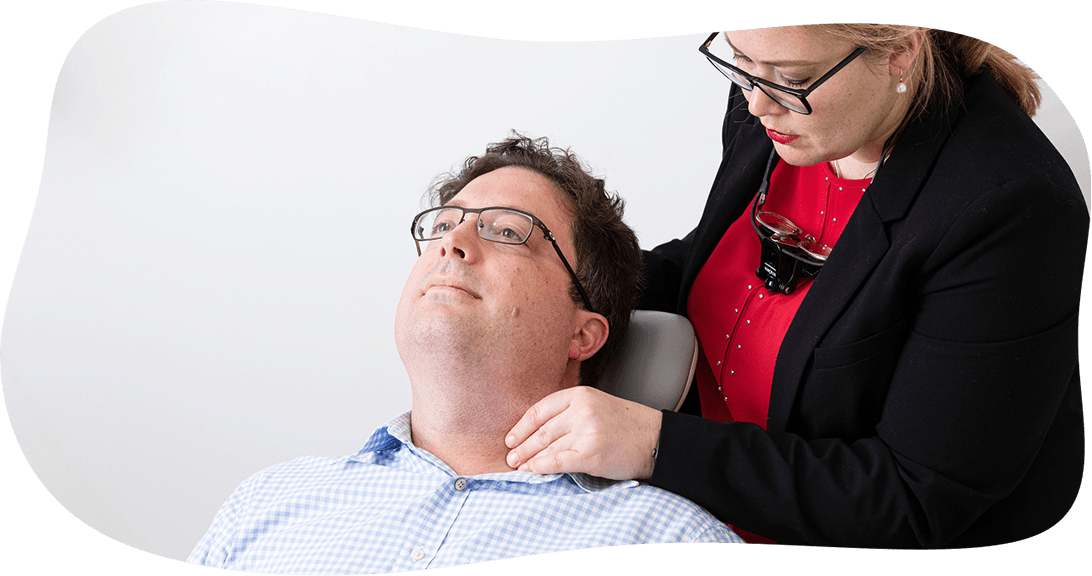
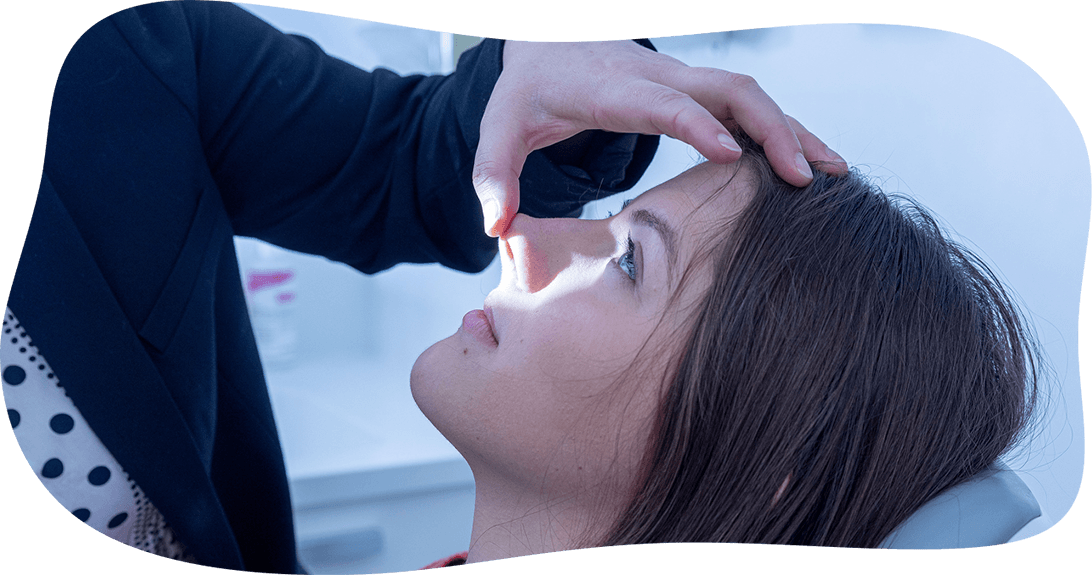
Examination usually includes the nose, mouth, tonsils, palate and throat.
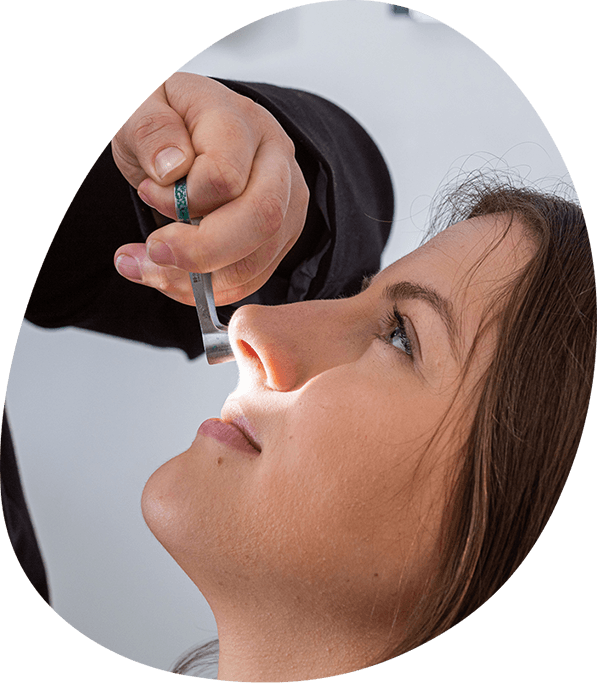
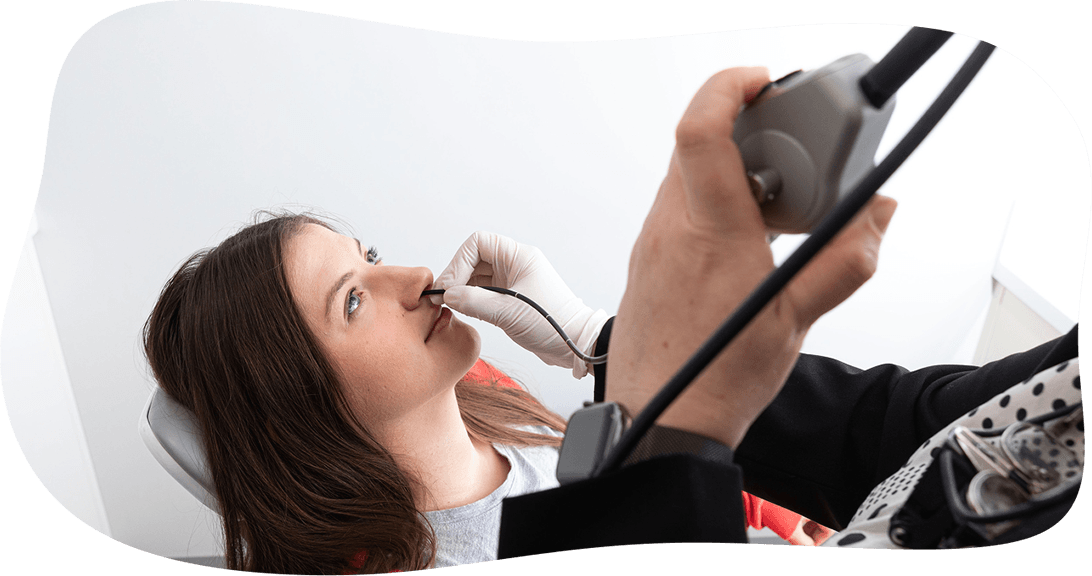
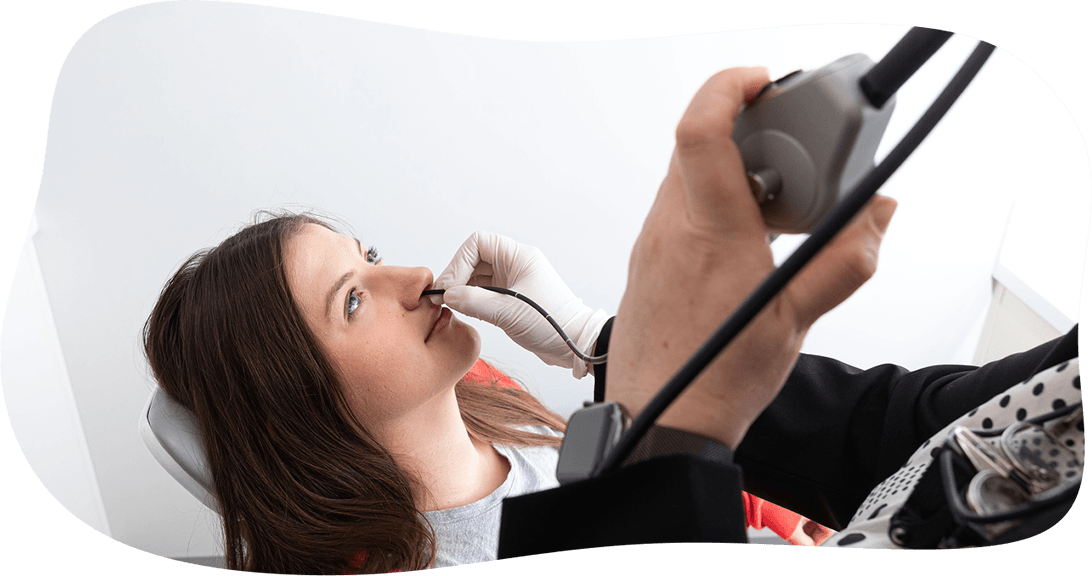
Flexible nasendoscopy may also be performed to assess the nasal airway, palate, tongue base and other upper-airway structures while awake.
These findings provide useful anatomical information, but they cannot reproduce exactly what happens to the airway during natural sleep.
For that reason, treatment planning is based on the combination of symptoms, sleep-study findings, examination, nasendoscopy and the response to previous treatments rather than relying on one test to identify a single site of collapse.

A sleep study is required when obstructive sleep apnoea is suspected or needs to be excluded.
Snoring by itself does not establish whether sleep apnoea is present.
A sleep study provides information about:
If you have already had a sleep study, please provide the complete report before your consultation.
If further testing is required, Dr Crawford can advise on the appropriate next step.
Surgery is not necessarily the first treatment for snoring.
Treatment depends on the contributing factors and whether obstructive sleep apnoea is also present.
Options may include:
Excess weight can contribute to narrowing of the upper airway in some patients.
Where relevant, weight reduction can improve both snoring and obstructive sleep apnoea.
Alcohol relaxes the muscles of the upper airway and can make snoring and sleep apnoea worse, particularly when consumed close to bedtime.
Some people snore predominantly when lying on their back.
Strategies that encourage side sleeping may help when the problem is strongly positional.
Allergic rhinitis, enlarged turbinates or a deviated septum may contribute to nasal obstruction and mouth breathing.
Medical treatment of rhinitis or, in appropriate patients, nasal surgery may improve nasal breathing.
A mandibular advancement device holds the lower jaw forward during sleep and can be effective for snoring and some cases of obstructive sleep apnoea.
These devices are generally fitted by a dentist with appropriate experience in dental sleep medicine.
Where snoring occurs as part of obstructive sleep apnoea, CPAP remains a highly effective treatment when it is tolerated and used consistently.
Surgery may be considered when:
Surgery is most useful when there is a reasonable anatomical target.
It is important to understand that snoring can arise from several levels of the airway and no operation can guarantee that snoring will disappear completely.
Nasal obstruction may contribute to mouth breathing and can make snoring worse in some patients.
Where there is significant structural nasal obstruction, treatment may include:
The principal aim of nasal surgery is to improve nasal breathing.
It may improve snoring in some patients and may make CPAP or a mandibular advancement device easier to tolerate, but nasal surgery alone does not reliably treat obstructive sleep apnoea.
For some patients, enlarged tonsils or obstruction at the level of the soft palate and lateral throat walls are important contributors.
Depending on the anatomy, surgery may include:
The aim is to improve the size and stability of the airway at the relevant level.
These operations involve a significant throat recovery and commonly require approximately two weeks away from work.
The tongue base is an important site of obstruction in some patients with obstructive sleep apnoea.
Surgery at this level may include treatment of enlarged lingual tonsils or other selected tongue-base procedures.
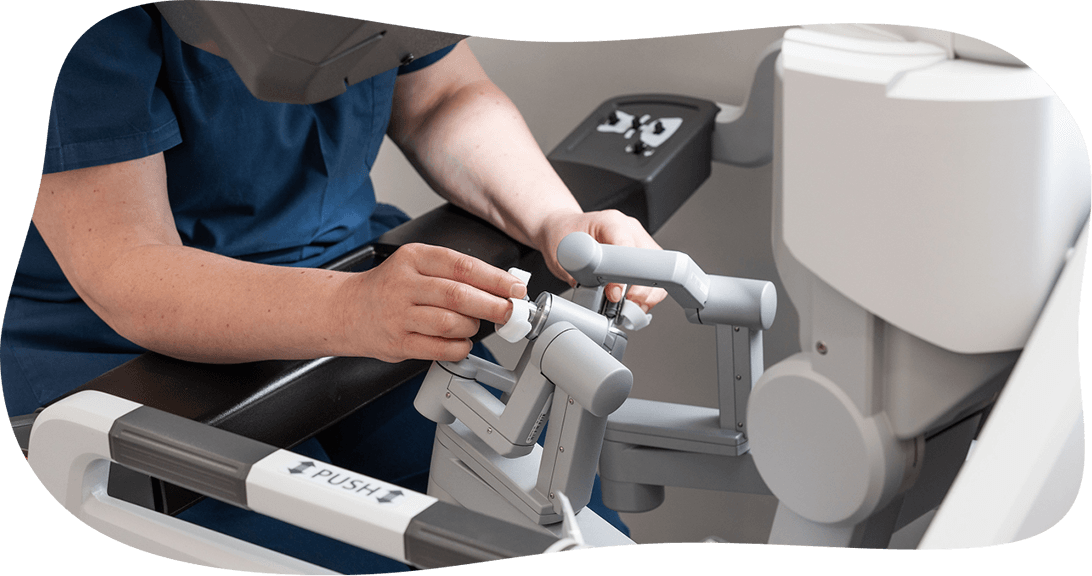
Transoral Robotic Surgery (TORS) has a limited role in sleep apnoea surgery.
Dr Crawford has dedicated fellowship training in TORS, but robotic surgery is not a routine treatment for snoring and is not required for most patients with obstructive sleep apnoea.
It may be considered in carefully selected patients where significant tongue-base or lingual tonsil obstruction is thought to be an important part of the problem.
Most patients undergoing surgery for snoring or obstructive sleep apnoea do not require robotic surgery.
The aim of surgery is to achieve a meaningful improvement in upper-airway obstruction and symptoms.
Results vary according to:
For patients with obstructive sleep apnoea, improvement in symptoms alone is not enough to determine whether the condition has been adequately treated.
A repeat sleep study is often appropriate after recovery to assess the objective result.
Some patients may continue to require CPAP, a mandibular advancement device or other treatment after surgery.
Dr Crawford sees patients with snoring and obstructive sleep apnoea at Sydney ENT Clinic in Darlinghurst and Kogarah.
Please complete your patient registration and provide any previous sleep studies, specialist correspondence and details of treatments you have already tried before the consultation.
This allows Dr Crawford and her team to review the available information and determine whether any further investigation would be useful before your appointment.

Our team can assist with appointment enquiries and help arrange a consultation with Dr Julia Crawford at one of her three Sydney consulting locations:
Dr Crawford consults for head and neck conditions, head and neck cancer, thyroid and salivary gland disease, obstructive sleep apnoea, paediatric ENT and a range of general ENT conditions.
Her team can assist with arranging an appointment at Sydney ENT Clinic in Darlinghurst or Kogarah, or Chris O'Brien Lifehouse, and will help ensure the appropriate referral, imaging, test results and other relevant information are available before your consultation.