Ear Infections, Glue Ear & Grommets

Why Are Ear Infections So Common in Young Children?

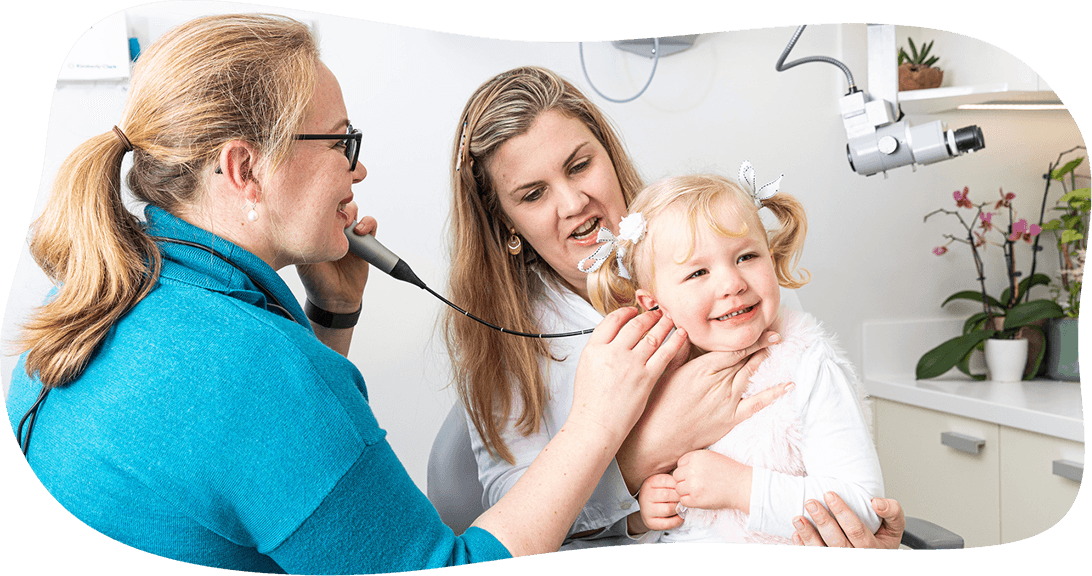
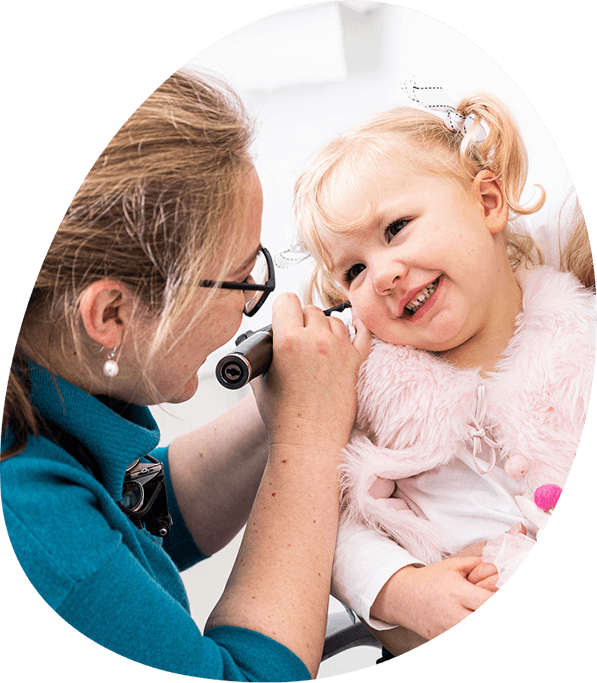
Ear infections and middle-ear fluid are particularly common in younger children.

The middle ear is connected to the back of the nose by the Eustachian tube. In young children this tube is less efficient than in adults, which makes middle-ear fluid more common.

Persistent middle-ear fluid is often called glue ear.

What’s On This Page

What is glue ear?

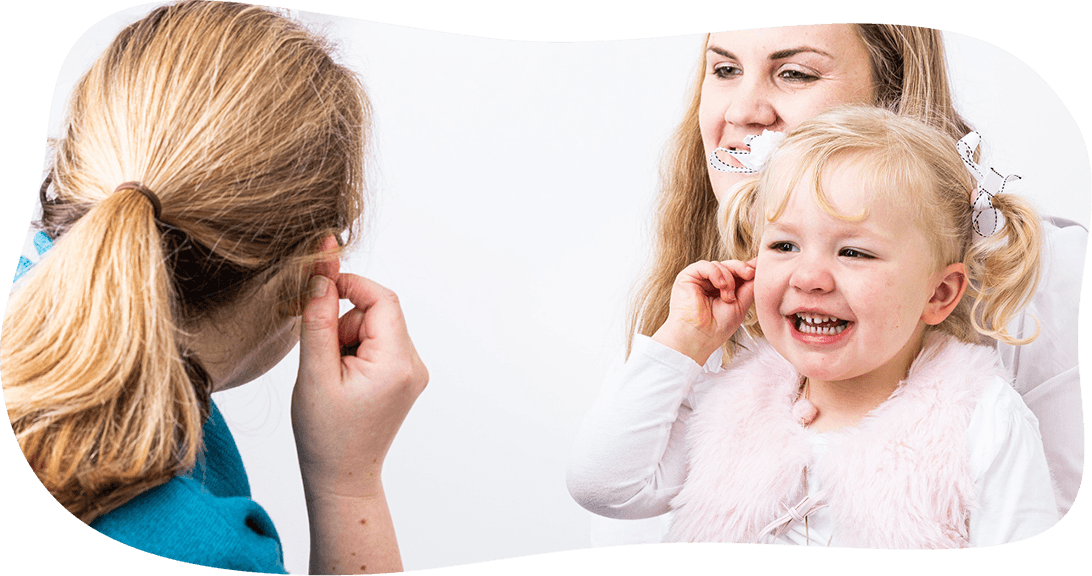
Glue ear occurs when fluid remains behind the eardrum.


It can cause a temporary conductive hearing loss.


In some children this can affect:
  • speech and language development
  • attention
  • behaviour
  • learning
  • communication at home or school
Many episodes resolve naturally.

Further assessment may be appropriate when the fluid or associated hearing loss persists.

Recurrent ear infections

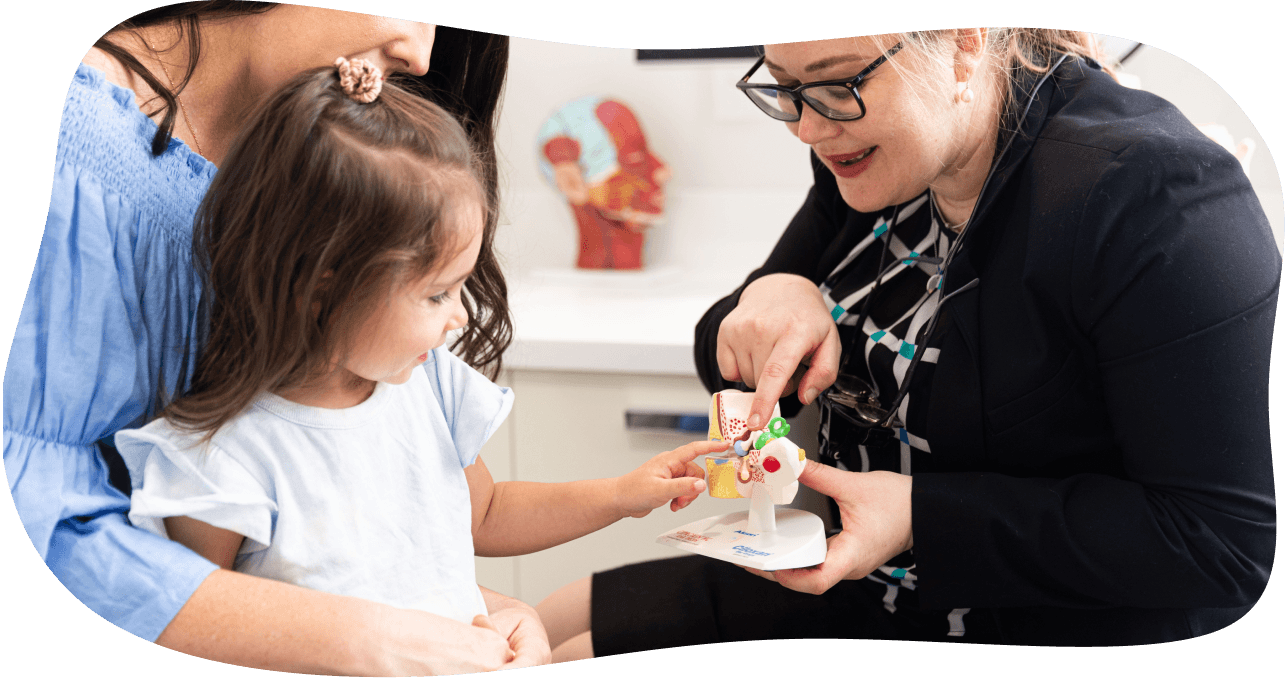
Some children experience repeated middle-ear infections.


The decision about whether further treatment is required depends on:
  • frequency of infections
  • severity
  • response to treatment
  • hearing
  • presence of persistent middle-ear fluid
  • age and development
Not every child with recurrent ear infections requires grommets.

Hearing tests

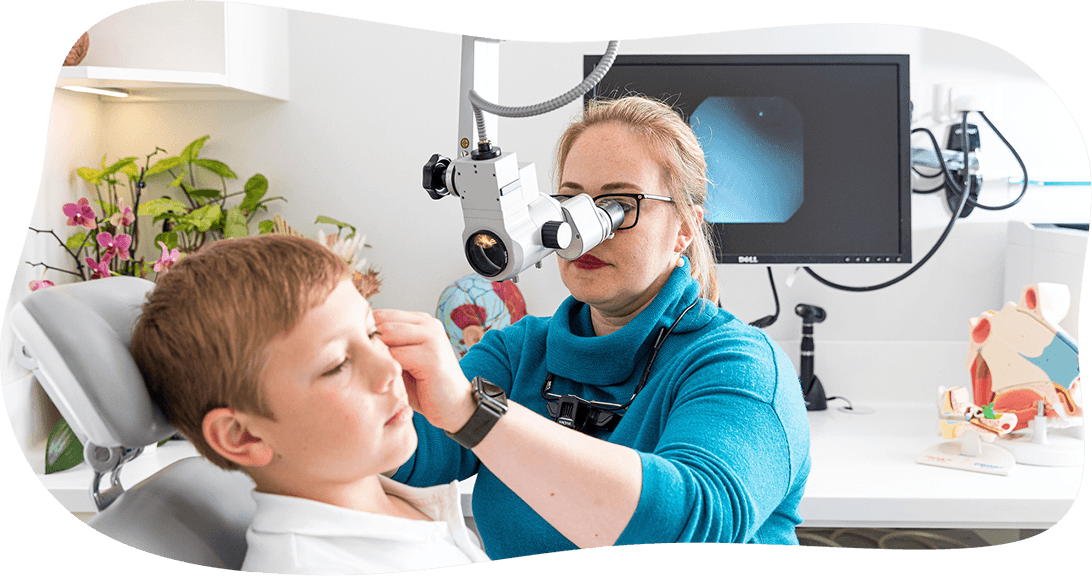
A hearing test is often an important part of the assessment of:
  • glue ear
  • recurrent ear infections
  • suspected hearing loss
If your child has already had a hearing test, please upload the result before the appointment.

Dr Crawford may recommend an updated test before deciding whether grommets are appropriate.

Where useful, her team can help arrange audiology before the consultation.

What are grommets?

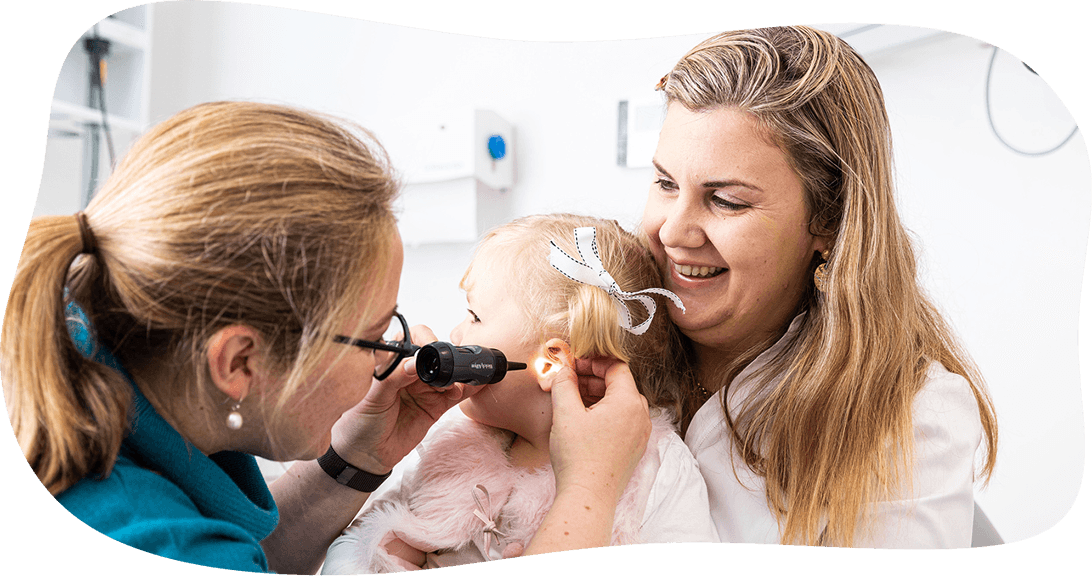
Grommets are very small ventilation tubes inserted through the eardrum.


They allow air to enter the middle ear.


They may help:
  • persistent glue ear
  • hearing loss caused by middle-ear fluid
  • recurrent middle-ear infections in appropriately selected children
Grommets are not required for every child with ear infections or glue ear.

When are grommets considered?

The decision may depend on:

  • how long the fluid has been present
  • the child's hearing
  • frequency and severity of infections
  • speech or language concerns
  • examination findings
  • age and development

What does grommet surgery involve?

Grommet insertion is performed under a short general anaesthetic in children and is usually a day procedure.


Most grommets remain in place for approximately 6–18 months and then fall out naturally.


The eardrum usually heals after the grommet has come out.

What is recovery like?

Recovery after grommet insertion alone is usually quick.


Most children experience little discomfort and can return to school or childcare after a few days.


A small amount of clear or blood-stained fluid from the ear immediately after surgery is common.


Dr Crawford asks children not to swim for approximately two weeks.


After this, routine ear plugs are not generally required for swimming.


Children with grommets require ongoing review of their hearing and ears until the grommets have fallen out.

Frequently Asked Questions

Many children have fewer ear infections as their ear anatomy changes with age. If infections are frequent, middle ear fluid persists or hearing is affected, assessment can help determine whether monitoring or further treatment is appropriate.

Insertion is performed under general anaesthesia, so there is no pain during the procedure itself. Most children experience little discomfort afterwards.

Dr Crawford's ear work is primarily within her paediatric ENT practice. She does not routinely manage complex adult ear or hearing disorders.

Dr Crawford asks children to avoid swimming for four weeks after grommet insertion. After this, they can generally return to swimming unless they have an active ear infection or have been given different advice for their individual circumstances. Routine ear plugs are not usually required.

Glue ear can be present without pain or fever. Hearing difficulty may be the main sign. Examination of the ears and, where appropriate, a hearing test can help determine whether middle ear fluid is present and whether hearing has been affected.

A valid referral from your GP or another medical specialist is required to claim Medicare rebates.

Book a Paediatric Consultation

Dr Crawford sees children with ear infections, glue ear and related conditions at Sydney ENT Clinic in Darlinghurst and Kogarah.

If your child has previous hearing tests, please provide these before the appointment where possible. A valid referral from your GP or another medical specialist is required to claim Medicare rebates.

Get in Touch

Our team can assist with appointment enquiries and help arrange a consultation with Dr Julia Crawford at one of her three Sydney consulting locations:

Sydney ENT Clinic, Darlinghurst

Ground Floor, 67 Burton Street, Darlinghurst NSW 2010

Sydney ENT Clinic,
Kogarah

Suite 5, Level 2, 19 Kensington Street, Kogarah NSW 2217

Chris O'Brien Lifehouse

119-143 Missenden Road, Camperdown NSW 2050

Book Your Consultation

Dr Crawford consults for head and neck conditions, head and neck cancer, thyroid and salivary gland disease, obstructive sleep apnoea, paediatric ENT and a range of general ENT conditions.

Her team can assist with arranging an appointment at Sydney ENT Clinic in Darlinghurst or Kogarah, or Chris O'Brien Lifehouse, and will help ensure the appropriate referral, imaging, test results and other relevant information are available before your consultation.

©2026 Dr. Julia Crawford. All rights reserved.