Head and Neck Cancer Surgery Sydney

Specialist assessment and surgical treatment of head and neck cancer

Head and neck cancer includes a diverse group of cancers involving the mouth, throat, voice box, salivary glands, nasal cavity and sinuses, as well as cancers that present as lymph nodes in the neck.

The appropriate treatment depends on where the cancer has started, its stage and type, as well as the individual patient.

Treatment may involve surgery, radiation therapy, systemic treatment such as chemotherapy or immunotherapy, or a combination of these approaches.

Dr Julia Crawford is an ENT and Head & Neck Surgeon with advanced fellowship training in head and neck cancer surgery and Transoral Robotic Surgery (TORS). Her practice is focused predominantly on the assessment and surgical management of benign and malignant head and neck disease.

She works as part of multidisciplinary head and neck cancer teams at St Vincent's Hospital and Chris O'Brien Lifehouse.
What’s On This Page

What cancers are included in head and neck cancer

Head and neck cancer is an umbrella term covering cancers arising from several different anatomical areas.
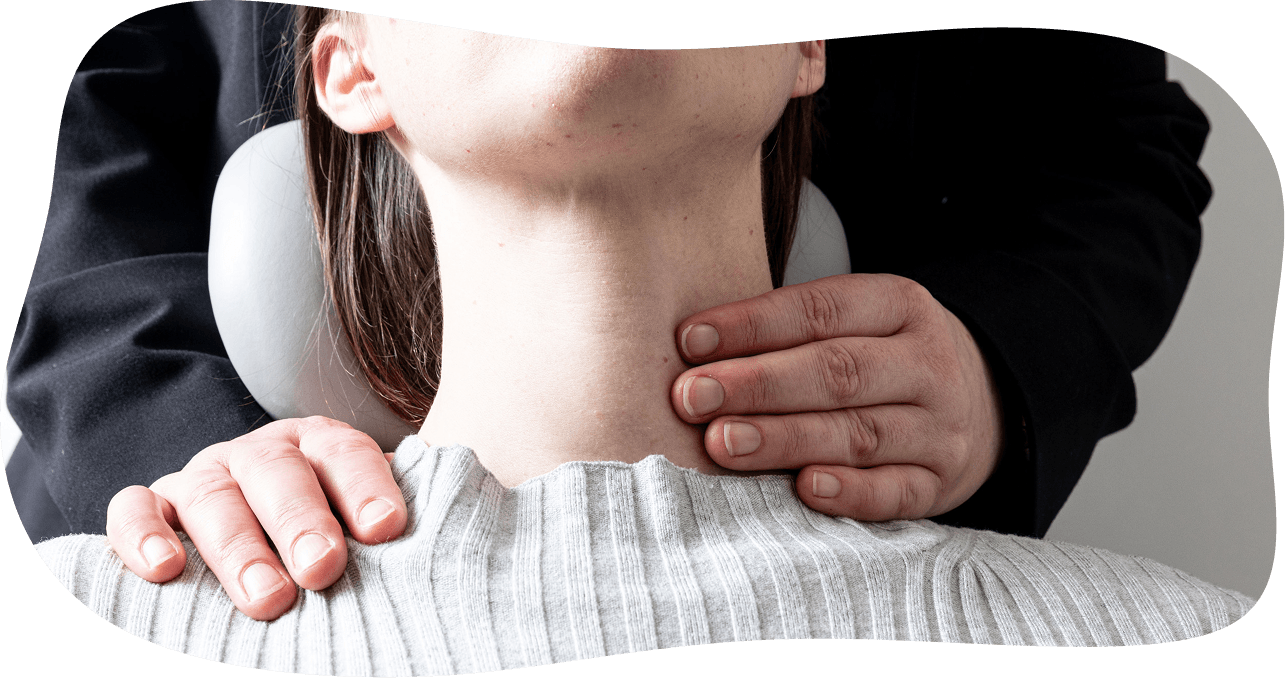
Oral cavity

This includes the lips, tongue, floor of mouth, gums, inside of the cheeks and hard palate.

Oropharynx

The oropharynx includes the tonsils, base of tongue and surrounding throat.

Larynx

The larynx, or voice box, contains the vocal cords and is important for speech, breathing and swallowing.

Hypopharynx

The hypopharynx is the lower part of the throat, behind and beside the larynx.

Nasal cavity and paranasal sinuses

Tumours of the nose and sinuses are relatively uncommon and can require specialised surgical approaches depending on their location and extent.

Salivary glands

Tumours may arise from the major salivary glands, particularly the parotid and submandibular glands, as well as smaller salivary glands throughout the mouth and throat.

Not all salivary gland tumours are cancerous, but they should be appropriately investigated.

Cancer presenting in a lymph node in the neck

Sometimes a head and neck cancer first presents as a lump in the neck before the primary cancer has been identified.

In adults, a persistent neck lump requires appropriate investigation, particularly when there is no clear explanation such as an acute infection.

Symptoms of head and neck cancer

Head and neck cancer can present in many different ways.


Symptoms that warrant assessment include the following.
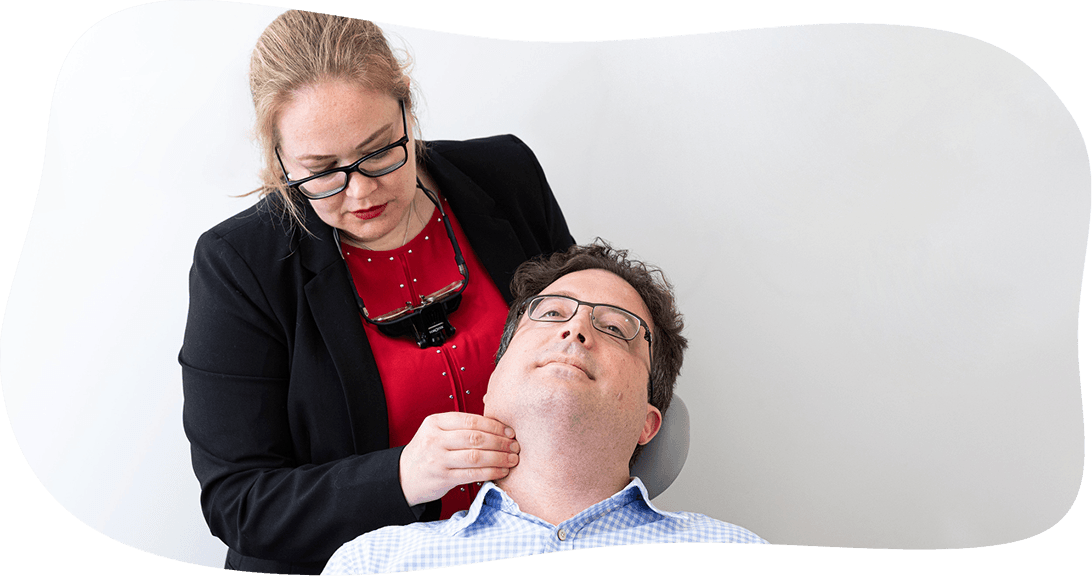
  • a persistent lump in the neck
  • a persistent ulcer or lesion in the mouth
  • ongoing throat discomfort or pain
  • difficulty or pain with swallowing
  • persistent hoarseness or a change in voice
  • unexplained unilateral ear pain
  • coughing or spitting blood
  • an unexplained lump in a salivary gland
  • persistent nasal obstruction or bleeding, particularly if it is one-sided.
Many of these symptoms have causes other than cancer. However, symptoms that persist or are unexplained should be assessed.

HPV-related throat cancer

Human Papillomavirus, particularly HPV-16, is now an important cause of oropharyngeal cancer involving the tonsils and base of tongue.


HPV-related oropharyngeal cancer frequently occurs in patients who do not have the traditional risk factors of heavy smoking or alcohol consumption.


It may first present as a painless lump in the neck, sometimes with very few throat symptoms.


HPV-related cancers behave differently from many smoking-related head and neck cancers and generally have a more favourable prognosis. Treatment still needs to be tailored carefully to the individual tumour and patient.

How is head and neck cancer diagnosed?

The investigation depends on the symptoms and where the suspected abnormality is located."


Then a new sub-heading and text, before the biopsy section:

Clinical examination

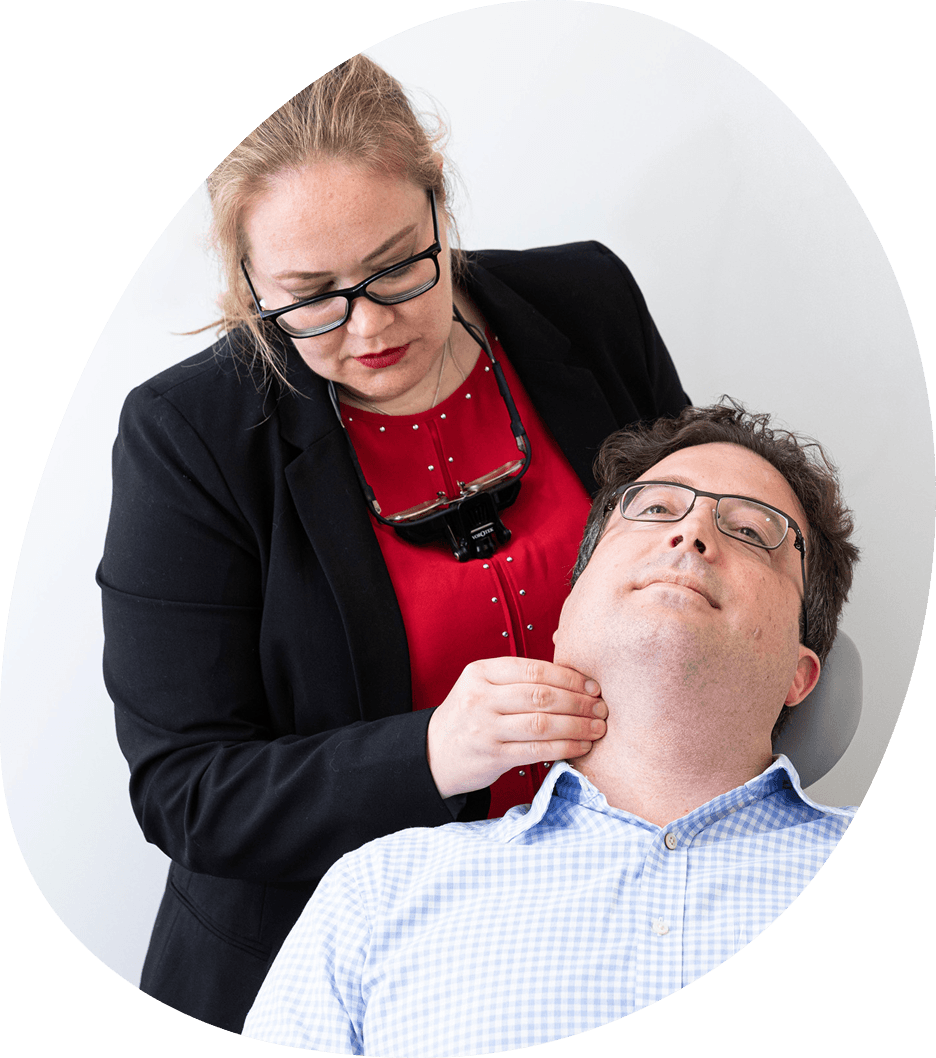
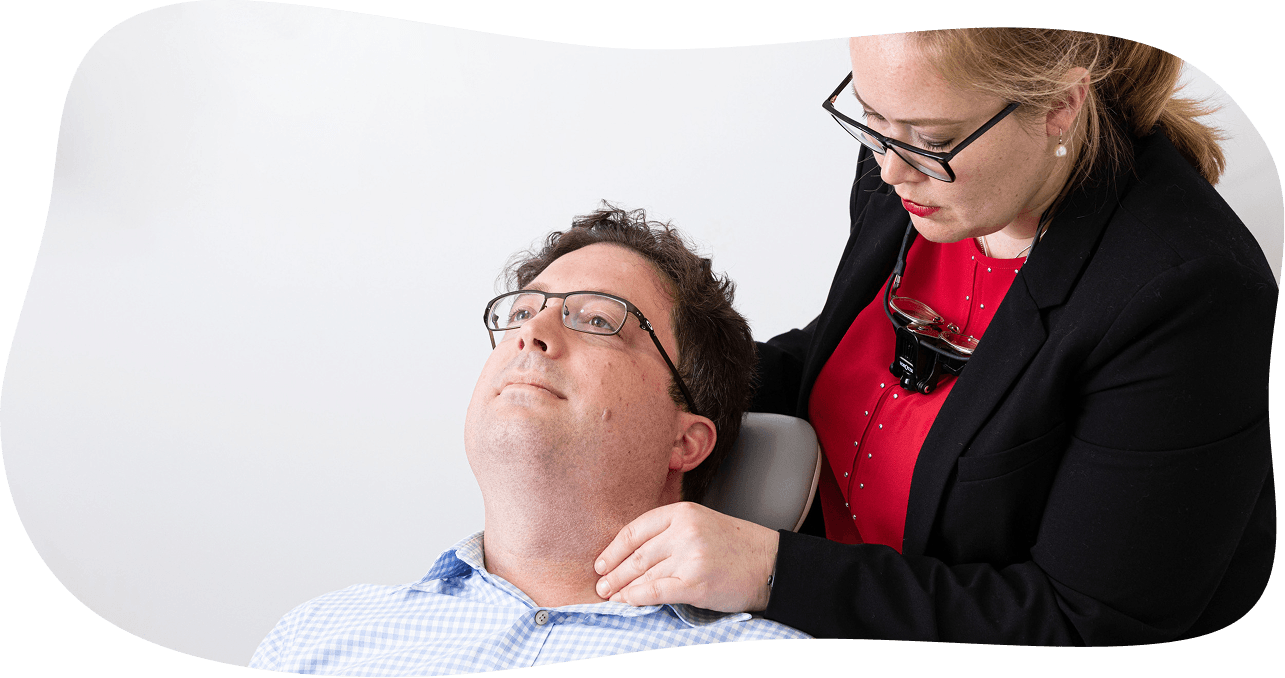
Assessment usually includes examination of the mouth and neck.


Flexible nasendoscopy and laryngoscopy will usually be performed during the consultation to help identify abnormalities within the nose, throat or around the voice box. This involves passing a fine flexible telescope through the nose to examine these areas. Although it can be a little uncomfortable, the examination only takes a few minutes and is an important part of the assessment for a suspected head and neck cancer.

A biopsy is usually required to establish the diagnosis.

For a neck lump, this may involve an ultrasound-guided fine-needle aspiration or core biopsy, which Dr Crawford can arrange. This is usually performed through a radiology practice.

For abnormalities in the mouth, throat or larynx, a biopsy may be performed in the clinic or under general anaesthesia, depending on the location.

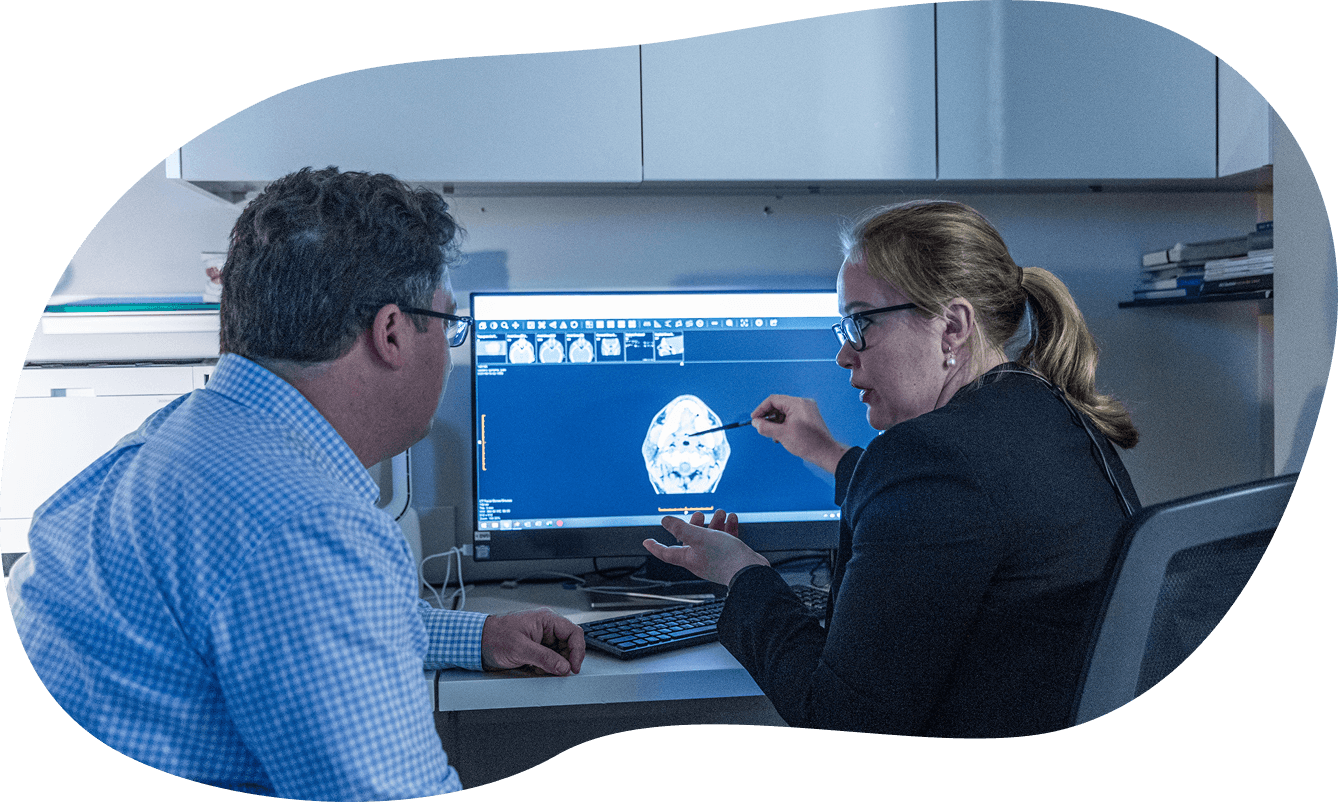
CT, MRI, ultrasound and PET-CT may be used depending on the suspected cancer.

Imaging helps determine the location and extent of the tumour, whether lymph nodes are involved and whether there is evidence of cancer elsewhere.

Not every patient requires every type of scan. Dr Crawford and her team will help arrange the investigations that are appropriate for you and guide you through what can understandably be a stressful time.

Multidisciplinary head and neck cancer care

Head and neck cancer treatment is rarely decided by one doctor alone.


Dr Crawford works across multidisciplinary head and neck cancer teams at St Vincent's Hospital and Chris O'Brien Lifehouse.


These meetings bring together head and neck surgeons, radiation oncologists, medical oncologists, radiologists, pathologists, speech pathologists, dietitians, specialist nurses and other clinicians involved in head and neck cancer care.


The purpose of the multidisciplinary team is to review the diagnosis and staging and consider the available treatment options before recommending an individual treatment plan.


For some cancers, surgery is the preferred treatment. For others, radiation therapy or chemoradiotherapy may be more appropriate. In some circumstances there may be more than one reasonable treatment option.


The aim is to recommend the treatment that offers the best balance between cancer control, function, treatment burden and the individual patient's priorities.
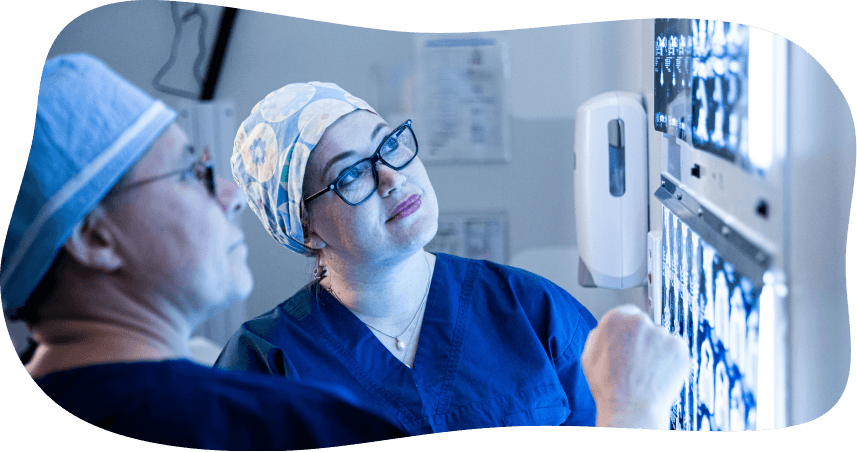
Surgery for head and neck cancer

Surgery varies considerably depending on the site and extent of the cancer.


It may include the following.

  • removal of a tumour from the mouth or throat
  • tonsil or tongue-base surgery
  • neck dissection to remove affected lymph nodes
  • salivary gland surgery
  • thyroid surgery where appropriate
  • surgery involving the larynx or other areas of the upper airway
  • transoral robotic surgery for selected tumours.

Transoral Robotic Surgery (TORS)

Dr Crawford completed advanced fellowship training in Transoral Robotic Surgery and is one of a relatively small number of Australian head and neck surgeons with specific fellowship training in this technique.


TORS allows selected tumours of the oropharynx, particularly the tonsil and base of tongue, to be approached through the mouth using a robotic surgical system.


The system provides three-dimensional visualisation and allows the surgeon to work within areas of the throat that can otherwise be difficult to access.


TORS avoids an external incision for removal of the primary throat tumour, although many patients will also require a neck dissection, which involves an incision on the outside of the neck.


Robotic surgery is not appropriate for every throat cancer. The suitability of TORS depends on the location and size of the tumour, its relationship to surrounding structures, whether lymph nodes are involved and the likely need for additional treatment after surgery.


The decision to recommend TORS should therefore be made as part of the overall cancer treatment plan rather than simply on the basis that a tumour is technically accessible robotically.

Surgery and other cancer treatments

Surgery is only one component of head and neck cancer treatment.


Depending on the cancer, treatment may include one or more of the following.

  • surgery alone
  • radiation therapy alone
  • surgery followed by radiation therapy
  • surgery followed by chemoradiotherapy
  • primary chemoradiotherapy
  • systemic treatments such as chemotherapy, immunotherapy or targeted therapies in selected circumstances.
The appropriate treatment varies considerably between different head and neck cancers.
This is why multidisciplinary assessment is particularly important.

Speech, swallowing and nutrition

Treatment for head and neck cancer can affect swallowing, speech, voice and nutrition.


Speech pathologists and dietitians are therefore important members of the head and neck cancer team.


Some patients require assessment and support before treatment begins, while others require rehabilitation during or after treatment.


The type and degree of support required depends on the cancer and the treatment being undertaken.
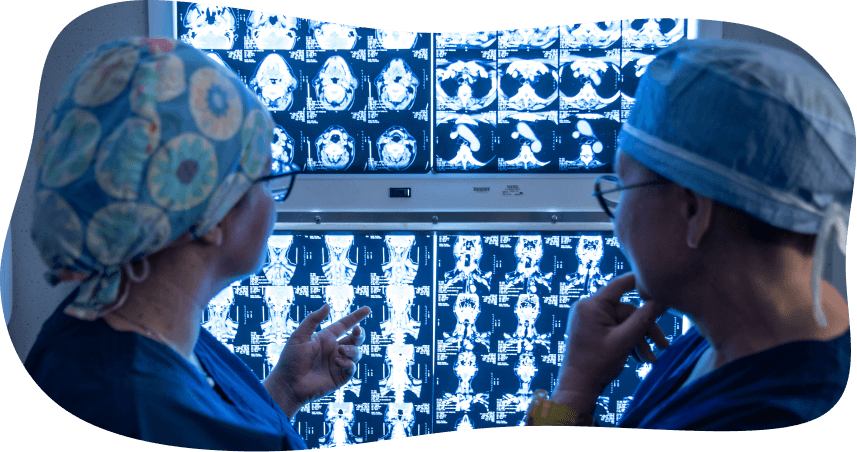
Reconstruction after head and neck cancer surgery

Some head and neck cancer operations result in a defect that requires reconstruction.


Depending on the size and location of the defect, reconstruction may range from relatively simple techniques to complex microvascular free-flap reconstruction.


Where complex reconstruction is required, Dr Crawford works with appropriately trained reconstructive surgeons as part of the multidisciplinary surgical team.


The aim is not simply to remove the cancer, but to achieve the best possible functional outcome while maintaining appropriate cancer control.

What happens after surgery?

Recovery varies considerably depending on the operation.


A relatively small salivary gland procedure, for example, has a very different recovery from major oral cancer surgery or TORS.


Before surgery, Dr Crawford will discuss the following.

  • the expected hospital stay
  • pain management
  • eating and swallowing after surgery
  • wound care
  • time away from work
  • activity and travel restrictions
  • whether speech pathology or dietetic support may be required
  • whether additional cancer treatment is likely to be considered
Final pathology is reviewed after surgery and, where appropriate, discussed again at the multidisciplinary meeting.
The pathology results help determine whether any further treatment, such as radiation therapy or chemoradiotherapy, is recommended.

Consultation with Dr Julia Crawford

Patients with suspected or confirmed head and neck cancer can be seen at Sydney ENT Clinic in Darlinghurst or Kogarah, or through Chris O'Brien Lifehouse.


If you already have imaging, biopsy results, pathology reports or previous correspondence, providing these before your appointment allows Dr Crawford to review the available information in advance.


Additional imaging or biopsy may sometimes be arranged before or after your consultation depending on what has already been performed.


The aim is to obtain the information required to establish the diagnosis and treatment options while minimising unnecessary appointments and delays.

Frequently Asked Questions

No. There are many causes of neck lumps.
However, a persistent or unexplained neck lump in an adult should be investigated, particularly when there is no clear infectious cause or it is associated with other symptoms.

Assessment may involve examination, ultrasound, CT imaging and a needle biopsy depending on the clinical findings. Dr Crawford and her team can help arrange the appropriate investigations for your individual case, sometimes with the assistance of your GP.

Not necessarily.

Some head and neck cancers are best treated surgically, while others may be better treated with radiation therapy or chemoradiotherapy.

There may also be situations where more than one treatment approach is reasonable.

Your diagnosis, staging and treatment options should be considered within a multidisciplinary team wherever possible.

Some patients do and some do not.
The need for postoperative radiation therapy or chemoradiotherapy usually depends on the final pathology, including the size and extent of the tumour, lymph-node involvement, surgical margins and other pathological features.
This is usually discussed once the final pathology results are available.

No.

TORS is useful for selected cancers of the tonsil and base of tongue. Whether it is appropriate depends on the tumour's location, extent and surrounding anatomy, as well as the overall treatment plan.

The fact that a tumour can technically be removed robotically does not necessarily mean that robotic surgery is the best treatment.

It can.

The effect depends on the location of the cancer and the treatment required. Some treatments have relatively little effect, while others can significantly affect swallowing, voice or speech.

Speech pathologists and dietitians are involved when appropriate before, during and after treatment.

Please provide any imaging, biopsy or pathology results, previous specialist correspondence and a current medication list where possible.

It is also very important to tell Dr Crawford and her team about any other significant health problems you have, particularly heart or lung conditions, as these may affect the safety of an anaesthetic or influence treatment planning. Some medications can also increase the risk of bleeding during or after surgery and may need to be adjusted before an operation.

Please do not stop any regular medication unless you have specifically been advised to do so by Dr Crawford or another treating doctor.

Providing this information before your appointment also helps determine whether any additional investigations should be arranged and may reduce the number of separate appointments required.

Concerned about head and neck cancer?

If you have a persistent neck lump, concerning head and neck symptoms or a confirmed diagnosis of head and neck cancer, specialist assessment can help establish the diagnosis and appropriate treatment options.

Appointments are available at Sydney ENT Clinic Darlinghurst and Kogarah and through Chris O'Brien Lifehouse.
Get in Touch

Our team can assist with appointment enquiries and help arrange a consultation with Dr Julia Crawford at one of her three Sydney consulting locations:

Sydney ENT Clinic, Darlinghurst

Ground Floor, 67 Burton Street, Darlinghurst NSW 2010

Sydney ENT Clinic,
Kogarah

Suite 5, Level 2 19 Kensington Street Kogarah NSW 2217

Chris O'Brien Lifehouse

119, 143 Missenden Road, Camperdown NSW 2050

Book Your Consultation

Dr Julia Crawford consults for head and neck conditions, head and neck cancer, thyroid and salivary gland disease, obstructive sleep apnoea, paediatric ENT and selected general ENT problems.

Her team can assist with arranging an appointment at Darlinghurst, Kogarah or Chris O'Brien Lifehouse, and will help ensure the appropriate information and investigations are available before your consultation.

©2026 Dr. Julia Crawford. All rights reserved.