General ENT Sydney

Assessment and treatment of a range of adult ENT conditions

Dr Julia Crawford is an ENT and Head & Neck Surgeon in Sydney. Her principal areas of practice are head and neck surgery, head and neck cancer, Transoral Robotic Surgery (TORS) and surgery for obstructive sleep apnoea.

She also provides care for a range of general adult ENT conditions, including recurrent tonsillitis, tonsil stones, nasal obstruction, deviated nasal septum, enlarged turbinates, allergic rhinitis, recurrent sinus infections, chronic rhinosinusitis and nasal polyps.

Where a condition requires a different ENT subspecialty, such as complex rhinology, adult ear surgery or cosmetic nasal surgery, Dr Crawford will help direct patients to an appropriately trained specialist.

What’s On This Page

Adult recurrent tonsillitis

Recurrent tonsillitis can significantly affect quality of life.


Symptoms may include:
  • repeated severe sore throats
  • fever
  • difficulty swallowing
  • swollen or inflamed tonsils
  • enlarged neck lymph nodes
  • time away from work
  • repeated courses of antibiotics
Not every sore throat is caused by tonsillitis, and not everyone with recurrent throat infections requires surgery.

The decision to consider an adult tonsillectomy depends on how often infections occur, how severe they are, how much they interfere with day-to-day life and whether there are other reasons for removing the tonsils.

Adult tonsillectomy

Tonsillectomy is an operation to remove the palatine tonsils from the back of the throat.


In adults, tonsillectomy may be considered for:
  • recurrent tonsillitis
  • chronic tonsil inflammation
  • recurrent peritonsillar abscess
  • significant tonsil stones
  • obstructive problems related to enlarged tonsils
Adult tonsillectomy can be very effective for appropriately selected patients, but recovery is significant.

Pain is usually substantial for around two weeks and is often worse between approximately Day 5 and Day 10. Swallowing can be uncomfortable and patients need to maintain adequate hydration throughout recovery.

There is also a risk of postoperative bleeding, which can occur for several weeks after surgery.

Dr Crawford will discuss the expected recovery, time away from work, usually approximately two weeks, travel restrictions and the individual risks of surgery before proceeding.

Tonsil stones

Tonsil stones, also called tonsilloliths, form when debris collects within small crypts or pockets in the tonsils.


They may cause:
  • bad breath
  • a sensation of something being caught in the throat
  • visible white or yellow material within the tonsils
  • intermittent throat irritation
  • unpleasant taste
Tonsil stones are common and are not dangerous.

Many patients can manage them conservatively.

For patients with persistent or particularly troublesome tonsil stones, tonsillectomy may occasionally be considered. Because adult tonsillectomy involves a meaningful recovery and risk of bleeding, surgery is generally reserved for patients whose symptoms are significant enough to justify the operation.

Nasal obstruction

A blocked nose can have several causes.


Common causes include:
  • a deviated nasal septum
  • enlarged turbinates
  • allergic or inflammatory rhinitis
  • nasal polyps
  • previous nasal trauma
  • a combination of structural and inflammatory problems
Treatment depends on the underlying cause.

Some patients improve with medical treatment alone. Others have a structural problem that may benefit from surgery.

Nasal obstruction can also make CPAP or a mandibular advancement splint more difficult to tolerate in patients with obstructive sleep apnoea.

Deviated nasal septum

The nasal septum is the wall of cartilage and bone separating the right and left sides of the nose.


If it is significantly deviated, it can narrow one or both nasal passages and contribute to persistent nasal obstruction.


A septoplasty is an operation performed through the nostrils to straighten the internal nasal septum and improve airflow.


Septoplasty is functional nasal surgery and does not intentionally alter the external appearance of the nose.


Patients who require external nasal reconstruction or cosmetic change may require rhinoseptoplasty. Dr Crawford does not perform cosmetic nasal surgery and will refer to an appropriately trained surgeon where this is required.

Enlarged turbinates

The inferior turbinates are normal structures along the side walls of the nose.


They help warm, humidify and filter the air we breathe.


The turbinates may become enlarged because of allergy or chronic inflammation and can contribute significantly to nasal obstruction.


Treatment usually begins with medical management.


If obstruction remains significant despite appropriate treatment, inferior turbinoplasty may be considered.


This operation reduces the volume of the turbinate while aiming to preserve its normal function.
Allergic rhinitis and hay fever

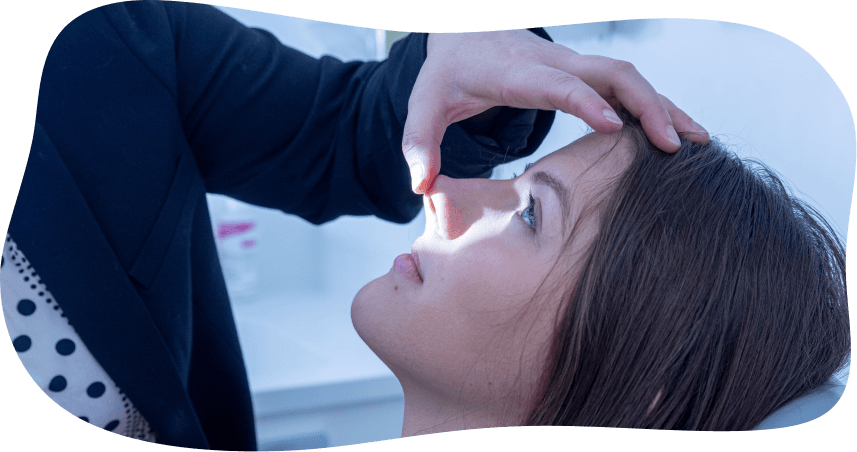
Allergic rhinitis occurs when the immune system reacts to airborne allergens.


Some patients mainly experience:
  • sneezing
  • nasal itching
  • watery nasal discharge
  • itchy or watery eyes
Others predominantly experience nasal congestion and obstruction.

Treatment may include:
  • allergen avoidance where practical
  • saline nasal irrigation
  • nasal corticosteroid sprays
  • combined corticosteroid and antihistamine nasal sprays
  • oral antihistamines for reactive symptoms such as sneezing and itch
Nasal steroid treatment generally needs to be used consistently to work effectively. These treatments reduce the inflammatory response within the nose but do not remove the underlying allergy, so symptoms may return if treatment is stopped.

Surgery does not treat the underlying allergy. However, it may occasionally help where allergy coexists with a significant structural problem such as enlarged turbinates or a deviated nasal septum.

For patients with persistent or significant allergic rhinitis despite appropriate treatment, allergen immunotherapy may be considered.

Unlike medications that control symptoms, immunotherapy aims to modify the underlying allergic response by gradually exposing the immune system to the relevant allergen over time.

There are two main forms of allergen immunotherapy:

Subcutaneous immunotherapy involves regular injections containing small amounts of the relevant allergen.

The dose is gradually increased to help the immune system become less reactive to that allergen.

Because systemic allergic reactions, including anaphylaxis, can occur, these injections need to be administered under appropriate medical supervision.

Sublingual immunotherapy uses allergen tablets or drops placed under the tongue.

After appropriate specialist assessment and commencement of treatment, SLIT is generally continued regularly at home.

Immunotherapy is a long-term treatment and is usually continued for several years. It is not required for every patient with allergic rhinitis and is most useful where a clinically relevant allergen has been identified and symptoms remain troublesome despite appropriate treatment.

Where immunotherapy may be appropriate, Dr Crawford will involve an allergist or clinical immunologist to confirm the relevant allergy and oversee the immunotherapy treatment plan.

Recurrent sinus infections

Some patients experience repeated episodes of acute sinusitis but feel relatively well between infections.


If infections are frequent, severe or difficult to treat, further assessment can help determine whether an underlying anatomical or inflammatory problem is contributing.


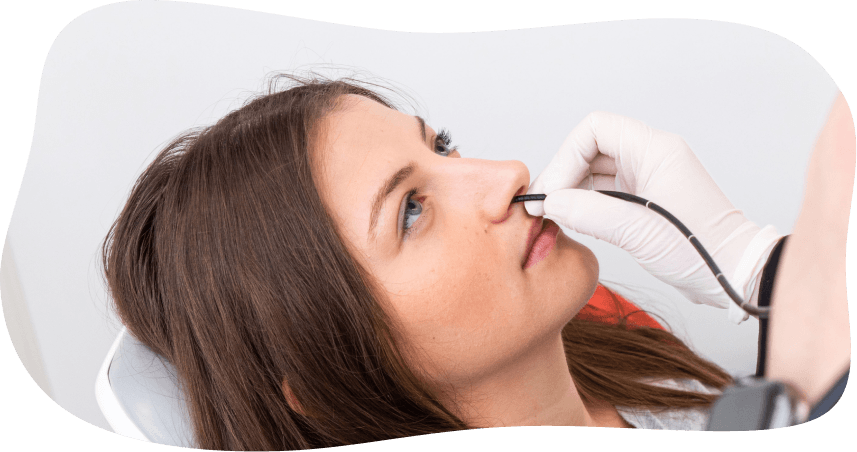
Assessment may include nasal examination, nasal endoscopy and usually CT imaging.

Chronic rhinosinusitis

Chronic rhinosinusitis describes persistent inflammation of the nose and sinuses, usually with symptoms lasting at least 12 weeks.


Symptoms may include:
  • nasal obstruction
  • nasal discharge
  • reduced sense of smell
  • facial pressure
  • recurrent sinus symptoms
Diagnosis is based on both symptoms and objective evidence of inflammation, usually from nasal endoscopy and CT imaging.

Importantly, not all long-standing facial pressure, congestion or headache is caused by sinus disease.

If examination and CT imaging are normal, another diagnosis may need to be considered.

Nasal polyps

Nasal polyps are inflammatory growths that develop within the nose and sinuses.


They may cause:
  • nasal obstruction
  • reduced or absent sense of smell
  • nasal discharge
  • recurrent sinus symptoms
Treatment usually begins with medical therapy.

Some patients require surgery when polyps are extensive or symptoms remain significant despite appropriate treatment.

Patients with severe, recurrent or complex nasal polyposis may be better managed by a rhinology subspecialist. Dr Crawford will direct patients to an appropriate rhinologist if their condition requires that level of subspecialty input.

Septoplasty and turbinate surgery

Septoplasty and inferior turbinoplasty are operations used primarily to improve nasal breathing.


A septoplasty straightens the internal nasal septum.


An inferior turbinoplasty reduces the size of enlarged turbinates while preserving their function.


These procedures may be performed separately, together or, where appropriate, at the same time as sinus surgery.
Functional Endoscopic Sinus Surgery (FESS)

Functional Endoscopic Sinus Surgery, or FESS, is performed through the nostrils using telescopes and specialised instruments.


The aim is to improve drainage and access to affected sinuses while preserving normal structures where possible.


There are usually no external facial incisions.


FESS may be considered when there is objective evidence of sinus disease and appropriate medical treatment has not provided sufficient improvement.


In chronic inflammatory sinus disease, surgery may improve symptoms and make topical treatments more effective, but it does not necessarily cure the underlying inflammatory tendency.

Recovery after nasal or sinus surgery

Recovery depends on the operation performed.


Most patients experience nasal congestion and some blood-stained discharge during the early postoperative period.


Saline rinses are commonly used to help keep the nose clean and assist healing.


Dr Crawford generally recommends approximately two weeks away from work after septoplasty, turbinoplasty or sinus surgery, although this varies according to the procedure and the type of work you do.


Specific advice regarding exercise, flying and postoperative care will be provided according to the procedure performed.

Consultation with Dr Julia Crawford

Dr Crawford sees patients with selected general nasal and sinus conditions at Sydney ENT Clinic in Darlinghurst and Kogarah.


If you have already had sinus CT imaging, allergy testing or previous ENT treatment, please provide this information before your appointment where possible.


Dr Crawford may recommend further investigation or, where the condition is particularly complex, referral to an ENT surgeon with specific rhinology expertise.

Darlinghurst Rooms

Our primary city location for general ENT and robotic surgery consultations.

Kogarah Rooms

Serving patients in the southern suburbs of Sydney.

Chris O'Brien Lifehouse

This location is dedicated specifically to our head and neck cancer patients.

Frequently Asked Questions

Adult tonsillectomy may be considered when recurrent or chronic tonsil problems are significantly affecting quality of life, when there have been recurrent peritonsillar abscesses, or when troublesome tonsil stones or enlarged tonsils are causing ongoing problems.

The decision depends on the pattern and severity of symptoms and the expected benefit compared with the recovery and bleeding risk of surgery.

Yes.

Many tonsil stones can be managed conservatively. Tonsillectomy is usually considered only when tonsil stones are persistent or particularly troublesome and the symptoms are significant enough to justify surgery.

Septoplasty straightens the internal nasal septum to improve breathing and does not intentionally change the external appearance of the nose.

Rhinoseptoplasty also changes or reconstructs the external nasal framework.

Dr Crawford performs septoplasty but does not perform cosmetic nasal surgery.

Functional Endoscopic Sinus Surgery may be considered when there is objective evidence of sinus disease and symptoms remain significant despite appropriate medical treatment.

Surgery is not required for most people with sinus symptoms.

Subcutaneous immunotherapy, or SCIT, uses regular allergen injections given under medical supervision.

Sublingual immunotherapy, or SLIT, uses allergen tablets or drops placed under the tongue and is generally continued at home after specialist assessment and commencement.

Dr Crawford will involve an allergist or clinical immunologist when immunotherapy is being considered.

Consultation with Dr Julia Crawford

Dr Crawford sees adults with a range of general ENT conditions at Sydney ENT Clinic in Darlinghurst and Kogarah.

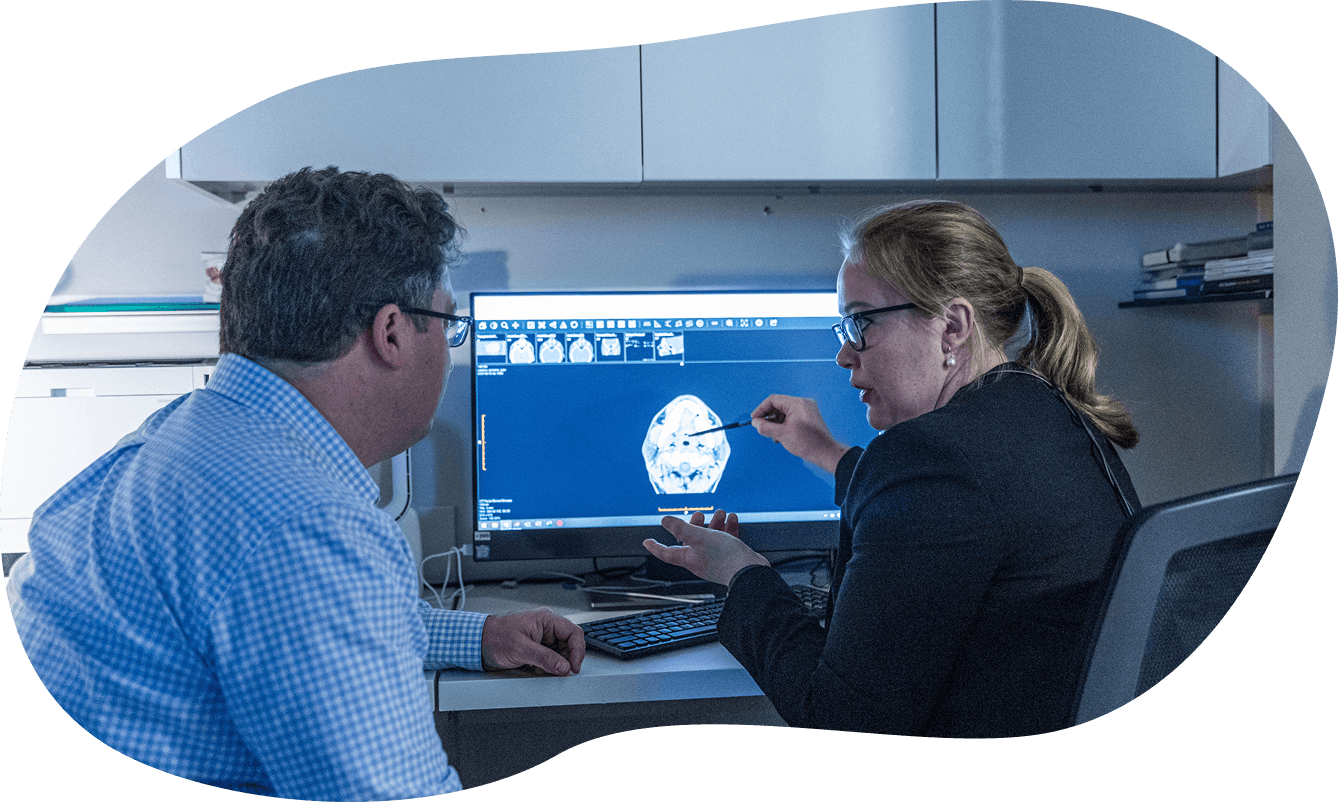
To make the consultation as useful as possible, please complete your patient registration and upload relevant information before your appointment, including:
  • previous ENT correspondence
  • recent imaging
  • allergy testing
  • details of previous ENT surgery
  • information about treatments you have already tried
Providing this information in advance helps Dr Crawford and her team determine whether any investigations would be useful before the consultation and, where possible, minimise unnecessary additional appointments.

Where a condition falls outside Dr Crawford’s current scope of practice or requires another ENT subspecialty, she will recommend an appropriate specialist.

Get in Touch

Our team can assist with appointment enquiries and help arrange a consultation with Dr Julia Crawford at one of her three Sydney consulting locations:

Sydney ENT Clinic, Darlinghurst

Ground Floor, 67 Burton Street, Darlinghurst NSW 2010

Sydney ENT Clinic,
Kogarah

Suite 5, Level 2, 19 Kensington Street, Kogarah NSW 2217

Chris O'Brien Lifehouse

119-143 Missenden Road, Camperdown NSW 2050

Book Your Consultation

Dr Crawford consults for head and neck conditions, head and neck cancer, thyroid and salivary gland disease, obstructive sleep apnoea, paediatric ENT and a range of general ENT conditions.

Her team can assist with arranging an appointment at Sydney ENT Clinic in Darlinghurst or Kogarah, or Chris O'Brien Lifehouse, and will help ensure the appropriate referral, imaging, test results and other relevant information are available before your consultation.

©2026 Dr. Julia Crawford. All rights reserved.