
A head and neck cancer diagnosis usually requires several different pieces of information.
The aim is to determine:
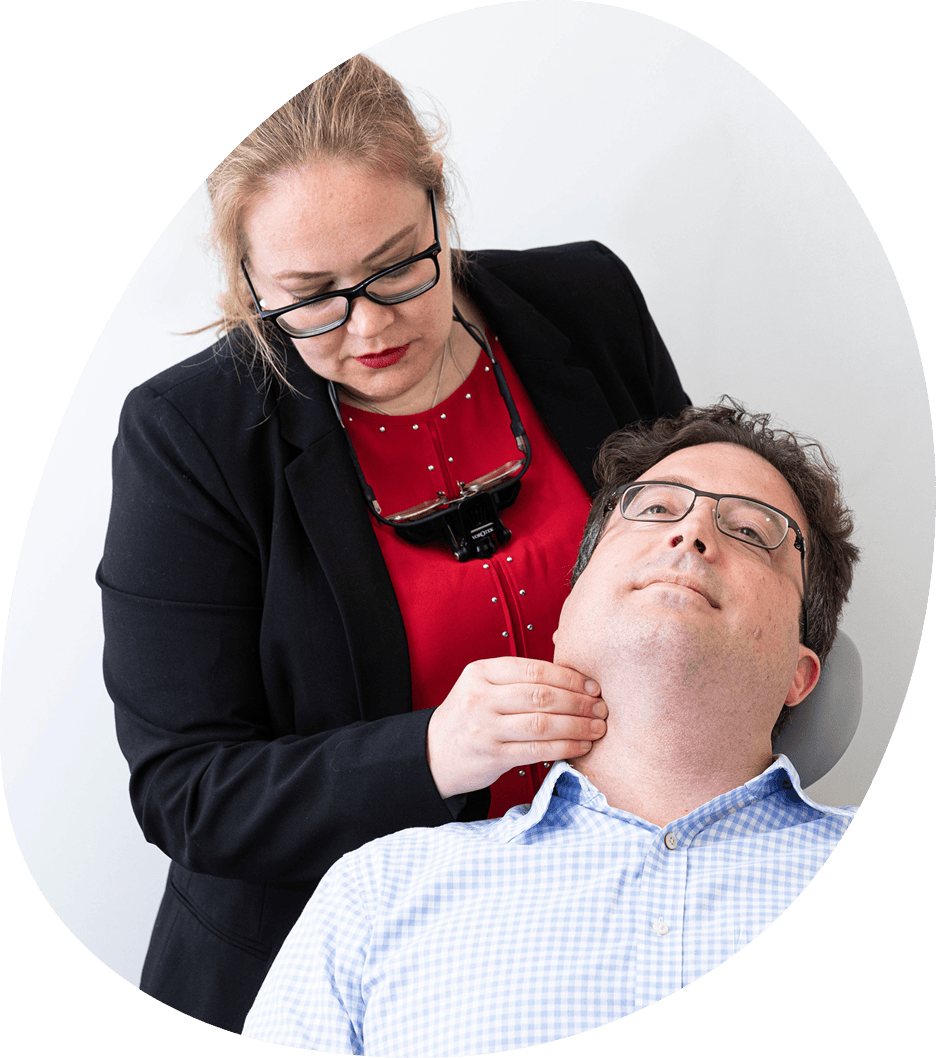
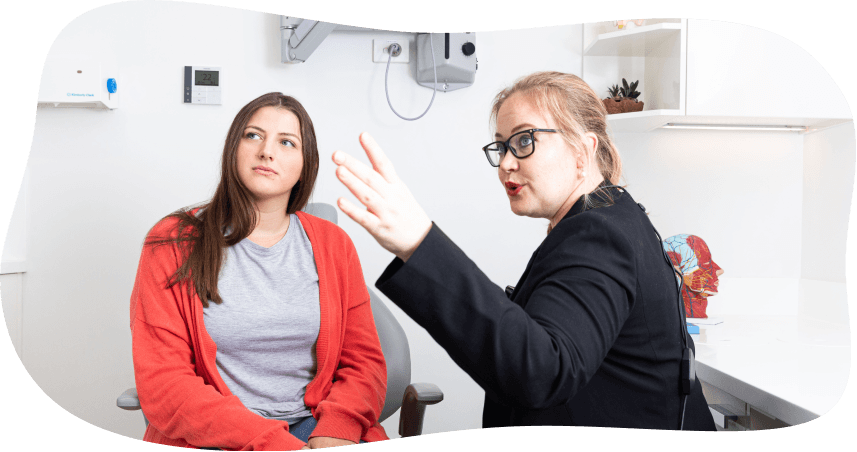
Assessment usually includes examination of the mouth, throat, salivary glands and neck.
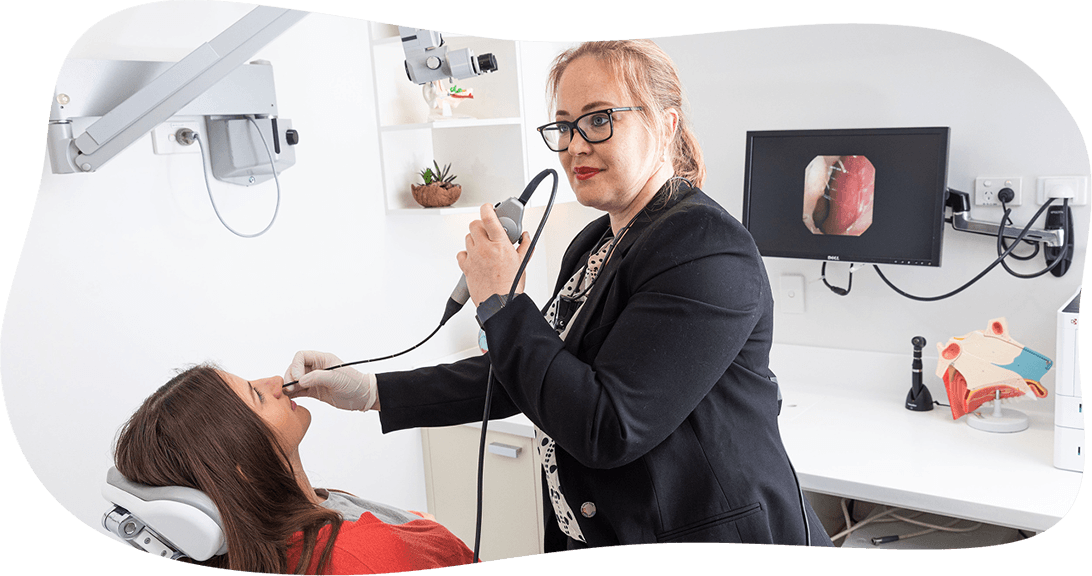
When the area of concern involves the throat or voice box, flexible Nasendoscopy and Laryngoscopy is usually performed.
A fine flexible telescope is passed through the nose and into the throat to examine areas that cannot be adequately seen through the mouth.
The examination generally takes only a few minutes.
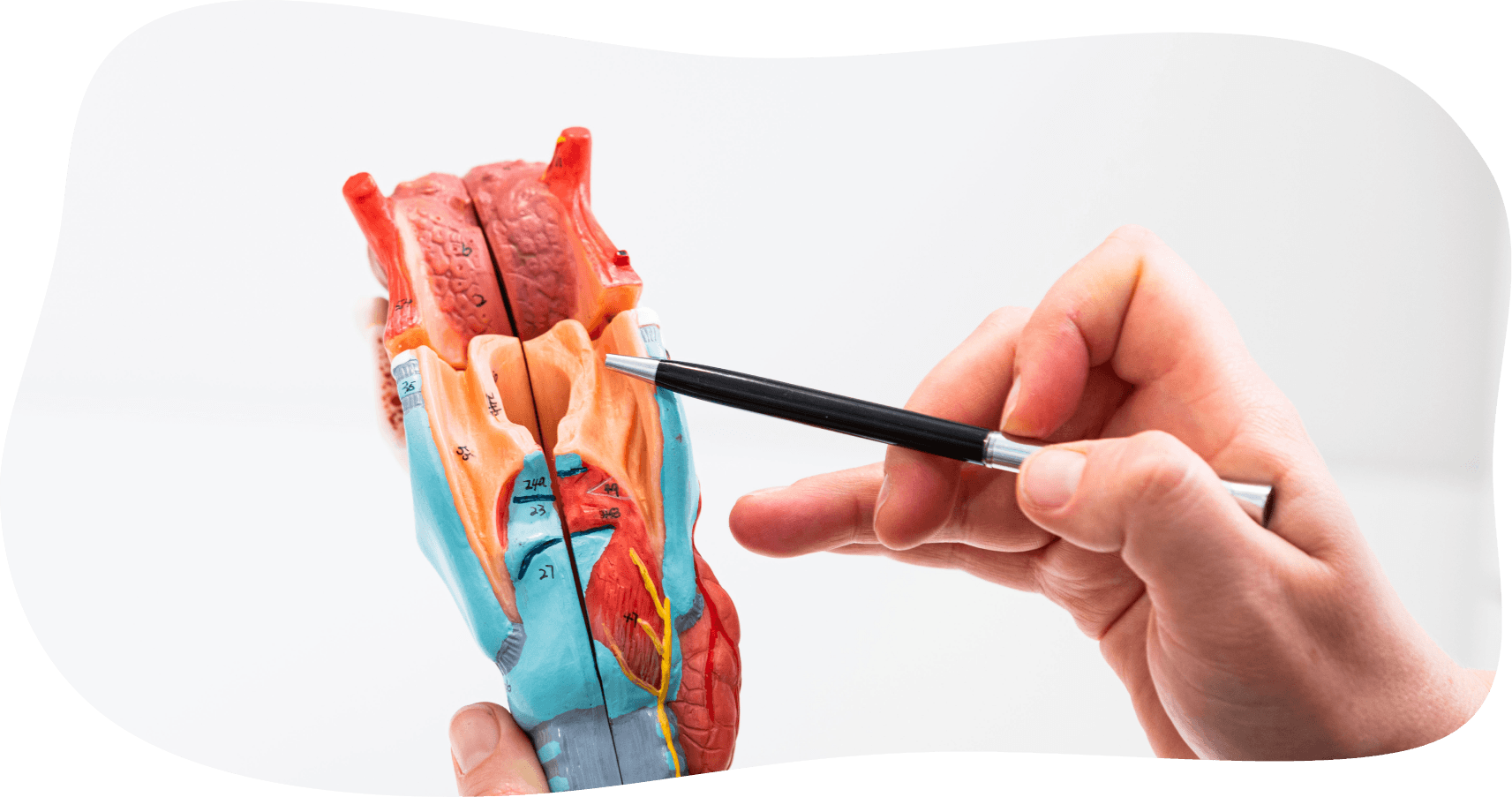
A biopsy is usually required to establish the diagnosis.
Depending on the abnormality, this may involve:
The appropriate biopsy depends on the site and the information required.
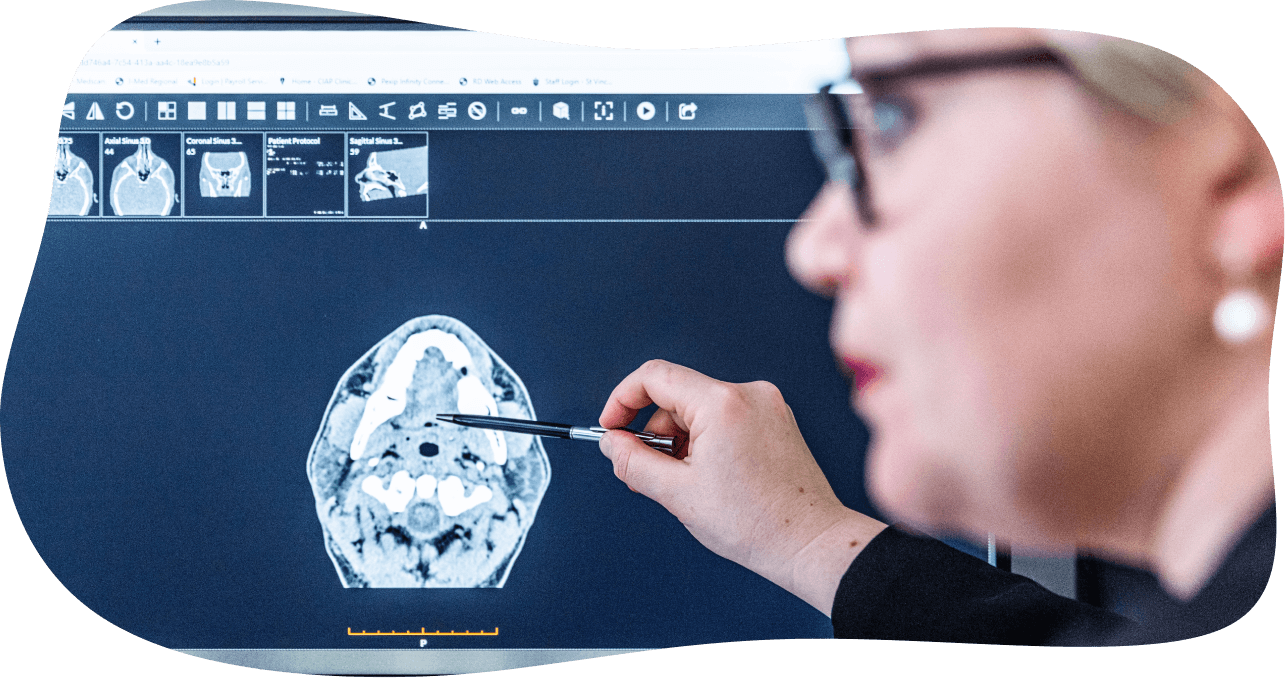
Imaging may include:
Not every patient requires every investigation.
The appropriate scans depend on the suspected cancer and the clinical question being answered.

Staging describes the extent of the cancer.
It takes into account the primary tumour, lymph nodes and, where relevant, whether disease has spread elsewhere.
Accurate staging helps determine which treatment options are appropriate and allows the multidisciplinary team to compare likely outcomes.
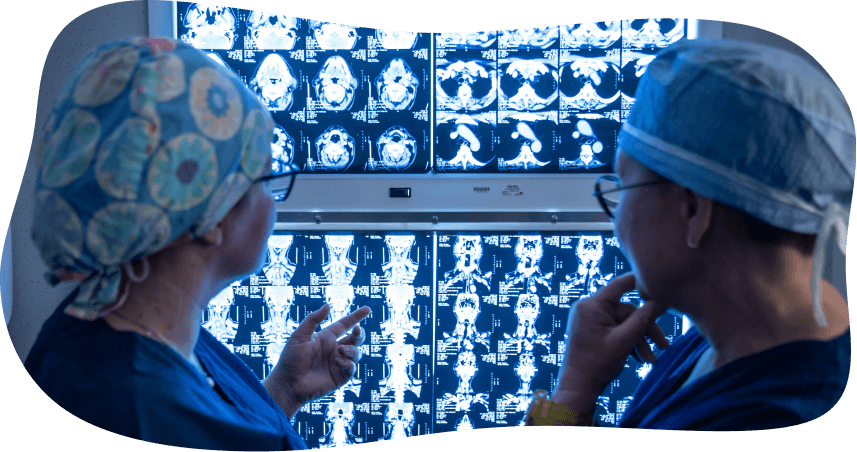
Head and neck cancer treatment is rarely decided by one clinician alone.
Dr Julia Crawford works within multidisciplinary teams at Chris O’Brien Lifehouse and St Vincent’s Hospital.
Depending on the cancer, the team may include:
The diagnosis, pathology, imaging and staging are reviewed together before treatment recommendations are made.
For some cancers, surgery is clearly preferred.
For others, radiation therapy or chemoradiotherapy may provide an equivalent or preferable outcome.
Sometimes there is more than one reasonable approach.
The goal is therefore not simply to choose a treatment that can control the cancer, but to consider:
The diagnosis, pathology, imaging and staging are reviewed together before treatment recommendations are made.
Our team can assist with appointment enquiries and help arrange a consultation with Dr Julia Crawford at one of her three Sydney consulting locations:
Dr Crawford consults for head and neck conditions, head and neck cancer, thyroid and salivary gland disease, obstructive sleep apnoea, paediatric ENT and a range of general ENT conditions.
Her team can assist with arranging an appointment at Sydney ENT Clinic in Darlinghurst or Kogarah, or Chris O'Brien Lifehouse, and will help ensure the appropriate referral, imaging, test results and other relevant information are available before your consultation.