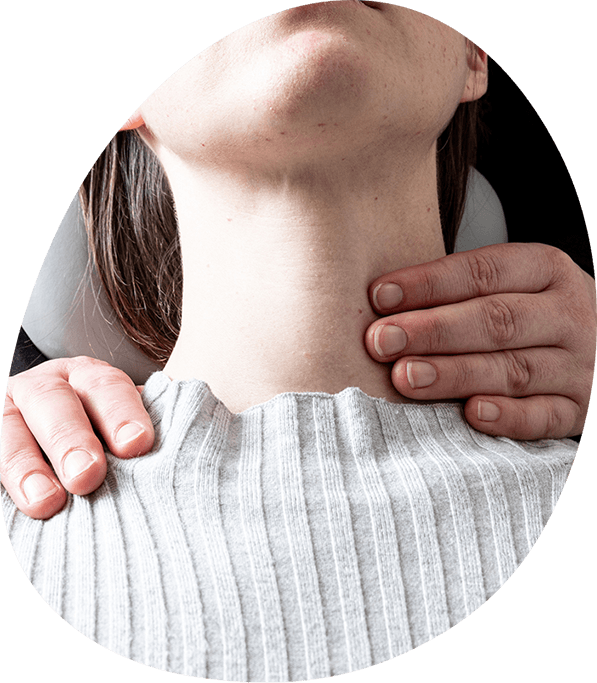
Dr Julia Crawford assesses and surgically manages both benign and malignant conditions affecting the thyroid and major salivary glands.
Not every thyroid nodule or salivary gland lump is cancerous, and many can be investigated before any decision about surgery is required.
Thyroid nodules are common and most are benign.
Assessment may include:
The purpose of investigation is to determine whether the nodule requires observation, further testing or surgery.
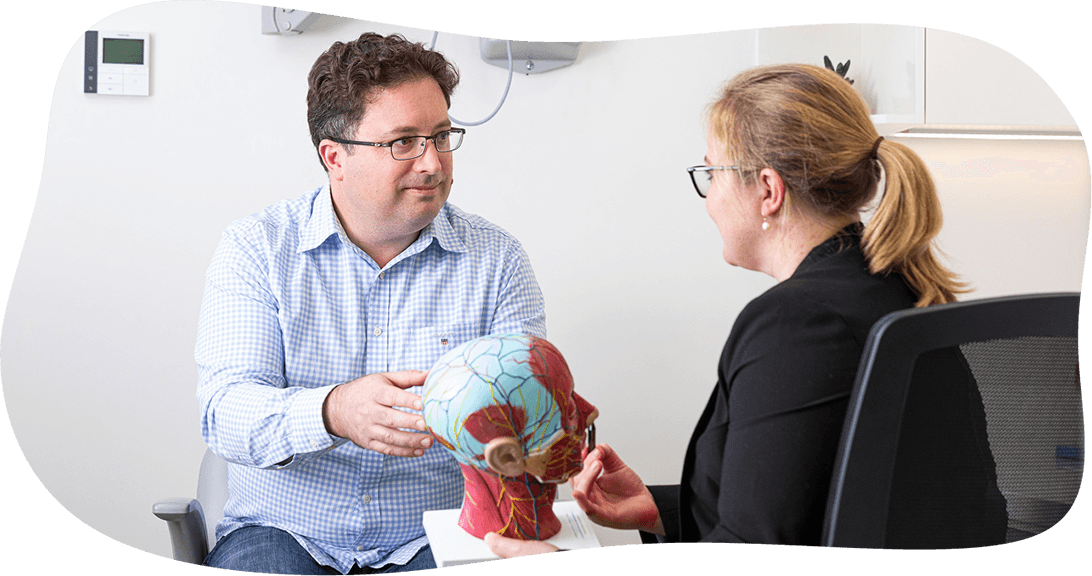
Depending on the diagnosis, surgery may involve:
The extent of surgery depends on the diagnosis, tumour characteristics, imaging and individual clinical circumstances.
Where thyroid function itself requires specialist management, Dr Crawford will usually involve an endocrinologist.
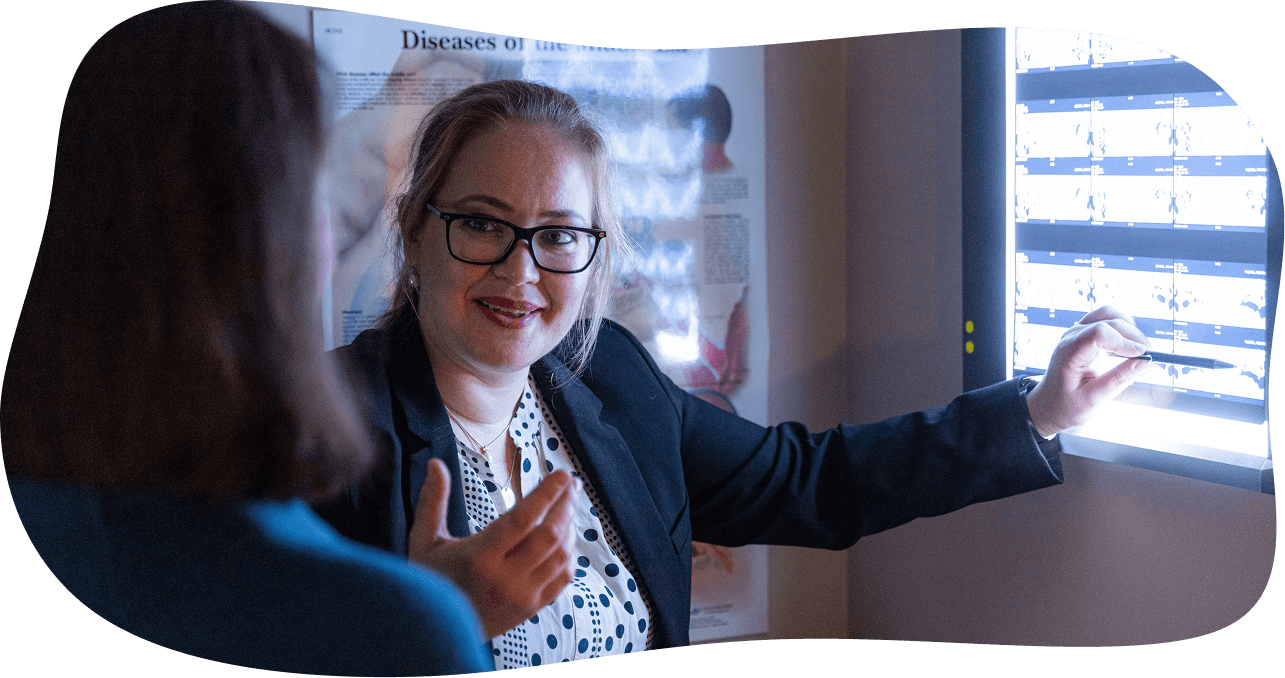
The major salivary glands include the:
There are also many smaller salivary glands throughout the mouth and throat.
A salivary gland lump may be benign or malignant.
Assessment often includes imaging and needle biopsy before a treatment recommendation is made.
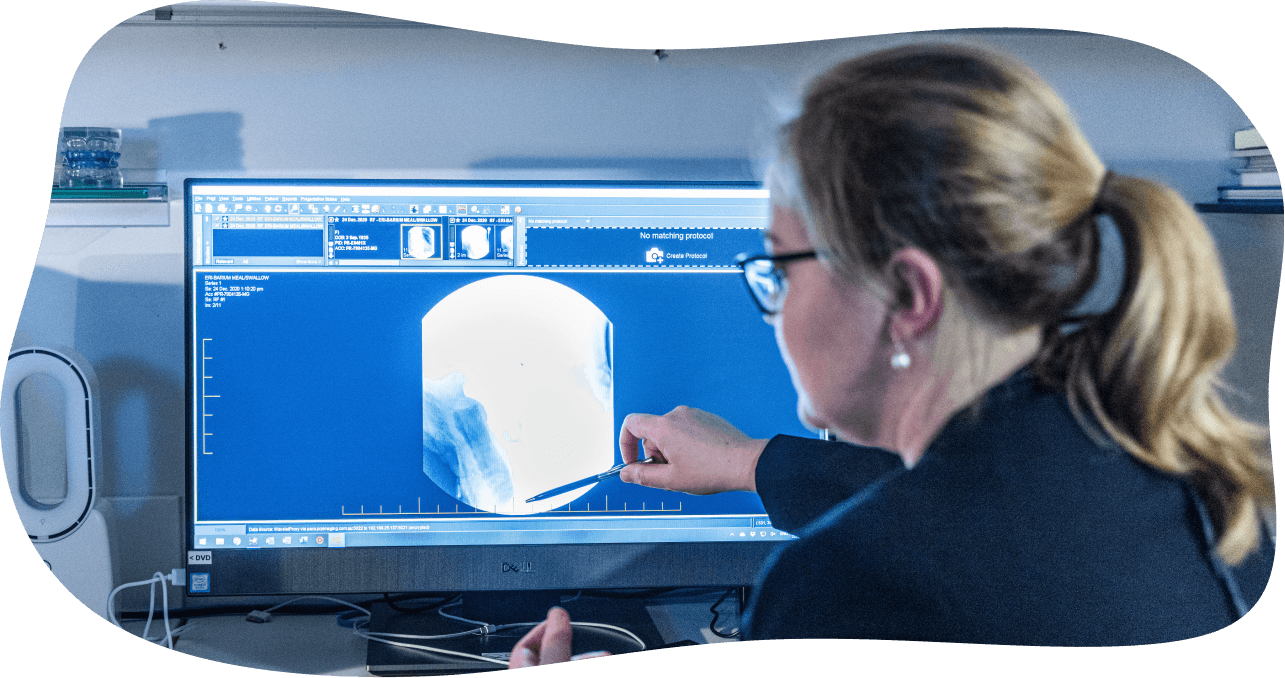
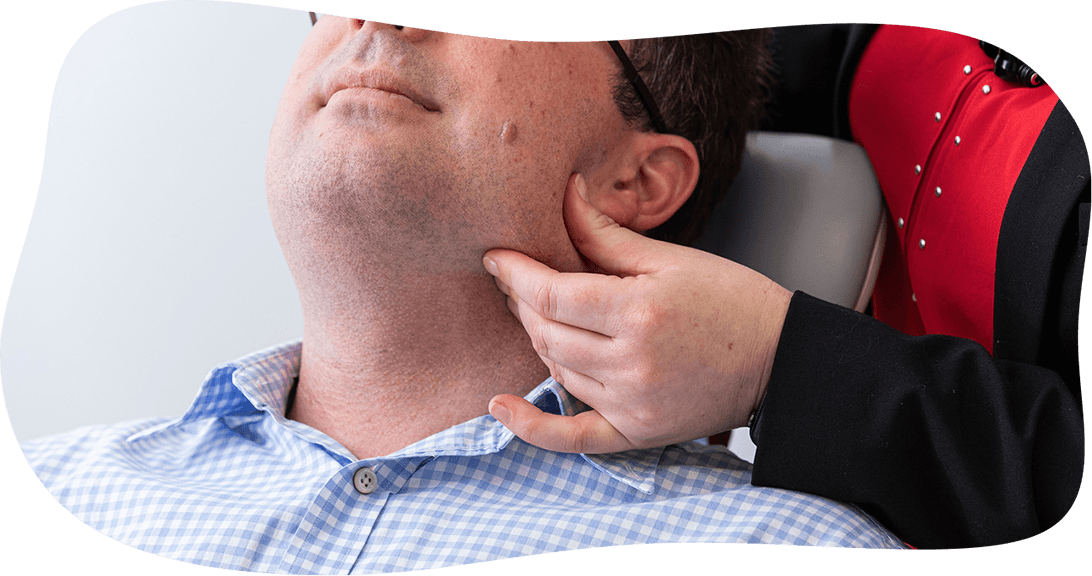
Most parotid tumours are benign, but specialist assessment is important because a wide range of tumour types can arise within the gland.
Surgery may involve removing part or, less commonly, more of the parotid gland while identifying and preserving the facial nerve where oncologically appropriate.
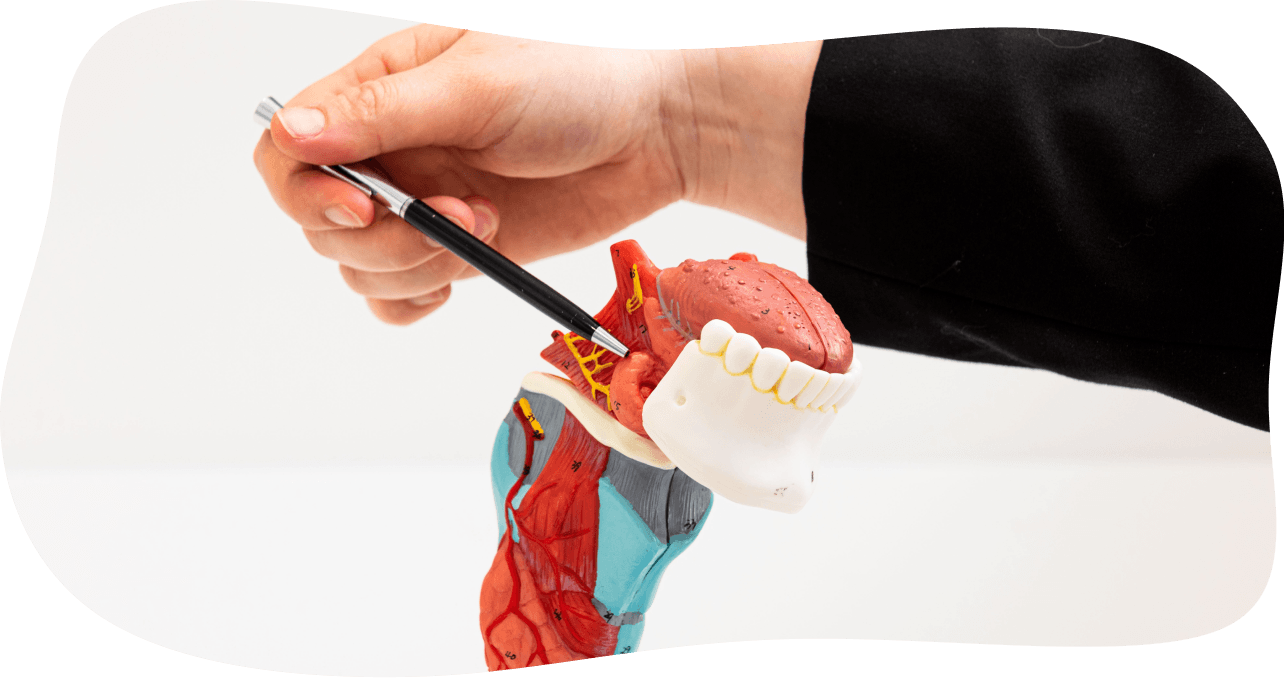
Lumps involving the submandibular gland may be caused by stones, inflammation or tumours.
Where a tumour is suspected, investigation usually includes imaging and tissue diagnosis.
Surgery generally involves removal of the affected gland.
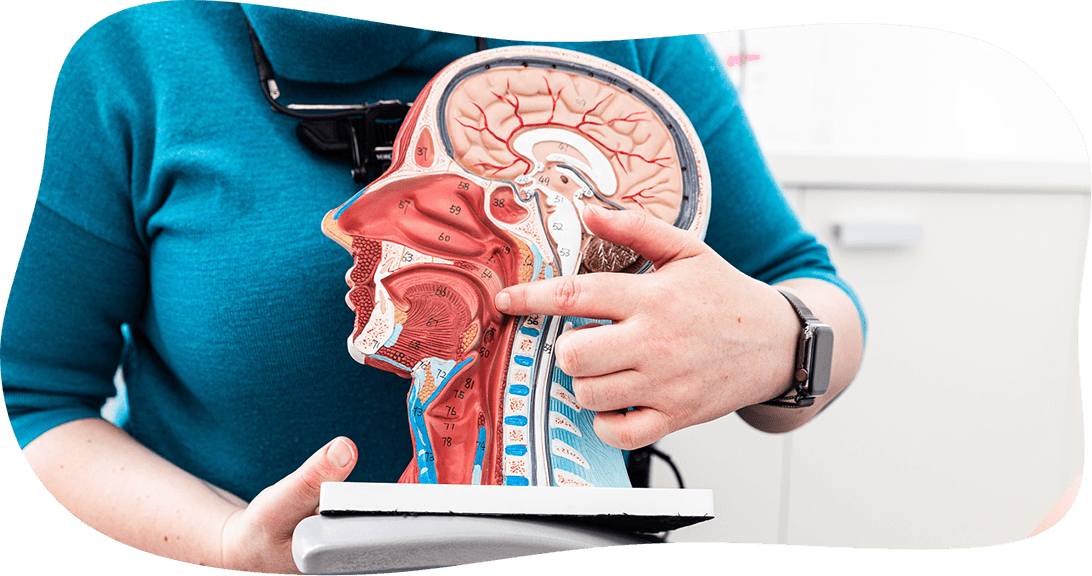
Salivary gland cancers are uncommon and encompass many different pathological tumour types.
Treatment depends heavily on the exact pathology, grade, site and stage.
Some patients require surgery alone, while others may benefit from postoperative radiation therapy.
These cases are generally reviewed through a multidisciplinary head and neck cancer team.
Early assessment allows thyroid treatment to be planned carefully. Patients with a thyroid nodule or a diagnosis of thyroid cancer can be seen at Sydney ENT Clinic in Darlinghurst or Kogarah, or through Chris O'Brien Lifehouse for thyroid cancer.
If you already have ultrasound, biopsy or pathology results, providing these before your appointment allows them to be reviewed in advance. A valid referral from your GP or another medical specialist is required to claim Medicare rebates.
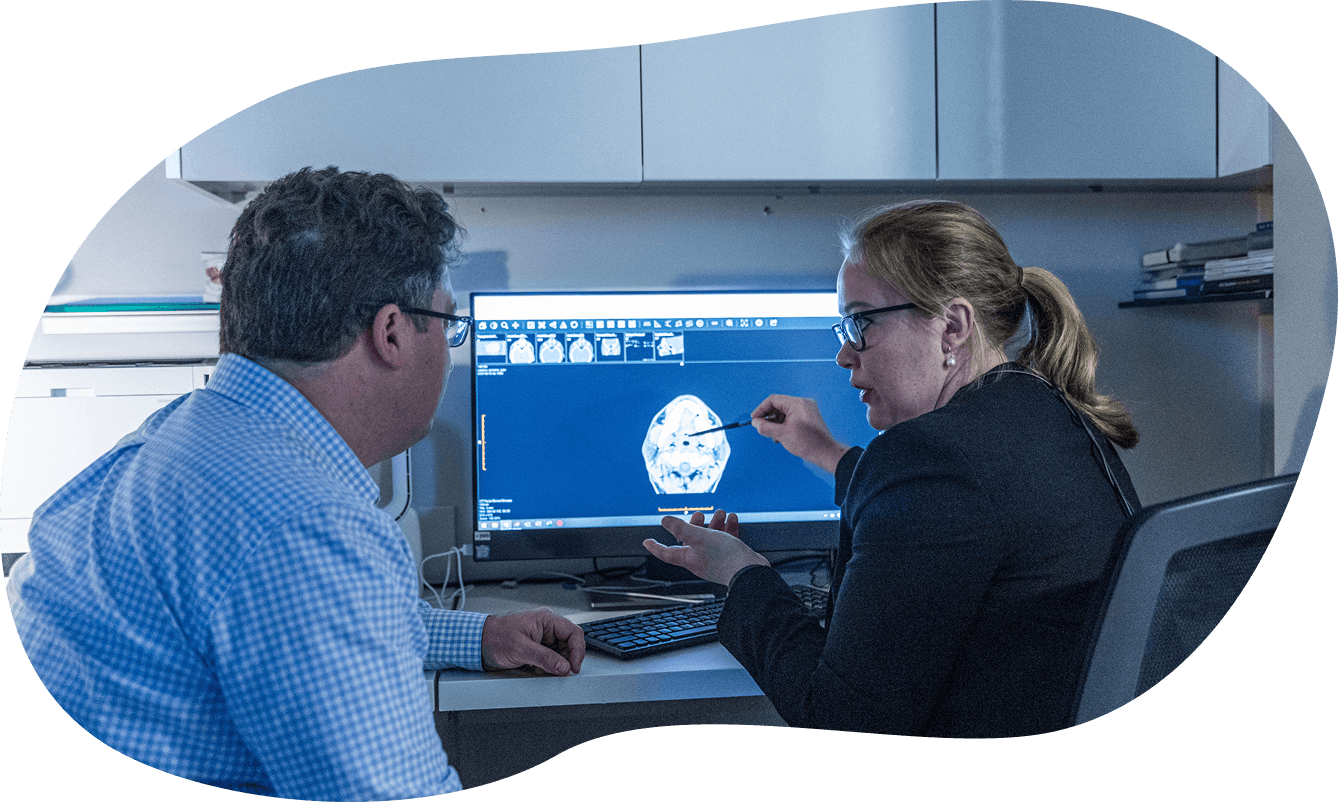
Our team can assist with appointment enquiries and help arrange a consultation with Dr Julia Crawford at one of her three Sydney consulting locations:
Dr Crawford consults for head and neck conditions, head and neck cancer, thyroid and salivary gland disease, obstructive sleep apnoea, paediatric ENT and a range of general ENT conditions.
Her team can assist with arranging an appointment at Sydney ENT Clinic in Darlinghurst or Kogarah, or Chris O'Brien Lifehouse, and will help ensure the appropriate referral, imaging, test results and other relevant information are available before your consultation.