Nasal Obstruction Treatment

Nasal Obstruction Treatment in Sydney

Nasal obstruction is a blockage of the nasal passages that prevents normal airflow which is often caused by structural issues like a deviated septum or inflammation.
Aiming for Improved Breathing

Treatment focuses on clearing the airway to support better sleep quality and exercise tolerance and daily energy levels.

Tailored Solutions

We differentiate between structural problems which may need surgery and inflammatory issues often managed medically to provide the right care.

Specialist Assessment

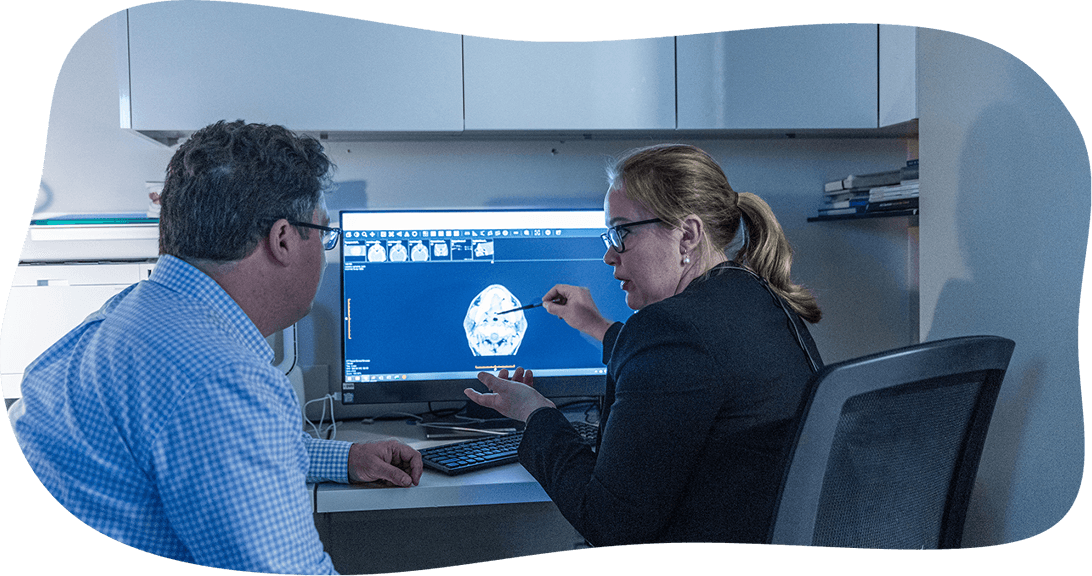
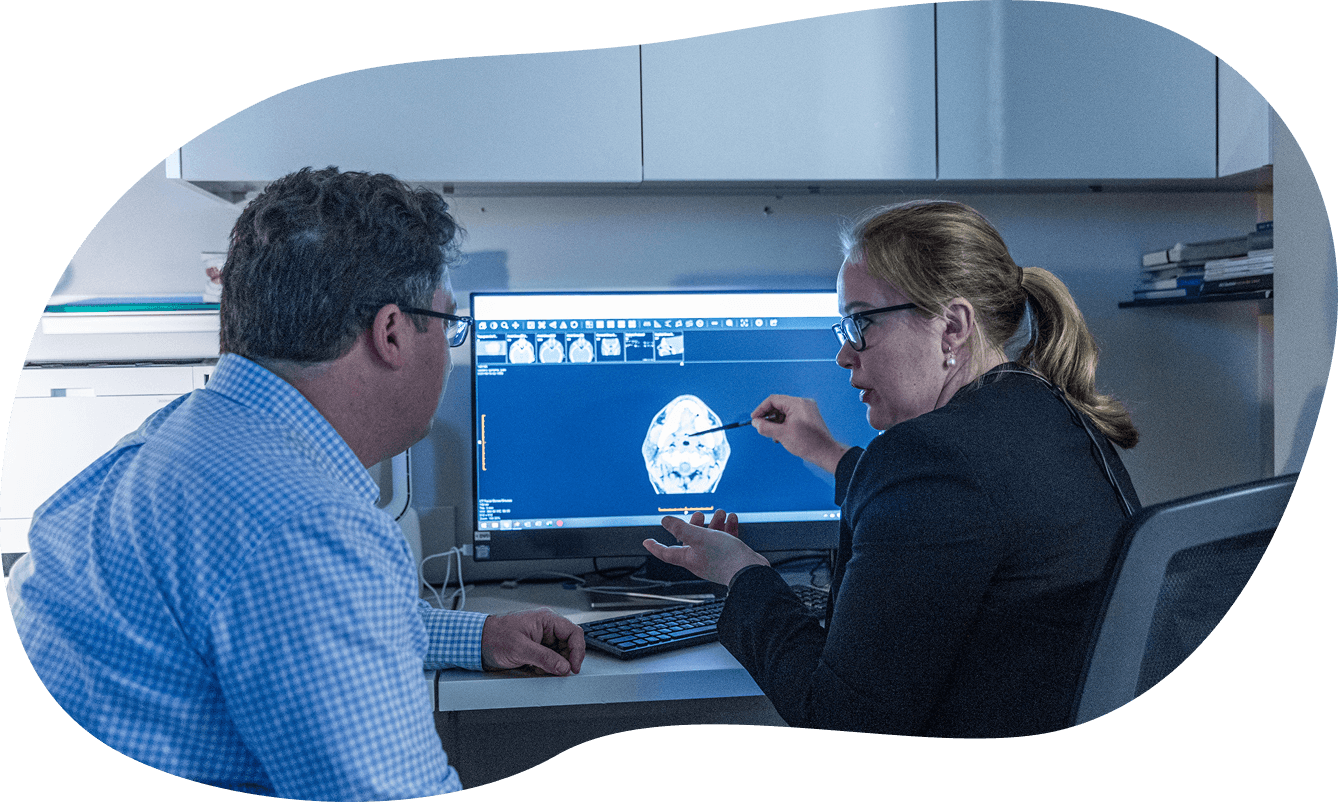
Dr Julia Crawford uses precise nasoendoscopy to pinpoint the exact site of blockage for precise treatment planning.

What’s On This Page

Why Can’t I Breathe Through My Nose?

Nasal obstruction is more than just a stuffy nose from a cold. It is a chronic condition where airflow is physically restricted. For many patients it feels like trying to breathe through a straw. This forces you to breathe through your mouth which bypasses the nose's natural filtering and humidifying functions.


The impact extends beyond discomfort. Mouth breathing often leads to a dry throat and poor sleep and reduced oxygen intake during exercise. For many professionals and active individuals this constant resistance creates a feeling of fatigue and limits physical performance. Identifying the root cause is the first step toward relief.
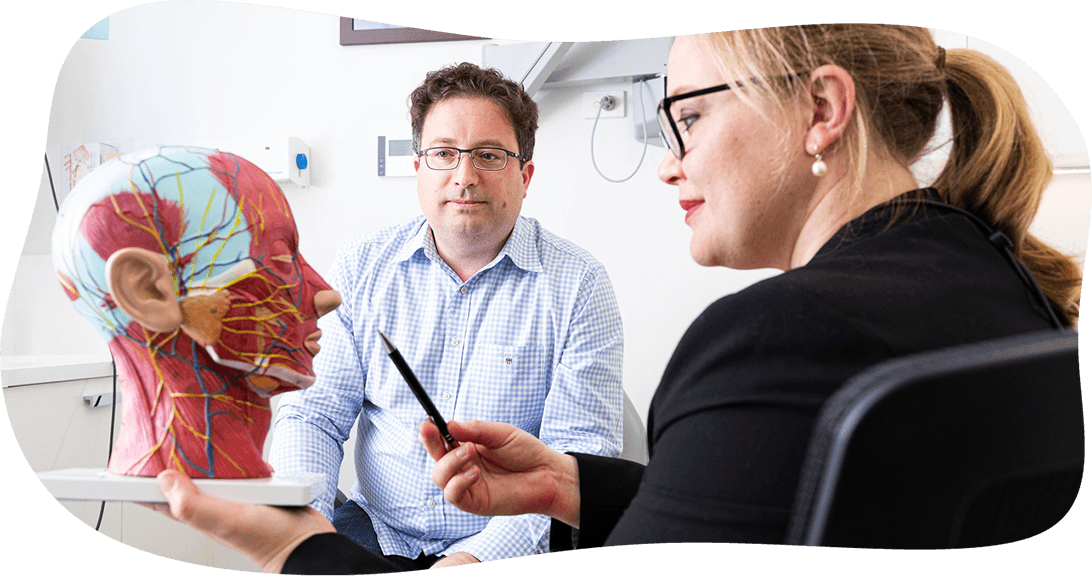
What causes a blocked nose?

There are four main reasons why the nasal airway becomes obstructed. Dr Crawford evaluates your anatomy to determine which of these factors is at play.
Deviated Nasal Septum

The septum is the wall of cartilage and bone that divides your nose into two nostrils. In many people this wall is crooked or buckled. This deviation narrows one or both nasal passages and creates a physical barrier to airflow that sprays and medications cannot fix.

Turbinate Hypertrophy

Turbinates are long ridges of tissue inside the nose that warm and humidify air. Allergies or chronic irritation can cause them to become permanently swollen (hypertrophy). This swelling fills the nasal cavity and blocks the airway.

Nasal Polyps

These are soft non-cancerous growths that hang from the lining of the sinuses. They are often associated with chronic sinusitis or allergies. Large polyps can completely obstruct the nasal passages and reduce your sense of smell.

Nasal Valve Collapse

The nasal valve is the narrowest part of the airway. If the side walls of the nose are weak they may collapse inward when you breathe in deeply. This is common in older adults or after previous trauma.

How We Diagnose the Issue

Accurate diagnosis prevents wasted time on ineffective treatments. Dr Crawford uses a comprehensive assessment protocol.
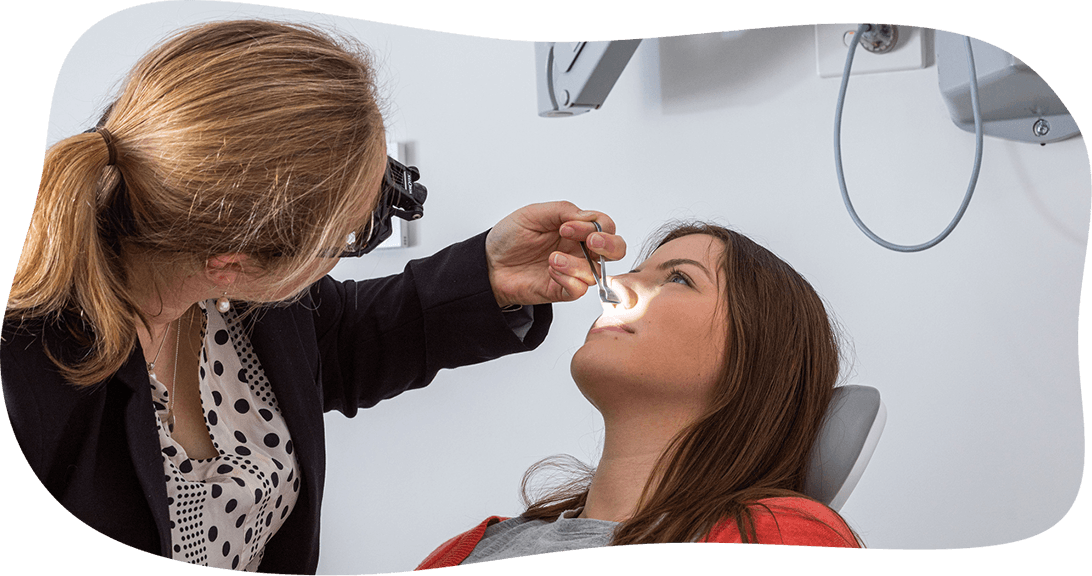
We inspect the external structure of the nose and assess airflow dynamics.

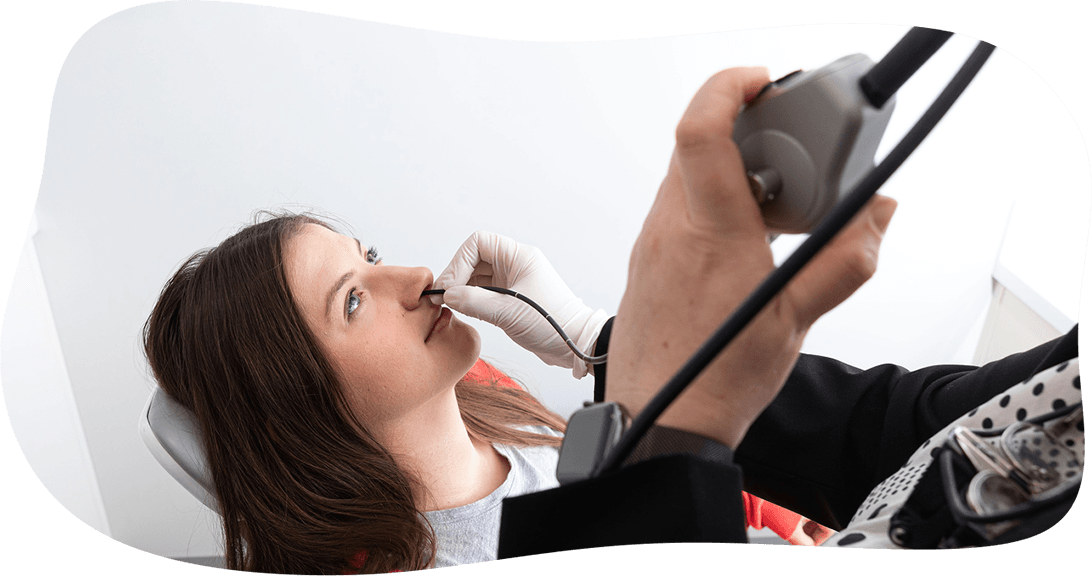
A thin flexible camera is passed gently into the nose. This allows Dr Crawford to view the entire airway and check for polyps and assess the size of the adenoids or turbinates.

If inflammation is suspected we may investigate allergic triggers.

How is nasal obstruction treated?

The treatment pathway depends entirely on whether the blockage is structural or inflammatory.
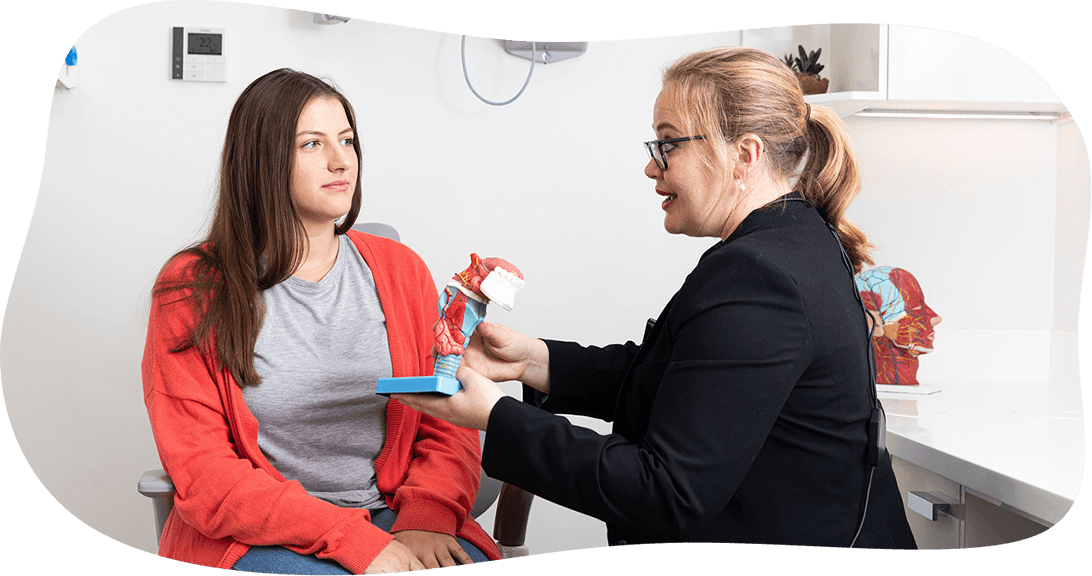
For obstruction caused by allergies or mild inflammation, non-surgical options are the first line of defence.

Nasal Corticosteroids

Sprays to reduce swelling in the turbinates and lining.

Saline Rinses

High-volume washes to clear irritants and mucus.

Medicated Rinses

In cases of polyps we may add medications like Budesonide to your saline rinse for deeper penetration.

Antihistamines

To manage underlying allergic reactions.

When structural issues like a deviated septum or large polyps are the cause, surgery is often the most effective solution.

Septoplasty

This procedure straightens the deviated septum. Dr Crawford works entirely inside the nose to reposition the cartilage and bone. No external cuts are made and the shape of the nose remains unchanged.

Turbinate Reduction (Turbinoplasty)

This involves reducing the size of the swollen turbinates to create more space for airflow. Dr Crawford often uses advanced techniques like Coblation or Radiofrequency ablation to shrink the tissue while preserving its function.

Functional Rhinoplasty

In cases of nasal valve collapse or severe deformity from injury a functional rhinoplasty may be required to rebuild the structural support of the nose and keep the airway open.

The Patient Journey

We understand that nasal surgery can be daunting. We guide you through the process to ensure you feel informed and prepared.

We provide clear instructions on managing any blood-thinning medications and preparing for anaesthesia. A CT scan may be organised if sinus issues are also present.

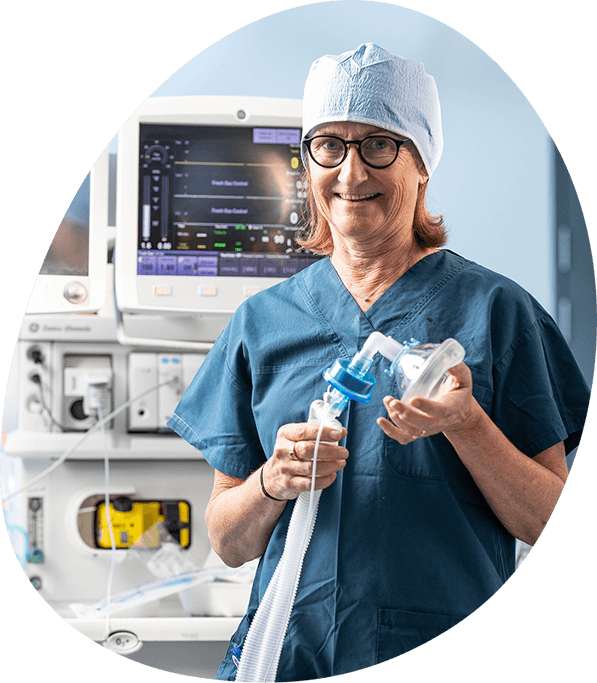
Most nasal airway surgeries are performed under general anaesthesia as day cases. You typically enter the hospital in the morning and return home the same afternoon.

Recovery is generally well-tolerated.

First Week Expectations You will likely feel stuffy for the first week similar to a heavy head cold due to internal swelling. Discomfort is usually mild and can be managed effectively with over-the-counter medication.

Return to Work

Most patients return to work or desk duties within one week.

Activity

Heavy lifting and strenuous exercise must be avoided for two weeks to prevent bleeding.

Costs and Financial Information

We believe in financial transparency for all procedures.
Fees are payable on the day. A referral from your GP allows you to claim a Medicare rebate.

You will receive a detailed "Informed Financial Consent" outlining the surgeon's fee and anaesthetist's fee and hospital costs.

Most functional nasal surgeries like septoplasty attract a Medicare item number and are covered by private health insurance. We recommend checking your specific policy for item numbers such as 41671 (Septoplasty) or 41689 (Turbinoplasty).

Why Choose Dr Julia Crawford

You need a surgeon who prioritises functional outcomes and patient safety.
Fellowship Training

Dr Crawford has completed advanced international training in head and neck surgery ensuring high-level precision in complex airway anatomy.

Academic Focus

As a Conjoint Lecturer at UNSW she stays at the forefront of surgical techniques and ENT research.

Comprehensive Care

We look at the whole airway often coordinating with sleep physicians if nasal obstruction is contributing to sleep apnoea.

Consultation Locations

Dr Crawford consults at three convenient locations across Sydney.
Darlinghurst Rooms

Our primary city location for general ENT and robotic surgery consultations.

Kogarah Rooms

Serving patients in the southern suburbs of Sydney.

Chris O'Brien Lifehouse

This location is dedicated specifically to our head and neck cancer patients.

Hospital-Based Appointments

While your specialist consultations take place at the clinics listed above, the surgical process involves a separate set of mandatory hospital-based appointments. These take place at the facility where your procedure is scheduled, such as St Vincent’s Private Hospital or St George Private Hospital. These appointments are a critical part of the safety protocol for Transoral Robotic Surgery (TORS).

Frequently Asked Questions

A standard septoplasty is a functional operation performed entirely inside the nose. It does not change the external appearance. If you require changes to the external shape for functional reasons (functional rhinoplasty), this will be discussed extensively during your consultation.

Most patients report congestion and pressure rather than acute pain. It feels like a severe head cold. We provide pain relief, but many patients find they stop taking it after a few days. Saline rinses are the most important part of post-operative comfort.

Nasal obstruction does not usually cause sleep apnoea on its own, but it makes it worse. A blocked nose forces mouth breathing, which allows the tongue to fall back and block the throat more easily. Fixing the nose often improves CPAP tolerance and sleep quality.

Dr Crawford uses modern surgical techniques to minimise the need for uncomfortable nasal packing. In most cases, dissolvable materials are used, or no packing is required at all.

We recommend avoiding strenuous activity, heavy lifting, or contact sports for at least two weeks after surgery. Raising your heart rate and blood pressure too early can increase the risk of bleeding from the healing blood vessels inside the nose. Light walking is generally permitted after a few days.

Book a Specialist Assessment

If you are tired of breathing through your mouth and struggling for air during exercise, professional assessment provides a clear path forward.

Dr Julia Crawford consults in Darlinghurst and Kogarah.
Get in Touch

Our team can assist with appointment enquiries and help arrange a consultation with Dr Julia Crawford at one of her three Sydney consulting locations:

Sydney ENT Clinic, Darlinghurst

Ground Floor, 67 Burton Street, Darlinghurst NSW 2010

Sydney ENT Clinic,
Kogarah

Suite 5, Level 2 19 Kensington Street Kogarah NSW 2217

Chris O'Brien Lifehouse

119, 143 Missenden Road, Camperdown NSW 2050

Book Your Consultation

Dr Julia Crawford consults for head and neck conditions, head and neck cancer, thyroid and salivary gland disease, obstructive sleep apnoea, paediatric ENT and selected general ENT problems.

Her team can assist with arranging an appointment at Darlinghurst, Kogarah or Chris O'Brien Lifehouse, and will help ensure the appropriate information and investigations are available before your consultation.

©2026 Dr. Julia Crawford. All rights reserved.