Transoral Robotic Surgery (TORS) is a sophisticated minimally invasive procedure used to remove throat cancers through the natural opening of the mouth. This technique eliminates the need for large external incisions or jaw-splitting surgery by using robotic precision to navigate the narrow confines of the throat. Patients typically benefit from faster recovery times and significantly better preservation of vital speech and swallowing functions.
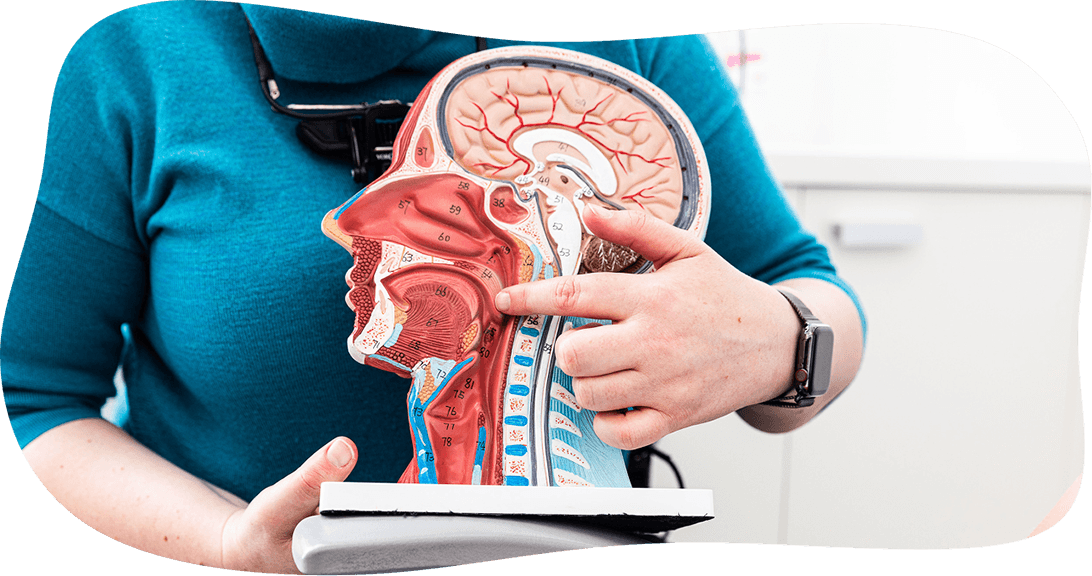
Head and neck cancers encompass a variety of tumours that develop in or around the throat, larynx, nose, sinuses, and mouth. Specifically, cancers affecting the oropharynx have historically presented significant surgical challenges. The oropharynx includes the base of the tongue, the tonsils, the soft palate, and the side walls of the throat.
Traditionally, accessing tumours in these deep areas required highly invasive "open" surgery. This often involved a mandibulotomy, which is the surgical splitting of the jaw bone to reach the back of the throat. While effective at removing cancer, these traditional methods frequently resulted in long-term difficulties with eating, speaking, and physical appearance.
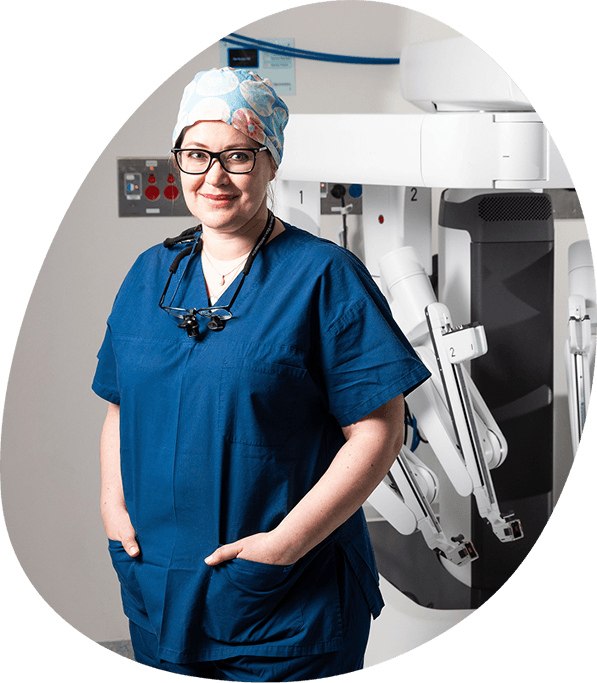
Transoral Robotic Surgery (TORS) has fundamentally changed this clinical landscape. It allows a fellowship-trained surgeon like Dr Julia Crawford to operate through the open mouth using a robotic system. This provides access to tumours that were previously unreachable without major external trauma to the face and neck.
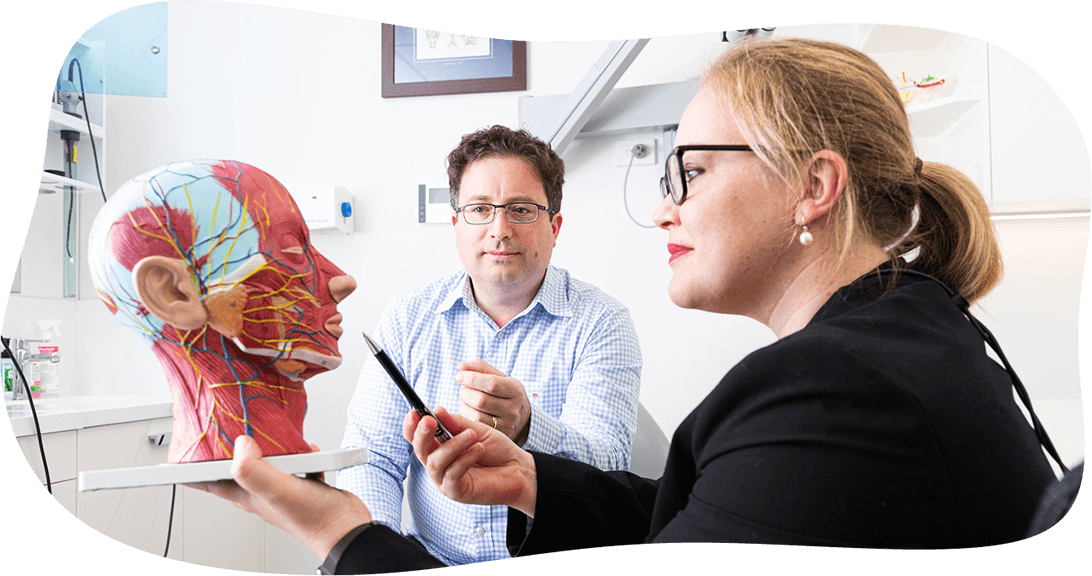
The primary strategic objective of TORS is organ preservation. In modern oncology, we aim to remove the cancer completely while leaving as much surrounding healthy tissue intact as possible. This approach is vital in the throat, where every millimetre of tissue contributes to the complex mechanics of swallowing and speech.
Not every patient with head and neck cancer is a candidate for TORS. Determining your suitability requires a comprehensive clinical evaluation. Several factors influence this decision.
First, the size and exact location of the tumour are critical. TORS is generally most effective for early-stage tumours (T1 and T2) located in the tonsils or the base of the tongue. Second, the surgeon must ensure adequate "transoral access." This means the patient must be able to open their mouth wide enough to allow the robotic arms to reach the tumour safely.
If TORS is not the optimal path, Dr Crawford will discuss other specialised techniques, such as endoscopic laser surgery or traditional approaches. Every patient at Chris O'Brien Lifehouse benefits from a multidisciplinary team approach. This ensures that surgeons, radiation oncologists, and medical oncologists collaborate to create a plan tailored to the unique clinical needs of the individual.
The differences between TORS and traditional open surgery are profound. Understanding these differences helps patients and families make informed decisions about their care.
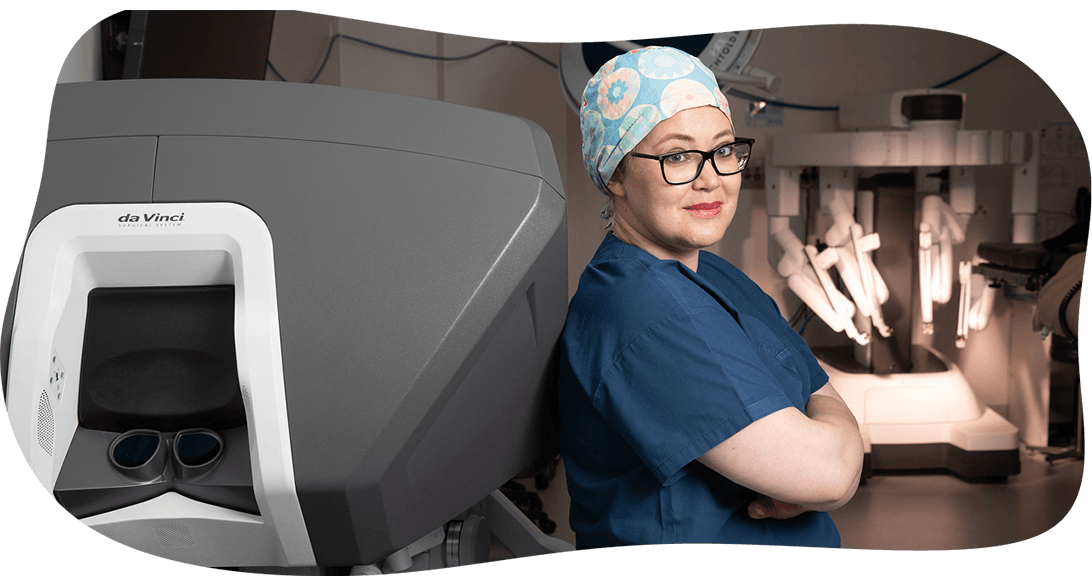
The surgical process for TORS is highly structured to ensure maximum safety and cancer clearance. The procedure is performed under general anaesthetic in a world-class operating theatre.
Successful robotic surgery requires more than just advanced technology. It requires an environment dedicated to complex cancer care. Dr Crawford performs these surgeries at Chris O'Brien Lifehouse. This facility is a global leader in cancer treatment and research. The specialised nursing staff and speech pathologists at Lifehouse are experts in supporting the recovery of robotic surgery patients. Dr Crawford also maintains appointments at St Vincent's Hospitals to ensure accessibility for patients across Sydney.
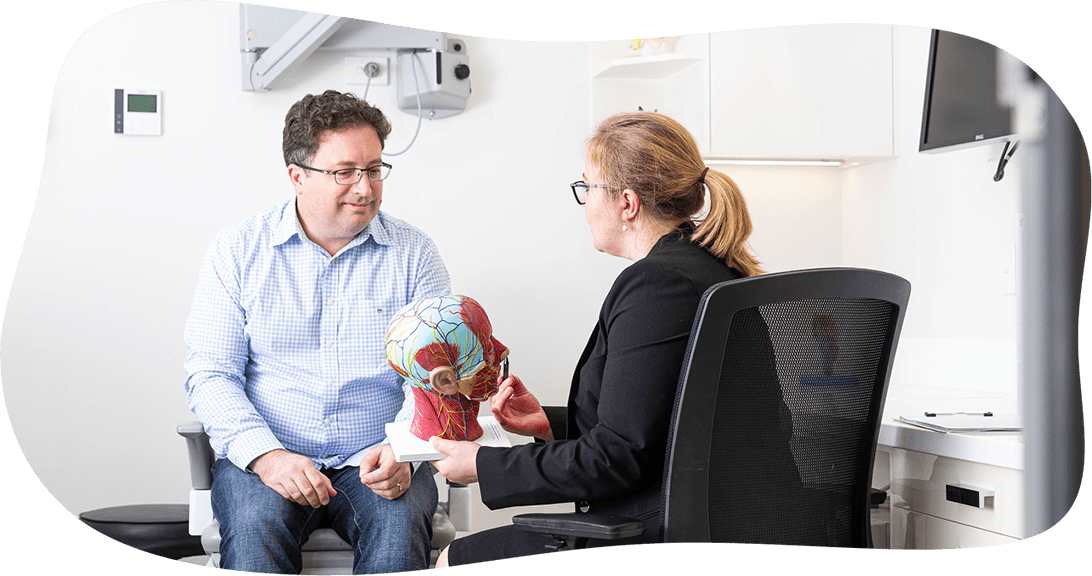
The rise of HPV-related throat cancer has led to a major shift in how we approach treatment. These tumours are biologically different from traditional throat cancers. They often respond exceptionally well to treatment and have a much better prognosis.
One of the most exciting areas of research in head and neck surgery is "treatment de-escalation." Historically, throat cancer patients received a "one-size-fits-all" approach that included major surgery followed by high-dose radiation and chemotherapy. While this was effective at killing cancer, it often left survivors with devastating long-term side effects.
Because TORS allows for such precise tumour removal, it creates an opportunity to reduce follow-up treatments. For many HPV-related cancer patients, TORS can achieve such "clean" surgical margins that follow-up radiation may be reduced in dose or avoided altogether. This protects the patient from the long-term toxicity of radiation, such as permanent dry mouth, dental problems, and swallowing issues. This strategic reduction in treatment intensity is only possible when the initial surgery is performed with robotic precision.
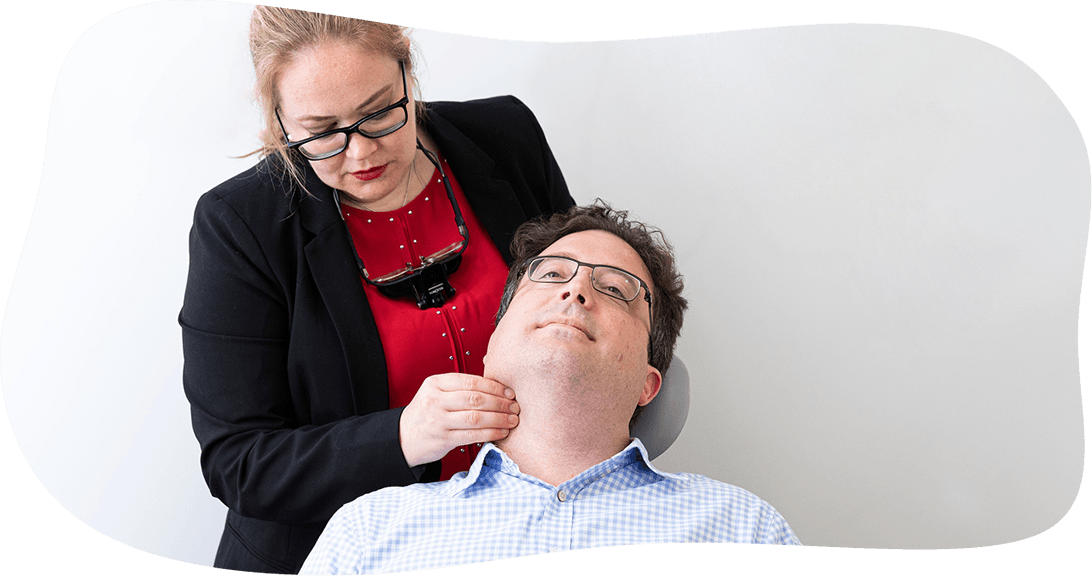
The success of a TORS procedure is measured by two primary benchmarks: cancer control and functional preservation.
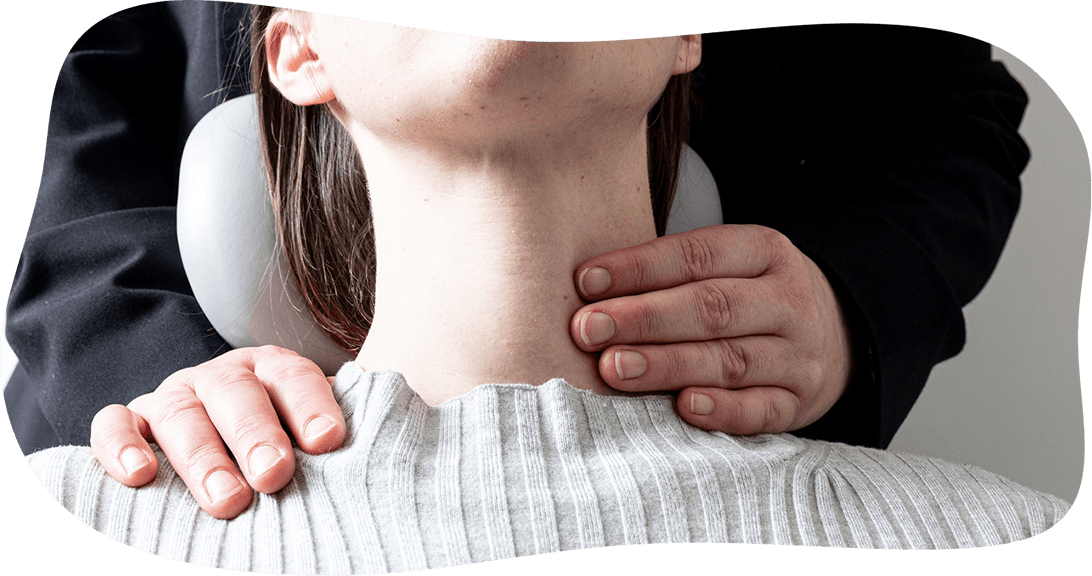
Recovery from throat surgery involves more than just the healing of tissue. It requires the rehabilitation of the complex muscles used for eating and speaking. Dr Crawford works closely with specialised speech pathologists and dietitians. These professionals provide exercises and guidance to ensure that patients regain their function as quickly and completely as possible. This collaborative approach is a hallmark of the care provided at Chris O'Brien Lifehouse and St Vincent's.

Dr Crawford consults at three convenient locations across Sydney.

While your specialist consultations take place at the clinics listed above, the surgical process involves a separate set of mandatory hospital-based appointments. These take place at the facility where your procedure is scheduled, such as St Vincent’s Private Hospital or St George Private Hospital. These appointments are a critical part of the safety protocol for Transoral Robotic Surgery (TORS).
If you or a loved one are facing a head and neck cancer diagnosis, gathering expert information is the most important first step. Dr Crawford provides comprehensive consultations at Chris O'Brien Lifehouse and St Vincent's.
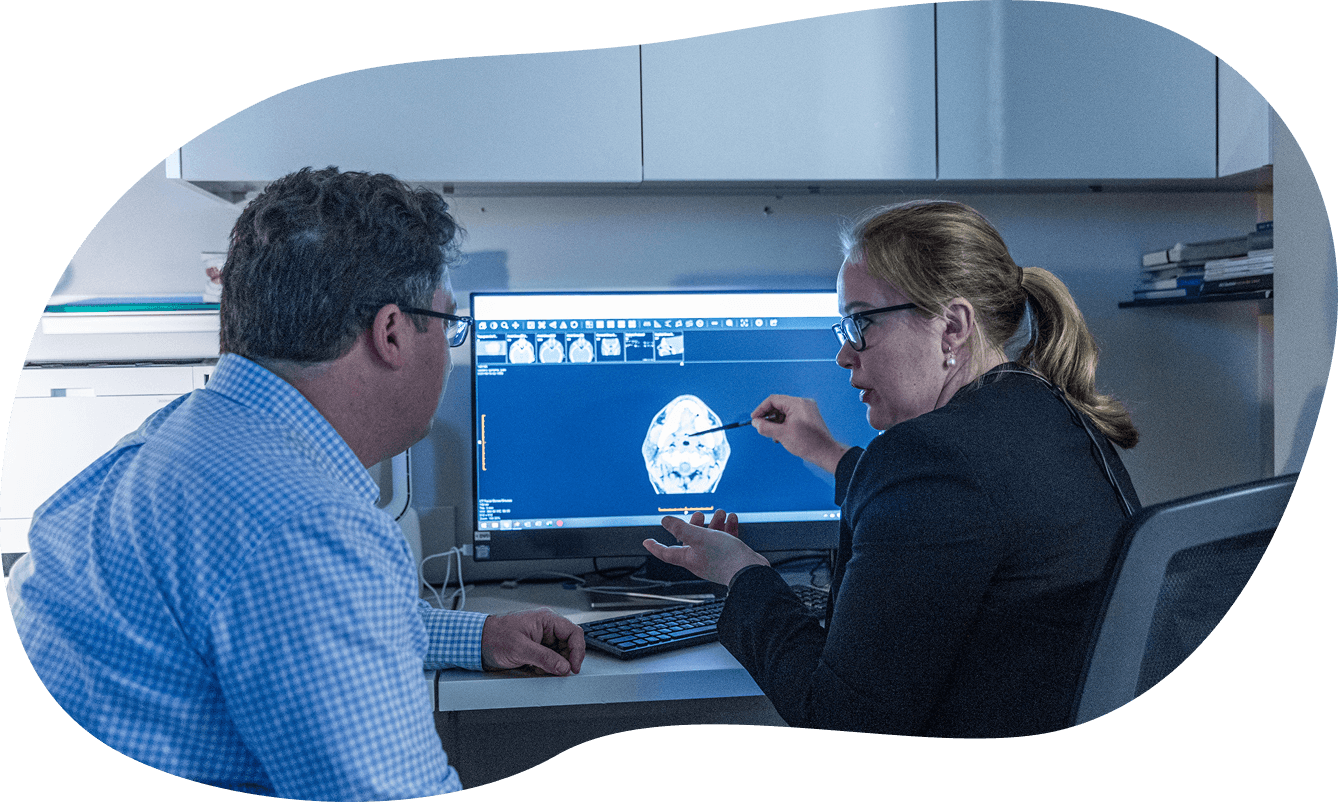
Our team can assist with appointment enquiries and help arrange a consultation with Dr Julia Crawford at one of her three Sydney consulting locations:
Dr Julia Crawford consults for head and neck conditions, head and neck cancer, thyroid and salivary gland disease, obstructive sleep apnoea, paediatric ENT and selected general ENT problems.
Her team can assist with arranging an appointment at Darlinghurst, Kogarah or Chris O'Brien Lifehouse, and will help ensure the appropriate information and investigations are available before your consultation.