Paediatric ear infections are common conditions involving inflammation or fluid buildup in the middle ear which can affect hearing and comfort.

Ear infections are one of the most frequent reasons parents seek medical care for their children. Unlike adults, children have anatomy that makes them more susceptible to these issues. Their Eustachian tubes are shorter and more horizontal.
This horizontal position makes it difficult for fluid to drain naturally. It also allows bacteria from the nose and throat to travel easily to the ear. Environmental factors also play a role. Exposure to cigarette smoke or second-hand smoke can inflame these tubes and increase the risk of recurrent infections.
There are two main types of ear problems we see frequently. Acute Otitis Media (AOM) is a painful infection where the middle ear becomes inflamed and filled with pus. The child often has a fever and is in significant distress.
Otitis Media with Effusion (OME) is commonly known as "glue ear". This occurs when thick fluid remains in the middle ear without active infection. This condition is not usually painful but causes a sensation of blocked ears and hearing loss. Because the anatomy makes drainage difficult, symptoms often linger and affect behaviour rather than just causing physical pain.
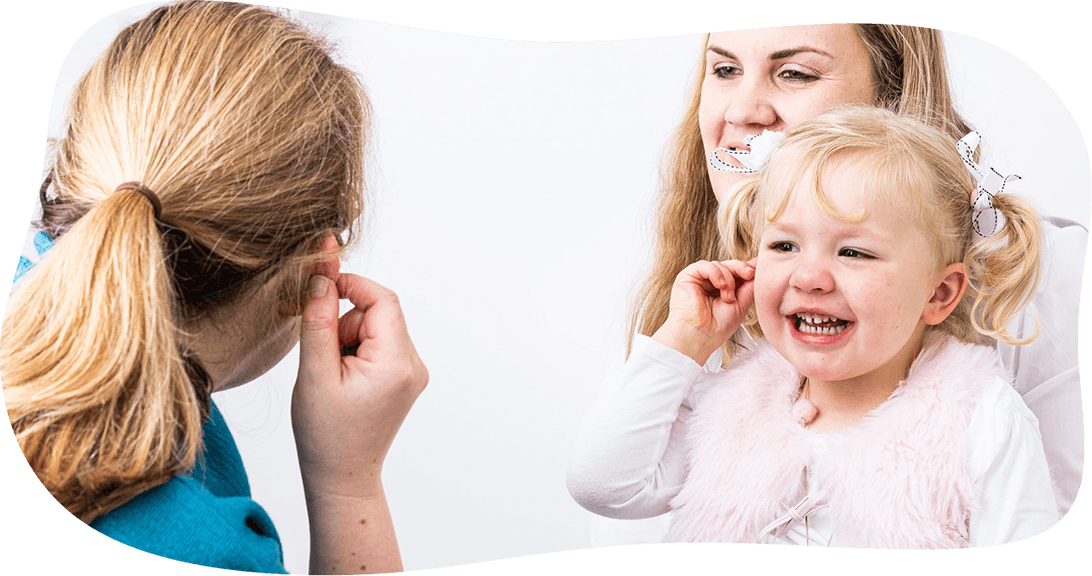
Since young children cannot always articulate what is wrong parents should watch for specific behavioural changes. These subtle signs often indicate that the ear is blocked or uncomfortable.

Hearing is the foundation of speech and language development. When a child has "glue ear" the fluid dampens sound vibrations. This creates a conductive hearing loss often described as trying to hear while underwater.
If this persists during the critical years of speech acquisition it can lead to delays. Children may struggle to distinguish sounds or follow instructions in a noisy classroom. Treatment is designed to help improve hearing clarity. This support allows the child to engage more fully with their environment.
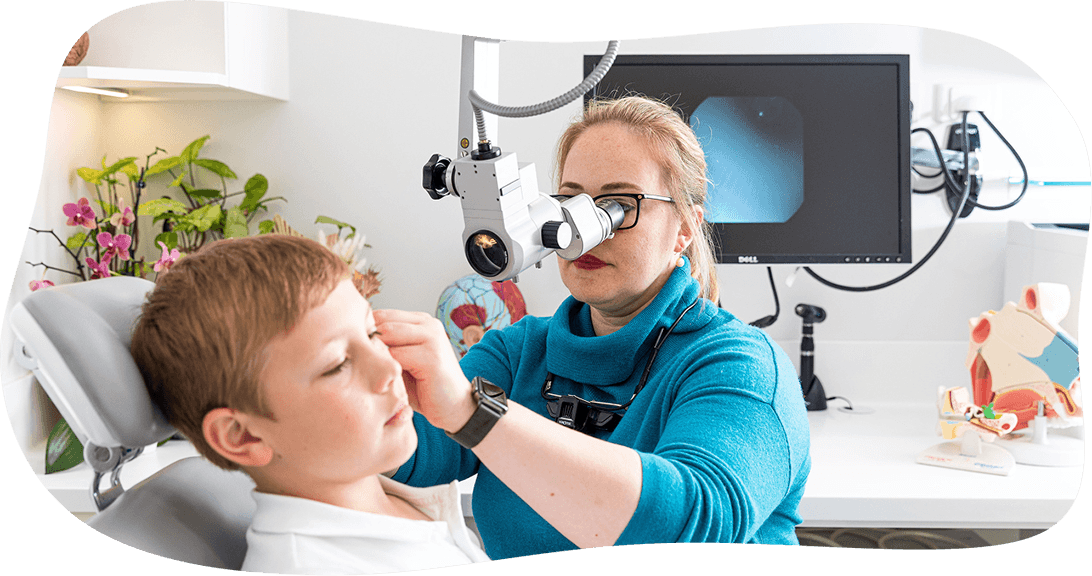
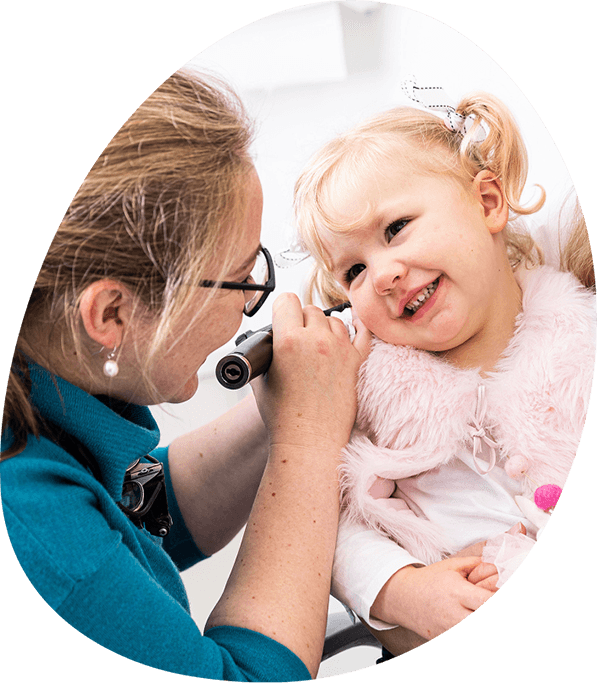
Accurate diagnosis is the first step toward relief. Dr Crawford uses specific tools to assess the health of the middle ear.
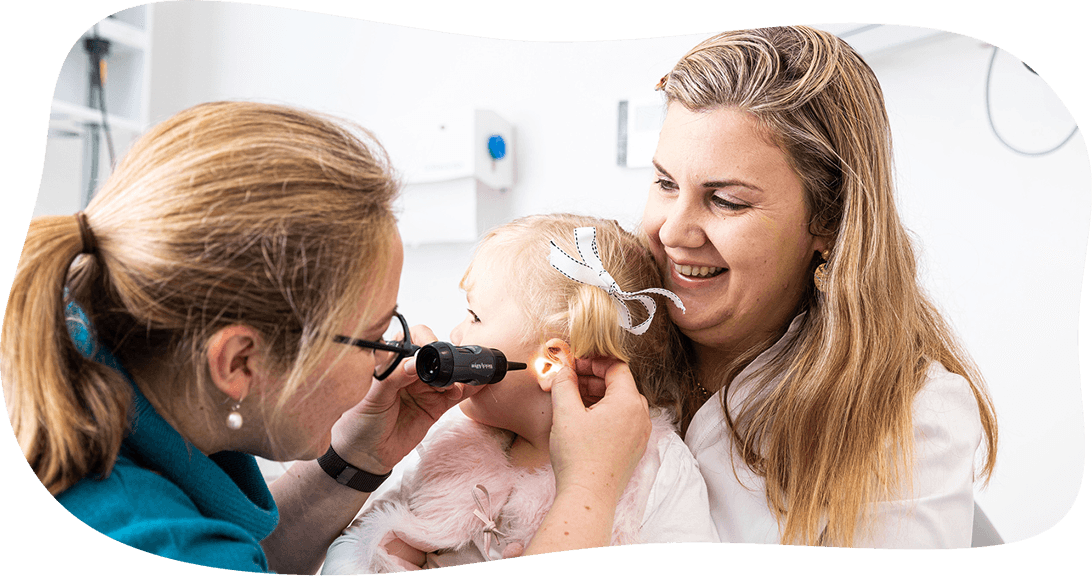
Dr Crawford takes a conservative approach. We always start with a thorough examination to determine the cause and severity of the issue.
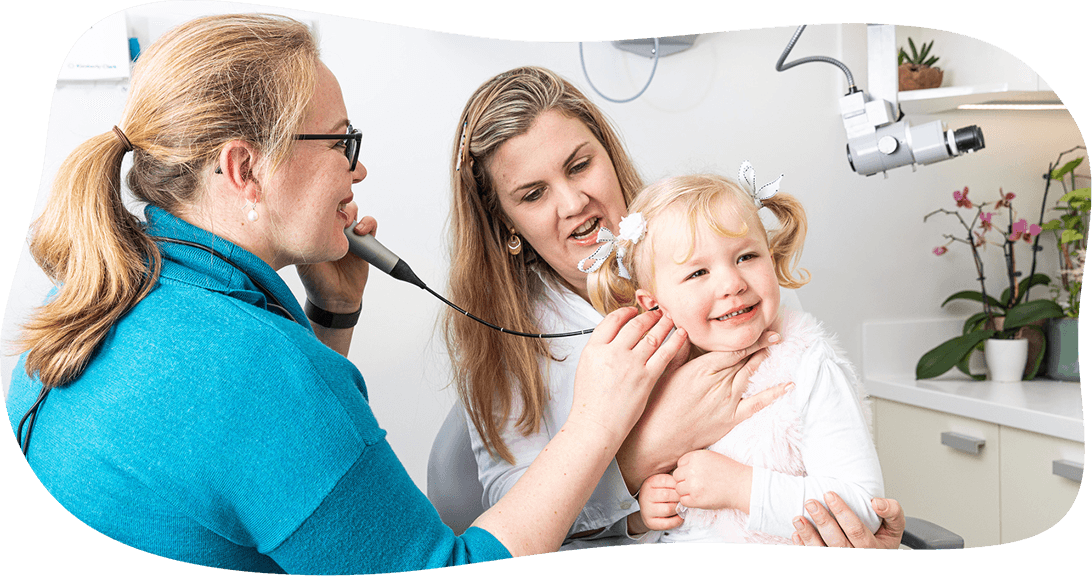
Intervening when a child has persistent ear issues provides relief beyond just physical comfort.

We believe in financial transparency for all families.

We understand that considering surgery for your child is stressful. Dr Crawford combines highly specialised training with a warm and parent-focused approach.

Dr Crawford consults at three convenient locations across Sydney.

While your specialist consultations take place at the clinics listed above, the surgical process involves a separate set of mandatory hospital-based appointments. These take place at the facility where your procedure is scheduled, such as St Vincent’s Private Hospital or St George Private Hospital. These appointments are a critical part of the safety protocol for Transoral Robotic Surgery (TORS).
If you are concerned about your child's hearing or recurrent ear infections, professional assessment provides peace of mind.
Dr Julia Crawford consults in Darlinghurst and Kogarah.
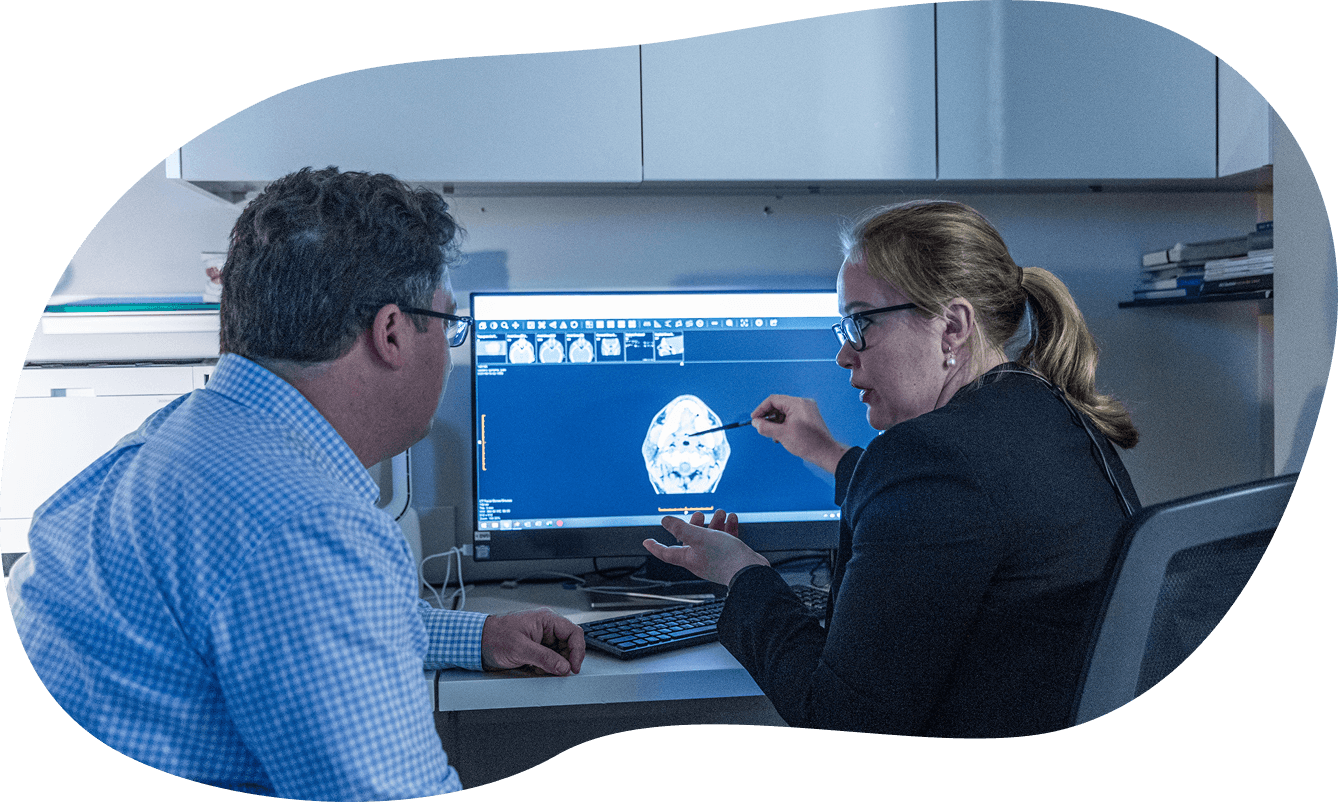
Our team can assist with appointment enquiries and help arrange a consultation with Dr Julia Crawford at one of her three Sydney consulting locations:
Dr Julia Crawford consults for head and neck conditions, head and neck cancer, thyroid and salivary gland disease, obstructive sleep apnoea, paediatric ENT and selected general ENT problems.
Her team can assist with arranging an appointment at Darlinghurst, Kogarah or Chris O'Brien Lifehouse, and will help ensure the appropriate information and investigations are available before your consultation.