Paediatric Recurrent Tonsillitis

Recurrent Tonsillitis in Children in Sydney

Tonsillitis is very common in children, and most episodes clear on their own or with simple treatment. Some children, however, fall into a pattern of frequent or severe infections.

Children from 24 months to 18 years

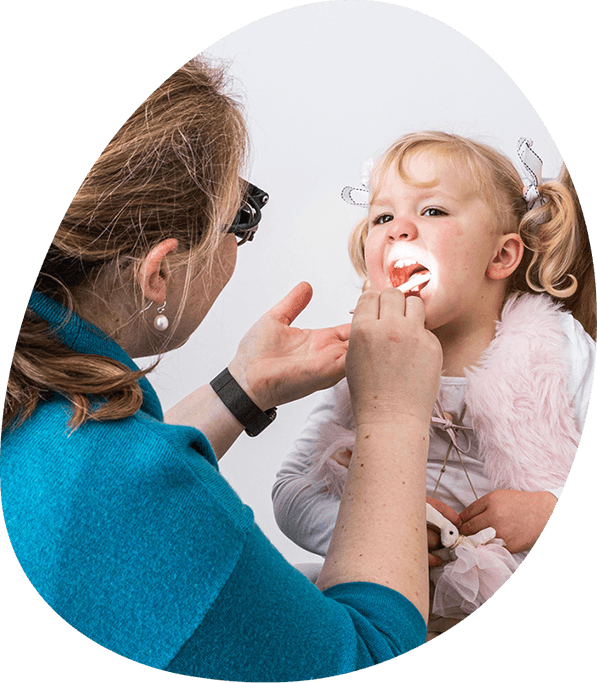
Dr Julia Crawford sees children at Sydney ENT Clinic in Darlinghurst and Kogarah.

The pattern of infections matters

Assessment considers how often infections occur, how severe they are, what treatment has been needed and how they affect the child and family.

Treatment without surgery

Occasional episodes of tonsillitis are usually managed with rest, fluids and pain relief.

What’s On This Page

How recurrent tonsillitis is assessed

Dr Crawford asks about the number and severity of episodes, whether antibiotics have been required, time away from school and how the illness is affecting the child and family. Tonsil size alone does not determine whether surgery is appropriate.

Tonsillitis can be caused by viruses or bacteria. Symptoms can include a sore throat, difficulty swallowing, fever and swollen, tender glands in the neck, and the tonsils may look red and swollen. A cough or runny nose is more commonly associated with a viral upper respiratory infection, but symptoms alone do not always identify the cause.

The Impact on Your Child and Family

When a child is frequently sick, the impact ripples through the entire family. It is not just about the medical symptoms; it is about the "lost days" of childhood.

Frequent absences from school can affect a child’s learning progress and social development. Being constantly "under the weather" makes it hard to concentrate and participate in class activities.

Enlarged, infected tonsils often contribute to sleep-disordered breathing. Poor sleep quality leads to irritability, behavioural issues, and daytime tiredness, which can be mistaken for other developmental challenges.

How recurrent tonsillitis is managed without surgery

For most children, an individual episode is managed with rest, fluids and pain relief. Antibiotics are not needed for every episode and are prescribed when clinically appropriate.

When recurrent tonsillitis is being assessed, Dr Crawford looks at the pattern of infections over time, including their frequency, severity, treatment needed and effect on the child and family.

When tonsillectomy may be considered

Tonsillectomy may be considered when infections are frequent, severe or having a significant effect on school attendance and quality of life. Dr Crawford considers the pattern and severity of infections, treatment required and how the episodes affect the child and family.

If a decision is made to proceed, detail on the operation itself, its risks and what recovery involves is covered on the paediatric tonsillectomy page.

Consultation Locations

For paediatric ENT consultations, Dr Crawford sees children at Sydney ENT Clinic in Darlinghurst and Kogarah.

Darlinghurst Rooms

Sydney ENT Clinic in Darlinghurst, for paediatric ENT consultations.

Kogarah Rooms

Serving patients in the southern suburbs of Sydney.

Frequently Asked Questions

Tonsils are part of the immune system, but tonsillectomy has not been shown to cause a clinically significant long-term weakening of immune function.

It can be difficult to tell from symptoms alone. Tonsillitis can cause a sore throat, difficulty swallowing, fever and swollen glands in the neck, and the tonsils may appear red and swollen. Tonsillitis can be caused by viruses or bacteria, so medical assessment may be needed if symptoms are severe, persistent or recurring.

No. Children can still develop sore throats and other upper respiratory infections after tonsillectomy.

Dr Crawford sees children from 24 months of age through to 18 years. Children younger than 24 months, particularly those with complex airway, feeding, hearing or congenital problems, are usually better managed by a paediatric ENT subspecialist at one of Sydney's specialist children's hospitals.

Dr Crawford considers the frequency and severity of infections, treatment needed, time away from school and the effect on the child and family. Tonsil size alone does not determine whether surgery is appropriate.

Dr Crawford's public hospital appointments are for adult ENT and head and neck surgery only, and she does not have a paediatric public operating appointment. If your child needs surgery, this is performed in the private hospital system, or Dr Crawford can discuss referral to a public paediatric ENT service if that is not appropriate for your family.

A valid referral from your GP or another medical specialist is required to claim Medicare rebates.

Book a Paediatric Consultation

Dr Crawford sees children with recurrent tonsillitis and related conditions at Sydney ENT Clinic in Darlinghurst and Kogarah. Details of previous episodes, including how often they occur and any hospital or GP treatment, are helpful to bring to the appointment. A valid referral from your GP or another medical specialist is required to claim Medicare rebates.

Get in Touch

Our team can assist with appointment enquiries and help arrange a consultation with Dr Julia Crawford at one of her three Sydney consulting locations:

Sydney ENT Clinic, Darlinghurst

Ground Floor, 67 Burton Street, Darlinghurst NSW 2010

Sydney ENT Clinic,
Kogarah

Suite 5, Level 2 19 Kensington Street Kogarah NSW 2217

Chris O'Brien Lifehouse

119, 143 Missenden Road, Camperdown NSW 2050

Book Your Consultation

Dr Julia Crawford consults for head and neck conditions, head and neck cancer, thyroid and salivary gland disease, obstructive sleep apnoea, paediatric ENT and selected general ENT problems.

Her team can assist with arranging an appointment at Darlinghurst, Kogarah or Chris O'Brien Lifehouse, and will help ensure the appropriate information and investigations are available before your consultation.

©2026 Dr. Julia Crawford. All rights reserved.