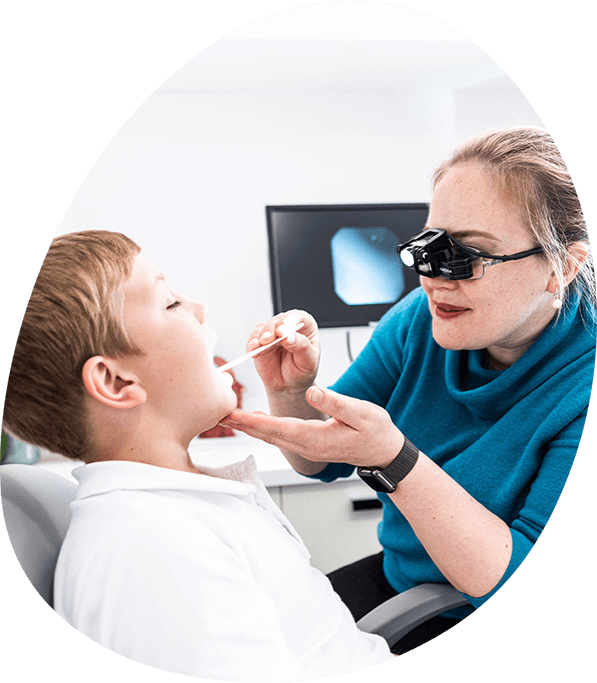
Snoring & Sleep-Disordered Breathing in Children

When Is Snoring a Concern in Children?

Snoring is common in children and does not necessarily mean that a child has obstructive sleep apnoea.

Some children snore without having clinically significant breathing obstruction during sleep.

Others have sleep-disordered breathing or obstructive sleep apnoea that warrants further assessment.
What’s On This Page

What symptoms should parents look for?

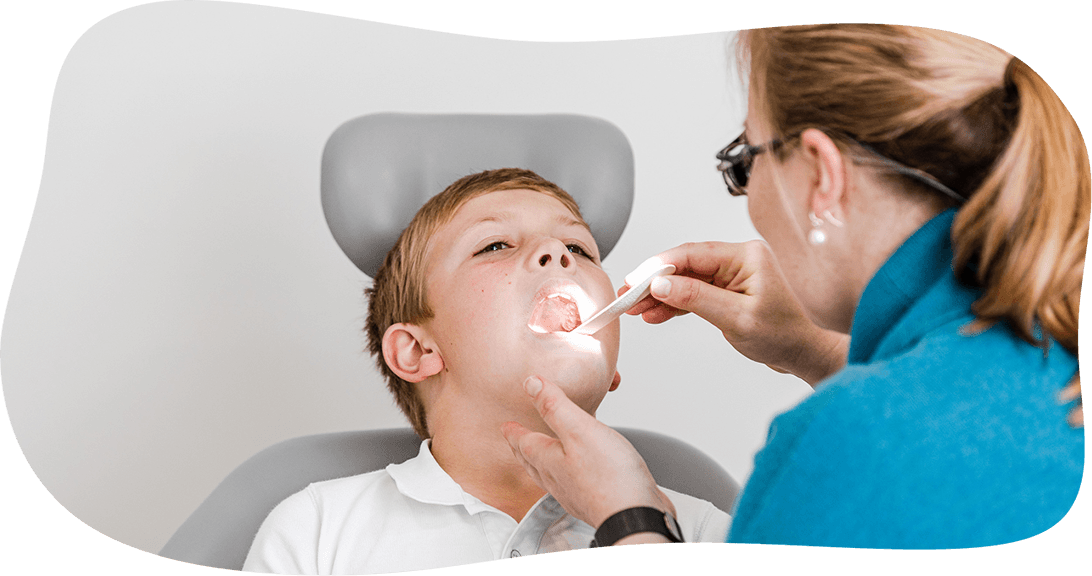
Further assessment may be appropriate when regular snoring occurs together with:
  • pauses in breathing
  • gasping or struggling to breathe
  • very restless sleep
  • frequent waking
  • persistent mouth breathing
  • unusual sleeping positions
  • daytime tiredness
  • irritability
  • difficulty concentrating
  • behavioural changes

What causes sleep-disordered breathing in children?

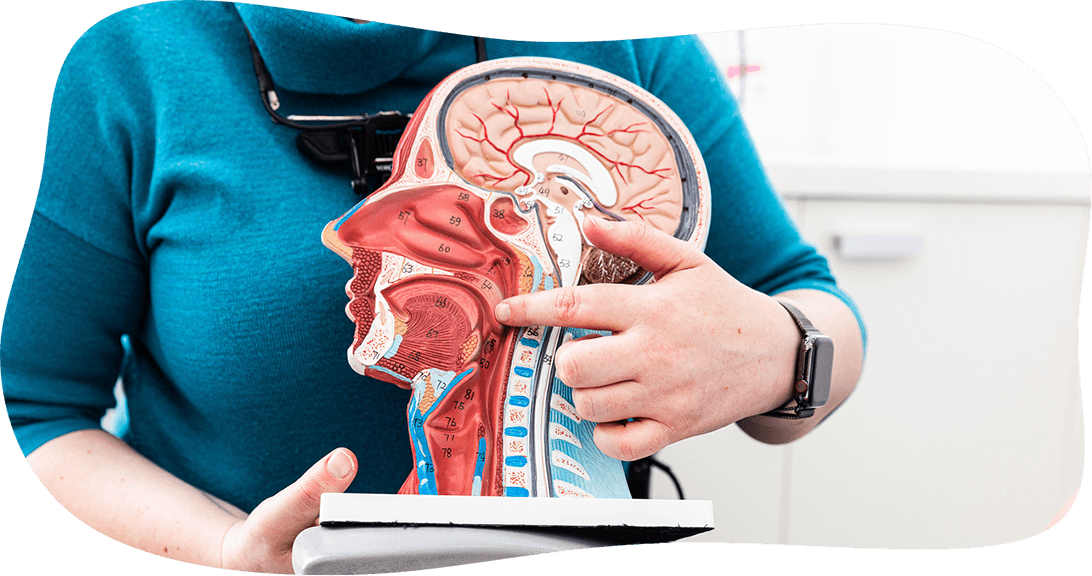
In otherwise healthy children, enlarged tonsils and adenoids are common contributors.


Other factors may include:
  • nasal obstruction
  • allergy
  • craniofacial anatomy
  • body weight
  • neuromuscular or other medical conditions
The cause is not always obvious from symptoms alone.

Does every child who snores need surgery?

No.


Snoring is common and many children do not need an operation.


Surgery is generally considered when enlarged tonsils or adenoids are thought to be contributing to clinically significant sleep-disordered breathing or obstructive sleep apnoea.
Does my child need a sleep study?

Not always.


Some children can be assessed clinically.


A sleep study may be helpful where:

  • the diagnosis is uncertain
  • symptoms and examination do not match
  • there are significant medical conditions
  • the severity of sleep apnoea needs to be quantified
  • the result would influence treatment
Under current Medicare arrangements, children aged 0–11 years who require a Medicare-funded paediatric sleep study must have the need for the study determined by an appropriately qualified paediatric sleep medicine practitioner.

Adolescents aged 12–17 may be assessed by either an appropriately qualified paediatric or adult sleep medicine practitioner.

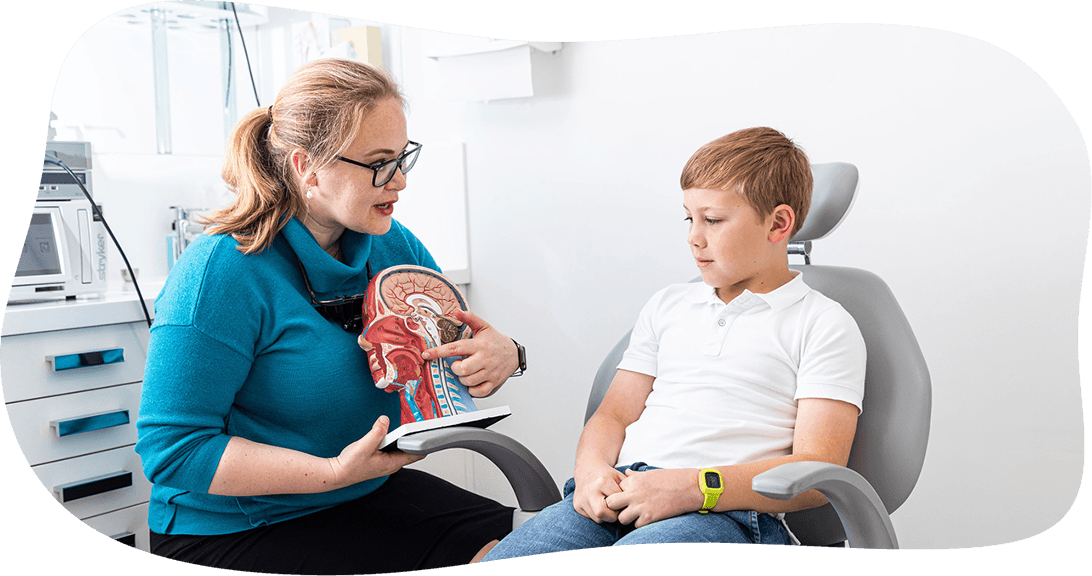
Dr Crawford will arrange referral where a sleep medicine assessment or sleep study is likely to be useful.

How is it treated?

Treatment depends on the cause and severity.


Options may include:

  • observation
  • treatment of nasal allergy or obstruction
  • review by a sleep medicine physician
  • tonsillectomy
  • adenoidectomy
  • adenotonsillectomy
  • other treatment where underlying medical factors are present
Not every child who snores requires tonsil or adenoid surgery.

Frequently Asked Questions

We value financial transparency. The costs for surgery include the surgeon's fee, the anaesthetist's fee, and the hospital fee. We will provide a detailed estimate of costs prior to any procedure including any potential out-of-pocket expenses and Medicare rebates. Please contact our rooms for a schedule of fees.

A referral from your GP or another specialist is recommended and is generally required to claim a Medicare rebate for the consultation.

Some children's symptoms change over time as the tonsils and adenoids naturally reduce in size. Whether observation or treatment is the right approach depends on the individual child, which Dr Crawford can discuss with you at assessment.

Surgery may improve the obstruction where enlarged tonsils and adenoids are the main cause, but it is not guaranteed to resolve every child's symptoms. Some children need further assessment or other treatment afterwards.

No. A sleep study is not required for every child. It is considered when the diagnosis is unclear or when it will help guide a decision about treatment, and who can determine the need depends on your child's age, as set out above.

No. Snoring is common in children and does not always mean the child has obstructive sleep apnoea. Assessment depends on the pattern and severity of symptoms, and sometimes a sleep study.

Dr Crawford sees children from 24 months of age through to 18 years. Children younger than 24 months, and those with complex airway or other congenital problems, are usually better managed by a paediatric ENT subspecialist at one of Sydney's specialist children's hospitals.

Book a Paediatric Consultation

Dr Crawford sees children with snoring and sleep-disordered breathing at Sydney ENT Clinic in Darlinghurst and Kogarah.

If your child has had a previous sleep study, specialist assessment or other relevant investigation, please provide the results before the appointment where possible. A valid referral from your GP or another medical specialist is required to claim Medicare rebates.

Get in Touch

Our team can assist with appointment enquiries and help arrange a consultation with Dr Julia Crawford at one of her three Sydney consulting locations:

Sydney ENT Clinic, Darlinghurst

Ground Floor, 67 Burton Street, Darlinghurst NSW 2010

Sydney ENT Clinic,
Kogarah

Suite 5, Level 2, 19 Kensington Street, Kogarah NSW 2217

Chris O'Brien Lifehouse

119-143 Missenden Road, Camperdown NSW 2050

Book Your Consultation

Dr Crawford consults for head and neck conditions, head and neck cancer, thyroid and salivary gland disease, obstructive sleep apnoea, paediatric ENT and a range of general ENT conditions.

Her team can assist with arranging an appointment at Sydney ENT Clinic in Darlinghurst or Kogarah, or Chris O'Brien Lifehouse, and will help ensure the appropriate referral, imaging, test results and other relevant information are available before your consultation.

©2026 Dr. Julia Crawford. All rights reserved.