Nasal Polyps Treatment

Nasal Polyps Treatment in Sydney

Nasal polyps are soft and painless non-cancerous growths on the lining of your nasal passages or sinuses which result from chronic inflammation.
Aiming to Restore Senses

Treatment focuses on clearing the blockage to restore normal breathing and help improve the sense of smell.

Medical First

We prioritise medical management using sprays and washes before considering surgical intervention.

Precise Surgery

When surgery is required Dr Julia Crawford uses minimally invasive endoscopic techniques to safely remove polyps and open sinus pathways.

What’s On This Page

What are the symptoms of nasal polyps?

Nasal polyps are soft growths that hang down like teardrops or grapes inside your nose. They result from chronic inflammation of the mucous membrane. Unlike other lumps that might be painful or hard these are usually painless and benign.


Small polyps may not cause any issues. Larger growths or groups of polyps can block your nasal passages and lead to breathing problems or a lost sense of smell and frequent infections. They are common in adults and are often associated with conditions like asthma or allergies.
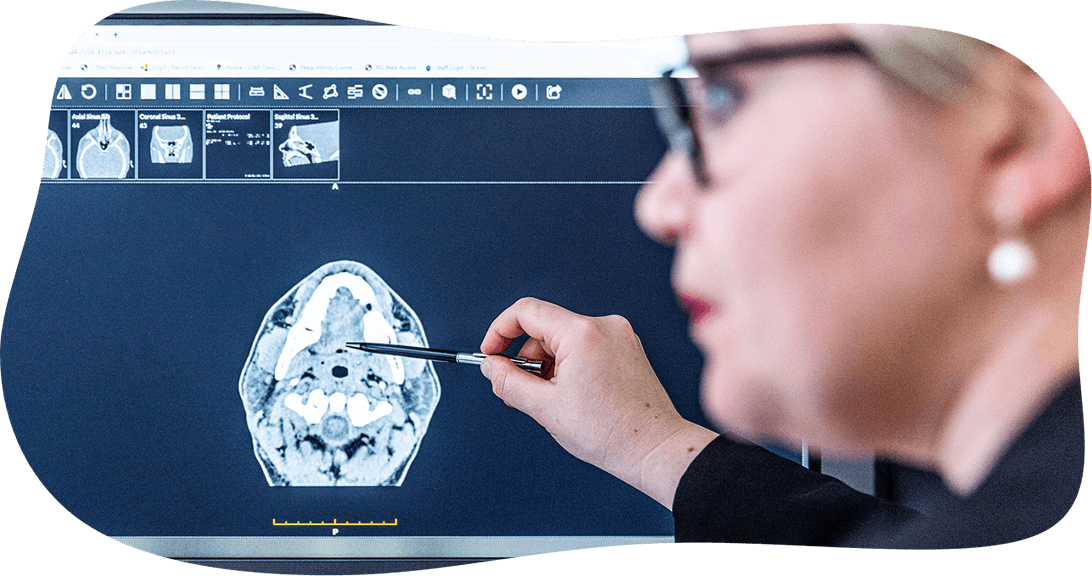
What are the symptoms of nasal polyps?

Symptoms of nasal polyps build up gradually. Many patients attribute their symptoms to a "cold that won't go away" before seeking specialist help.
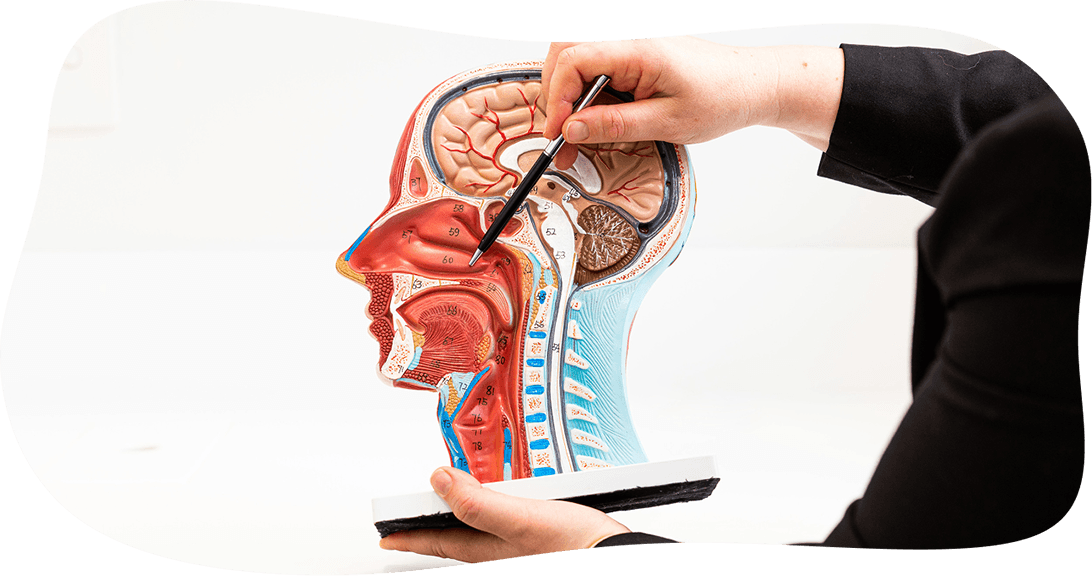
Respiratory Symptoms

You may experience a constant feeling of stuffiness that does not clear with blowing your nose along with persistent clear nasal discharge or a postnasal drip sensation.

Loss of Smell

A decreased or absent sense of smell (anosmia) is one of the most common and frustrating symptoms.

Facial Pressure

A sense of fullness or pressure across the forehead and face.

Sleep Issues

Snoring and sleep disruption due to the physical blockage of the airway.

Why Do Polyps Form?

Doctors do not yet fully understand why some people get long-term inflammation that triggers polyps while others do not. We do know that certain triggers often play a role.
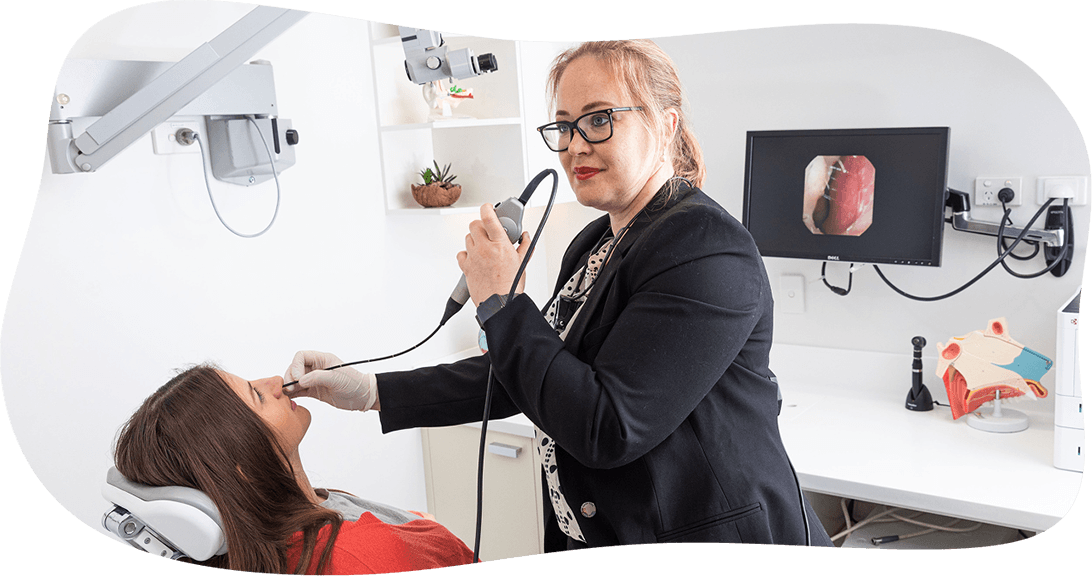
Asthma

There is a strong link between airway inflammation in the lungs and the nose.

Aspirin Sensitivity

Some people with polyps have an allergic-like reaction to aspirin or ibuprofen (AERD).

Allergic Fungal

Sinusitis An allergic reaction to airborne fungi can cause significant polyp growth.

Cystic Fibrosis

In children or young adults this genetic condition is a potential cause.
Because the causes can be varied a thorough diagnostic process is essential to create an effective management plan.

How is the condition diagnosed?

Dr Crawford uses specific tools to confirm the presence of polyps and assess their extent.
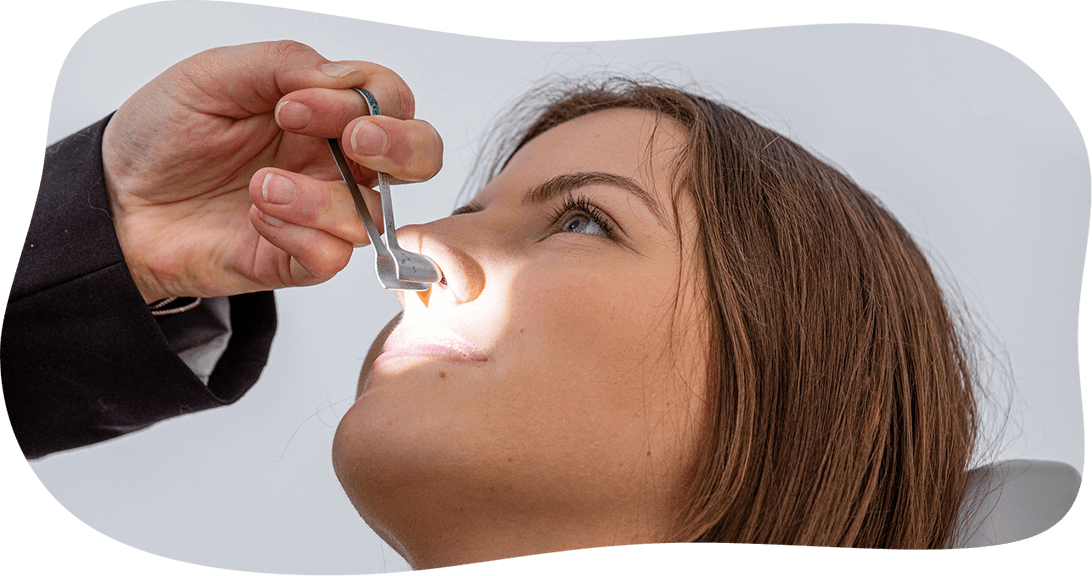
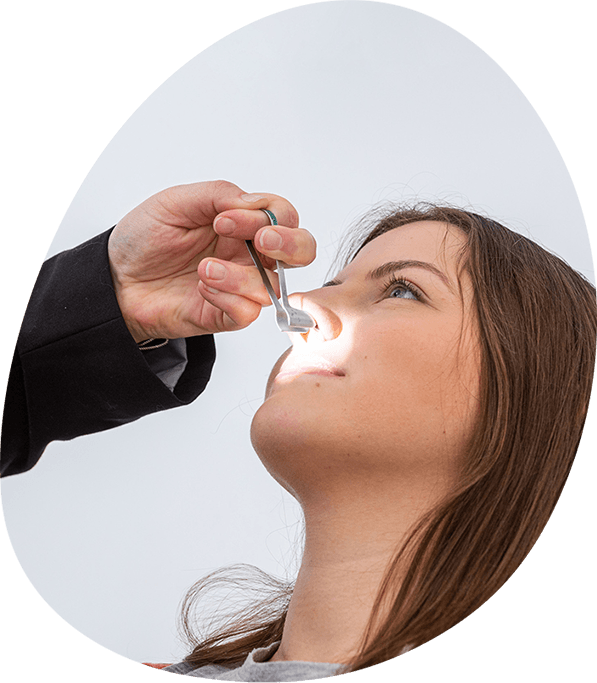
A thin tube with a light and camera is used to look deep inside your nose. This procedure is performed in the rooms and allows us to see the polyps directly.

Red Flag Check

If we see polyps on only one side (unilateral) it is a warning sign that requires urgent investigation to rule out malignancy or other types of growths.

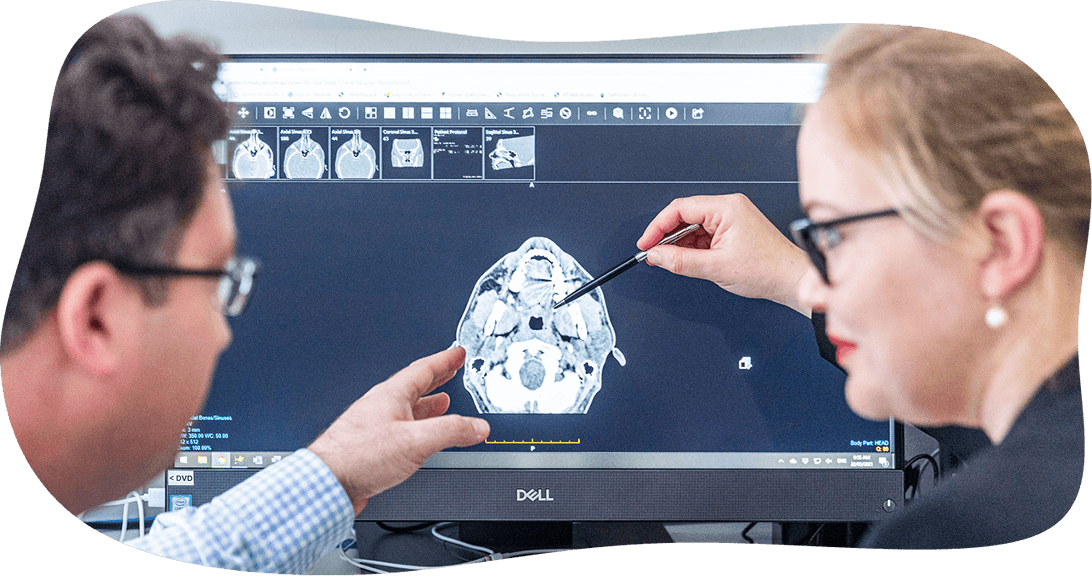
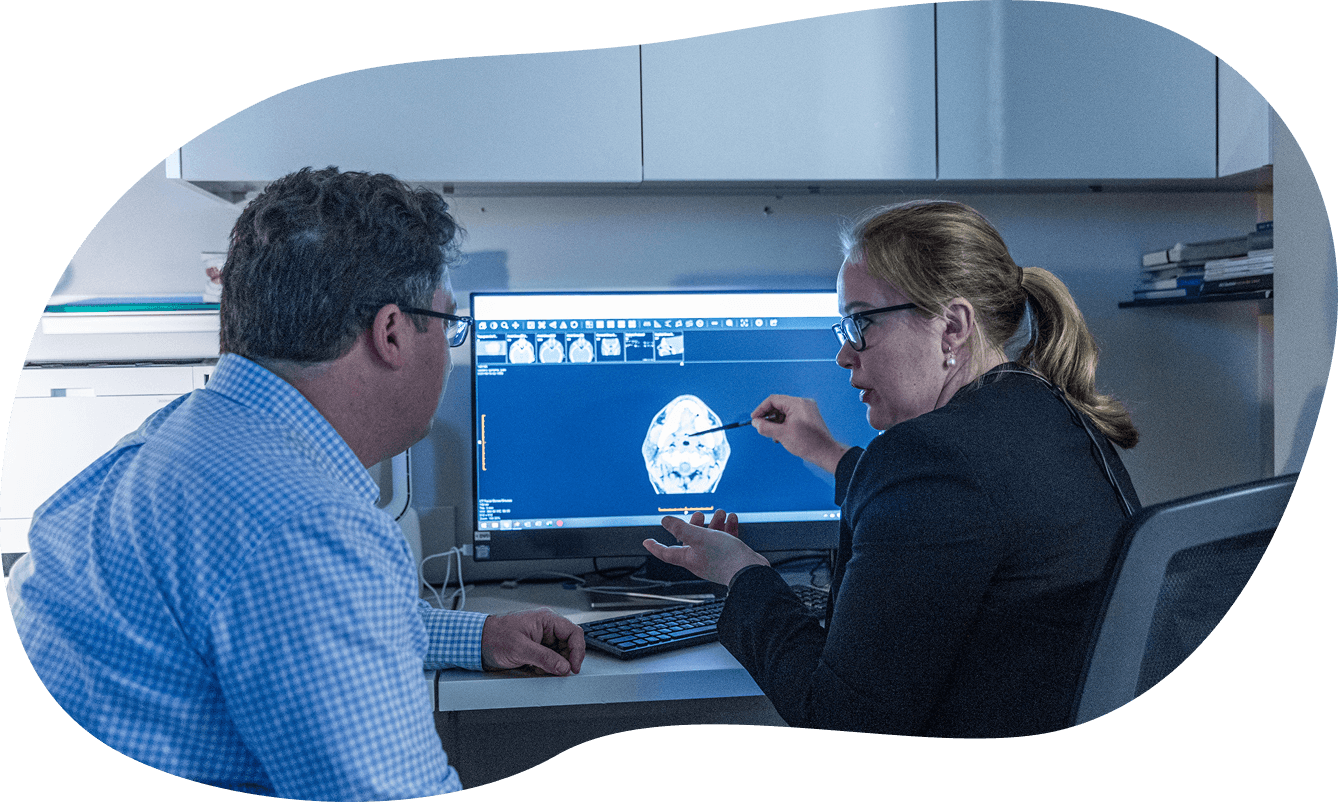
A scan helps us determine the exact size and location of the polyps in the deeper sinus cavities. It acts as a "roadmap" if surgery is required.

We may recommend testing to identify environmental triggers contributing to the inflammation.

How do you get rid of nasal polyps?

The goal of treatment is to reduce the size of the polyps to improve breathing and sinus drainage. Total elimination of polyps is the ideal outcome but not always possible without surgery.

This is always the first step.

Corticosteroids

Nasal sprays or drops are used to reduce inflammation. Short courses of oral steroids (prednisolone) may be used to shrink polyps rapidly.

Saline Irrigation

Washing the nose with saltwater helps clear mucus and allergens.

Biologics

For severe cases that do not respond to other treatments we may prescribe biologic medications such as Dupilumab (Dupixent). These target the specific inflammation pathways causing the polyps.

If medical treatment does not shrink the polyps sufficiently or if they cause severe symptoms surgery may be necessary.

Endoscopic Sinus Surgery (FESS) Dr Crawford performs this surgery entirely through the nostrils using an endoscope. There are no external cuts.
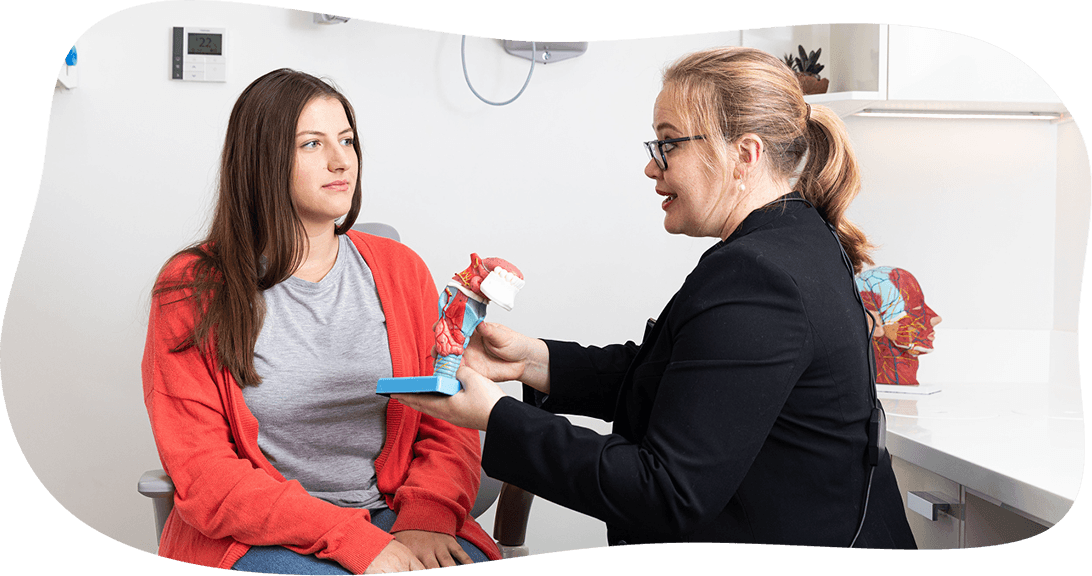
Polypectomy

We use tiny instruments to carefully remove the polyps and obstructed bone or tissue.

Image Guidance

Precise navigation technology is used to track the instruments in real-time ensuring maximum safety near the eyes and brain.

Opening Pathways

The goal is not just to remove the polyps but to widen the sinus openings. This allows nasal sprays and rinses to reach the sinus lining effectively after surgery.

Allergies are a chronic condition. We provide you with a long-term management plan to keep symptoms under control and prevent future flare-ups.

Managing Recurrence

It is important to understand that nasal polyps can return. Treatment is often about "control" rather than a permanent "cure". Even after successful surgery you will likely need to continue using nasal sprays or rinses to keep the inflammation down and prevent regrowth.

Costs and Financial Information

We believe in transparency regarding medical fees.
Consultation

The initial consultation fee is payable on the day. A valid GP referral allows you to claim a Medicare rebate.

Surgery Costs

If surgery is required we provide a detailed "Informed Financial Consent" outlining Dr Crawford's fees and the anaesthetist's fees and hospital costs.

Insurance Codes

Nasal polyp surgery typically uses item numbers such as 41737 (FESS). We recommend checking your level of cover with your private health fund.

Why Choose Dr Julia Crawford

Nasal polyp surgery requires precision to clear the disease while preserving healthy tissue.

Specialised Training

Dr Crawford is fellowship-trained in precise sinus techniques and uses the latest technology for safe outcomes.

Holistic Approach

We look beyond the surgery to manage the underlying inflammation including collaboration with respiratory physicians for asthma management.

Academic Leadership

Dr Crawford stays at the forefront of new treatments including biologic therapies through her role at UNSW.

Consultation Locations

Dr Crawford consults at three convenient locations across Sydney.
Darlinghurst Rooms

Our primary city location for general ENT and robotic surgery consultations.

Kogarah Rooms

Serving patients in the southern suburbs of Sydney.

Chris O'Brien Lifehouse

This location is dedicated specifically to our head and neck cancer patients.

Hospital-Based Appointments

While your specialist consultations take place at the clinics listed above, the surgical process involves a separate set of mandatory hospital-based appointments. These take place at the facility where your procedure is scheduled, such as St Vincent’s Private Hospital or St George Private Hospital. These appointments are a critical part of the safety protocol for Transoral Robotic Surgery (TORS).

Book a Specialist Assessment

If you are struggling with a blocked nose or loss of smell professional assessment provides the answers you need.

Dr Julia Crawford consults in Darlinghurst and Kogarah.
Get in Touch

Our team can assist with appointment enquiries and help arrange a consultation with Dr Julia Crawford at one of her three Sydney consulting locations:

Sydney ENT Clinic, Darlinghurst

Ground Floor, 67 Burton Street, Darlinghurst NSW 2010

Sydney ENT Clinic,
Kogarah

Suite 5, Level 2 19 Kensington Street Kogarah NSW 2217

Chris O'Brien Lifehouse

119, 143 Missenden Road, Camperdown NSW 2050

Book Your Consultation

Dr Julia Crawford consults for head and neck conditions, head and neck cancer, thyroid and salivary gland disease, obstructive sleep apnoea, paediatric ENT and selected general ENT problems.

Her team can assist with arranging an appointment at Darlinghurst, Kogarah or Chris O'Brien Lifehouse, and will help ensure the appropriate information and investigations are available before your consultation.

©2026 Dr. Julia Crawford. All rights reserved.