Robotic or Traditional ENT Surgery

Which is Right for You? Robotic or Traditional ENT Surgery?

Robotic ENT surgery, specifically Transoral Robotic Surgery (TORS), provides a minimally invasive alternative to traditional open procedures by accessing the surgical site through the natural opening of the mouth. This advanced approach eliminates the need for large external incisions while providing surgeons with 3D high-definition visualisation and a level of precision that exceeds the capabilities of the human hand alone.
Faster Recovery

Most patients experience shorter hospital stays and a more rapid return to normal eating and speaking functions.

No Visible Scarring

Because the surgery is performed internally, there are no large incisions required in the neck or jaw.

Superior Accuracy

The robotic technology filters out tiny hand tremors and allows for a greater range of motion in tight surgical spaces.

What’s On This Page

Understanding the Foundation of ENT Surgery

Choosing to undergo surgery for a head or neck condition is a significant life decision. For many decades, traditional "open" surgical methods were the only way to reach complex areas such as the back of the throat, the base of the tongue, or the tonsils. While these traditional methods are highly effective at removing diseased tissue, they often require extensive external incisions and long, difficult recovery periods.


Today, advancements in medical technology have introduced robotic-assisted options that provide a gentler path to recovery. Dr Julia Crawford uses these modern tools to perform complex procedures with 10x magnification, allowing for a level of precision that helps preserve healthy tissue and vital nerves. This guide is designed to help you understand the differences between these approaches so you can feel confident and informed in your treatment choices.

The Evolution of Transoral Robotic Surgery (TORS)

In the past, reaching a tumour at the base of the tongue often required a procedure known as a "mandibulotomy". This involved the surgeon splitting the jawbone to gain access to the throat. While this was the medical standard at the time, it led to significant physical trauma, permanent scarring, and a lengthy rehabilitation process for the patient’s speech and swallowing.


The development of Transoral Robotic Surgery (TORS) has changed this landscape entirely. By using slender, articulated robotic arms that enter through the mouth, surgeons can now reach these same complex areas without any external cuts. This shift from "open" to "minimally invasive" surgery has fundamentally improved the patient experience and long-term functional outcomes.

How the Robotic System Works

It is a common misconception that the robot performs the surgery independently. In reality, the system is a sophisticated tool entirely controlled by the surgeon. Dr Julia Crawford sits at a specialised console in the operating theatre, viewing the surgical site through a high-definition 3D camera.


When she moves her hands at the console, the robotic arms inside the patient move in perfect synchrony but with enhanced stability. The system is specifically designed to filter out any natural human tremor, ensuring that every movement is steady and precise. The instruments are also "wristed," meaning they can rotate and flex in ways that traditional straight surgical tools cannot.
A Detailed Comparison of Robotic vs Traditional Surgery

When we compare these two surgical paths, we look at several factors that impact your long-term health, physical appearance, and daily life.
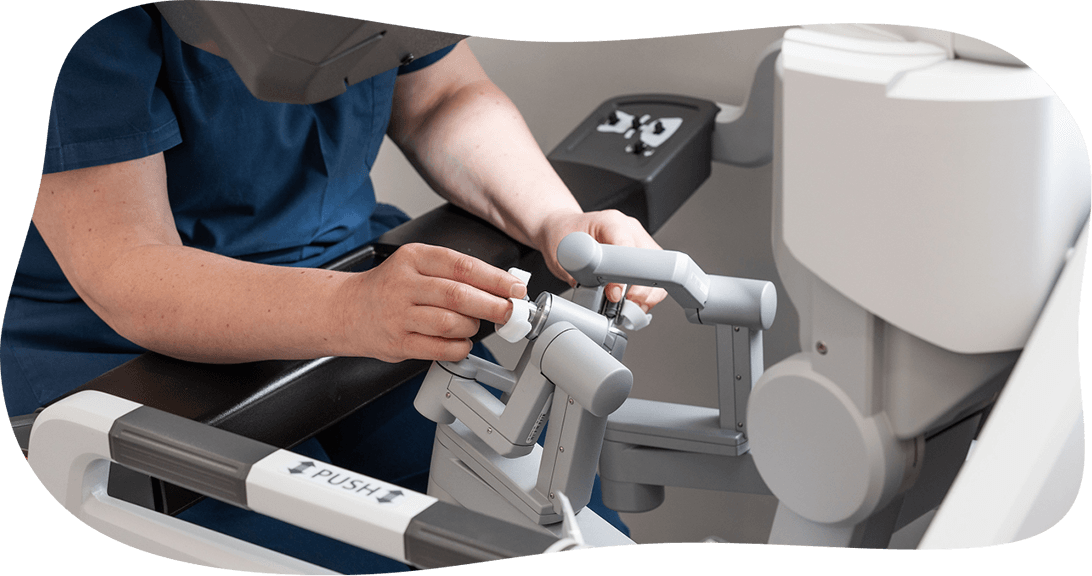
In traditional surgery, the surgeon’s view is limited to what they can see through the incision or via a headlight. In robotic surgery, the 3D camera provides depth perception that is far superior to a standard 2D monitor or the naked eye. This "look around the corner" capability is vital when working near delicate structures like the carotid artery or the nerves that control the tongue.

Traditional surgery often leaves a permanent scar on the neck or face. While surgeons work hard to hide these in natural skin folds, they remain a visible reminder of the procedure. Because robotic surgery is performed through the mouth, there is no external evidence of the operation. This is often a significant psychological benefit for patients during their recovery.

The primary goal of any ENT surgery is to preserve the patient’s ability to speak and swallow. Because the robotic approach is less traumatic to the surrounding muscles of the throat, the rehabilitation process is usually much faster. Patients often transition from a feeding tube back to a normal diet weeks earlier than those undergoing traditional open surgery.
Feature
Robotic-Assisted (TORS)
Traditional Open Surgery
Incision Site
Internal (through the mouth)
External (neck or jaw)
Visible Scarring
None
Potential for large neck scars
Visualisation
100x 3D High-Definition magnification
Direct line of sight
Hospital Stay
Potentially shorter (2-3 nights)
Generally longer (7+ nights)
Recovery Path
Faster return to normal diet
Slower return to eating/speaking

Conditions Treated with Robotic-Assisted Surgery

While robotic surgery is a powerful tool, it is not used for every ENT condition. Dr Crawford evaluates each case individually to ensure the technology provides a clear clinical advantage.
TORS has become a gold standard for treating cancers of the tonsils and the base of the tongue, particularly those linked to the Human Papillomavirus (HPV). Because these tumours are often found in otherwise healthy, younger patients, the goal is to remove the cancer while maintaining the highest possible quality of life and avoiding the side effects of high-dose radiation where possible.

For some patients, sleep apnoea is caused by an excess of tissue at the very back of the tongue (lingual tonsils). When standard treatments like CPAP machines are not successful or tolerated, robotic surgery can be used to safely reduce this tissue. By clearing the airway at the base of the tongue, patients can breathe more freely during sleep.

Certain non-cancerous growths in the throat can be difficult to reach with traditional tools. The robot allows for a clean excision of these growths with minimal impact on the surrounding healthy tissue.

The Surgical Process and Patient Journey

Understanding what to expect can help ease the anxiety often associated with surgery.

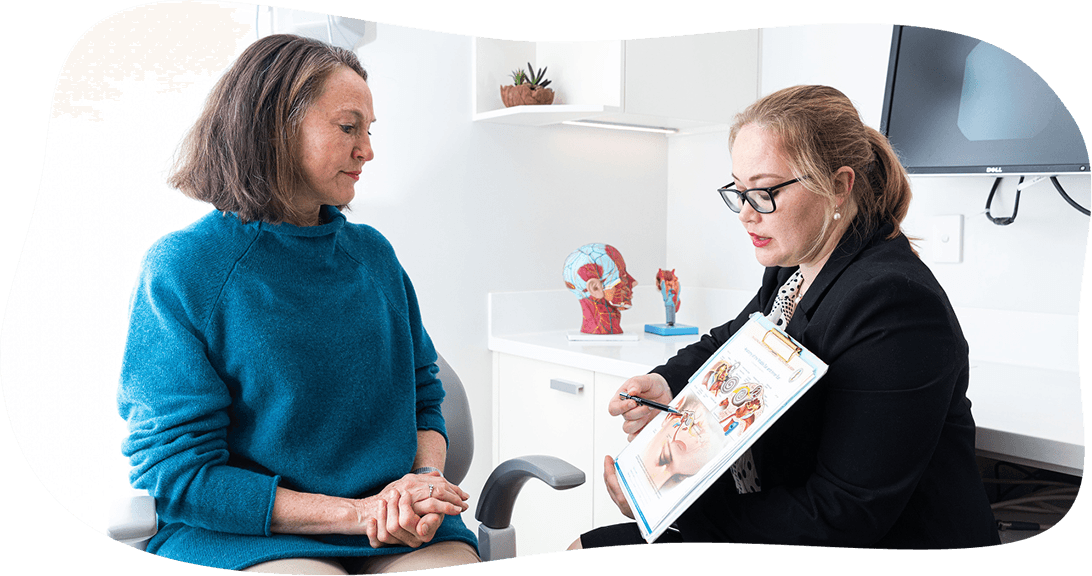
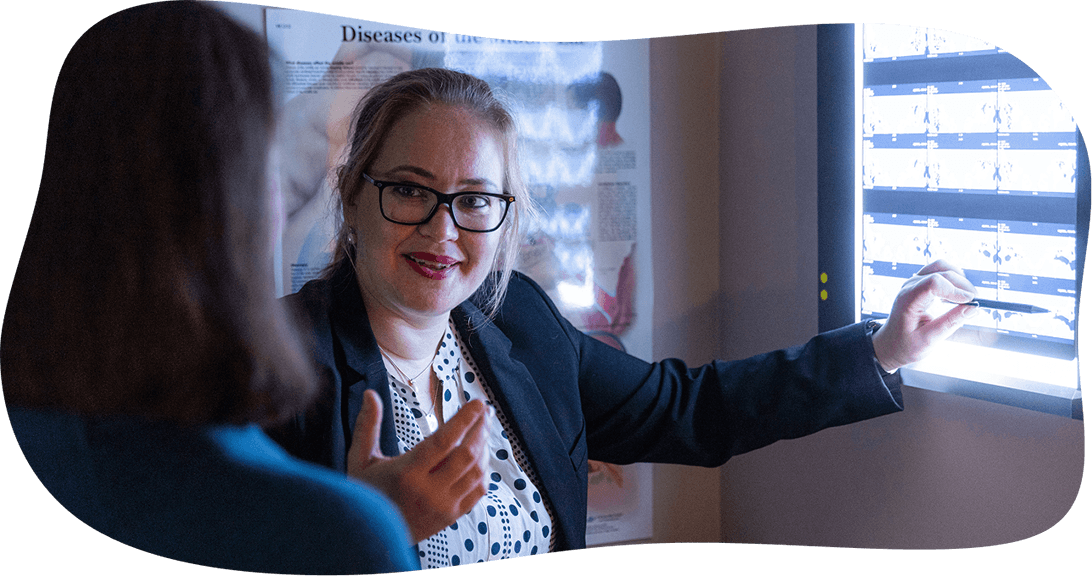
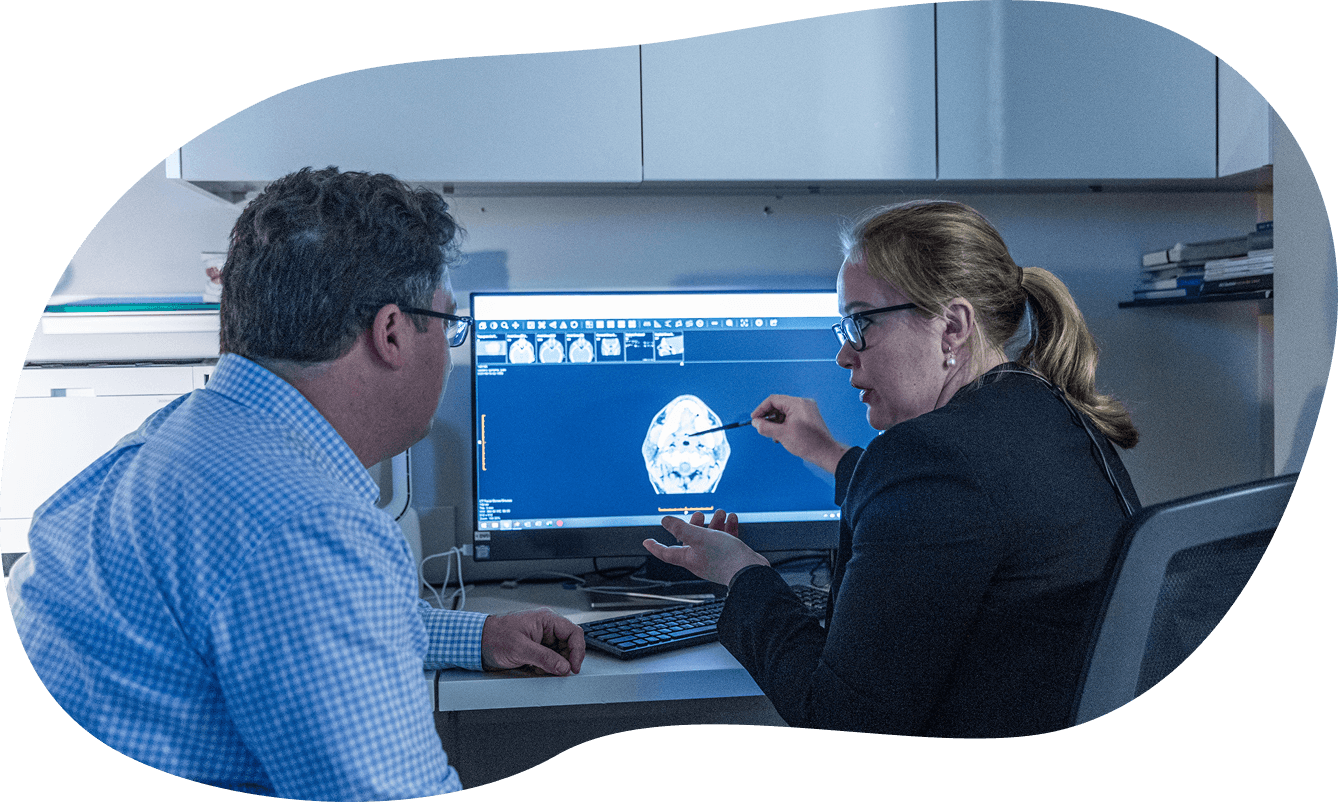
During your first meeting, Dr Crawford will review your scans, biopsy results, and medical history. She will explain why she recommends a specific approach, whether robotic or traditional. This is the time to ask questions about the technology and what the specific goals of your surgery will be. We encourage patients to bring a family member or friend to this appointment.

Before surgery, you may need to meet with other members of the multidisciplinary team, such as a speech pathologist or a dietitian. They will assess your baseline function and prepare you for the post-operative recovery phase. You will also have a pre-admission appointment at the hospital to ensure you are fit for general anaesthetic.

On the day of your procedure, the robotic equipment is positioned at the head of the bed once you are under anaesthetic. Dr Crawford remains in the room at all times, guiding the instruments from the console. The procedure typically takes between one and three hours depending on the complexity of the case.

Post-Operative Recovery and Rehabilitation

Recovery from throat surgery requires patience and a structured plan to ensure the best functional outcomes.
Immediately after surgery, your throat will feel sore, similar to a severe case of tonsillitis. You will be monitored closely by a team of nurses and speech pathologists in the ward. Our goal is to get you moving and, if safe, starting a clear liquid or soft diet within a few days.

Pain management is a priority. We use a combination of medications to ensure you are comfortable enough to swallow and stay hydrated. In some cases, a temporary feeding tube may be used for a few days to ensure you receive adequate nutrition while the throat heals, though this is less common with robotic surgery than with traditional methods.

For many robotic surgery patients, hospital stays are limited to two or three nights. Once home, you will follow a specific swallowing exercise program. This helps retrain the muscles of the throat and ensures you return to your regular diet as quickly as possible. You will have regular follow-up appointments with Dr Crawford to monitor your healing.

Why Choose Dr Julia Crawford

When choosing a surgeon for robotic procedures, experience and specialised training are the most important factors.
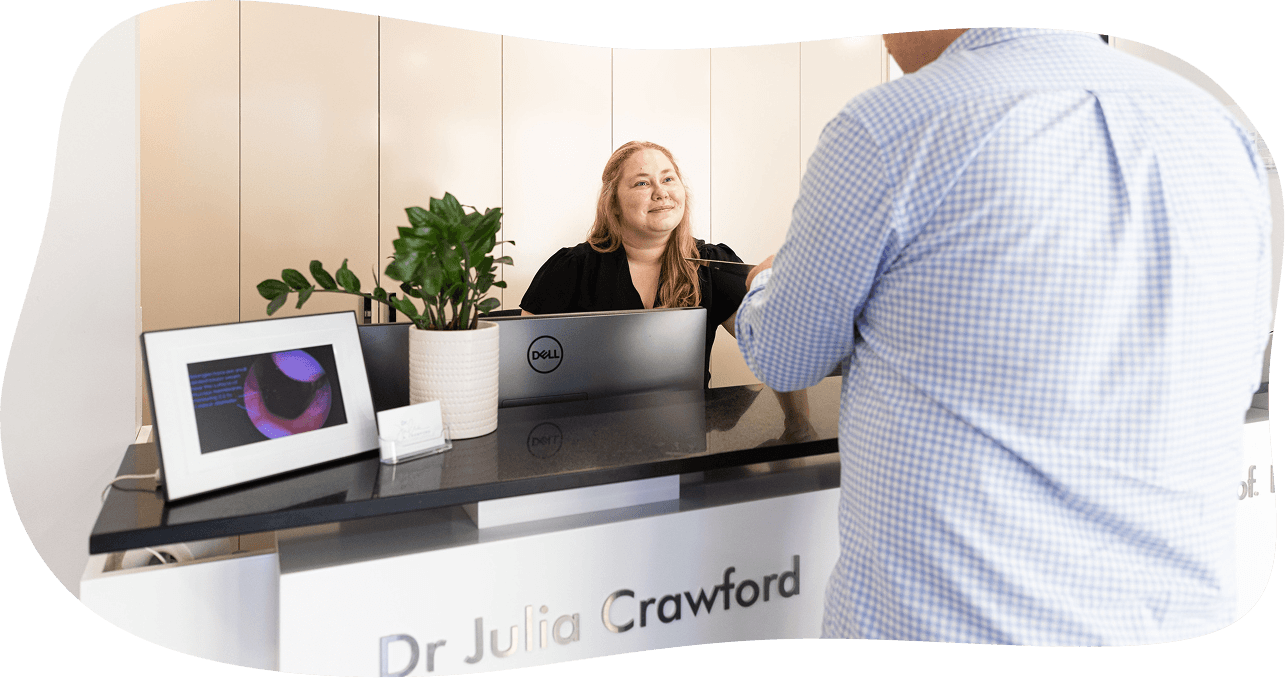
International Expertise

Dr Crawford completed an intensive two-year fellowship in the United States, focusing specifically on robotic head and neck surgery at prestigious institutions.

Proven Track Record

She has been practicing as a specialist in Sydney for over six years, performing hundreds of successful robotic procedures and contributing to the advancement of the field in Australia.

Commitment to Education

As a conjoint lecturer at UNSW and a trainer for robotic surgery, she actively helps set the standards for how these modern techniques are taught and practised.

A Personal Approach

We believe that every patient is unique. Dr Crawford takes the time to explain the "why" behind every recommendation, ensuring you are an active partner in your healthcare journey.

Consultation Locations

Dr Crawford consults at three convenient locations across Sydney.
Darlinghurst Rooms

Our primary city location for general ENT and robotic surgery consultations.

Kogarah Rooms

Serving patients in the southern suburbs of Sydney.

Chris O'Brien Lifehouse

This location is dedicated specifically to our head and neck cancer patients.

Hospital-Based Appointments

While your specialist consultations take place at the clinics listed above, the surgical process involves a separate set of mandatory hospital-based appointments. These take place at the facility where your procedure is scheduled, such as St Vincent’s Private Hospital or St George Private Hospital. These appointments are a critical part of the safety protocol for Transoral Robotic Surgery (TORS).

Frequently Asked Questions

Yes. In the Australian healthcare system, you must have a current referral from your GP to claim a rebate from Medicare for your consultation and any subsequent surgery. This also ensures your GP is kept informed of your treatment plan and recovery progress.

No. The technology is a "slave" system. It cannot move, cut, or cauterise tissue unless Dr Crawford manually directs it to do so from the console. It is simply a tool that allows her to perform her job with greater accuracy. Every movement of the robotic arms is a direct, filtered reflection of the surgeon's own hand movements.

For many patients, yes. Because it is less invasive, there is typically less blood loss and a lower risk of wound infections. However, no surgery is without risk. The decision between robotic and traditional surgery is based on your specific anatomy, the stage of your condition, and your overall health. Dr Crawford will discuss whether the robotic approach offers a safety advantage for your specific case.

For a robotic tonsil or tongue procedure, most patients stay in hospital for two to three nights. This is significantly shorter than the week or more often required for traditional open surgery, which frequently involves stays in the Intensive Care Unit (ICU).

Preserving swallowing function is one of the primary goals of the robotic approach. Because the robot allows for the preservation of more healthy muscle tissue in the throat, most patients return to a normal or soft diet much faster than with traditional surgery. You will work closely with a speech pathologist during your recovery to ensure your swallowing muscles are functioning correctly.

One of the most significant benefits of Transoral Robotic Surgery (TORS) is that it is performed through the mouth. This means there are no external incisions on the face or neck, resulting in no visible surgical scarring. In contrast, traditional surgery often requires a large incision in the neck or even the splitting of the jawbone.

Every surgical procedure carries risks such as bleeding, infection, or a reaction to anaesthesia. Specific to TORS, some patients may experience temporary changes in taste, numbness in the tongue, or minor changes in the quality of their voice. Serious complications are rare, and Dr Crawford will review all potential side effects with you during your consultation.

No. Robotic surgery is highly effective for specific areas like the tonsils, the base of the tongue, and certain parts of the larynx (voice box). It is not typically used for ear surgery or basic sinus procedures. Dr Crawford will determine if your specific condition is suitable for a robotic-assisted approach.

Preparation is similar to other major surgeries. You will likely need imaging scans (like a CT or MRI) so Dr Crawford can map out the procedure. You will also have a pre-operative assessment to ensure you are healthy enough for general anaesthetic. We generally advise patients to stop smoking and manage any existing conditions, like high blood pressure, prior to the date of surgery.

Most patients are able to return to light duties or office-based work within two to three weeks. If your job involves heavy lifting or significant physical exertion, you may need to wait four to six weeks. Dr Crawford will provide a specific timeline based on your individual recovery progress.

Get Started with Robotic ENT Surgery

If you have been diagnosed with a condition affecting the throat, tongue, or neck, we are here to help you explore your options. Our team is dedicated to providing modern, compassionate care using the latest surgical technology.
Get in Touch

Our team can assist with appointment enquiries and help arrange a consultation with Dr Julia Crawford at one of her three Sydney consulting locations:

Sydney ENT Clinic, Darlinghurst

Ground Floor, 67 Burton Street, Darlinghurst NSW 2010

Sydney ENT Clinic,
Kogarah

Suite 5, Level 2 19 Kensington Street Kogarah NSW 2217

Chris O'Brien Lifehouse

119, 143 Missenden Road, Camperdown NSW 2050

Book Your Consultation

Dr Julia Crawford consults for head and neck conditions, head and neck cancer, thyroid and salivary gland disease, obstructive sleep apnoea, paediatric ENT and selected general ENT problems.

Her team can assist with arranging an appointment at Darlinghurst, Kogarah or Chris O'Brien Lifehouse, and will help ensure the appropriate information and investigations are available before your consultation.

©2026 Dr. Julia Crawford. All rights reserved.