
Child ENT Surgery

Preparing Your Child for ENT Surgery in Sydney

Surgery can be a source of anxiety for families but proper preparation significantly reduces stress and improves the experience for your child.
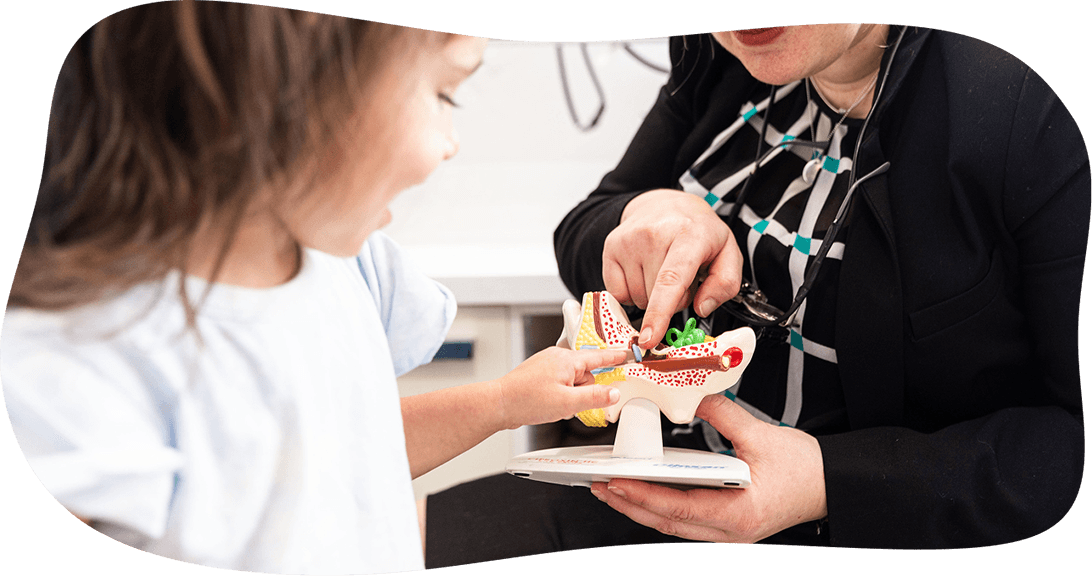
Honest Communication

Explain the procedure in simple age-appropriate language to build trust and reduce fear.

Practical Steps

Adhering to fasting guidelines is critical for safety while packing comfort items helps your child feel secure.

Recovery Focus

Understanding pain management and hydration requirements beforehand ensures a smoother recovery at home.

What’s On This Page

Understanding the Journey Ahead

It is completely normal to feel anxious when your child needs surgery. Whether it is for grommets, tonsillectomy, or adenoidectomy the prospect of a hospital visit can be daunting. However surgery is often the final step in resolving chronic issues like infections or sleep apnoea.


Preparation is not just about packing a bag. It involves preparing your child emotionally and understanding the practical steps of admission and recovery. As a specialised Sydney paediatric surgeon Dr Julia Crawford works closely with families to ensure you feel supported and informed at every stage. By explaining each step clearly we turn a scary event into a manageable step toward better health.
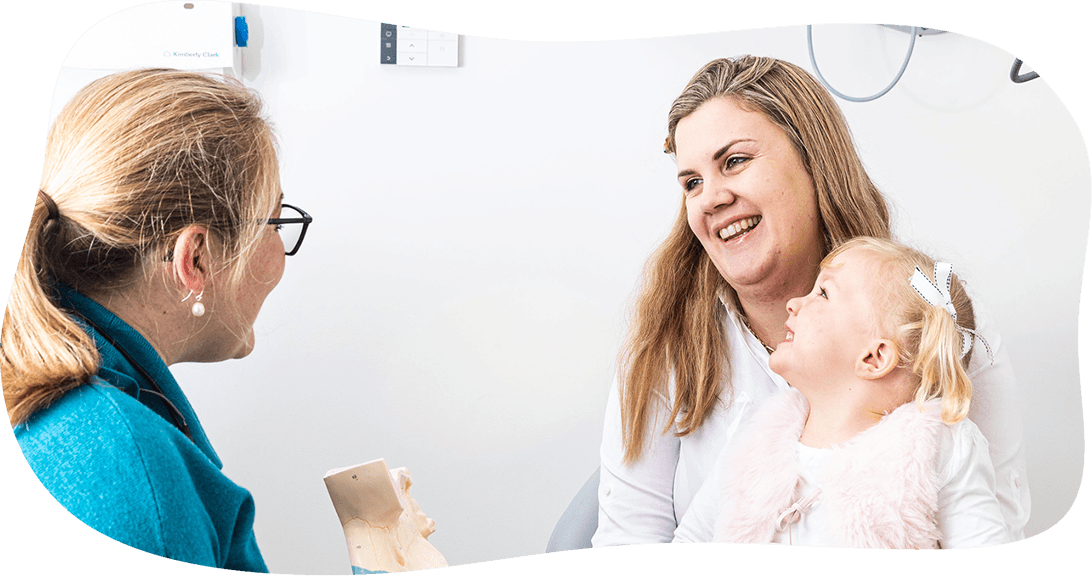
Making Hospitals Less Scary

The unknown is often the biggest source of fear for children. Replacing the unknown with simple and honest facts helps them cope.


Be Honest but Gentle Avoid saying "nothing will hurt" because if your child wakes up in pain they may lose trust in you. Instead explain that the doctors will help their throat or ear feel better. You can reassure them that while it might be sore afterwards you will have medicine to make the pain go away.


Use Simple Language Avoid scary words like "cut" or "knife".
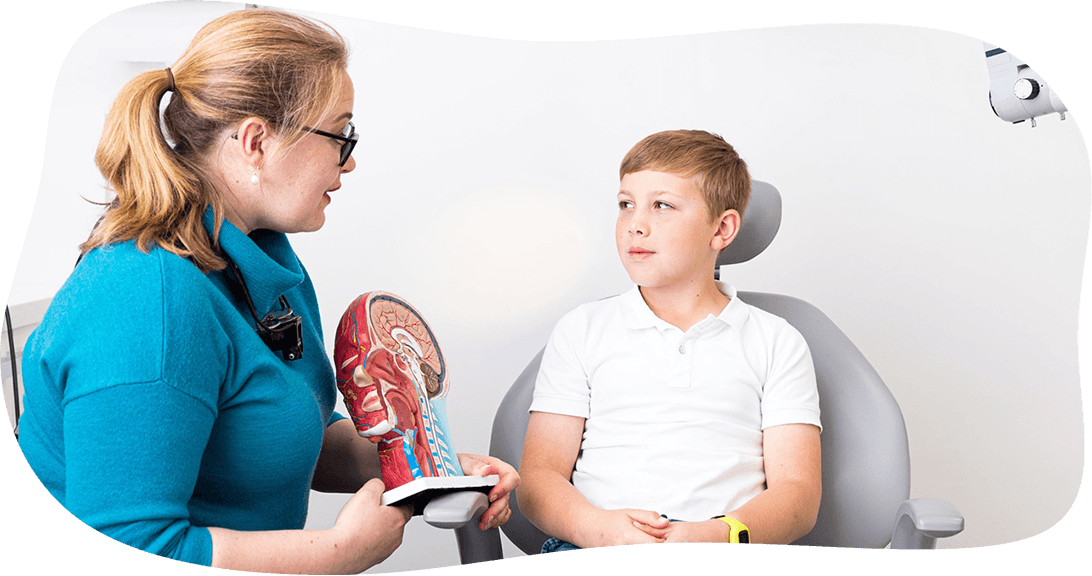
Instead of "The doctor will cut your tonsils out" try "The doctor will take away the lumps that are making you sick".
Instead of "Put to sleep" (which can be confused with pets) say "You will have a special sleep medicine so you don't feel anything".

Age-Specific Preparation Guide

Different ages process information differently. Tailoring your approach to your child's developmental stage is key.

When to tell them

1 to 2 days before.

What to say

Keep it very simple such as "We are going to the hospital to fix your ears".

Focus

Emphasise that you will be there when they wake up.

When to tell them

3 to 5 days before.

What to say

Explain that the doctor is a helper who wants them to feel better.

Activity

"Play doctor" with a teddy bear to act out listening to the heart or looking in ears.

When to tell them

1 to 2 weeks before.

What to say

Give more details about why the surgery is needed such as "This will stop you getting sick so much".

Activity

Encourage them to ask questions and answer them honestly.

When to tell them

As soon as the decision is made.

What to say

Involve them in the discussion with Dr Crawford.

Focus

Respect their need for privacy and encourage them to ask the doctor questions directly.
By matching the information to your child's age you help them feel in control rather than overwhelmed.

How do I prepare my child for surgery day?

The days leading up to surgery are about logistics and safety.

This is the most critical safety rule. General anaesthesia relaxes the muscles that keep the stomach contents down. If there is food or liquid in the stomach it can come up and enter the lungs.

No Food

usually for 6 hours before surgery.

Clear Fluids

water or apple juice is often allowed until 2 hours before admission (check your specific instructions).

Strict Adherence

surgery will be cancelled if these times are not followed.

Making the hospital environment familiar helps reduce anxiety.

Comfort Item

A favourite teddy, blanket, or toy is essential.

Distraction

iPad, books, or colouring sets for the waiting time.

Spare Clothes

Pyjamas and a change of clothes for both the child and the parent.

Sippy Cup

Their favourite bottle or cup to encourage drinking after surgery.

What Happens on the Day

Knowing the flow of the day helps you stay calm which in turn helps your child.
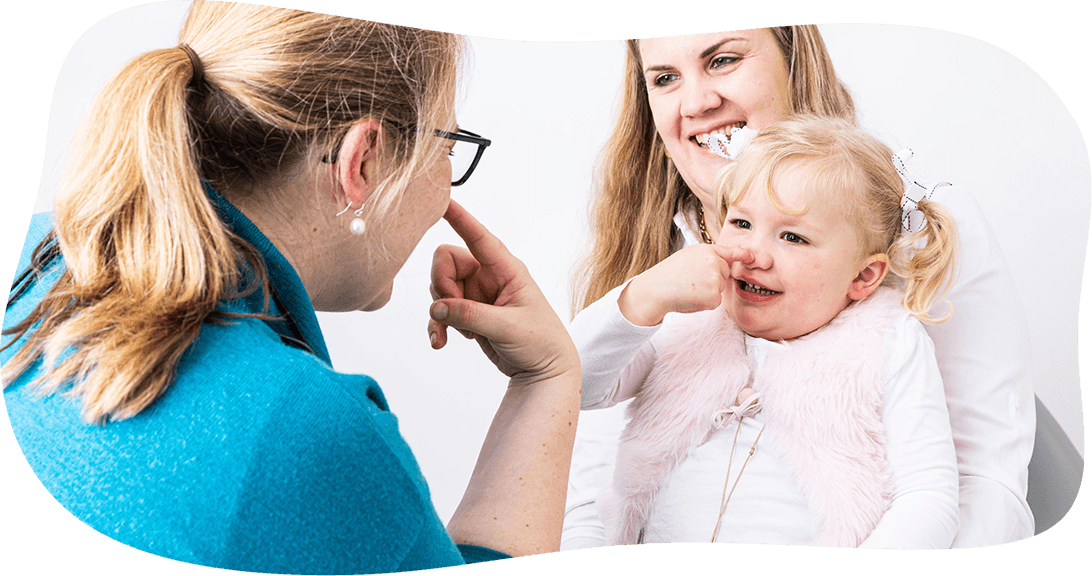
You will meet the nursing staff and the anaesthetist. They will check your child's weight and ask about recent illnesses. If your child has a cold or fever surgery may need to be postponed for their safety.

One parent is usually allowed to go into the anaesthetic room. You can hold your child's hand or give them a cuddle while they drift off. This happens very quickly. Once they are asleep you will be guided back to the waiting area.

Your child will wake up in the recovery room. You will be called to be with them as soon as they are awake. It is common for children to be groggy, confused, or even upset when waking up from anaesthesia. This is known as emergence delirium. It passes quickly.

What is the recovery process after paediatric ENT surgery?

The real recovery happens at home. Dr Crawford provides specific instructions for your child's procedure but general principles apply.

Do not wait for your child to complain of pain. Give pain relief (Paracetamol or Ibuprofen) regularly as directed for the first few days. Staying "ahead of the pain" makes it easier for them to eat and drink.
Tonsillectomy Recovery Guide

Your child will need time to heal. Keep them home from school or daycare for the recommended period (usually 1-2 weeks for tonsils and a few days for grommets). Avoid rough play or contact sports.

Contact us or go to the nearest emergency department if you notice specific warning signs.

Bleeding

Any fresh blood from the nose or mouth. For tonsillectomy patients there is a specific risk of secondary bleeding between day 5 and day 10 when the scabs fall off.

Fever

A temperature higher than 38.5°C that does not come down with medication.

Dehydration

Refusal to drink or lack of wet nappies/trips to the toilet.

Fees and Financial Information

We believe in transparency regarding costs.

Fees are payable on the day. A referral from your GP ensures you can claim a Medicare rebate.

You will receive a detailed "Informed Financial Consent" outlining Dr Crawford's fees prior to surgery.

Please be aware that there may be a "gap" or out-of-pocket cost depending on your insurance policy. There will also be separate fees for the anaesthetist and the private hospital. We recommend checking with your private health fund regarding your level of cover and any excess payable.

Why Choose Dr Julia Crawford for Paediatric Care

You need a surgeon who combines technical skill with a parent-friendly approach.

Paediatric Expertise

Dr Crawford has extensive experience in managing complex paediatric airway and ear conditions.

Clear Communication

We take the time to explain the "why" and "how" to both parents and children.

Gentle Approach

We prioritise making the experience as fear-free as possible for our youngest patients.

Academic Leadership

Dr Crawford stays at the forefront of ENT advancements through her teaching role at UNSW.

Consultation Locations

Dr Crawford consults at three convenient locations across Sydney.
Darlinghurst Rooms

Our primary city location for general ENT and robotic surgery consultations.

Kogarah Rooms

Serving patients in the southern suburbs of Sydney.

Chris O'Brien Lifehouse

This location is dedicated specifically to our head and neck cancer patients.

Hospital-Based Appointments

While your specialist consultations take place at the clinics listed above, the surgical process involves a separate set of mandatory hospital-based appointments. These take place at the facility where your procedure is scheduled, such as St Vincent’s Private Hospital or St George Private Hospital. These appointments are a critical part of the safety protocol for Transoral Robotic Surgery (TORS).

Frequently Asked Questions

You can stay with your child in the anaesthetic bay until they are asleep. For safety reasons parents are not permitted in the operating theatre during the actual surgery. You will be reunited with them in the recovery room as soon as they wake up.

After throat surgery swallowing can be painful. Suppositories are an option for younger children who refuse oral medication. For older children liquid medication or crushing tablets into soft food like custard or yoghurt can help.

Most paediatric procedures like grommets or adenoidectomy are day cases. You will go home the same day once your child is eating and drinking. Tonsillectomy may require an overnight stay depending on the child's age and other factors.

Some discomfort is expected. Grommet insertion is usually very mild. Tonsillectomy involves a sore throat and earache for roughly 7-10 days. We provide a comprehensive pain management plan to keep your child comfortable.

Book a Consultation

If your child needs ENT surgery proper preparation starts with a professional discussion.

Dr Julia Crawford consults in Darlinghurst and Kogarah.
Get in Touch

Our team can assist with appointment enquiries and help arrange a consultation with Dr Julia Crawford at one of her three Sydney consulting locations:

Sydney ENT Clinic, Darlinghurst

Ground Floor, 67 Burton Street, Darlinghurst NSW 2010

Sydney ENT Clinic,
Kogarah

Suite 5, Level 2 19 Kensington Street Kogarah NSW 2217

Chris O'Brien Lifehouse

119, 143 Missenden Road, Camperdown NSW 2050

Book Your Consultation

Dr Julia Crawford consults for head and neck conditions, head and neck cancer, thyroid and salivary gland disease, obstructive sleep apnoea, paediatric ENT and selected general ENT problems.

Her team can assist with arranging an appointment at Darlinghurst, Kogarah or Chris O'Brien Lifehouse, and will help ensure the appropriate information and investigations are available before your consultation.

©2026 Dr. Julia Crawford. All rights reserved.