Transoral Robotic Surgery (TORS) is a surgical technique that allows selected areas of the throat and tongue base to be approached through the mouth using a robotic surgical system.
It is used predominantly for selected tumours of the oropharynx, particularly the tonsils and base of tongue, and in some patients with obstructive sleep apnoea caused by significant tongue-base or lingual tonsil obstruction.
Dr Julia Crawford is an ENT and Head & Neck Surgeon with advanced fellowship training in head and neck cancer surgery and Transoral Robotic Surgery.
TORS is not appropriate for every patient. The decision to use robotic surgery depends on the condition being treated, the individual anatomy and whether the robotic approach offers a meaningful advantage over other treatment options.

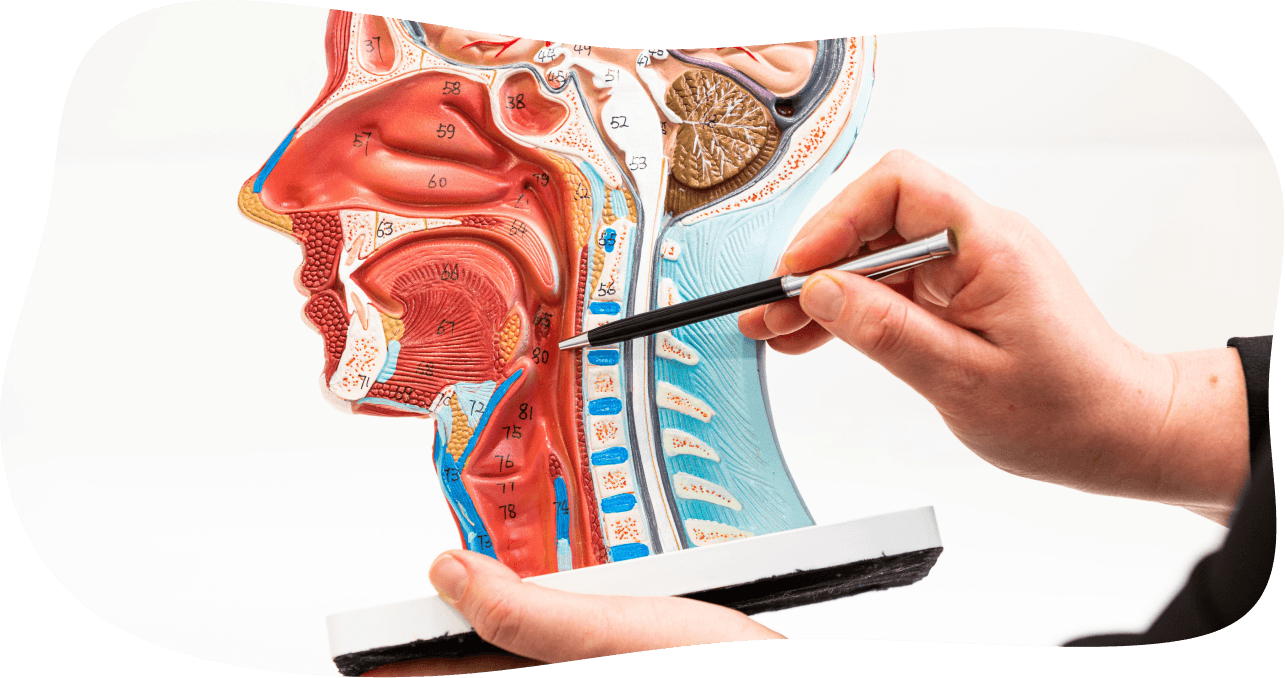
The oropharynx, which includes the tonsils and base of tongue, can be difficult to access surgically because it lies deep within the throat.
TORS allows the surgeon to approach selected areas through the mouth rather than through an external incision.
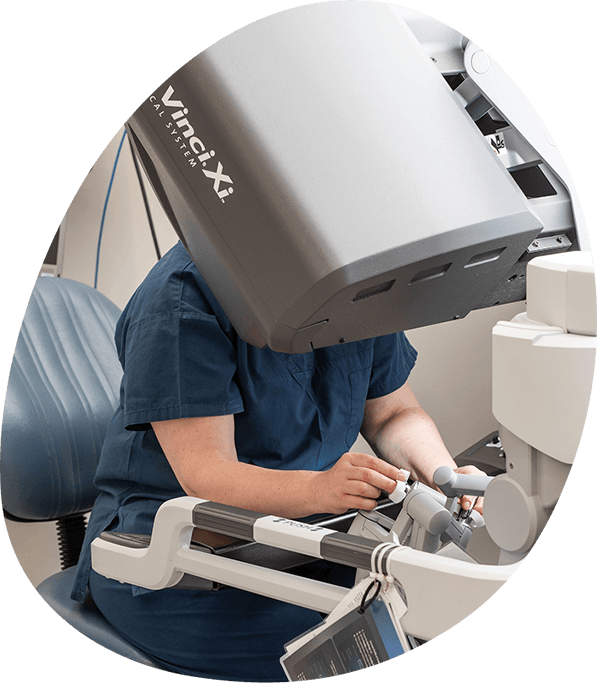
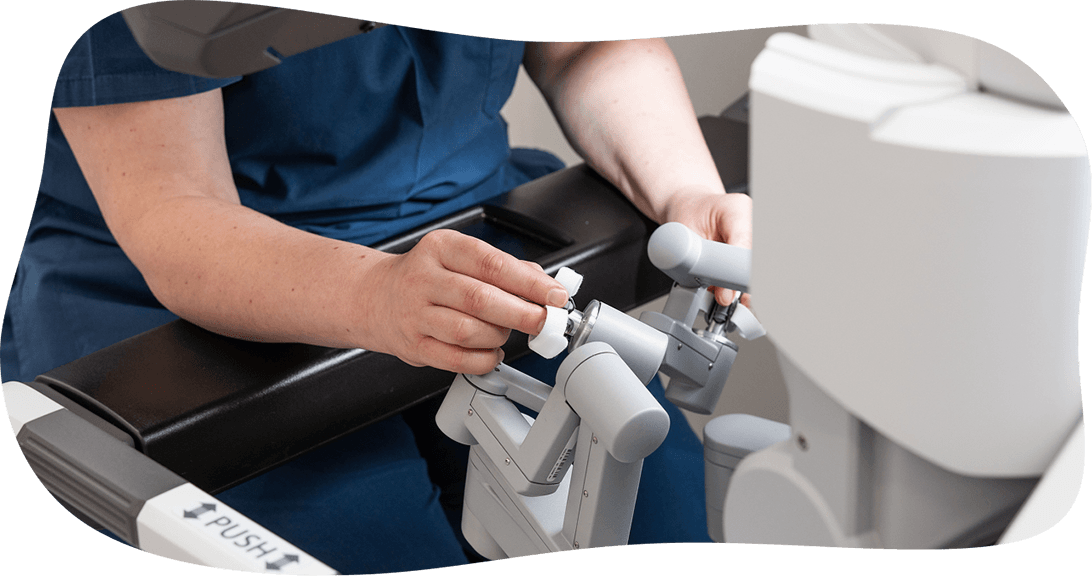
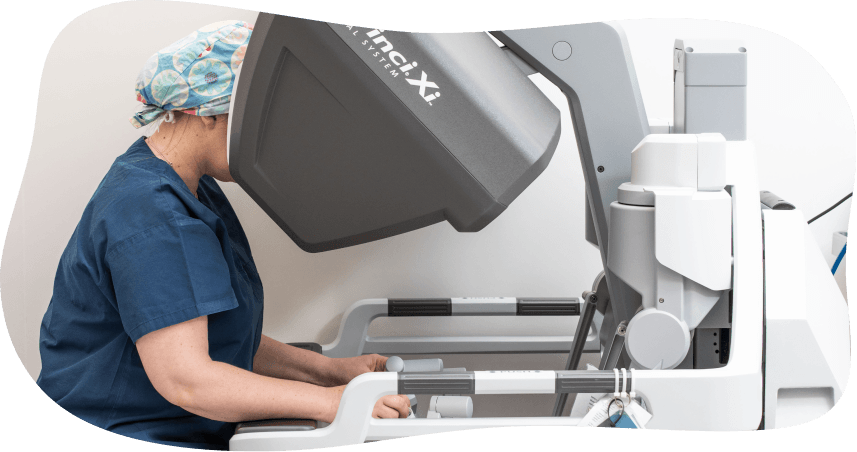
During the procedure, the surgeon operates from a console and directly controls the robotic instruments. The robotic system does not operate independently.
The system provides magnified three-dimensional vision and instruments with a wide range of movement, allowing careful dissection within confined areas of the throat.
Dr Crawford predominantly uses TORS in two clinical settings.
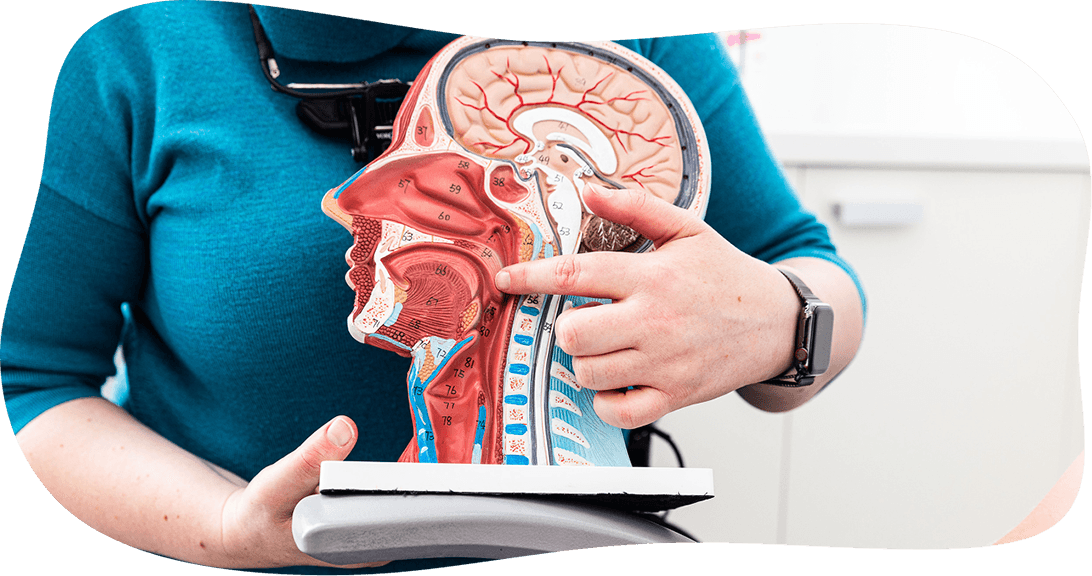
The principal advantage of TORS is access.
Some areas of the tonsils, tongue base and oropharynx can be technically difficult to reach using conventional instruments.
The robotic system provides magnified three-dimensional visualisation and allows instruments to move within these confined areas.
For selected patients, this can allow surgery to be performed through the mouth rather than using a more extensive open approach.
However, robotic surgery is not automatically better surgery.
The appropriate operation is the one that provides the best balance between safe treatment of the underlying condition, preservation of function, likely recovery and the need for any additional treatment.
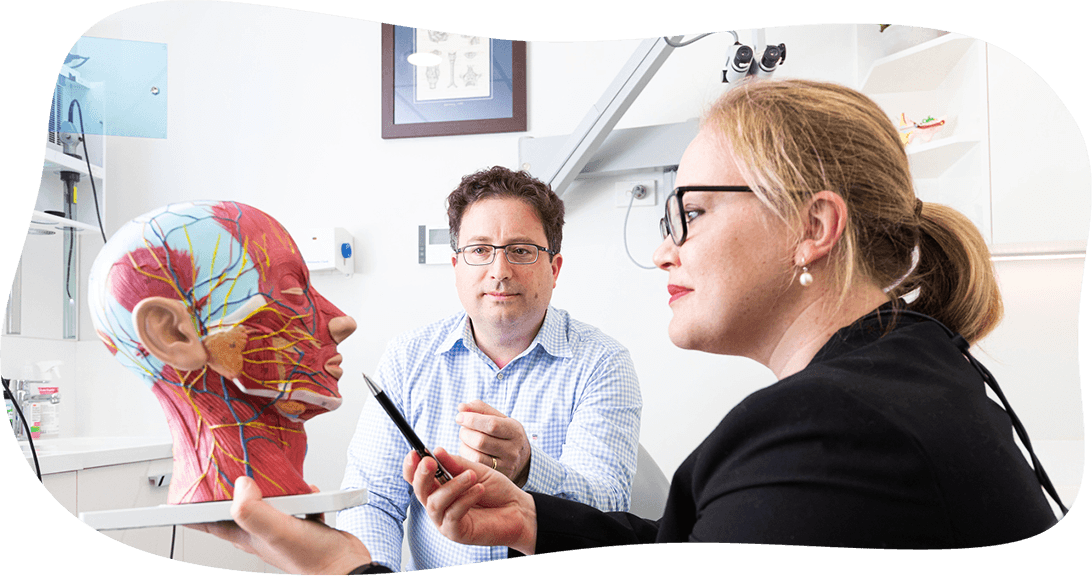
Not every patient with a tonsil cancer, tongue-base cancer or obstructive sleep apnoea is suitable for robotic surgery.
Suitability depends on several factors, including the following.
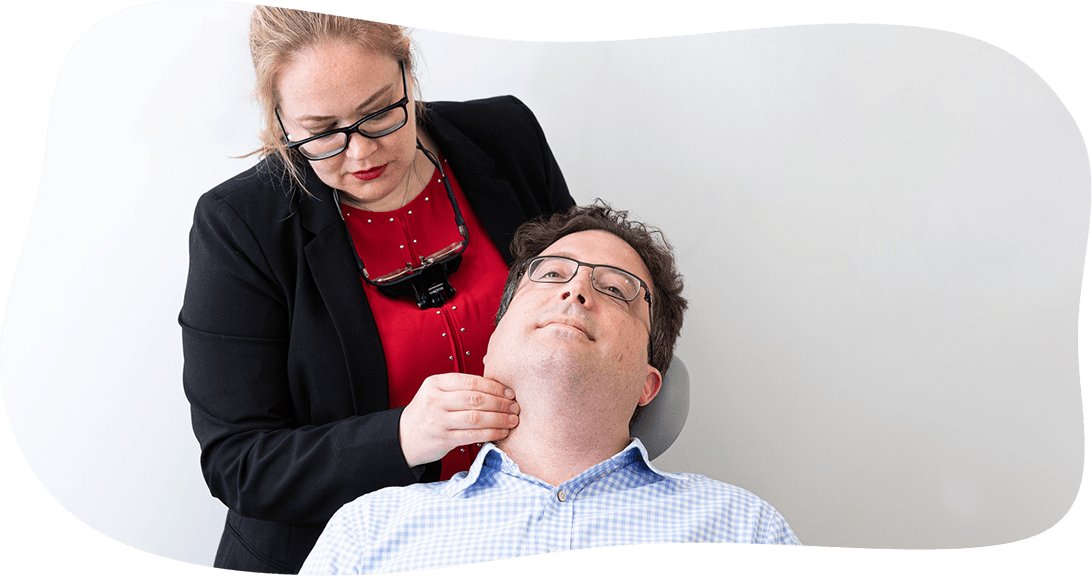
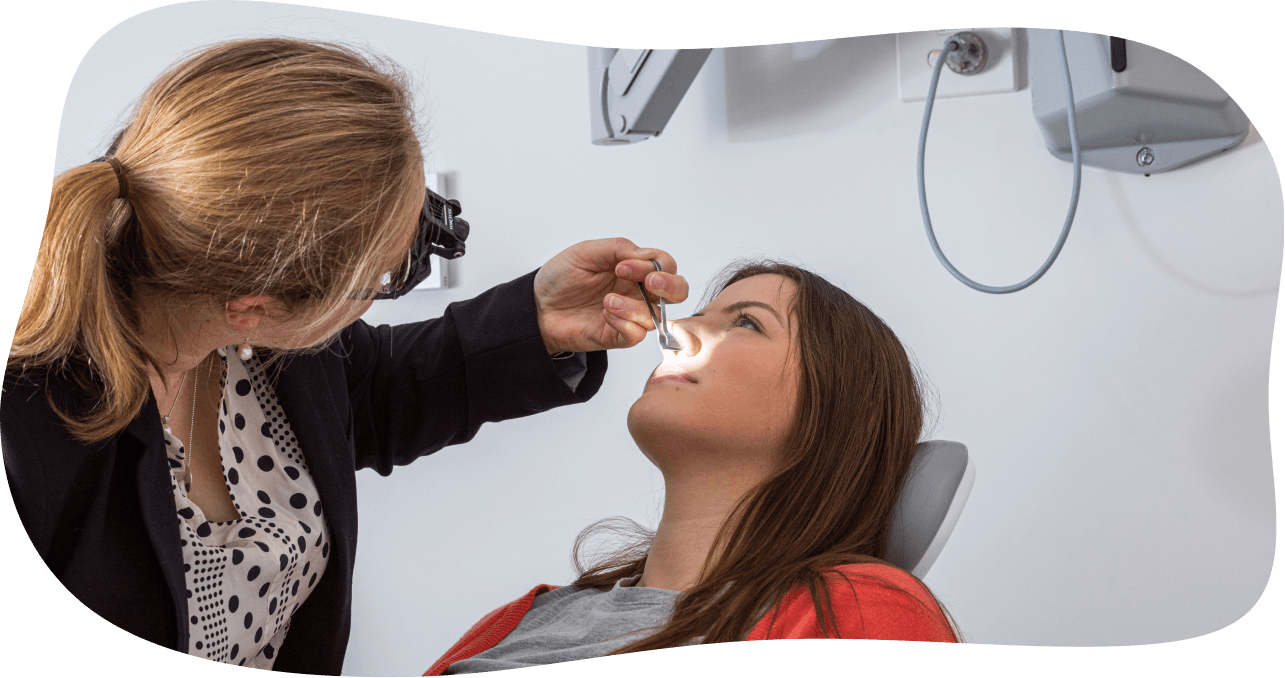
Assessment begins with a detailed history and examination.
Flexible nasendoscopy and laryngoscopy will usually be performed to examine the throat and upper airway. This involves passing a fine flexible telescope through the nose.
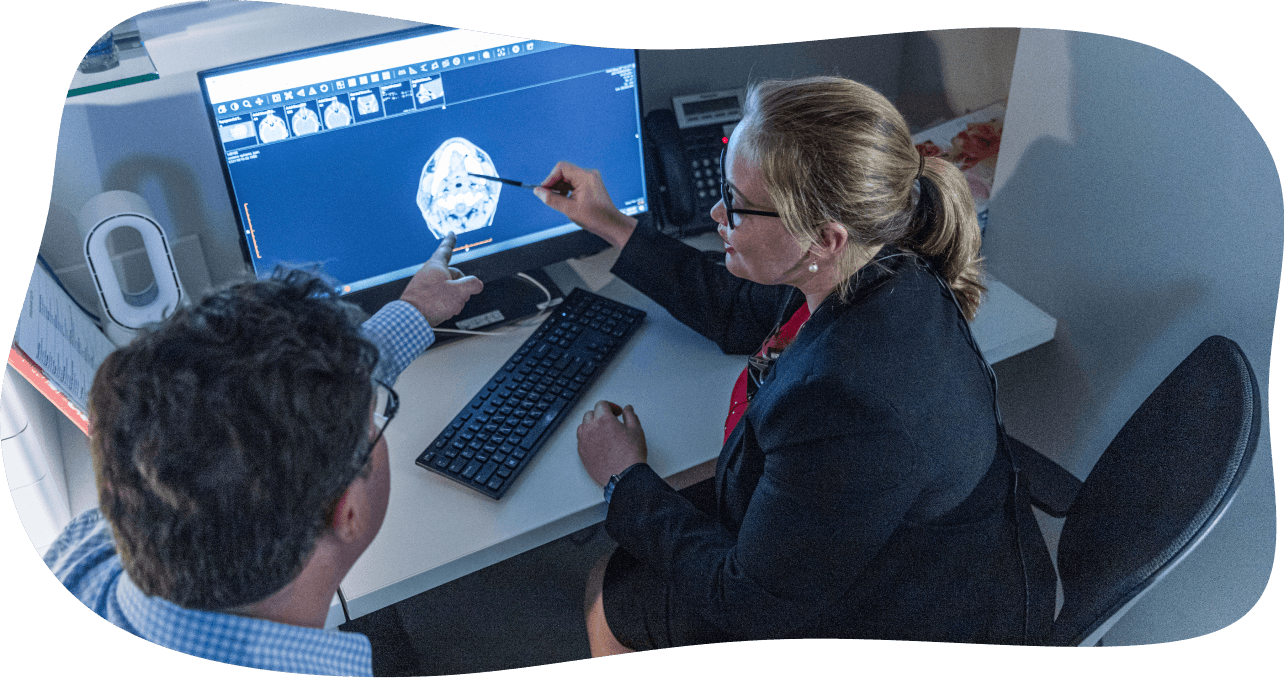
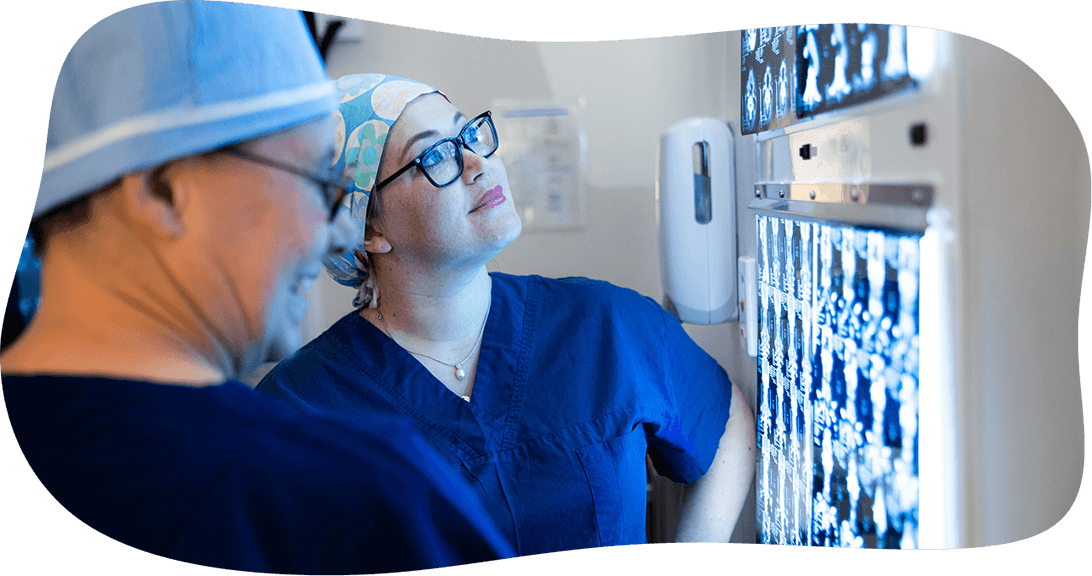
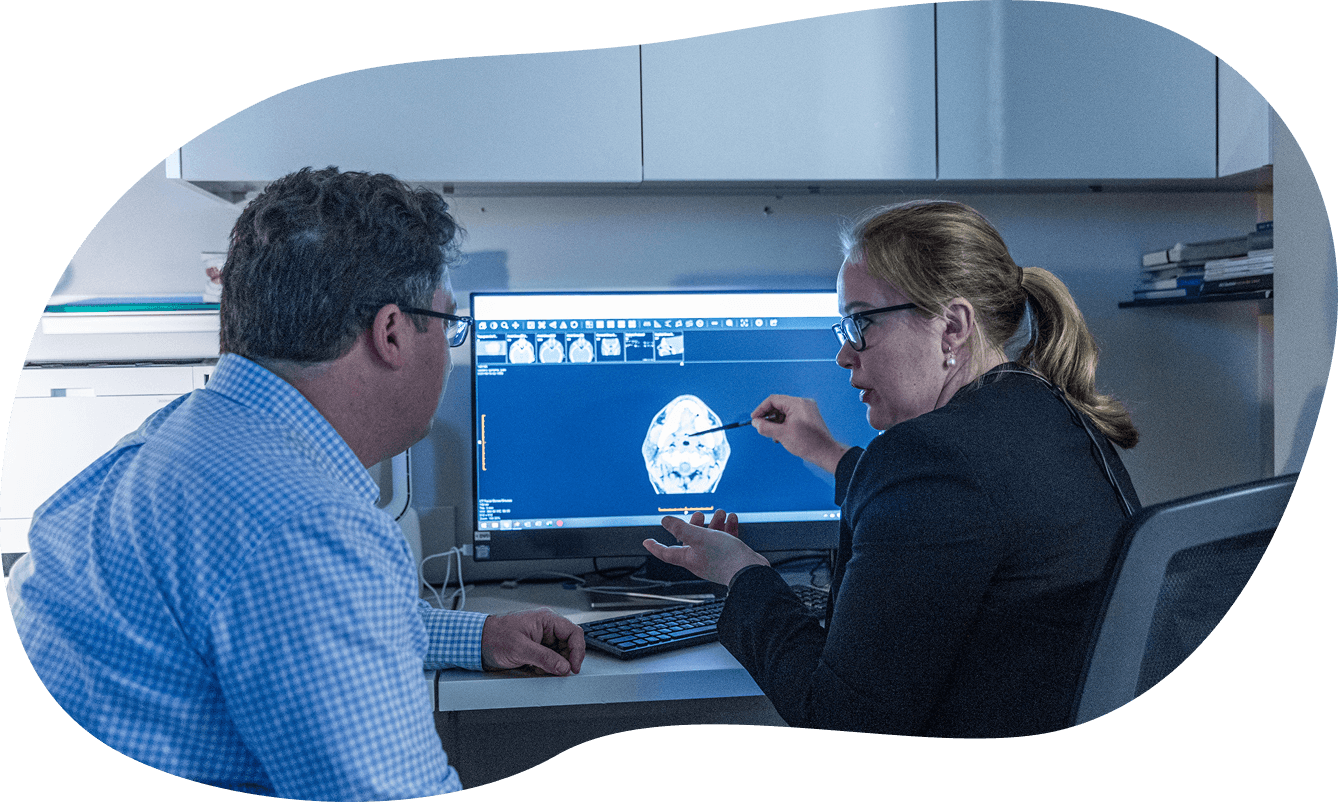
For patients with suspected or confirmed cancer, assessment may also include CT, MRI or PET-CT imaging and a biopsy.
The results are reviewed together to determine whether TORS is technically possible and, more importantly, whether it is the most appropriate treatment.
For patients with head and neck cancer, Dr Crawford works within multidisciplinary head and neck cancer teams at St Vincent's Hospital and Chris O'Brien Lifehouse.
TORS is performed under general anaesthesia.
A retractor is placed through the mouth to provide access to the area being treated.
The robotic system is then positioned and Dr Crawford operates from the surgeon's console, controlling the robotic instruments throughout the robotic component of the operation.
The exact procedure depends on what is being treated.
For cancer surgery, the aim is to remove the tumour with an appropriate margin of surrounding tissue while preserving as much normal function as possible.
For obstructive sleep apnoea, the aim may be to reduce enlarged lingual tonsil or tongue-base tissue contributing to airway obstruction.
The duration of surgery varies depending on the procedure being performed and whether other surgery, such as a neck dissection, is required at the same time.
Recovery varies depending on the operation and the amount of tissue removed.
TORS involving the tonsils or tongue base can cause significant throat pain and temporary difficulty swallowing.
Most patients require a period in hospital after surgery so that pain, hydration, swallowing and the risk of bleeding can be monitored.
Recovery is generally measured in weeks rather than days.
Patients undergoing significant tonsil or tongue-base surgery usually require at least two weeks before travelling away from Sydney. Dr Crawford recommends remaining in Sydney during this period so that appropriate medical care is readily available if a postoperative problem occurs.
Time away from work is usually longer and will depend on the procedure and the individual patient's recovery.
Swallowing can be uncomfortable after TORS, particularly during the first two to three weeks.
Maintaining adequate hydration and nutrition during this period is very important.
A speech pathologist with expertise in swallowing may assess you before surgery where appropriate and will usually be involved after significant TORS surgery to assess swallowing and provide advice regarding diet and rehabilitation.
Temporary changes in swallowing are common after tongue-base or tonsil surgery. More significant or persistent swallowing problems are less common but remain an important potential risk.
All surgery carries risk, and TORS is no exception.
The risks vary depending on the specific procedure and may include the following.
For patients with head and neck cancer, the purpose of TORS is to provide an effective surgical approach where surgery forms part of the appropriate overall treatment plan.
Removing a tumour robotically does not necessarily mean that no further treatment will be required.
Final pathology after surgery provides important information about the tumour, surgical margins and lymph nodes.
Some patients will require no additional treatment. Others may be advised to have postoperative radiation therapy or chemoradiotherapy depending on the pathological findings.
The aim is therefore not simply to perform minimally invasive surgery, but to choose the treatment strategy that provides an appropriate balance between cancer control, long-term function and treatment burden.
In selected patients with obstructive sleep apnoea, robotic surgery can be used to reduce enlarged lingual tonsils or other tongue-base tissue contributing to airway obstruction.
This is usually one component of a broader assessment of the upper airway.
Some patients have obstruction at several levels and may require other procedures in addition to tongue-base surgery.
Surgery should not be assumed to cure OSA. The aim is to reduce the severity of airway obstruction in appropriately selected patients.
A repeat sleep study is generally performed after recovery to assess the result objectively.

Previous treatment does not automatically exclude TORS, but it may significantly alter the risks and technical difficulty of surgery.
Previous radiation therapy in particular can affect tissue healing and blood supply.
Whether robotic surgery is appropriate in this setting requires careful individual assessment and, for patients with cancer, is a decision made in conjunction with the multidisciplinary team.
No.
The robotic system does not make decisions or move independently.
Dr Crawford directly controls the robotic instruments from the surgeon's console throughout the robotic component of the procedure.
The robot is one surgical tool within a much larger team. TORS surgery involves Dr Crawford, a surgical assistant, anaesthetists and experienced theatre nurses, all of whom have important roles throughout the operation.

Dr Crawford completed advanced fellowship training in head and neck cancer surgery and Transoral Robotic Surgery in the United States.
She is one of a relatively small number of Australian head and neck surgeons with specific fellowship training in TORS.
Her robotic practice is focused on selected head and neck cancers and tongue-base surgery for obstructive sleep apnoea.
She continues to contribute to the international literature and to surgical training courses in this field.

Patients considering robotic surgery can be assessed at Sydney ENT Clinic in Darlinghurst or Kogarah, or through Chris O'Brien Lifehouse for head and neck cancer.
If you have already had imaging, biopsy results, a sleep study or previous specialist assessment, please provide these before your appointment where possible.
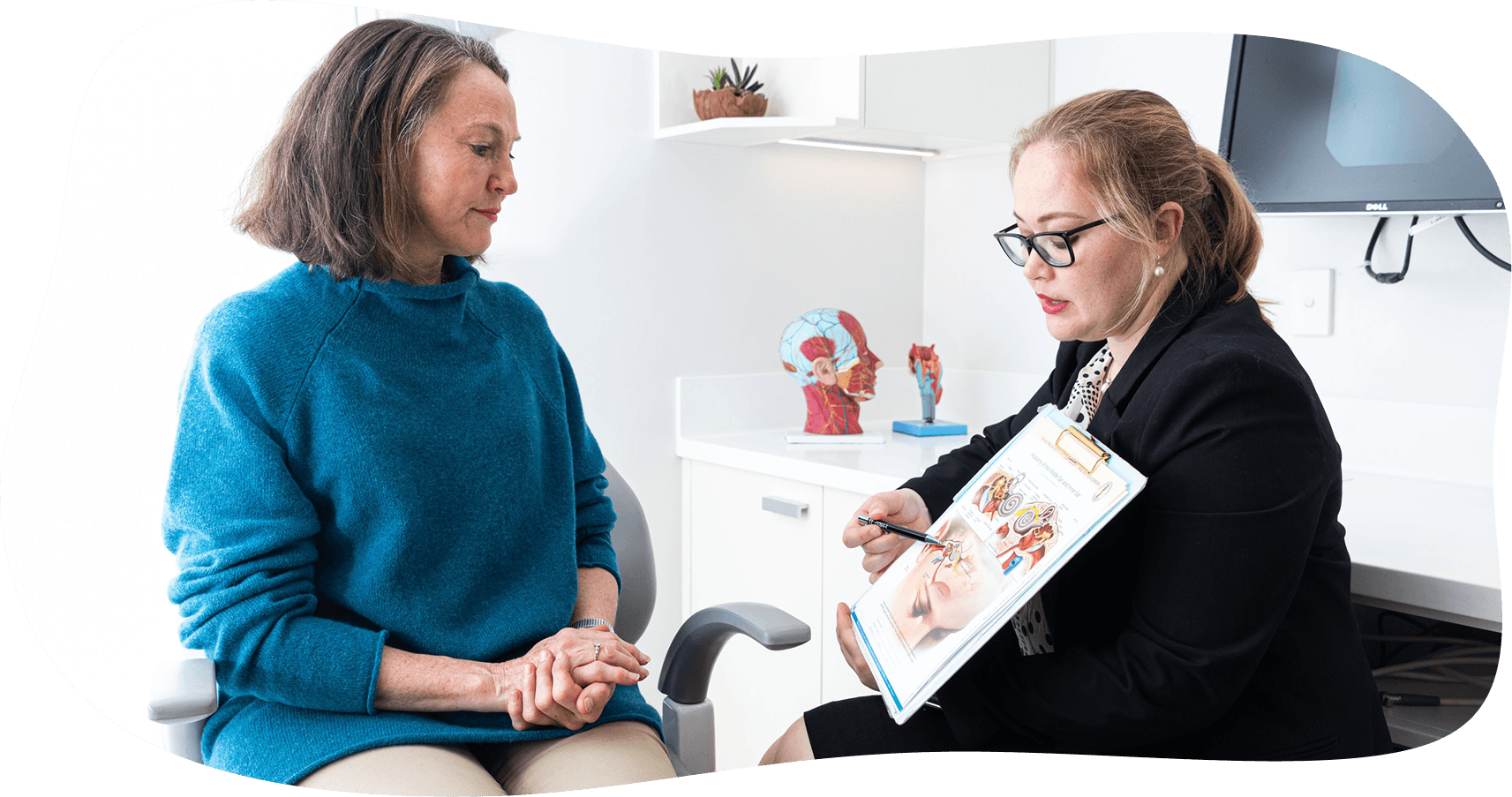
The aim of the consultation is not simply to determine whether robotic surgery is technically possible, but whether it is the most appropriate treatment for you.
If you have a head and neck cancer or obstructive sleep apnoea and would like to understand whether TORS may be appropriate, assessment can determine whether robotic surgery offers a meaningful advantage in your individual situation.
Appointments are available at Sydney ENT Clinic Darlinghurst and Kogarah, and through Chris O'Brien Lifehouse for patients with head and neck cancer.
Our team can assist with appointment enquiries and help arrange a consultation with Dr Julia Crawford at one of her three Sydney consulting locations:
Dr Julia Crawford consults for head and neck conditions, head and neck cancer, thyroid and salivary gland disease, obstructive sleep apnoea, paediatric ENT and selected general ENT problems.
Her team can assist with arranging an appointment at Darlinghurst, Kogarah or Chris O'Brien Lifehouse, and will help ensure the appropriate information and investigations are available before your consultation.