Chronic Sinusitis Treatment

Chronic Sinusitis Treatment in Sydney

Chronic rhinosinusitis is inflammation of the nose and sinuses that persists for at least 12 weeks. Diagnosis is based on the pattern of symptoms together with objective evidence of inflammation, usually from nasal endoscopy, CT imaging or both. Dr Julia Crawford assesses adults with persistent or recurrent sinus symptoms at Sydney ENT Clinic in Darlinghurst or Kogarah, as part of her general ENT practice alongside her main work in head and neck surgery and sleep apnoea surgery. Most patients are treated medically. Surgery is considered when appropriate medical treatment has not provided sufficient improvement.
Diagnosis confirmed properly

Symptoms alone are not enough to confirm chronic rhinosinusitis. Diagnosis is based on the clinical history and examination together with objective evidence of inflammation, usually from nasal endoscopy, CT imaging or both.

Medical treatment first

Most patients with chronic rhinosinusitis are treated medically before surgery is discussed.

Surgery only where it is needed

Surgery is considered only when medical treatment has not given sufficient improvement.

What’s On This Page

What counts as chronic rhinosinusitis

Chronic rhinosinusitis is generally considered when two or more typical symptoms have been present for at least 12 weeks. At least one of these is nasal blockage or nasal discharge. Other symptoms can include facial pressure or pain and a reduced or lost sense of smell.


Diagnosis also requires objective evidence of sinus inflammation, usually from nasal endoscopy, CT imaging or both. A short-lived sinus infection that clears is not chronic rhinosinusitis, even if separate episodes occur again later.

What are the symptoms of chronic sinusitis?

Symptoms can be subtle but persistent. They significantly impact your quality of life.

Nasal Inflammation

Persistent swelling inside the nose.

Discoloured Discharge

Thick and discoloured discharge from the nose or drainage down the back of the throat.

Nasal Obstruction

Congestion or blockage causing difficulty breathing through your nose.

Pain and Tenderness

Swelling around your eyes or cheeks or forehead.

Reduced Smell and Taste

A noticeable decrease in your ability to smell or taste food.

Causes and Contributing Factors

Understanding why your sinuses are blocked is the first step to fixing them.

Nasal Polyps

Soft and painless growths inside the nasal passages or sinuses.

Deviated Nasal Septum

A crooked wall between the nasal passages can restrict sinus passage.

Medical Conditions

Complications of cystic fibrosis or gastroesophageal reflux or HIV and other immune system-related diseases can result in nasal blockage.

Respiratory Tract Infections

Infections like colds can inflame and thicken your sinus membranes which blocks mucus drainage.

Allergies

Inflammation that occurs with allergies can block your sinuses.

What else can cause similar symptoms

Not everyone with long-standing nasal symptoms has chronic sinusitis. Other conditions can produce a similar pattern, including:

  • allergic rhinitis
  • a deviated nasal septum
  • enlarged turbinates
  • a headache disorder rather than sinus disease.


Facial pain or pressure despite a normal sinus examination and normal imaging may represent a headache disorder. In this situation, Dr Crawford may recommend assessment by a neurologist rather than proceeding with sinus treatment.
How chronic rhinosinusitis is assessed

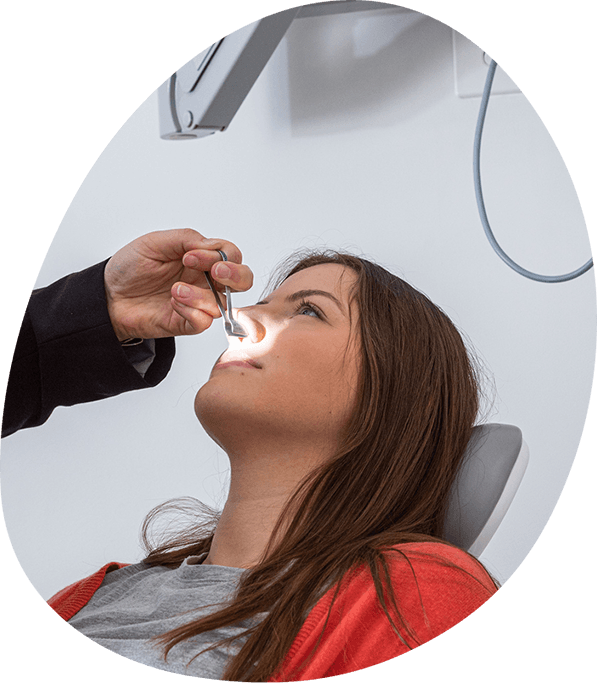
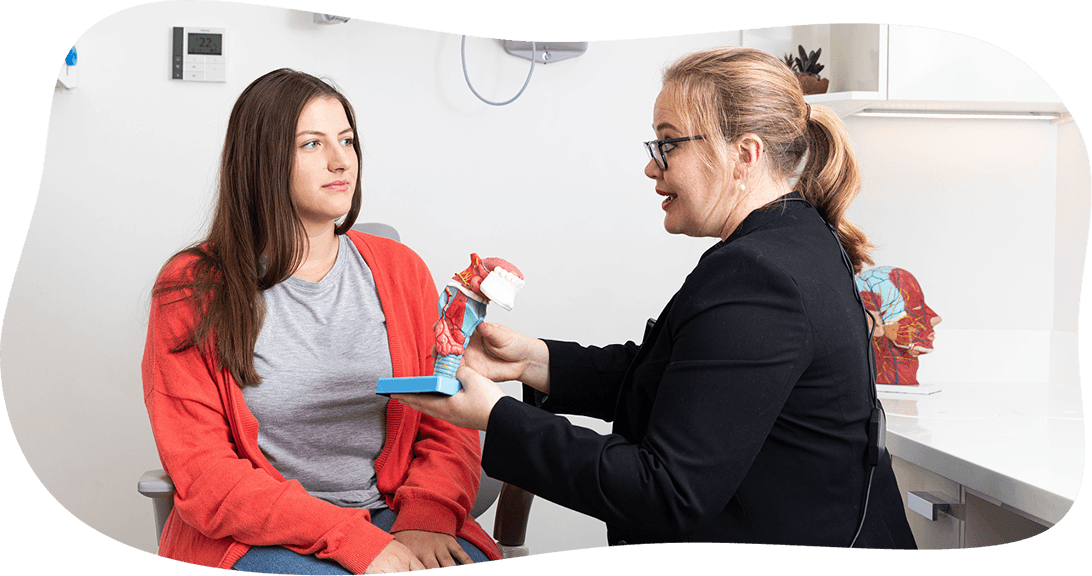
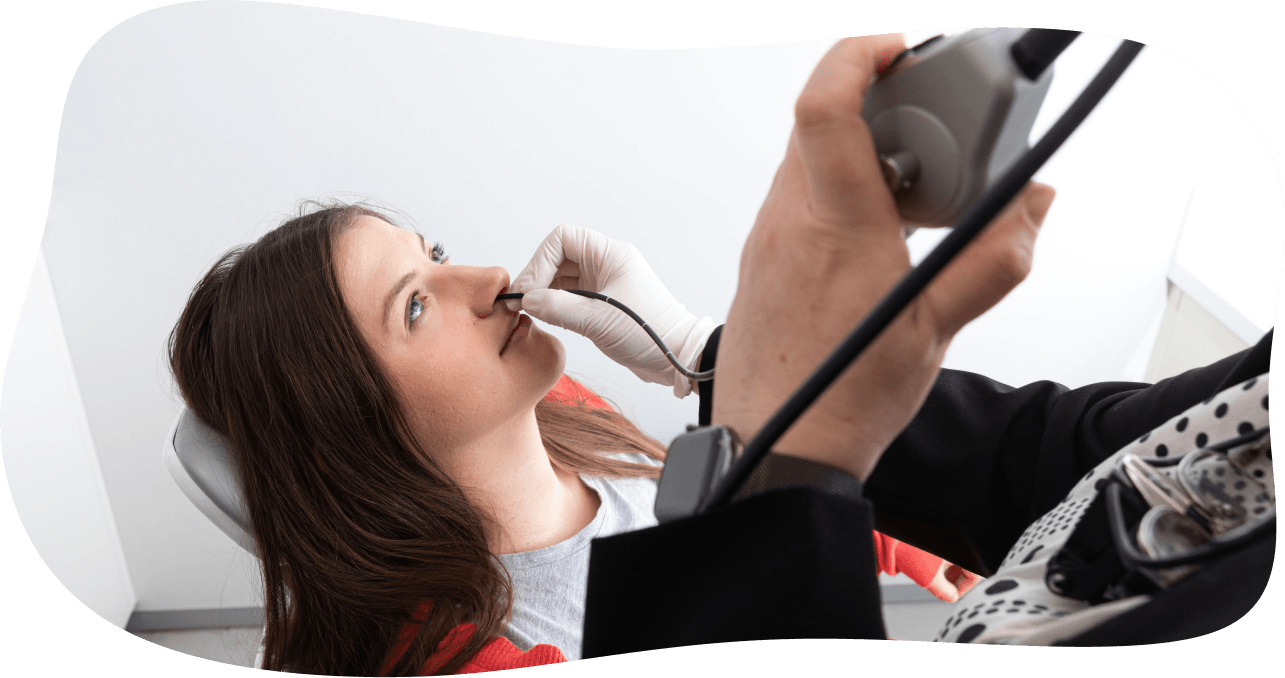
The consultation begins with a detailed history, including how long symptoms have been present, previous treatment and any earlier nasal or sinus surgery. Dr Crawford will examine the nose and may perform nasal endoscopy, passing a small telescope into the nose to view the areas where the sinuses drain.


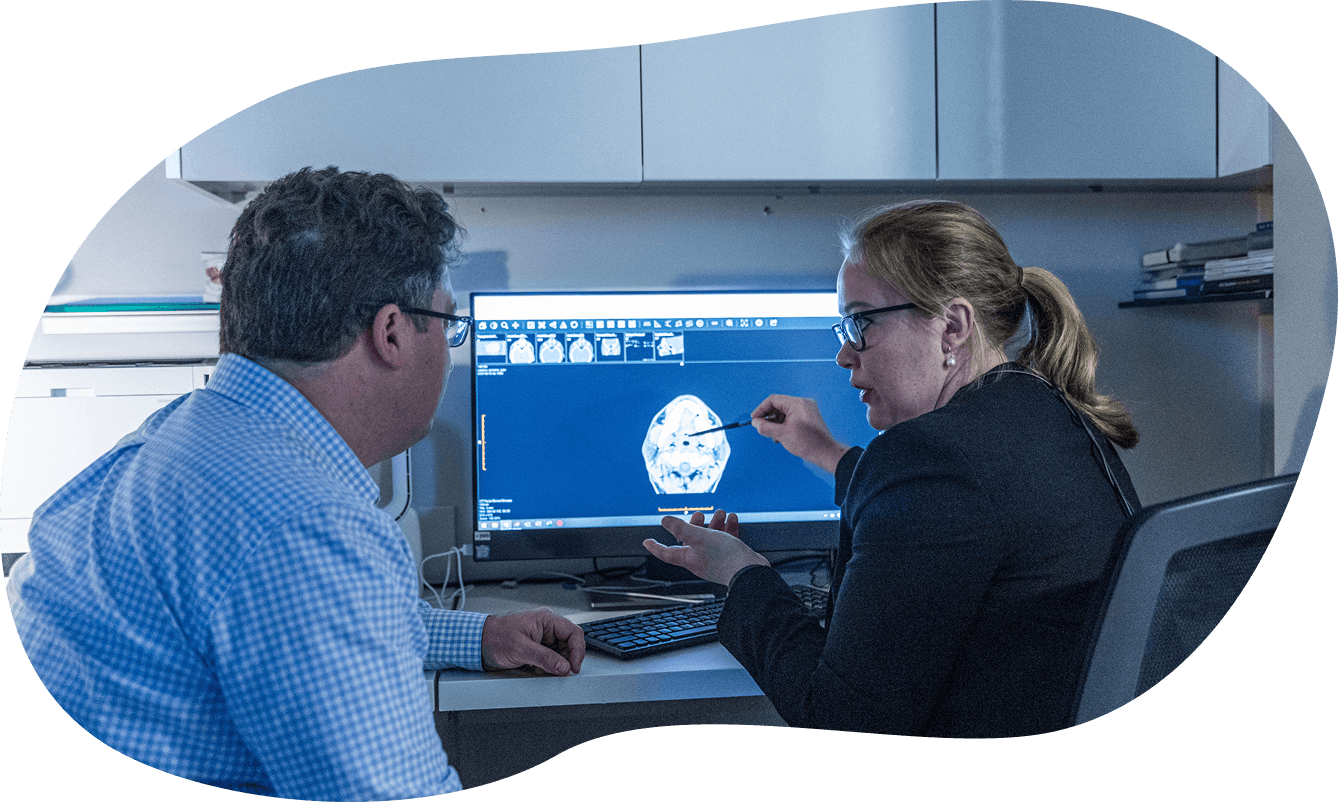
A CT scan of the sinuses may be recommended when chronic sinusitis is suspected or when surgery is being considered, since it shows detail that examination in the rooms cannot. If a recent CT scan or report already exists, bringing it to the appointment helps.

How chronic rhinosinusitis is treated without surgery

Most patients with chronic rhinosinusitis are treated medically before surgery is discussed. Treatment may include the following.

Advanced Medical Therapies

Saline irrigation

Regular saline rinses help clear mucus and irritants from the nose and can improve how well other nasal treatments work.

Nasal steroid treatment

Nasal steroid sprays, and in some cases steroid rinses, can reduce inflammation. These treatments usually need to be used consistently over time to be effective and are generally suitable for longer-term use when used as directed.

Oral Corticosteroids

Used to relieve inflammation from severe sinusitis especially if you also have nasal polyps.

Antibiotics where appropriate

Antibiotics are not required for every episode of sinusitis. They may be appropriate when a bacterial infection is suspected or confirmed, based on the symptoms and examination findings.

If allergy is contributing to the inflammation, addressing it, including referral to an allergist where appropriate, is part of the treatment plan.

When surgery is considered

Sinus surgery is not required for most people with chronic sinusitis. It may be considered when there is objective evidence of sinus disease and appropriate medical treatment has not provided sufficient improvement. The decision takes into account symptoms, examination findings, CT imaging, previous treatment and the effect of symptoms on daily life.

The goal of sinus surgery is to open the pathways of the sinuses. This allows for better drainage and improves airflow. It also allows topical medications like sprays and rinses to reach the sinus lining more effectively.

Sinus surgery does not remove the underlying tendency to inflammation. It may improve symptoms and allow saline and topical treatments to reach the sinuses more effectively, but some people still need ongoing medical treatment after surgery.

Where surgery is appropriate, it is usually endoscopic sinus surgery performed through the nostrils. Details of that operation, including recovery, are covered on the endoscopic sinus surgery page.


For complex sinus disease, Dr Crawford may recommend assessment by an ENT surgeon with specific subspecialty expertise in rhinology.

Costs and Financial Information

We believe in transparency regarding medical costs.

Consultation Fees

Payable on the day of your appointment. A valid referral allows you to claim a Medicare rebate.

Surgical Estimates

If surgery is required we provide a detailed "Informed Financial Consent" outlining Dr Crawford's fees and the anaesthetist's fees and hospital costs.

Insurance

If surgery is recommended, we suggest checking your level of cover with your private health fund beforehand. The relevant item numbers will be confirmed in writing before your procedure.

Consultation Locations

For general ENT, sinus and nasal consultations, Dr Crawford sees patients at Sydney ENT Clinic in Darlinghurst and Kogarah.

Darlinghurst Rooms

Sydney ENT Clinic in Darlinghurst, for general ENT, sinus and nasal consultations.

Kogarah Rooms

Serving patients in the southern suburbs of Sydney.

Frequently Asked Questions

Not necessarily. Most patients are treated medically first. Surgery is considered only when symptoms remain significant despite appropriate treatment and there is objective evidence of sinus disease.

Chronic rhinosinusitis involves symptoms lasting for at least 12 weeks. Separate shorter episodes that resolve in between may represent recurrent acute sinusitis rather than chronic rhinosinusitis.

No. Facial pain and headache have many possible causes. If examination and imaging do not show significant sinus disease, Dr Crawford may recommend investigation for another cause, including referral to a neurologist, rather than sinus treatment.

Not always. Antibiotics are not needed for every episode of sinusitis. They may be appropriate in selected cases when bacterial infection is suspected or confirmed, based on the symptoms and examination findings.

Yes. To claim a rebate from Medicare for your consultation and any subsequent procedures, you will need a valid referral from your General Practitioner (valid for 12 months) or another specialist (valid for 3 months).

If you have them, please bring any previous sinus CT images and reports, allergy testing results or ENT correspondence. This can help Dr Crawford review previous investigations and avoid unnecessary repetition.

Book a Consultation

Dr Crawford sees patients with chronic sinusitis and related conditions at Sydney ENT Clinic in Darlinghurst and Kogarah. A valid referral from your GP or another medical specialist is required to claim Medicare rebates.

If you have previous CT imaging, allergy testing results or ENT correspondence, please provide these before your appointment where possible.
Get in Touch

Our team can assist with appointment enquiries and help arrange a consultation with Dr Julia Crawford at one of her three Sydney consulting locations:

Sydney ENT Clinic, Darlinghurst

Ground Floor, 67 Burton Street, Darlinghurst NSW 2010

Sydney ENT Clinic,
Kogarah

Suite 5, Level 2, 19 Kensington Street, Kogarah NSW 2217

Chris O'Brien Lifehouse

119-143 Missenden Road, Camperdown NSW 2050

Book Your Consultation

Dr Crawford consults for head and neck conditions, head and neck cancer, thyroid and salivary gland disease, obstructive sleep apnoea, paediatric ENT and a range of general ENT conditions.

Her team can assist with arranging an appointment at Sydney ENT Clinic in Darlinghurst or Kogarah, or Chris O'Brien Lifehouse, and will help ensure the appropriate referral, imaging, test results and other relevant information are available before your consultation.

©2026 Dr. Julia Crawford. All rights reserved.