Recovery, Swallowing & Rehabilitation

Recovery After Head and Neck Cancer Treatment

Recovery after head and neck cancer treatment varies enormously.

A small salivary gland operation has a very different recovery from major oral or throat cancer surgery involving a neck dissection and reconstruction.

Before treatment, Dr Julia Crawford will explain what is reasonably expected for the particular operation or treatment plan.
What’s On This Page

Recovery after surgery

Depending on the procedure, issues discussed before surgery may include:
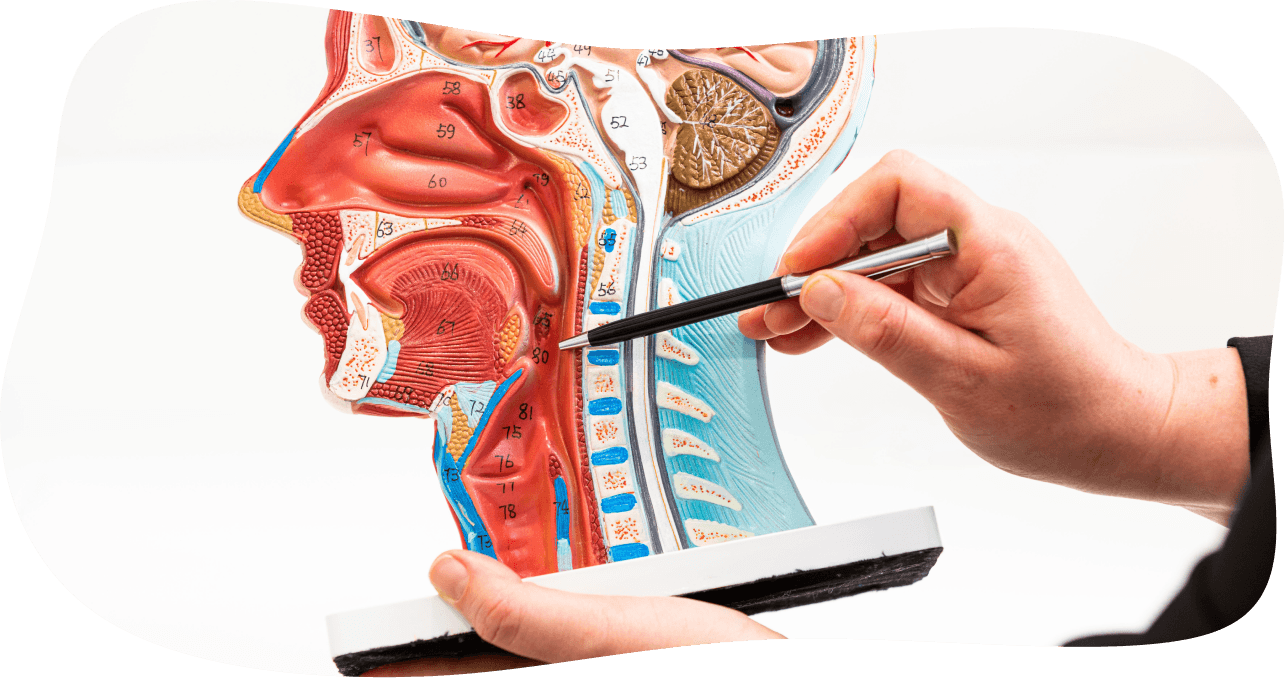
  • expected hospital stay
  • pain management
  • wound care
  • eating and drinking
  • swallowing
  • whether a feeding tube may be required
  • speech and voice
  • activity restrictions
  • time away from work
  • travel
  • timing of final pathology
  • whether additional cancer treatment may be required

Swallowing

Both head and neck cancer and its treatment can affect swallowing.


The extent depends on:

  • where the cancer is located
  • how much tissue must be removed
  • whether reconstruction is required
  • whether radiation or chemoradiotherapy is also required
  • swallowing function before treatment

Where appropriate, speech pathology assessment begins before treatment so that baseline swallowing function is understood.
Speech and voice

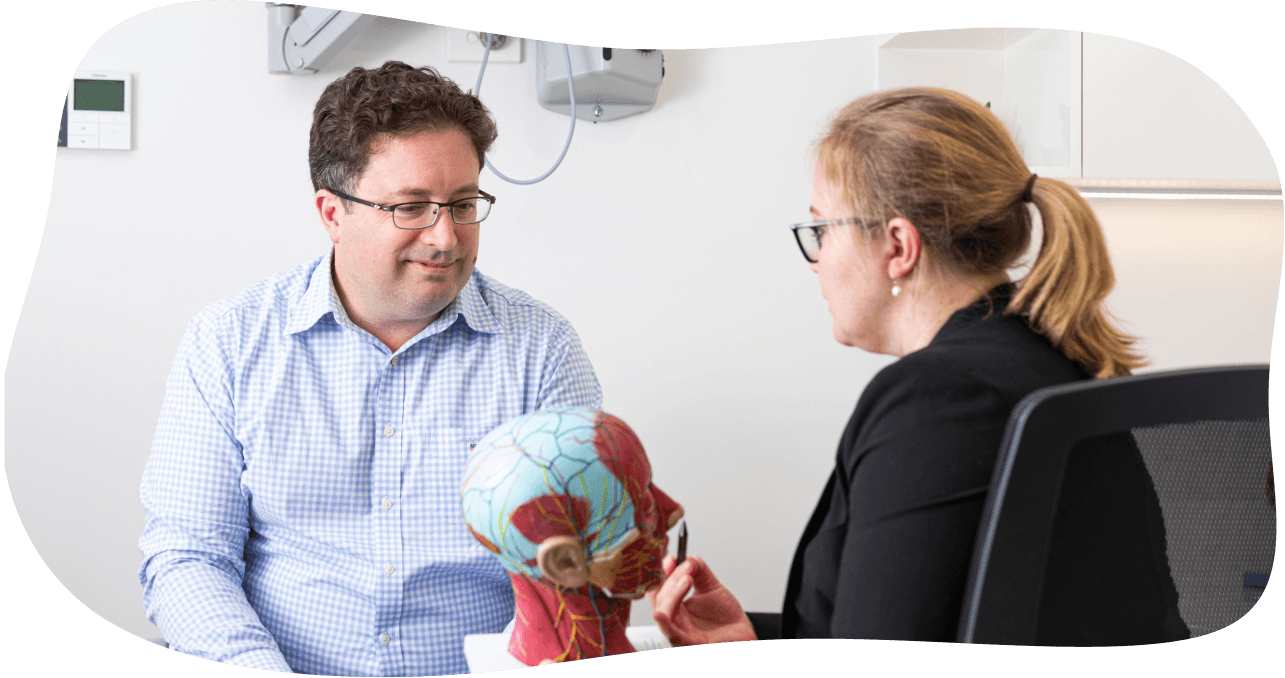
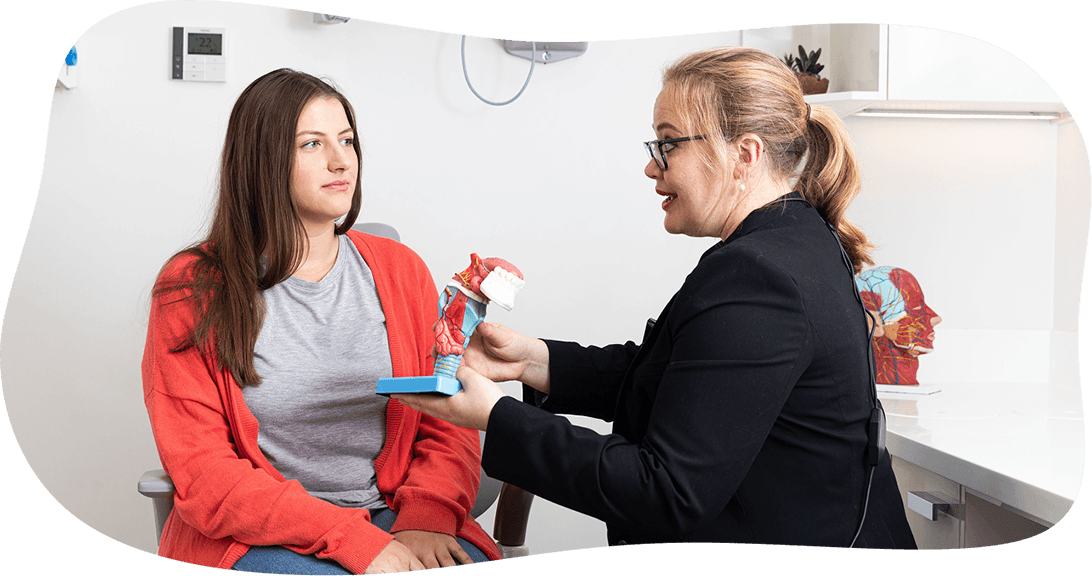
Treatment involving the tongue, throat or larynx can affect speech or voice.


The goal of treatment planning is to preserve function where this can be achieved without compromising appropriate cancer treatment.


The likely functional consequences should be considered before choosing between surgery, radiation and chemoradiotherapy.


Speech pathologists play an important role in assessment and rehabilitation.
Nutrition

Maintaining adequate nutrition is important during cancer treatment.


Some patients can eat normally throughout treatment.


Others may require:

  • modification of food texture
  • nutritional supplements
  • dietetic support
  • temporary tube feeding

The need for nutritional support varies according to the tumour, treatment and swallowing function.

A feeding tube is not automatically required for every patient with head and neck cancer.

Rehabilitation

Recovery is not simply wound healing.


Depending on treatment, rehabilitation may involve:
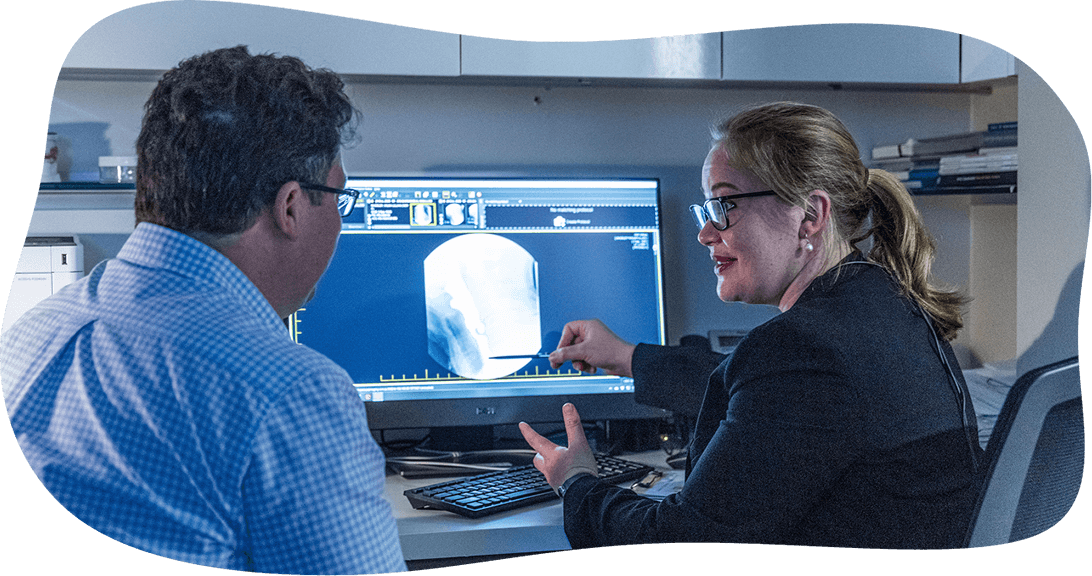
  • speech pathology
  • swallowing therapy
  • dietetic support
  • physiotherapy
  • shoulder rehabilitation following neck dissection
  • dental care
  • management of dry mouth following radiation
  • return to work and normal activity
  • psychosocial support

Final pathology

Following surgery, the pathology report usually provides more detailed information about:

  • tumour size
  • margins
  • lymph-node involvement
  • extranodal extension
  • other pathological risk features

These findings help determine whether further treatment is required.

Where appropriate, the results are reviewed again at the multidisciplinary cancer meeting.
Long-term follow-up

Head and neck cancer follow-up generally involves ongoing clinical surveillance.


The purpose is to:

  • monitor recovery
  • identify treatment-related problems
  • assess swallowing, speech or nutritional issues
  • monitor for recurrence
  • investigate new symptoms where required

The frequency and duration of follow-up depend on the individual cancer and treatment.

Frequently Asked Questions

This depends on the operation. Some procedures require a shorter admission, while more extensive surgery, or surgery combined with a neck dissection or reconstruction, may require a longer stay. Dr Crawford will discuss the expected hospital stay for your specific operation before surgery.

This depends on the surgery and, where relevant, a swallowing assessment. Some patients progress through liquids and softer foods before returning to their usual diet, while others need a longer period of modified eating. Swallowing safety and individual recovery guide the timeline rather than a set number of days.

Some operations involve external incisions and some do not, depending on the site and extent of the cancer. Dr Crawford will explain what to expect for your specific operation, including where any incision will be and how it is generally expected to heal.

This depends on the extent of your surgery and your individual recovery. Dr Crawford will give you an expected timeframe before your operation.

It can, depending on the site and extent of surgery. Speech pathology support is arranged where needed to help recovery.

Contact the practice promptly if you develop worsening pain, increasing redness, swelling or discharge from the wound, fever, or new or worsening difficulty swallowing. Significant bleeding or difficulty breathing requires urgent medical attention. Call triple zero (000) if the situation is severe or life-threatening.

Consultation with Dr Julia Crawford

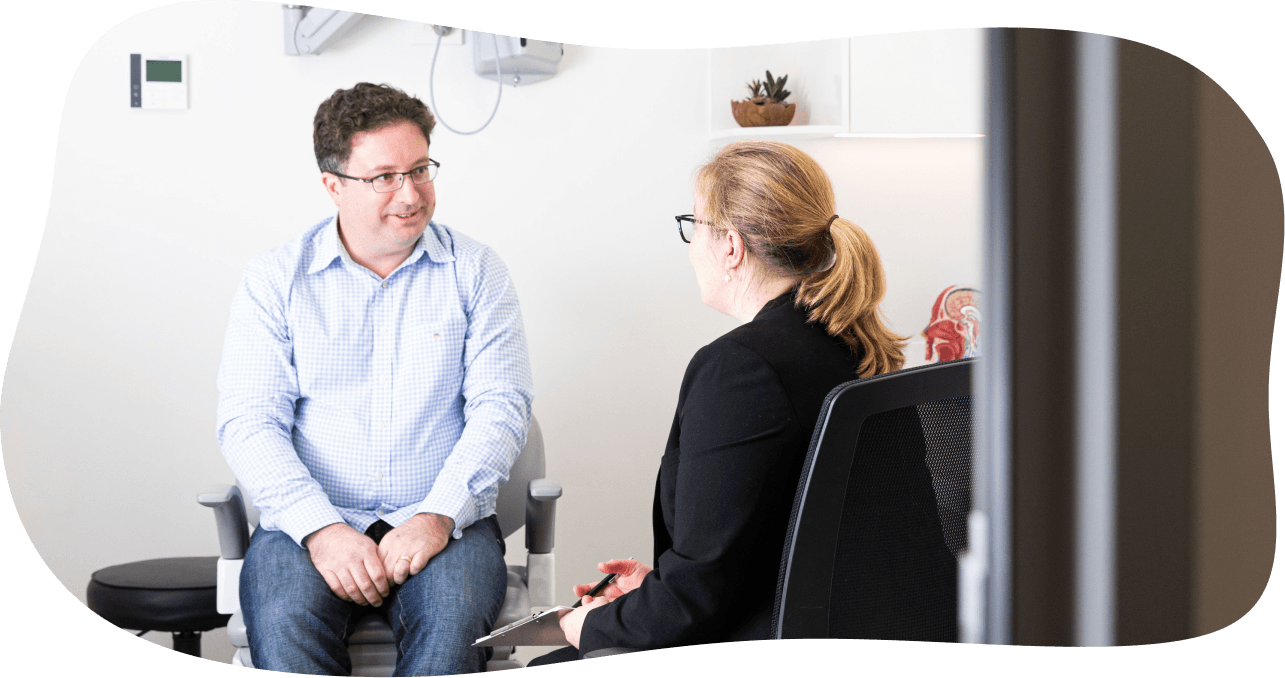
Before surgery, Dr Crawford discusses the expected hospital stay, wound care, eating and swallowing, time off work and activity restrictions specific to your operation.

Appointments are available at Sydney ENT Clinic in Darlinghurst or Kogarah, and through Chris O'Brien Lifehouse for head and neck cancer patients.
Get in Touch

Our team can assist with appointment enquiries and help arrange a consultation with Dr Julia Crawford at one of her three Sydney consulting locations:

Sydney ENT Clinic, Darlinghurst

Ground Floor, 67 Burton Street, Darlinghurst NSW 2010

Sydney ENT Clinic,
Kogarah

Suite 5, Level 2, 19 Kensington Street, Kogarah NSW 2217

Chris O'Brien Lifehouse

119-143 Missenden Road, Camperdown NSW 2050

Book Your Consultation

Dr Crawford consults for head and neck conditions, head and neck cancer, thyroid and salivary gland disease, obstructive sleep apnoea, paediatric ENT and a range of general ENT conditions.

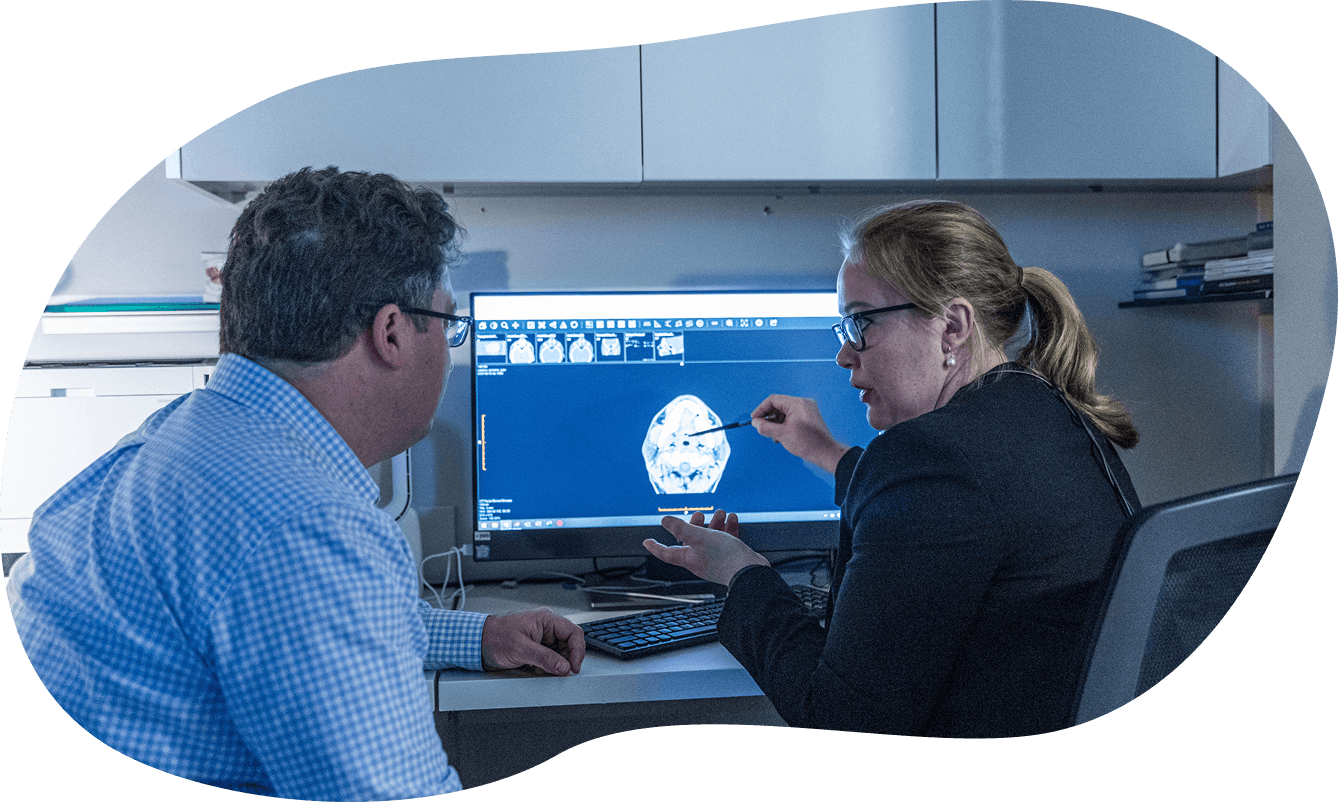
Her team can assist with arranging an appointment at Sydney ENT Clinic in Darlinghurst or Kogarah, or Chris O'Brien Lifehouse, and will help ensure the appropriate referral, imaging, test results and other relevant information are available before your consultation.

©2026 Dr. Julia Crawford. All rights reserved.