Obstructive sleep apnoea (OSA) occurs when the upper airway repeatedly narrows or closes during sleep. It can cause snoring, disrupted sleep, daytime tiredness and difficulty with concentration, and is also associated with longer-term health problems including high blood pressure and cardiovascular disease.
CPAP is an effective treatment for many people with obstructive sleep apnoea and is usually the first treatment considered for moderate to severe OSA. However, not everyone is able to use CPAP successfully or consistently.
For selected patients, surgery may be another option.
Dr Julia Crawford is an ENT and Head & Neck Surgeon with fellowship training in sleep apnoea surgery and Transoral Robotic Surgery (TORS). She assesses patients with obstructive sleep apnoea to determine whether there is a surgically correctable area of upper airway obstruction and, importantly, whether surgery is likely to offer worthwhile benefit.
There is no single operation that is appropriate for every patient with obstructive sleep apnoea.
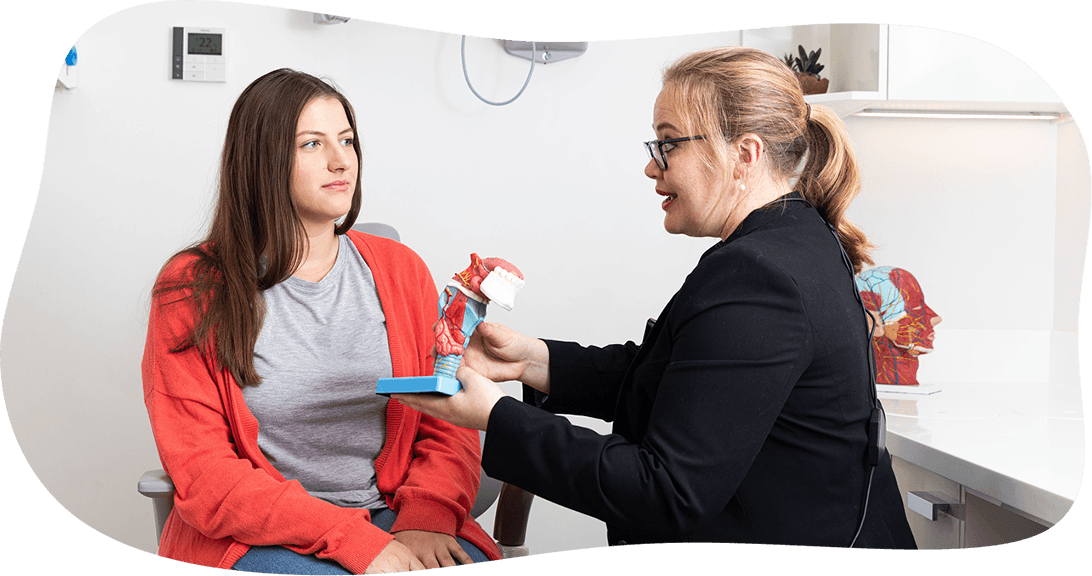
The first step is to understand the severity of the sleep apnoea, the anatomy of the upper airway, previous treatment and what an individual patient is hoping to achieve.
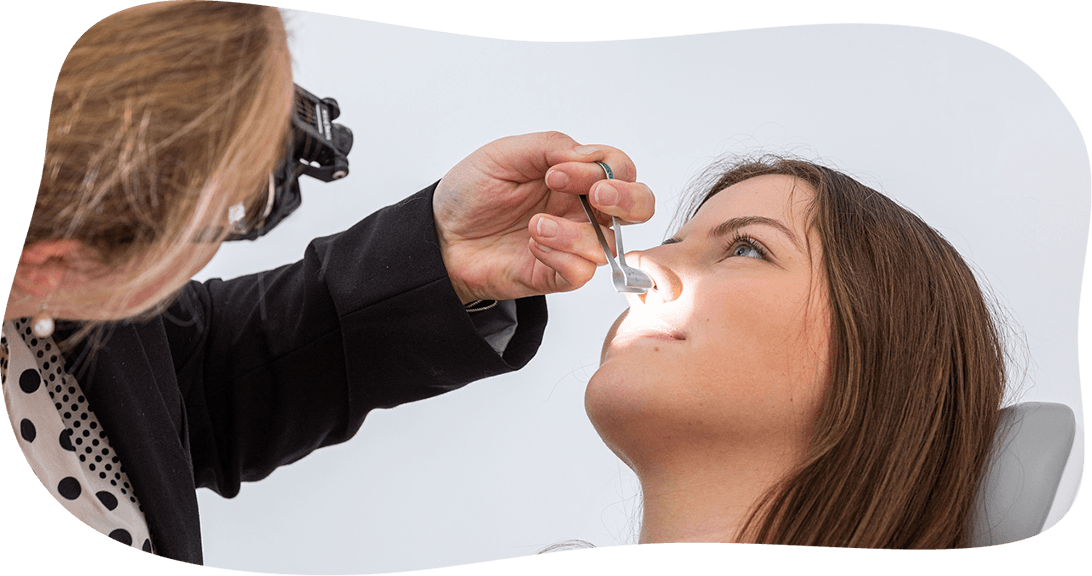
Obstructive sleep apnoea is often caused by obstruction at more than one level of the upper airway.
Depending on the individual patient, this may involve the nose, soft palate, tonsils, lateral pharyngeal walls or tongue base.
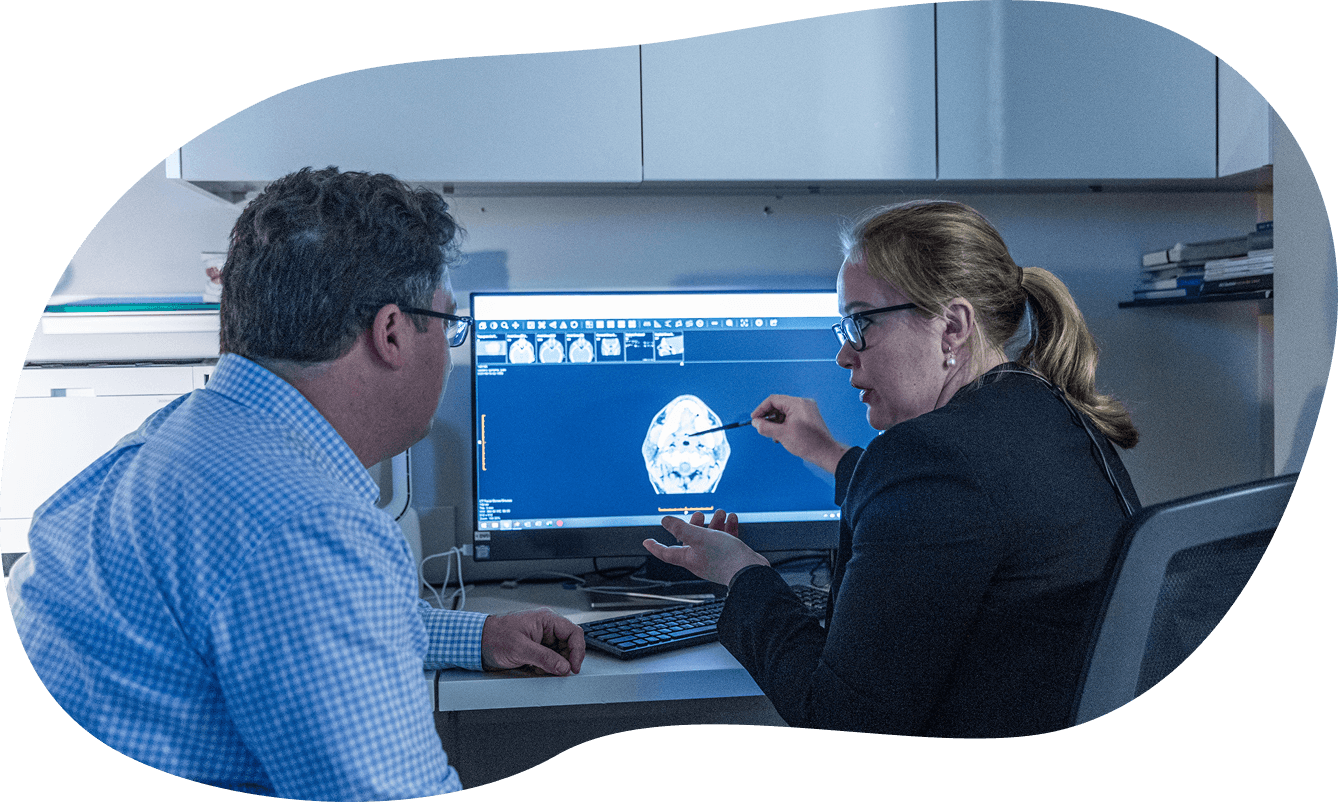
Assessment usually includes a detailed history, examination of the upper airway and review of the patient's sleep study.
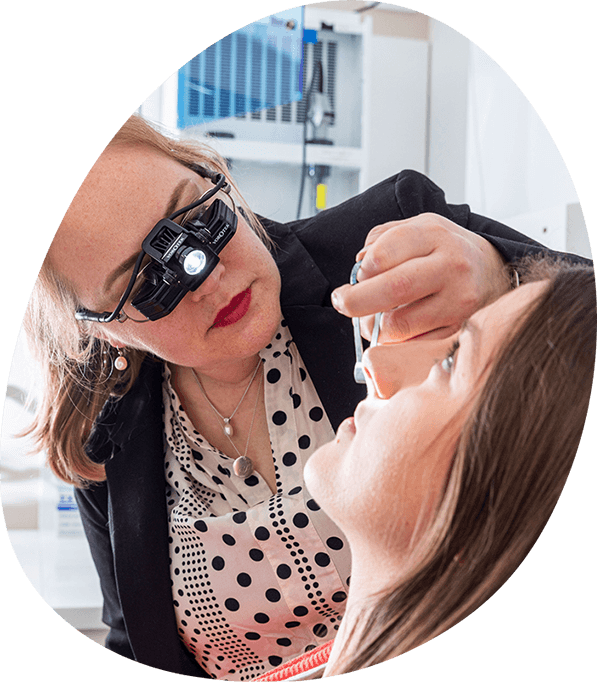
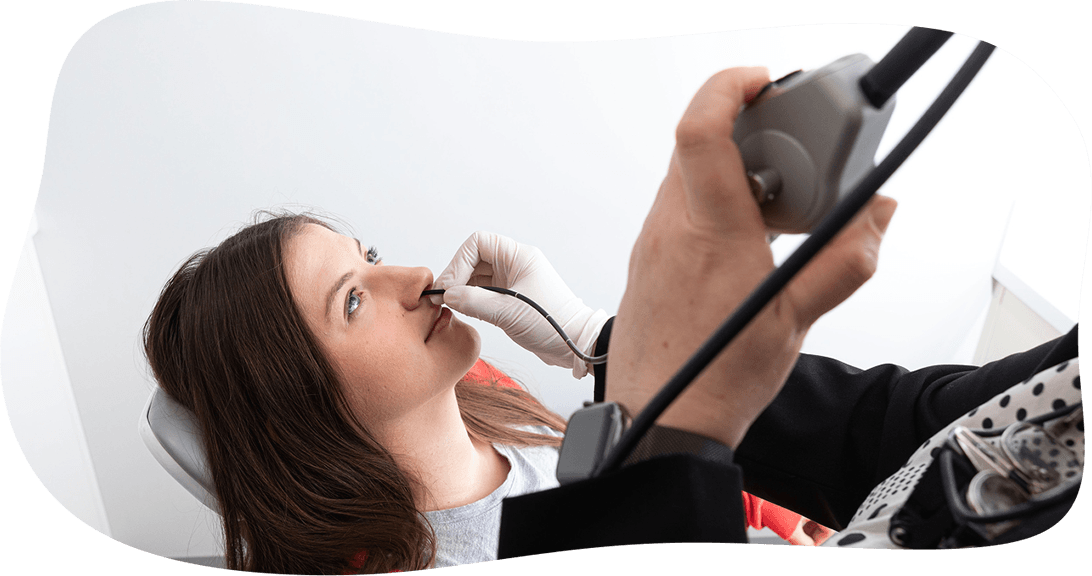
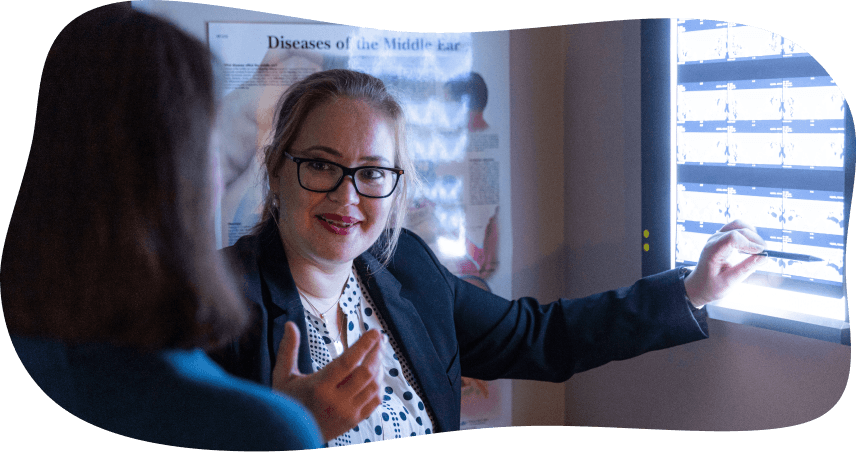
Examination of the upper airway includes flexible nasendoscopy and laryngoscopy. A fine flexible telescope is passed through the nose to examine the nose, throat and voice box. This will usually be performed during your appointment. The examination takes only a few minutes and, although it can be uncomfortable, provides important information about your upper airway anatomy.
The aim is to plan treatment around the patient's individual anatomy rather than applying the same operation to every patient.
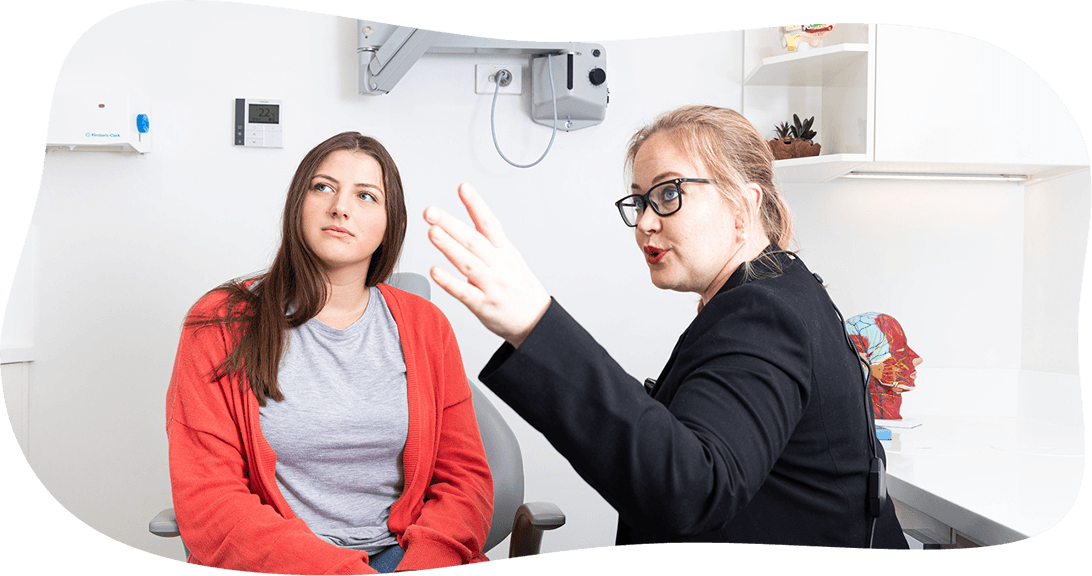
Sleep apnoea surgery may involve one procedure or a combination of procedures.
Depending on the site of obstruction, treatment may include the following.
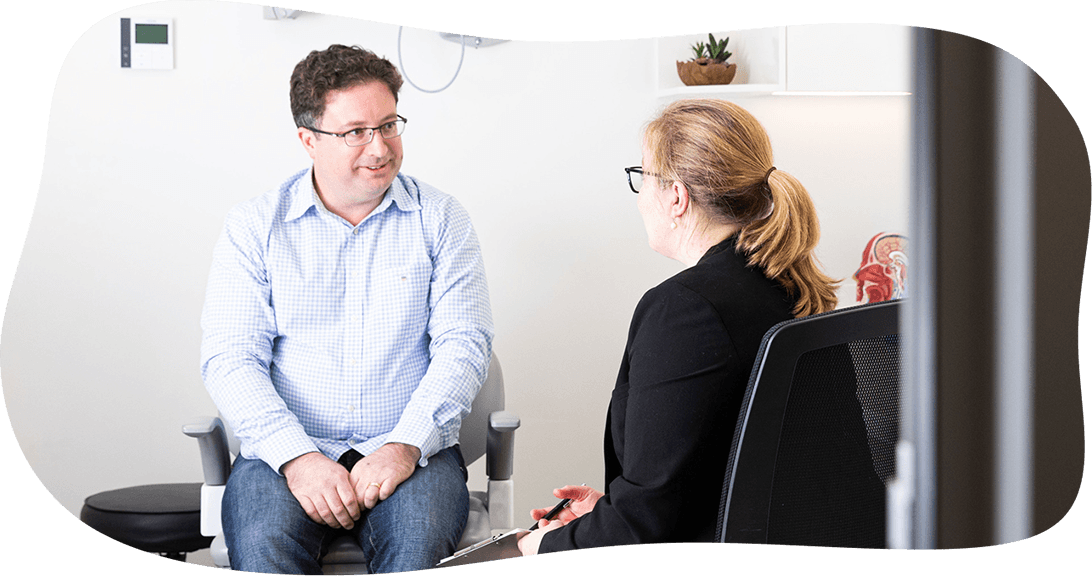
Dr Crawford completed fellowship training in both sleep apnoea surgery and advanced head and neck and robotic surgery.
TORS allows selected areas of the tongue base to be approached through the mouth using a robotic surgical system. It provides three-dimensional visualisation and access to an area that can otherwise be technically difficult to reach.
Robotic surgery is not required for most patients with sleep apnoea. It is useful in a selected group of patients where tongue-base obstruction, often related to enlarged lingual tonsils, forms an important part of their OSA.
Whether TORS is appropriate can only be determined after assessment of the whole upper airway.
The aim of surgery is to reduce upper airway obstruction and improve obstructive sleep apnoea. Surgery should not generally be regarded as a guaranteed cure.
The result varies between patients. In some people, surgery produces a substantial improvement in sleep apnoea. In many, it reduces the severity without eliminating it completely. Some patients may still require CPAP or another form of treatment after surgery, although treatment may become easier to use.
This is why careful patient selection is important.
Following significant sleep apnoea surgery, a repeat sleep study is usually performed after recovery to objectively assess the result rather than relying on symptoms alone.
Recovery depends on the operation performed.
Procedures involving the tonsils, palate or tongue base can cause significant throat pain and temporary difficulty swallowing. Recovery is usually measured in weeks rather than days, although this varies considerably between patients and between procedures.
Before surgery, Dr Crawford will discuss the expected recovery, time away from work, dietary restrictions and the specific risks associated with the procedure being considered.
Obstructive sleep apnoea is not simply a surgical problem.
Dr Crawford works with sleep physicians and other clinicians involved in the treatment of sleep apnoea. Where appropriate, surgical treatment is considered alongside CPAP, weight management, positional treatment, dental devices and other treatment options.
For some patients, an ENT operation may not be the most appropriate surgical approach. In this situation, Dr Crawford may recommend assessment by an oral and maxillofacial surgeon to consider other options, including maxillomandibular advancement (MMA), which can significantly improve obstructive sleep apnoea in appropriately selected patients.
The aim is not to operate on every patient who cannot tolerate CPAP. It is to identify the patients in whom surgery offers a reasonable chance of meaningful improvement and, where surgery is appropriate, determine which approach is most suitable.
Dr Crawford sees patients with obstructive sleep apnoea and snoring at her Sydney ENT Clinic rooms in Darlinghurst and Kogarah.
If you have already had a sleep study, please provide the report before your appointment where possible. Information about previous CPAP treatment, dental devices or previous nasal or throat surgery is also useful.
Additional investigations may be recommended before a surgical treatment plan can be made, particularly if you have not had a recent sleep study.
If you have obstructive sleep apnoea and would like to understand whether surgery may be appropriate, an ENT assessment can help identify the areas contributing to airway obstruction and the treatment options available.
Appointments for the assessment of OSA are available at Sydney ENT Clinic Darlinghurst and Kogarah.
Our team can assist with appointment enquiries and help arrange a consultation with Dr Julia Crawford at one of her three Sydney consulting locations:
Dr Julia Crawford consults for head and neck conditions, head and neck cancer, thyroid and salivary gland disease, obstructive sleep apnoea, paediatric ENT and selected general ENT problems.
Her team can assist with arranging an appointment at Darlinghurst, Kogarah or Chris O'Brien Lifehouse, and will help ensure the appropriate information and investigations are available before your consultation.