Paediatric Sleep Apnoea

Paediatric Sleep Apnoea Treatment in Sydney

Sleep-disordered breathing in children ranges from simple snoring through to obstructive sleep apnoea, where the airway is partly or fully blocked during sleep. Snoring alone does not mean a child has obstructive sleep apnoea, and assessment helps work out whether further investigation or treatment is needed.
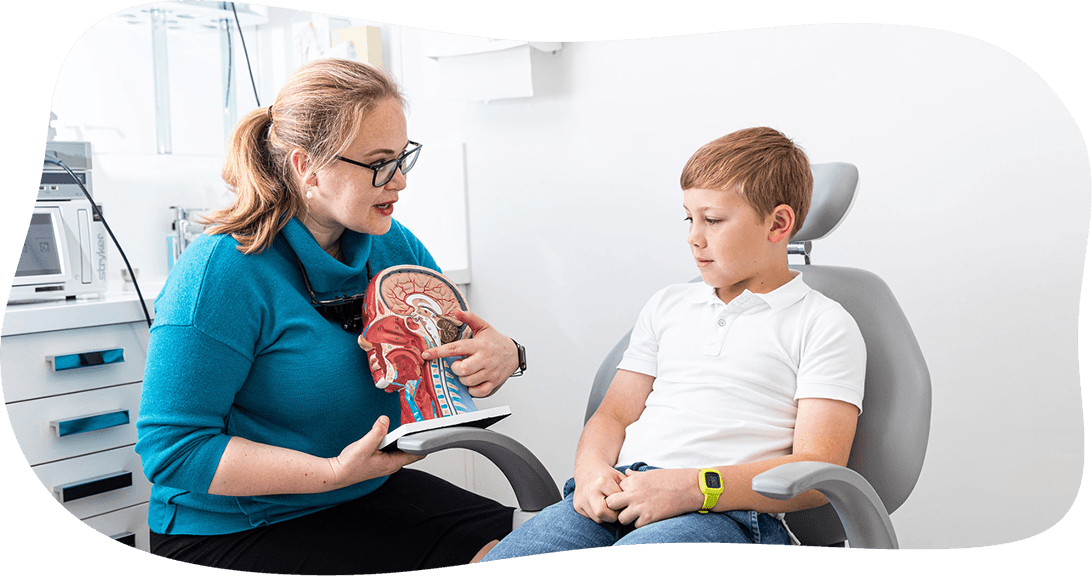
Snoring is not always sleep apnoea

Not every child with large tonsils or adenoids has obstructive sleep apnoea.

Children from 24 months to 18 years

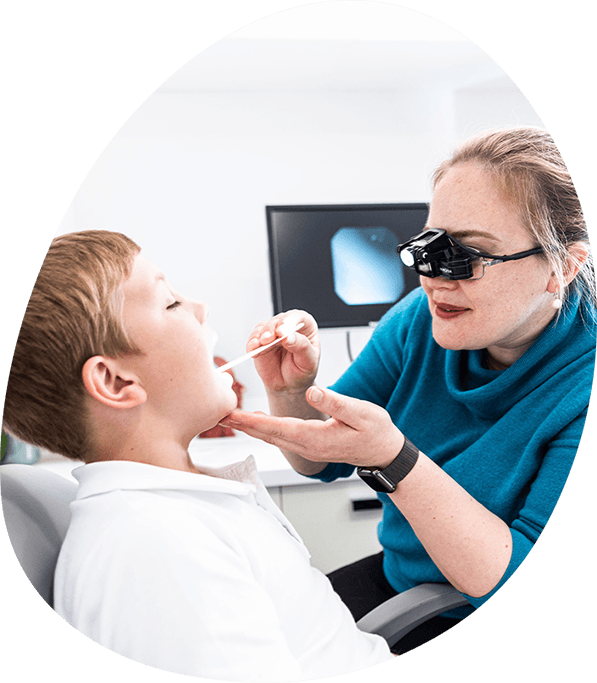
Dr Julia Crawford assesses children at Sydney ENT Clinic in Darlinghurst and Kogarah.

Assessment guides treatment

Whether treatment is needed depends on symptoms and, where relevant, further assessment, rather than the appearance of the tonsils alone.

What’s On This Page

What causes sleep-disordered breathing in children

The most common cause in children is enlarged tonsils and adenoids narrowing the airway during sleep. Other factors, such as nasal obstruction, can also contribute. Not every child with large tonsils or adenoids has obstructive sleep apnoea, and the decision about whether treatment is needed depends on symptoms and, where relevant, further assessment rather than the appearance of the tonsils alone.


Some children have other factors that contribute to sleep-disordered breathing, including weight, craniofacial differences or neuromuscular conditions. Children with more complex airway or medical problems may need broader assessment through paediatric sleep medicine or a paediatric ENT subspecialist.
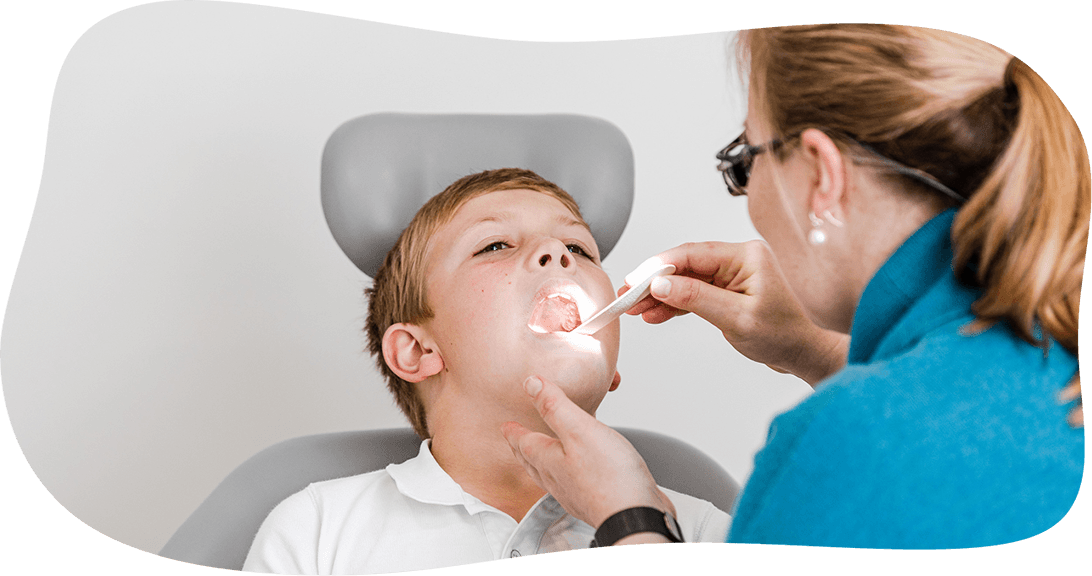
What are the signs to look for

Further assessment may be appropriate if your child snores regularly and also has symptoms such as:

  • pauses in breathing during sleep
  • gasping or struggling to breathe
  • very restless sleep
  • persistent mouth breathing
  • unusual sleeping positions
  • daytime tiredness or irritability
  • difficulty concentrating.


Occasional snoring on its own does not necessarily mean that a child has obstructive sleep apnoea. The pattern, persistence and combination of symptoms help determine whether further assessment is appropriate.
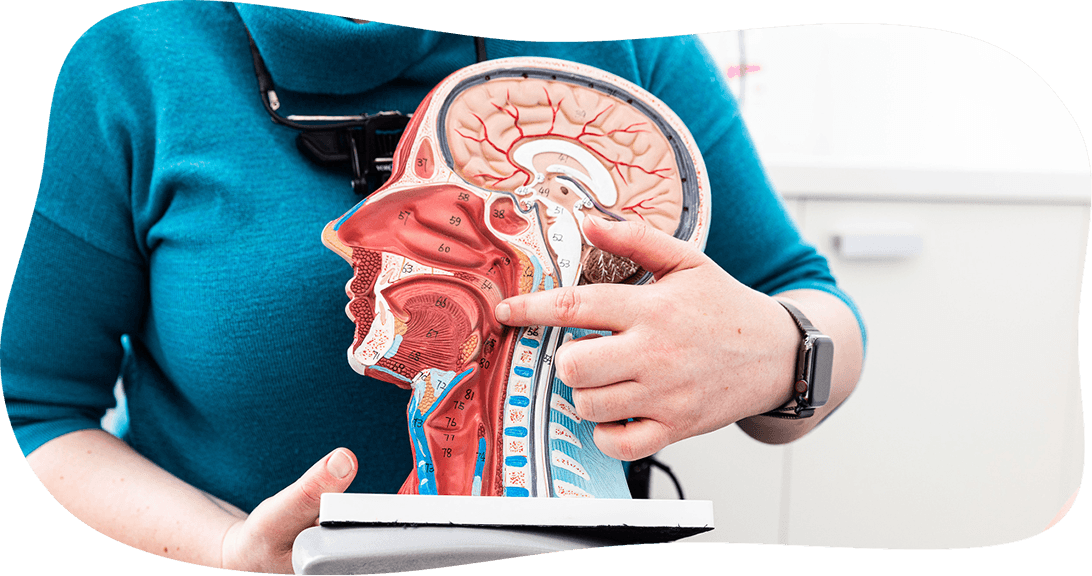
When a sleep study is needed

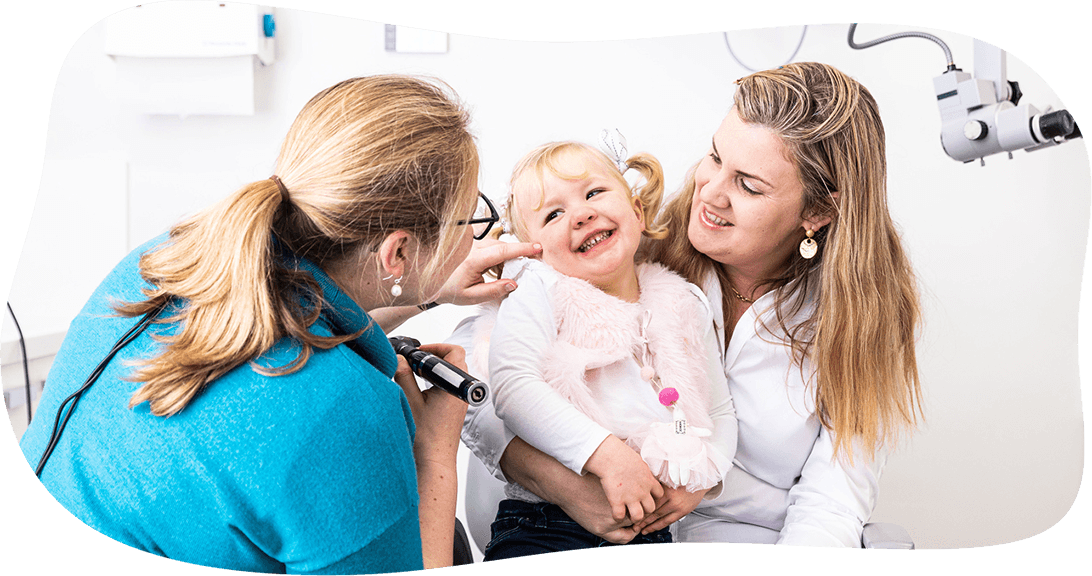
Some children require assessment by a sleep medicine practitioner and possibly a sleep study before a decision about treatment is made. For a Medicare-funded sleep study, children under 12 must have the need for the investigation determined by a qualified paediatric sleep medicine practitioner. For adolescents aged 12 to 17, this may be determined by either a qualified paediatric or adult sleep medicine practitioner. Dr Crawford will arrange an appropriate referral if a sleep study is required to help guide treatment.
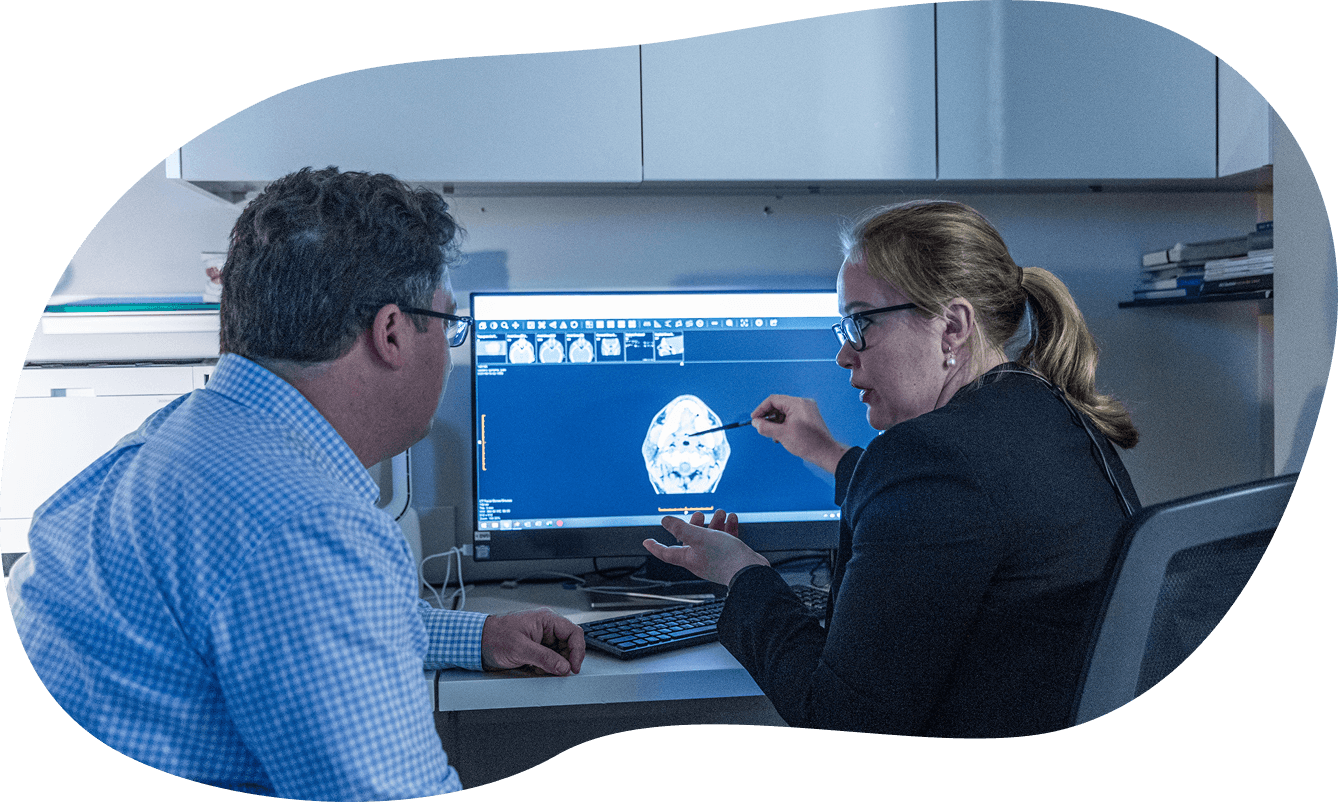
Looking at the adenoids

As part of assessing the adenoids, flexible nasendoscopy is one option, but many young children will not tolerate the examination. Where assessment of the adenoids is important, Dr Crawford may instead recommend an X-ray through a radiology practice to provide additional information about their size and the airway behind the nose.

What treatment options are available

Treatment depends on the likely cause, the pattern and severity of symptoms, examination findings and, where relevant, the results of further assessment such as a sleep study.

Where enlarged tonsils and adenoids are an important contributor to sleep-disordered breathing, tonsillectomy and adenoidectomy may improve the obstruction. Surgery is not the automatic next step for every child who snores, and Dr Crawford considers the symptoms, examination findings and any relevant investigations before recommending an operation.

Where nasal congestion is contributing, treatment may include saline or other medical treatment depending on the cause. This may be used alone for milder symptoms or alongside other treatment.

For selected children, continuous positive airway pressure, or CPAP, may be used when surgery is not appropriate, while other treatment is being planned, or when obstructive sleep apnoea persists after surgery. This is generally managed through a paediatric sleep medicine team.

Detail on the surgical option itself, including recovery, is covered on the paediatric tonsillectomy page.

Consultation Locations

Dr Crawford consults at two locations across Sydney.

Darlinghurst Rooms

Sydney ENT Clinic in Darlinghurst, for paediatric ENT consultations.

Kogarah Rooms

Serving patients in the southern suburbs of Sydney.

Frequently Asked Questions

We value financial transparency. The costs for surgery include the surgeon's fee, the anaesthetist's fee, and the hospital fee. We will provide a detailed estimate of costs prior to any procedure including any potential out-of-pocket expenses and Medicare rebates. Please contact our rooms for a schedule of fees.

A referral from your GP or another specialist is recommended and is generally required to claim a Medicare rebate for the consultation.

Some children's symptoms change over time as the tonsils and adenoids naturally reduce in size. Whether observation or treatment is the right approach depends on the individual child, which Dr Crawford can discuss with you at assessment.

Surgery may improve the obstruction where enlarged tonsils and adenoids are the main cause, but it is not guaranteed to resolve every child's symptoms. Some children need further assessment or other treatment afterwards.

No. A sleep study is not required for every child. It is considered when the diagnosis is unclear or when it will help guide a decision about treatment, and who can determine the need depends on your child's age, as set out above.

No. Snoring is common in children and does not always mean the child has obstructive sleep apnoea. Assessment depends on the pattern and severity of symptoms, and sometimes a sleep study.

Dr Crawford sees children from 24 months of age through to 18 years. Children younger than 24 months, and those with complex airway or other congenital problems, are usually better managed by a paediatric ENT subspecialist at one of Sydney's specialist children's hospitals.

Book a Paediatric Consultation

Dr Crawford sees children with snoring and sleep-disordered breathing at Sydney ENT Clinic in Darlinghurst and Kogarah. If your child has had a previous sleep study, specialist assessment or other relevant investigation, please provide the results before the appointment where possible. A valid referral from your GP or another medical specialist is required to claim Medicare rebates.
Get in Touch

Our team can assist with appointment enquiries and help arrange a consultation with Dr Julia Crawford at one of her three Sydney consulting locations:

Sydney ENT Clinic, Darlinghurst

Ground Floor, 67 Burton Street, Darlinghurst NSW 2010

Sydney ENT Clinic,
Kogarah

Suite 5, Level 2 19 Kensington Street Kogarah NSW 2217

Chris O'Brien Lifehouse

119, 143 Missenden Road, Camperdown NSW 2050

Book Your Consultation

Dr Julia Crawford consults for head and neck conditions, head and neck cancer, thyroid and salivary gland disease, obstructive sleep apnoea, paediatric ENT and selected general ENT problems.

Her team can assist with arranging an appointment at Darlinghurst, Kogarah or Chris O'Brien Lifehouse, and will help ensure the appropriate information and investigations are available before your consultation.

©2026 Dr. Julia Crawford. All rights reserved.