Non-Surgical Treatment for Obstructive Sleep Apnoea

Is Surgery the Only Option for Sleep Apnoea?

Surgery is only one treatment for obstructive sleep apnoea.

For many patients, effective treatment can be achieved without surgery. The most appropriate option depends on the severity and pattern of the sleep apnoea, symptoms, anatomy, body weight, sleep position and individual preferences.

CPAP remains one of the most effective treatments for obstructive sleep apnoea when it is tolerated and used consistently.

What’s On This Page

CPAP

Continuous Positive Airway Pressure, or CPAP, uses gentle positive pressure delivered through a mask to prevent the upper airway from narrowing or closing during sleep.


For moderate and severe obstructive sleep apnoea, CPAP is often recommended as first-line treatment.


When it is tolerated and used consistently, it is highly effective.


Some people, however, find CPAP difficult to tolerate despite appropriate mask fitting, pressure adjustment and troubleshooting.


Difficulty using CPAP does not automatically mean that surgery is the next treatment. Other options may also be appropriate.
Mandibular advancement devices

A mandibular advancement device is worn in the mouth during sleep and holds the lower jaw forward.


This can increase the space behind the tongue and reduce upper-airway narrowing.


These devices may be particularly useful for snoring and mild to moderate obstructive sleep apnoea in appropriately selected patients.


They are generally fitted and monitored by a dentist with experience in dental sleep medicine.
Positional therapy

Some patients have substantially worse obstructive sleep apnoea when sleeping on their back.


Where this is demonstrated on the sleep study, positional therapy may help by encouraging side sleeping.


It may be used alone in some patients or together with another treatment.
Weight management

Body weight can contribute significantly to obstructive sleep apnoea in some patients.


Where appropriate, weight reduction can improve the severity of OSA and may improve the effectiveness of other treatments.


Weight is not the only cause of sleep apnoea, however, and people of any body size can have significant upper-airway obstruction.
Alcohol and sedating medications

Alcohol can increase relaxation of the upper airway and worsen snoring and obstructive sleep apnoea.


Reducing alcohol consumption, particularly close to bedtime, may improve symptoms in some patients.


Some sedating medications can also worsen sleep-disordered breathing and may need to be considered as part of the overall assessment.
Treatment of nasal obstruction

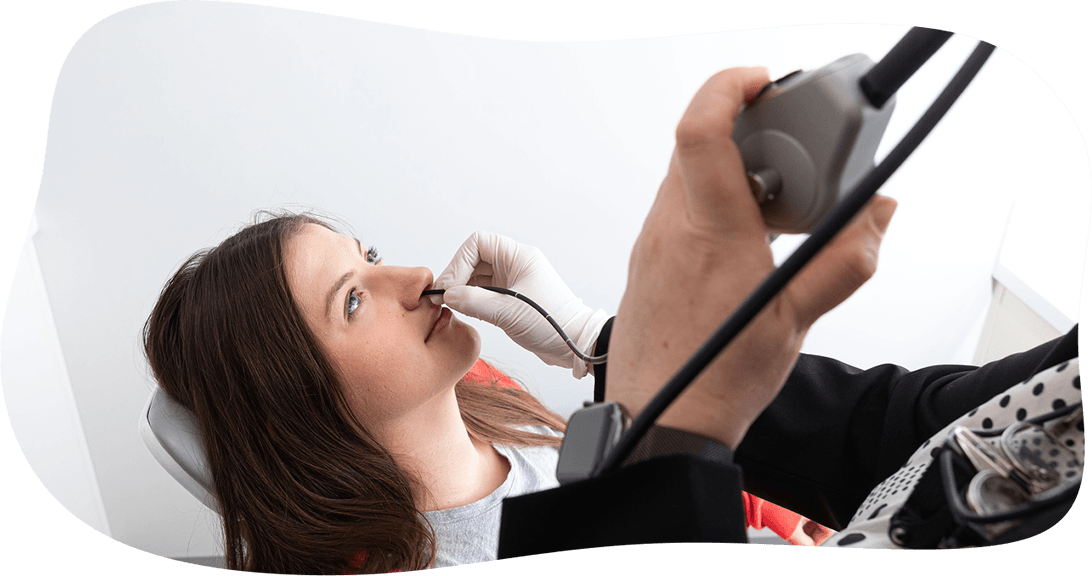
Nasal obstruction does not usually cause obstructive sleep apnoea by itself.


However, allergic rhinitis, enlarged turbinates or a deviated nasal septum may contribute to poor sleep and can make CPAP or a mandibular advancement device more difficult to tolerate.


Treatment may include nasal sprays, allergy management or nasal surgery where there is significant structural obstruction.
When should surgery be considered?

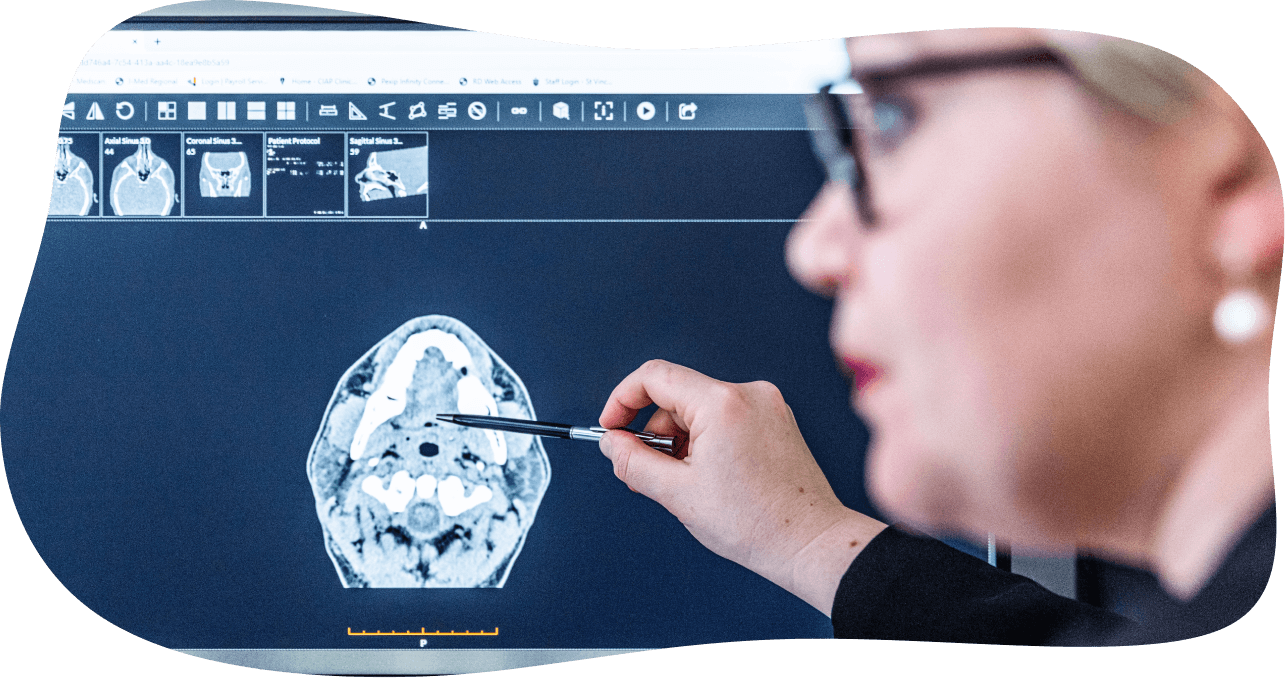
Surgery may be considered when non-surgical treatment is not tolerated, is unsuitable or has not adequately controlled the obstructive sleep apnoea, particularly where there is an anatomical abnormality that may reasonably respond to surgery.


A consultation for sleep apnoea surgery does not mean that surgery will necessarily be recommended.

Frequently Asked Questions

Surgery is a structural solution designed to provide long-term resolution of airway collapse. Unlike CPAP, which only works while you wear it, surgery permanently alters the anatomy to prevent obstruction. However, the human body changes over time. Significant weight gain or the natural loss of muscle tone associated with ageing can influence long-term results. For most patients who maintain a stable weight, surgical correction offers a durable and lasting improvement in sleep quality and health markers.

Recovery varies depending on the specific combination of procedures performed. For robotic tongue base surgery, most patients spend 2 to 3 nights in the hospital for monitoring. You can expect a sore throat for 10 to 14 days, during which a soft diet is required. Most executive professionals plan for two weeks off work to ensure adequate rest and healing. We provide a comprehensive pain management plan to keep you comfortable during this period, allowing you to return to full duties with renewed energy.

Snoring is the sound of tissue vibration caused by turbulent airflow. By widening and stiffening the airway, surgery significantly reduces this turbulence. While the primary medical goal is to eliminate the dangerous pauses in breathing (apnoea), a massive reduction or complete elimination of snoring is a very common and welcome side effect. This often leads to improved sleep quality for bed partners and a restoration of harmony in the bedroom.

Body weight is an important factor in sleep apnoea management. While surgery can be effective for patients with a higher Body Mass Index (BMI), extreme obesity can sometimes compromise surgical outcomes due to airway crowding from adipose tissue. Dr Crawford will assess your anatomy individually. In some cases, a combined approach of weight management and surgery yields the best results. We will have an honest discussion about your BMI and how it influences your suitability for robotic intervention.

We believe in objective data validation. Approximately three to four months after your procedure, once all healing is complete, we will arrange a post-operative sleep study. This allows us to measure your new Apnoea-Hypopnea Index (AHI) and compare it against your pre-surgical baseline. Success is typically defined as a significant reduction in AHI (often 50% or more) and a resolution of daytime symptoms. This data-driven follow-up ensures that your treatment has effectively mitigated the health risks associated with OSA.

Book Your Sleep Consultation

Take the definitive step toward device-free sleep and restored performance.

Contact our rooms today to schedule a comprehensive airway assessment with Dr Crawford.
Get in Touch

Our team can assist with appointment enquiries and help arrange a consultation with Dr Julia Crawford at one of her three Sydney consulting locations:

Sydney ENT Clinic, Darlinghurst

Ground Floor, 67 Burton Street, Darlinghurst NSW 2010

Sydney ENT Clinic,
Kogarah

Suite 5, Level 2, 19 Kensington Street, Kogarah NSW 2217

Chris O'Brien Lifehouse

119-143 Missenden Road, Camperdown NSW 2050

Book Your Consultation

Dr Crawford consults for head and neck conditions, head and neck cancer, thyroid and salivary gland disease, obstructive sleep apnoea, paediatric ENT and a range of general ENT conditions.

Her team can assist with arranging an appointment at Sydney ENT Clinic in Darlinghurst or Kogarah, or Chris O'Brien Lifehouse, and will help ensure the appropriate referral, imaging, test results and other relevant information are available before your consultation.

©2026 Dr. Julia Crawford. All rights reserved.