Follow-Up After Sleep Apnoea Surgery

Feeling Better Isn't the Whole Picture

The result of sleep apnoea surgery should not be judged by snoring or symptoms alone.

A patient may feel better and snore less but still have clinically important obstructive sleep apnoea.

Objective follow-up is therefore an important part of treatment.
What’s On This Page

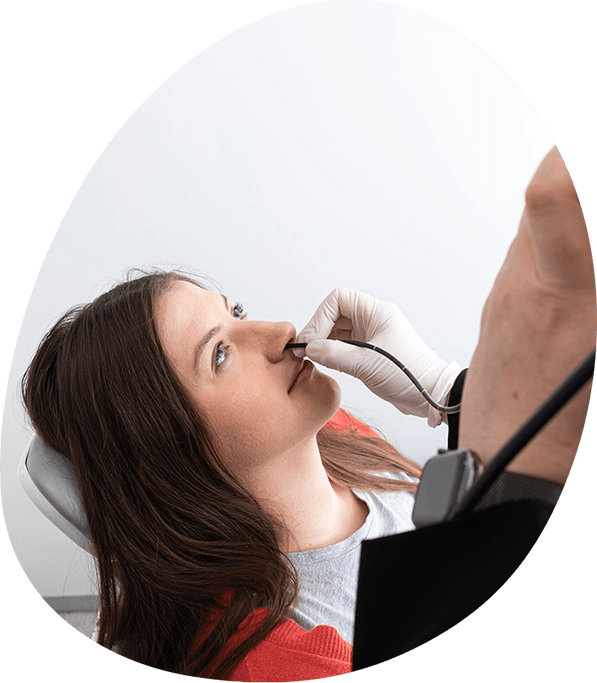
Early postoperative review

Initial follow-up focuses on:

  • wound healing
  • pain
  • swallowing
  • hydration
  • bleeding
  • nasal obstruction where relevant
  • return to normal activities

When should a repeat sleep study be performed?

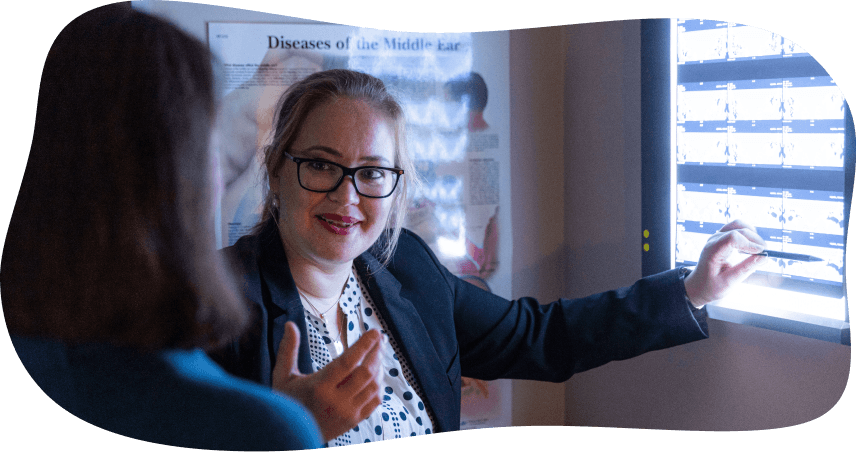
Once postoperative swelling has resolved and healing is complete, a repeat sleep study is often recommended.


This allows objective comparison with the pre-operative study.
What does the repeat sleep study assess?

It can show:

  • whether the severity of OSA has improved
  • whether oxygen levels have improved
  • whether positional OSA remains
  • whether clinically important OSA persists
  • whether further treatment is required

What if sleep apnoea remains?

Surgery does not guarantee elimination of OSA.


Some patients may continue to require:

  • CPAP
  • a mandibular advancement device
  • positional therapy
  • weight management
  • additional treatment
  • further assessment by a sleep physician

A successful outcome does not necessarily mean an apnoea-hypopnoea index of zero.

For some patients, a substantial reduction in disease severity or improved tolerance of another treatment represents a meaningful result.
Multidisciplinary follow-up

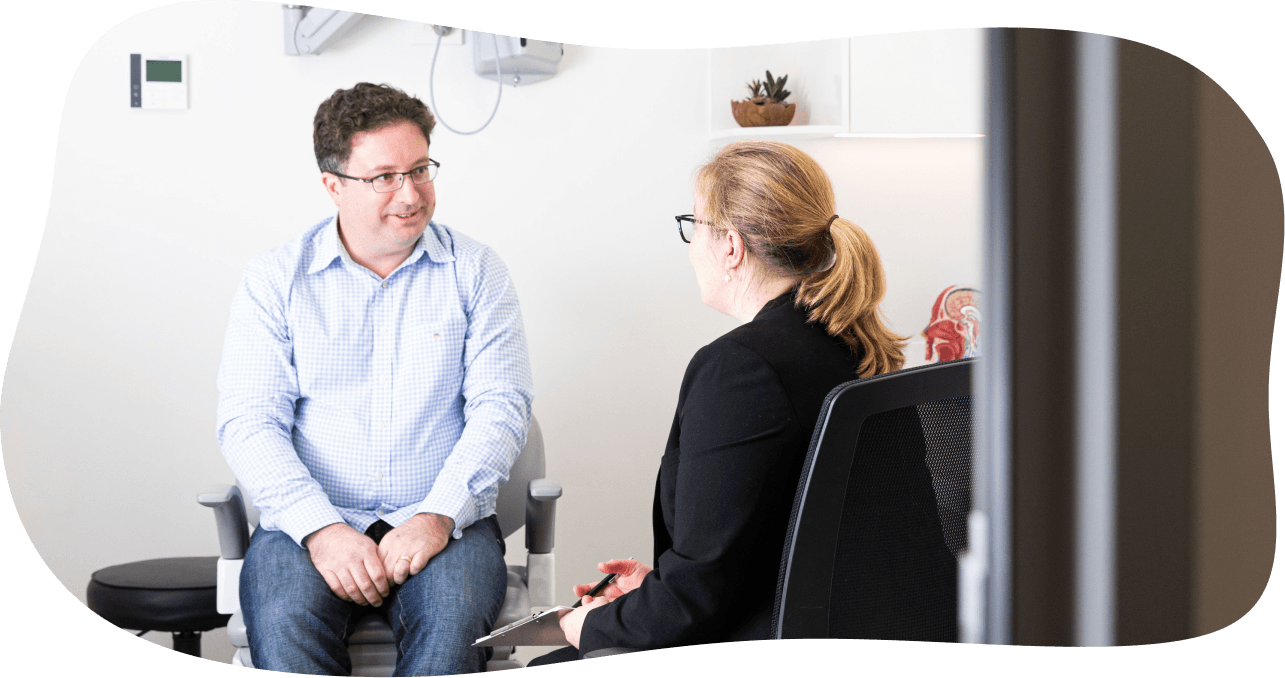
Dr Crawford participates in the multidisciplinary Sleep MDT at St Vincent's Hospital.


Complex cases can be discussed with clinicians from relevant specialties where there are persistent symptoms, residual obstructive sleep apnoea or several reasonable treatment options.

  • CPAP
  • a mandibular advancement device
  • positional therapy
  • weight management
  • additional treatment
  • further assessment by a sleep physician

A successful outcome does not necessarily mean an apnoea-hypopnoea index of zero.

For some patients, a substantial reduction in disease severity or improved tolerance of another treatment represents a meaningful result.

Frequently Asked Questions

Surgery is a structural solution designed to provide long-term resolution of airway collapse. Unlike CPAP, which only works while you wear it, surgery permanently alters the anatomy to prevent obstruction. However, the human body changes over time. Significant weight gain or the natural loss of muscle tone associated with ageing can influence long-term results. For most patients who maintain a stable weight, surgical correction offers a durable and lasting improvement in sleep quality and health markers.

Recovery varies depending on the specific combination of procedures performed. For robotic tongue base surgery, most patients spend 2 to 3 nights in the hospital for monitoring. You can expect a sore throat for 10 to 14 days, during which a soft diet is required. Most executive professionals plan for two weeks off work to ensure adequate rest and healing. We provide a comprehensive pain management plan to keep you comfortable during this period, allowing you to return to full duties with renewed energy.

Snoring is the sound of tissue vibration caused by turbulent airflow. By widening and stiffening the airway, surgery significantly reduces this turbulence. While the primary medical goal is to eliminate the dangerous pauses in breathing (apnoea), a massive reduction or complete elimination of snoring is a very common and welcome side effect. This often leads to improved sleep quality for bed partners and a restoration of harmony in the bedroom.

Body weight is an important factor in sleep apnoea management. While surgery can be effective for patients with a higher Body Mass Index (BMI), extreme obesity can sometimes compromise surgical outcomes due to airway crowding from adipose tissue. Dr Crawford will assess your anatomy individually. In some cases, a combined approach of weight management and surgery yields the best results. We will have an honest discussion about your BMI and how it influences your suitability for robotic intervention.

We believe in objective data validation. Approximately three to four months after your procedure, once all healing is complete, we will arrange a post-operative sleep study. This allows us to measure your new Apnoea-Hypopnea Index (AHI) and compare it against your pre-surgical baseline. Success is typically defined as a significant reduction in AHI (often 50% or more) and a resolution of daytime symptoms. This data-driven follow-up ensures that your treatment has effectively mitigated the health risks associated with OSA.

Book Your Sleep Consultation

Take the definitive step toward device-free sleep and restored performance.

Contact our rooms today to schedule a comprehensive airway assessment with Dr Crawford.
Get in Touch

Our team can assist with appointment enquiries and help arrange a consultation with Dr Julia Crawford at one of her three Sydney consulting locations:

Sydney ENT Clinic, Darlinghurst

Ground Floor, 67 Burton Street, Darlinghurst NSW 2010

Sydney ENT Clinic,
Kogarah

Suite 5, Level 2, 19 Kensington Street, Kogarah NSW 2217

Chris O'Brien Lifehouse

119-143 Missenden Road, Camperdown NSW 2050

Book Your Consultation

Dr Crawford consults for head and neck conditions, head and neck cancer, thyroid and salivary gland disease, obstructive sleep apnoea, paediatric ENT and a range of general ENT conditions.

Her team can assist with arranging an appointment at Sydney ENT Clinic in Darlinghurst or Kogarah, or Chris O'Brien Lifehouse, and will help ensure the appropriate referral, imaging, test results and other relevant information are available before your consultation.

©2026 Dr. Julia Crawford. All rights reserved.