Care after head and neck cancer surgery does not end at discharge. Regular follow-up helps monitor for recurrence and manage the effects of treatment. Allied health support may also be involved where surgery or radiotherapy has affected swallowing, nutrition, movement or other aspects of recovery.
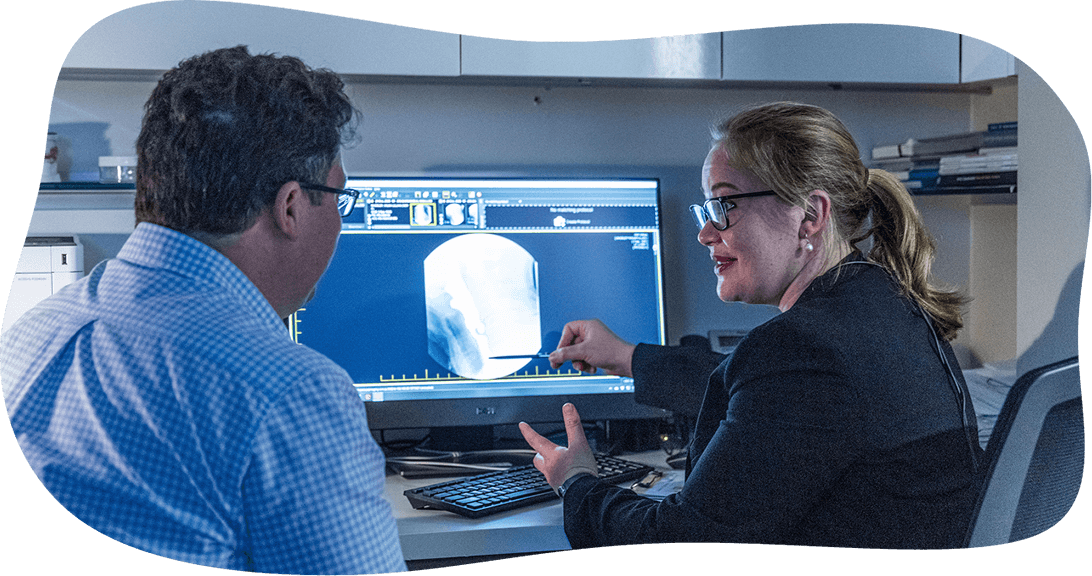
Follow-up appointments continue for a number of years after treatment, with visits generally more frequent in the earlier period and less frequent as time passes.
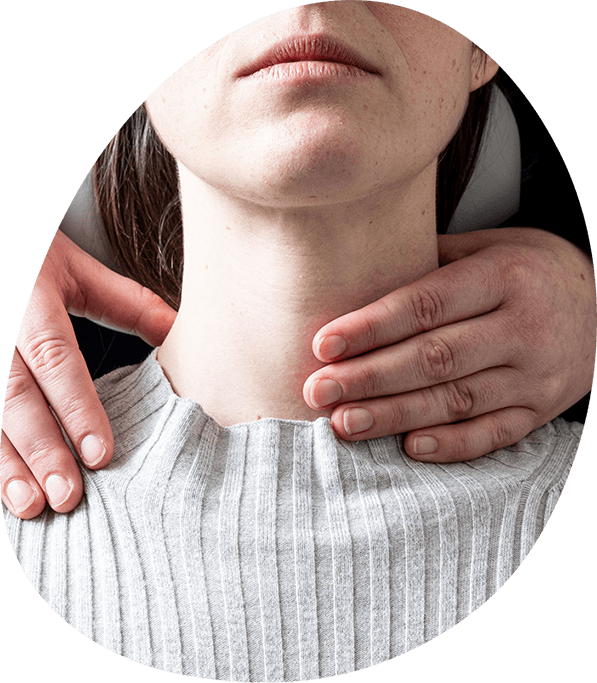
A typical follow-up appointment includes a conversation about any new symptoms, such as pain, swallowing difficulty, unexplained weight loss or voice change, followed by examination of the mouth and neck, including feeling for any new lumps. Flexible nasendoscopy is often repeated at follow-up visits to examine the throat and voice box directly.
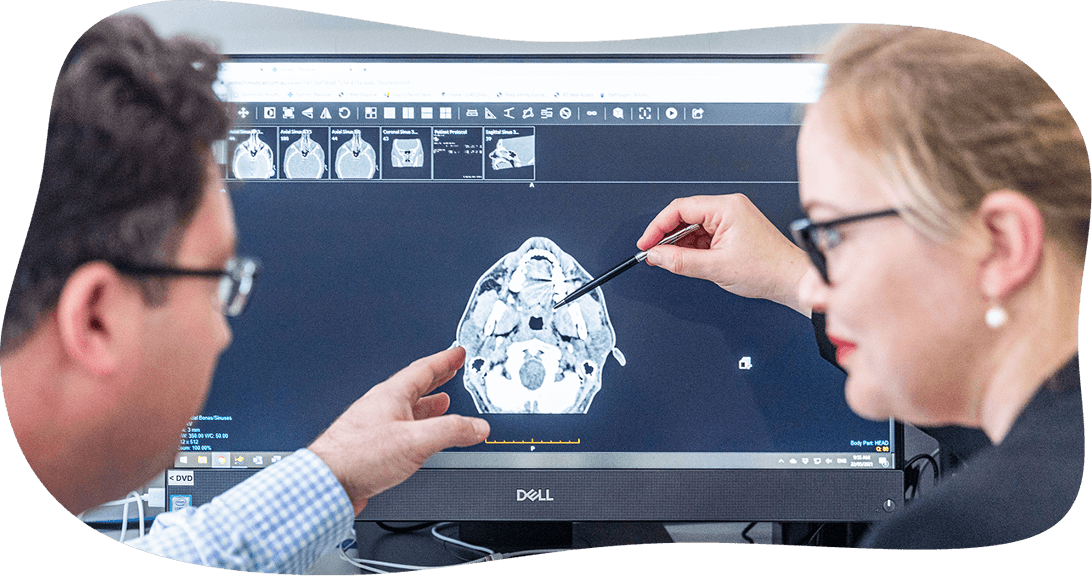
Imaging is not routinely repeated at every visit. It is generally arranged when there is a new symptom or an examination finding that needs further investigation, or at specific points agreed as part of your individual surveillance plan.
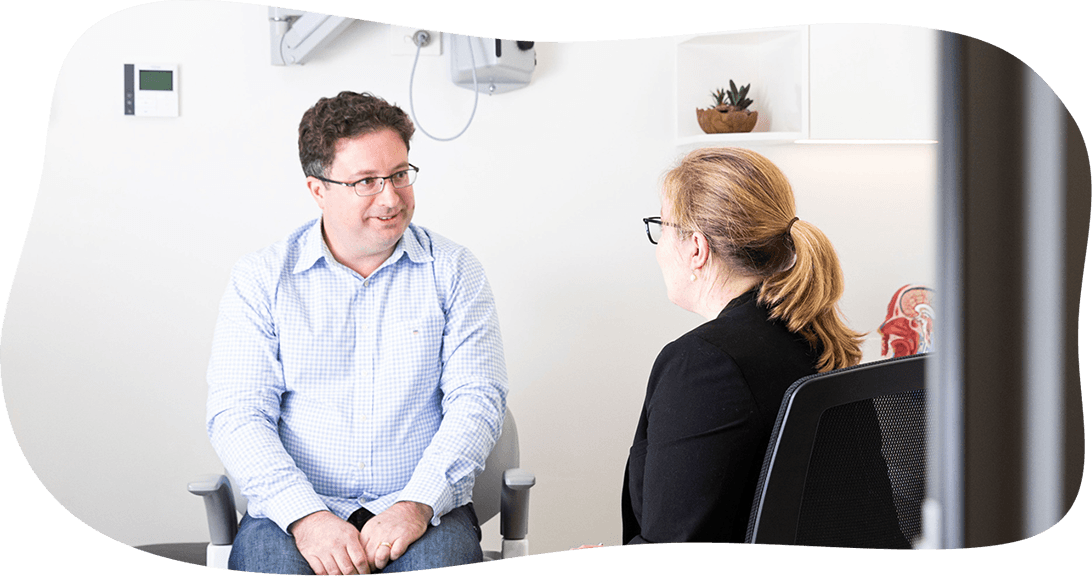
Radiotherapy to the head and neck can reduce blood flow to the jawbone and change saliva, which increases the risk of dental decay and, less commonly, a serious condition affecting the jawbone called osteoradionecrosis. Dental assessment before radiotherapy begins, and regular dental review afterwards, is an important part of care for anyone who has had or will have radiotherapy to this area.
Maintaining good oral hygiene and managing dry mouth, where present, can also help reduce the risk of dental problems after treatment.
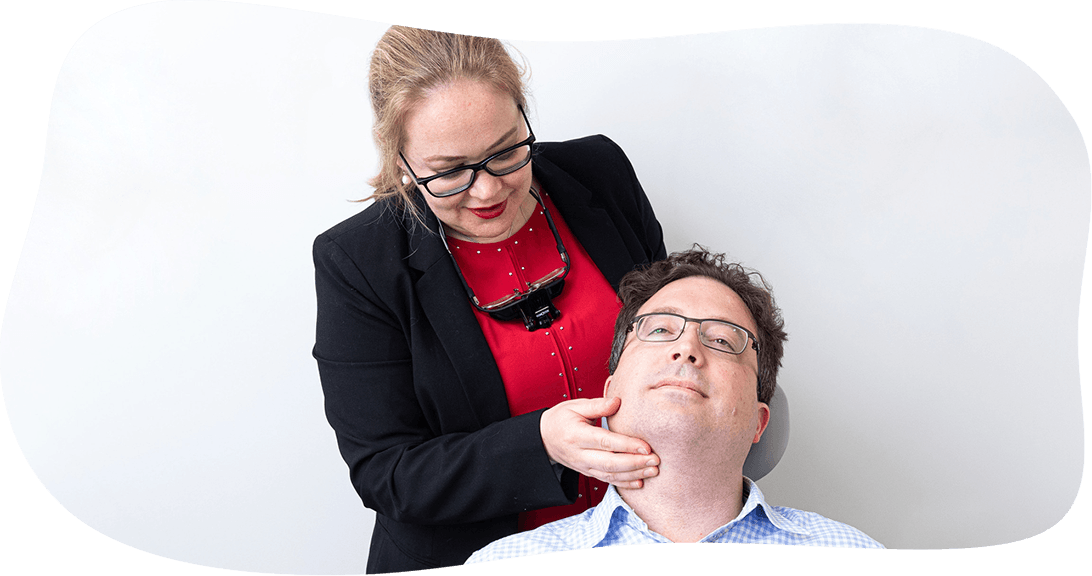
A neck dissection can interrupt the normal drainage of lymphatic fluid, which may cause swelling in the neck or face known as lymphoedema.
Physiotherapists with experience in head and neck cancer may use exercises and other techniques to help manage lymphoedema where it occurs.
If the accessory nerve, which helps control shoulder movement, is affected during a neck dissection, shoulder stiffness, weakness or altered movement can result. Physiotherapy and targeted shoulder exercises can help improve movement and reduce discomfort. The degree of shoulder involvement varies depending on the extent of the neck dissection and how the nerve has been affected.
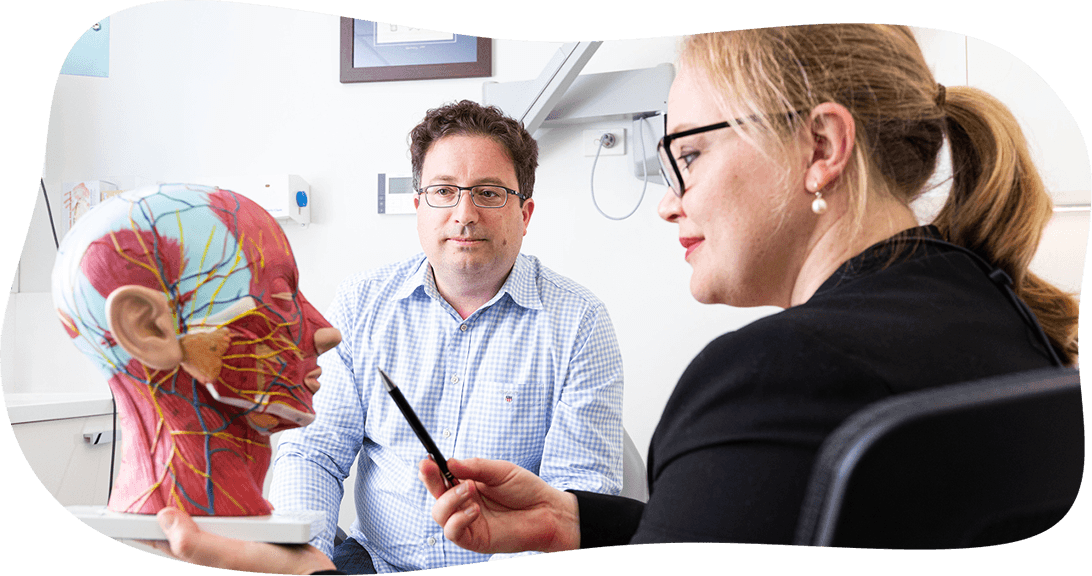
Speech pathologists and dietitians may remain involved after surgery, particularly where swallowing, voice or nutrition have been affected by treatment. Ongoing support may continue after discharge depending on the individual’s recovery and needs.
Some changes should not wait for the next scheduled appointment. Contact the practice if you notice any of the following:
Dr Crawford is a Sydney ENT and head and neck surgeon. Follow-up care after cancer treatment is part of her practice.

Dr Crawford consults at three convenient locations across Sydney.

While your specialist consultations take place at the clinics listed above, the surgical process involves a separate set of mandatory hospital-based appointments. These take place at the facility where your procedure is scheduled, such as St Vincent’s Private Hospital or St George Private Hospital. These appointments are a critical part of the safety protocol for Transoral Robotic Surgery (TORS).
Follow-up appointments take place at Sydney ENT Clinic in Darlinghurst or Kogarah, or through Chris O’Brien Lifehouse for head and neck cancer patients. A valid referral is required to claim Medicare rebates. The practice can advise whether your existing referral remains valid for ongoing follow-up or whether a new referral is needed.
Our team can assist with appointment enquiries and help arrange a consultation with Dr Julia Crawford at one of her three Sydney consulting locations:
Dr Julia Crawford consults for head and neck conditions, head and neck cancer, thyroid and salivary gland disease, obstructive sleep apnoea, paediatric ENT and selected general ENT problems.
Her team can assist with arranging an appointment at Darlinghurst, Kogarah or Chris O'Brien Lifehouse, and will help ensure the appropriate information and investigations are available before your consultation.