Robotic ENT

The Complete Guide to Transoral Robotic Surgery (TORS)

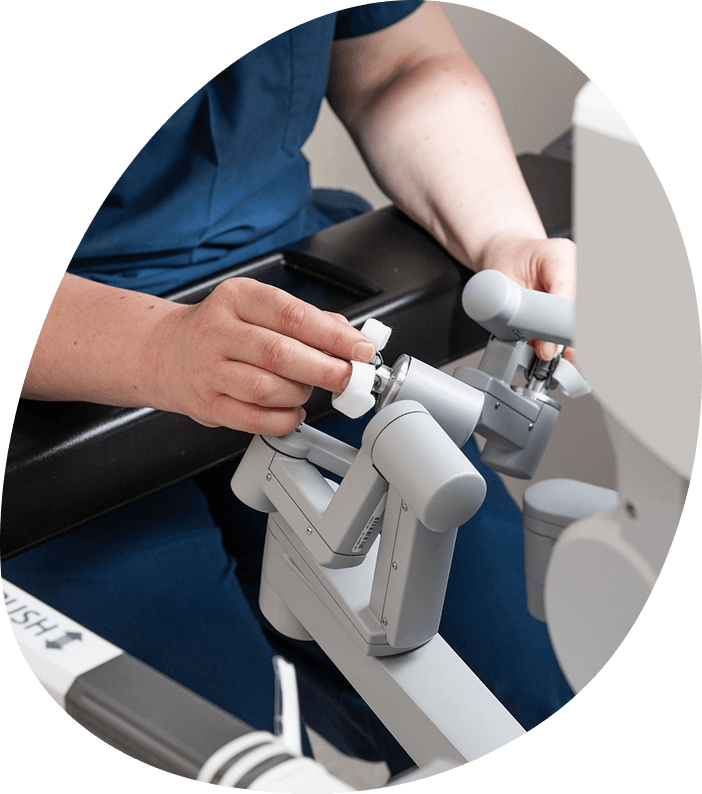
Robotic ENT surgery, specifically Transoral Robotic Surgery (TORS), is a minimally invasive technique that allows surgeons to remove tumours and obstructions through the mouth without external incisions. This precision-led approach typically results in faster recovery times, less pain, and no visible facial scarring for patients with head and neck conditions.
Precision and Access

High-definition 3D cameras and "wristed" instruments provide access to hard-to-reach areas like the base of the tongue and tonsils.

Faster Recovery

Most patients return home within one to three days and resume office-based work within a week.

Reduced Trauma

By avoiding traditional "jaw-splitting" techniques, the procedure preserves more natural swallowing and speaking functions.

What’s On This Page

The Paradigm Shift in Head and Neck Surgery

For decades, surgery for conditions located deep within the throat or at the base of the tongue presented a significant challenge for even the most skilled surgeons. The anatomy of the human throat is a complex network of nerves, blood vessels, and muscles responsible for vital functions such as breathing, speaking, and swallowing.

Historically, accessing these areas required "open" surgical techniques. This often meant performing a mandibulotomy, a procedure where the surgeon must literally split the lower jawbone to create enough space to reach a tumour. While these surgeries were successful in removing disease, they were physically traumatic. Patients often faced permanent changes to their appearance, difficulty speaking, and a high reliance on feeding tubes for nutrition during a months-long recovery.
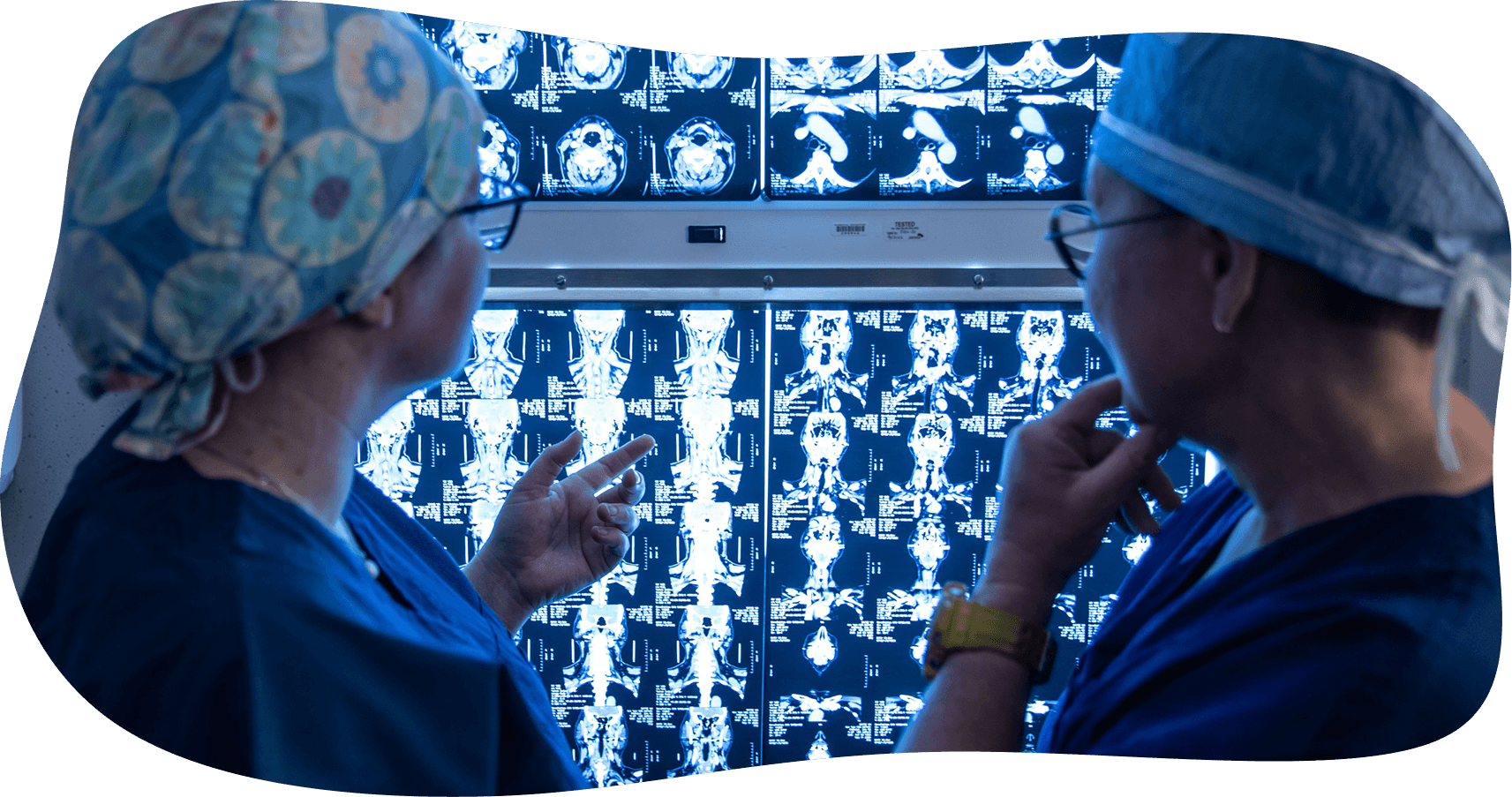
The introduction of Transoral Robotic Surgery (TORS) has fundamentally changed this landscape. By utilising the natural opening of the mouth as the surgical gateway, we have eliminated the need for external incisions. This is not just a cosmetic improvement. It represents a total shift in how we approach head and neck oncology and obstructive sleep apnoea.

In Dr Crawford’s practice, TORS is used to provide patients with a "functional" cure. This means our goal is not only to remove the cancer or obstruction but to do so in a way that preserves your ability to enjoy life, eat your favourite foods, and speak clearly with your loved ones.

Not every throat condition requires a robotic approach. However, it has become the gold standard for several specific issues. Dr Crawford typically recommends TORS for patients with early-stage cancers of the tonsils or the back of the tongue. It is also an excellent option for those suffering from severe obstructive sleep apnoea caused by an enlarged tongue base. During your consultation, we look at the size and location of the tissue to ensure the robotic instruments can be positioned safely.

When is TORS the Right Choice?

Dr Crawford assesses each patient on an individual basis to determine if they are a candidate for robotic surgery. While the technology is powerful, it is most effective when used for specific conditions.
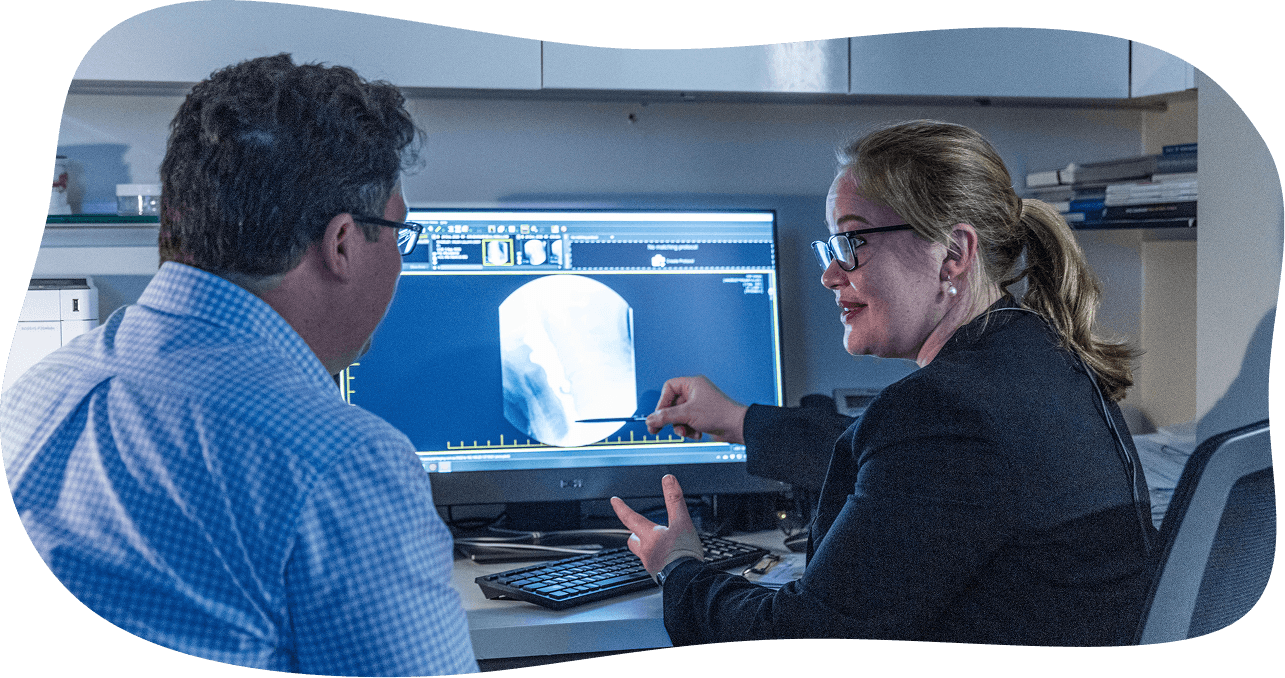
There has been a significant rise in oropharyngeal cancers in Australia, often linked to the Human Papillomavirus (HPV). These cancers frequently appear in the tonsils or at the base of the tongue. Because these tumours are often sensitive to treatment and located in highly functional areas, TORS is the ideal tool for removal.

When we use the robot for cancer removal, we focus on achieving "clear margins." This means we remove a small layer of healthy tissue around the tumour to ensure no cancer cells are left behind. Because the robot is so precise, we can take much smaller margins than we would with open surgery, which saves more of your natural throat function.

For many patients, sleep apnoea is caused by an oversized tongue base that collapses into the airway during sleep. When CPAP machines or dental splints are not tolerated, surgery may be the best path forward.

A robotic lingual tonsillectomy allows Dr Crawford to thin out the excess tissue at the back of the tongue. By creating more space in the airway, we can significantly reduce the severity of sleep apnoea and improve your quality of life and long-term cardiovascular health.

The shift toward robotic techniques is driven by patient outcomes. The most immediate benefit is the lack of a visible scar. Because we go through the mouth, there are no neck incisions.

Beyond aesthetics, the internal benefits are even more important. Traditional open surgery often requires a tracheostomy (a temporary breathing tube in the neck) or a feeding tube. With the robotic approach, these are rarely necessary. Most patients can swallow and speak almost immediately after they wake up.

The Diagnostic and Planning Journey

Our commitment to your health begins long before you enter the operating theatre. A successful robotic procedure relies on meticulous planning and diagnostic accuracy.
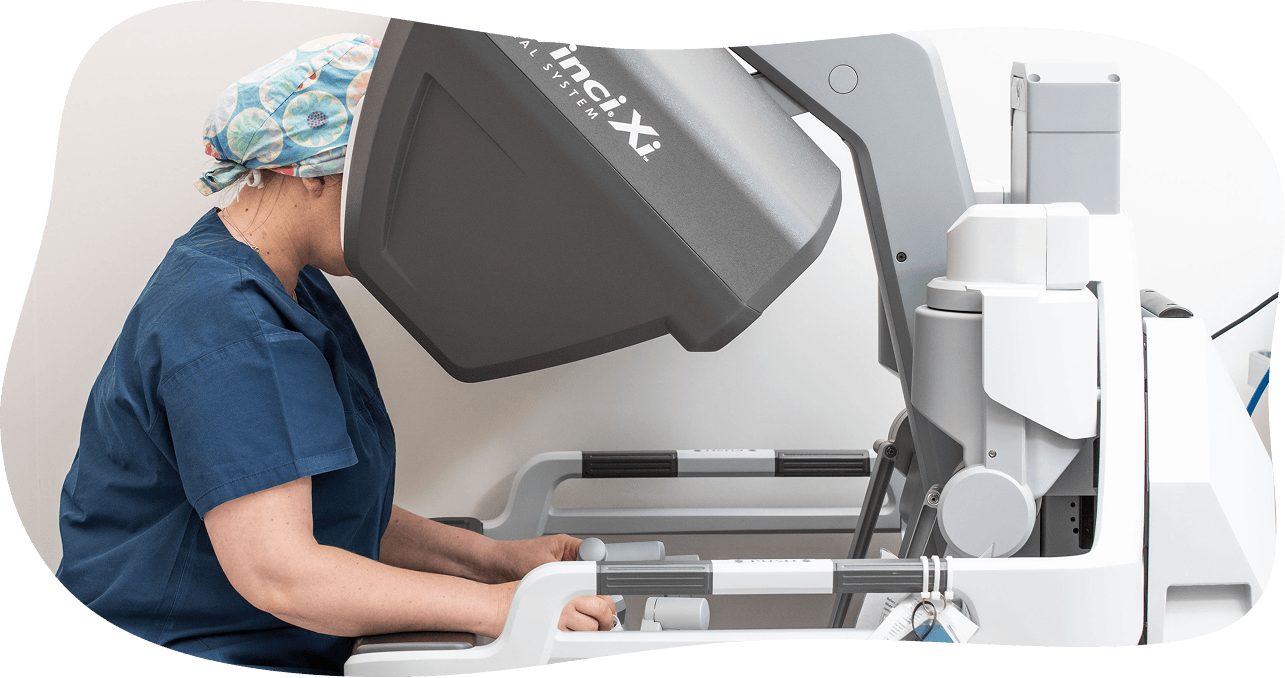
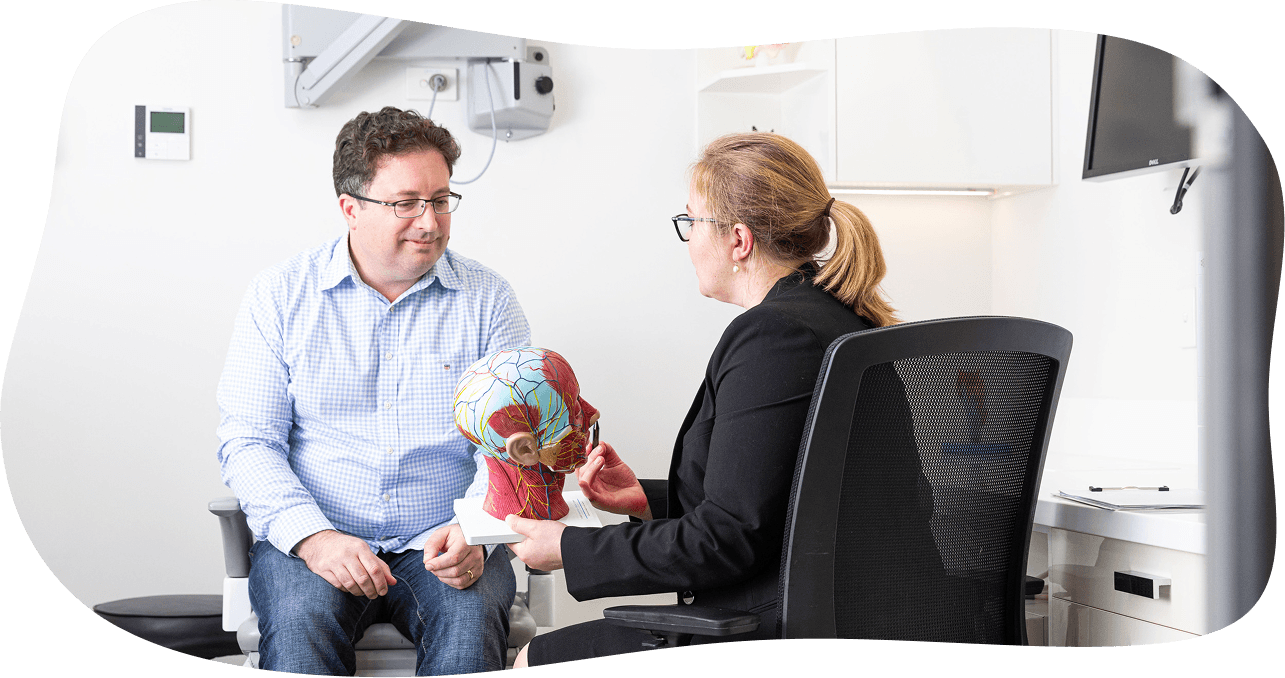
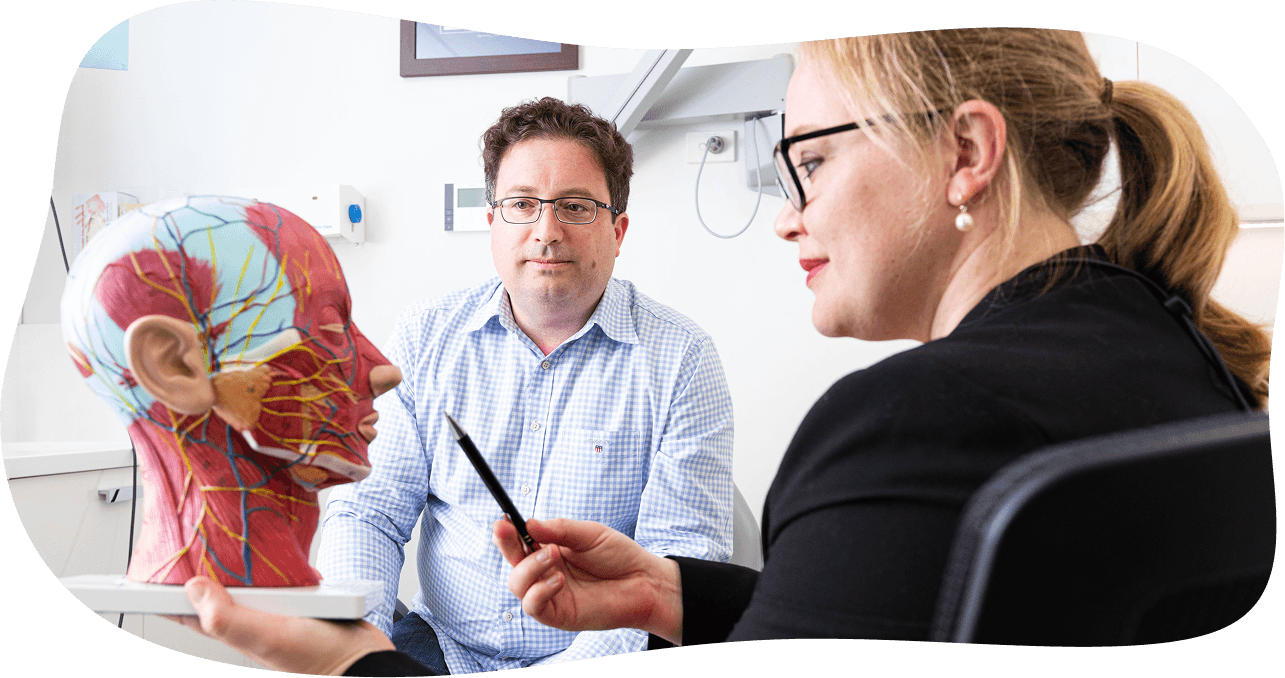
Your journey starts with a detailed discussion of your symptoms and a physical examination. Dr Crawford will use a flexible nasendoscopy, a tiny camera passed through the nose, to view your throat in real-time. This is a quick and painless procedure performed in the clinic that provides vital information about the location and size of any issues.

For patients with cancer, Dr Crawford does not work in isolation. Every case is presented to a Multi-Disciplinary Team (MDT). This team consists of:
  • Head and Neck Surgeons
  • Radiation Oncologists
  • Medical Oncologists (Chemotherapy specialists)
  • Radiologists (Imaging experts)
  • Pathologists (Cellular experts)
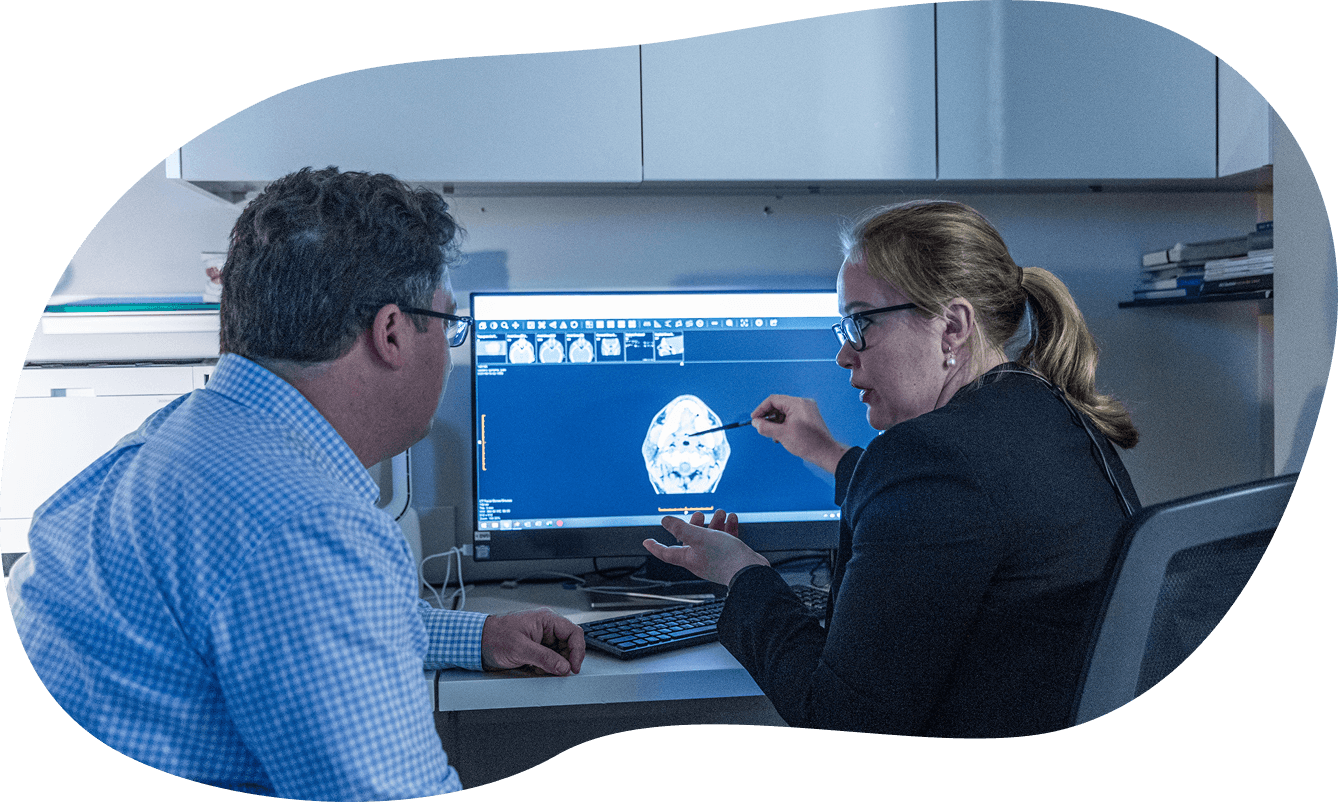
Together, this group of specialists reviews your scans and biopsy results to create a bespoke treatment plan. This ensures you receive the highest standard of care available in Sydney.

A Glance at the Surgical Procedure

On the day of surgery, you will be placed under general anaesthesia. The procedure typically takes between 60 and 90 minutes.
Preparation

A special retractor is placed in the mouth to keep the airway open and provide the robot with a stable workspace.

Docking

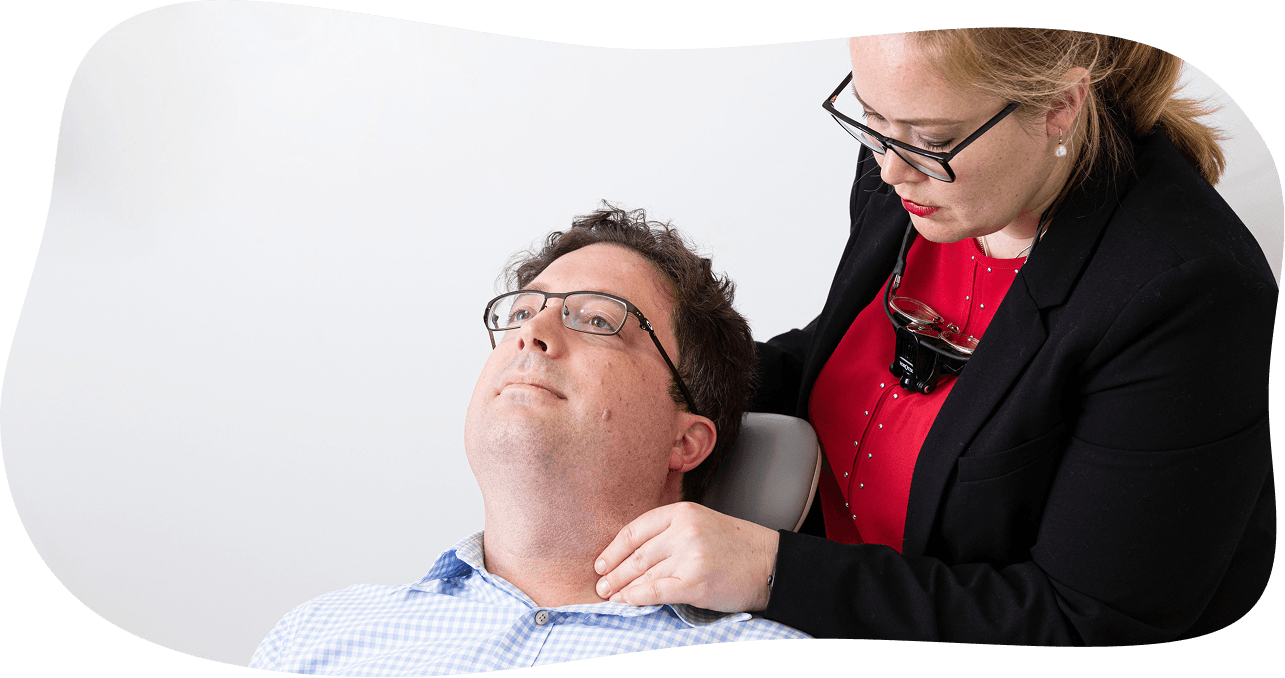
The robotic arms are positioned over the patient. Dr Crawford then moves to the surgeon's console.

Dissection

Using the 3D magnified view, Dr Crawford removes the target tissue. The precision of the robot allows her to avoid damaging the large arteries and nerves that reside in the neck.

Completion

Once the tissue is removed, the site is checked for any bleeding before the robot is undocked.

Comprehensive Recovery and Aftercare

The success of robotic surgery is measured by how quickly you return to your normal life. Because the robot minimises trauma to the throat, the recovery timeline is much shorter than traditional methods.
Most patients stay in the hospital for two to three nights. The primary goals during this time are:
Managing Discomfort: You will experience a sore throat, similar to a very bad case of tonsillitis. We use a combination of medications to keep you comfortable.
Establishing Nutrition: You will begin a liquid or very soft diet immediately. Our team will monitor your ability to swallow safely before you are discharged.

The first two weeks at home are focused on healing.
The "No Scratch" Rule: You must avoid any foods that are sharp, crunchy, or acidic. This includes chips, crusty bread, and citrus juices. These can scratch the healing surgical site and cause pain or bleeding.
Hydration is Key: Keeping the throat moist is essential for healing. We recommend sipping water or cool liquids throughout the day.
Activity Levels: You should avoid heavy lifting, vigorous exercise, or any activity that increases your blood pressure for at least 14 days.

Some patients may notice that their swallowing feels "different" after surgery. This is often due to the removal of tissue or temporary swelling. Dr Crawford works with expert speech pathologists who provide tailored exercises to help you swallow and speak with confidence.

Understanding the Risks

Every surgical procedure carries some level of risk. While TORS is highly safe, it is important to be aware of the following possibilities:
There is a small risk (around 3 to 5%) of bleeding from the surgical site during the first two weeks as the scabs heal. If this occurs, it may require a brief return to the hospital for observation or a quick procedure to stop the bleed.

Because the robotic tools must move past the tongue, some patients experience temporary numbness or a change in taste. This almost always resolves within a few weeks as the nerves settle.

To perform the surgery through the mouth, we use a retractor to keep the mouth open. While we use protective guards, there is a very small risk of a chip to a tooth or dental work.

Consultation Locations

Dr Crawford consults at three convenient locations across Sydney.
Darlinghurst Rooms

Our primary city location for general ENT and robotic surgery consultations.

Kogarah Rooms

Serving patients in the southern suburbs of Sydney.

Chris O'Brien Lifehouse

This location is dedicated specifically to our head and neck cancer patients.

Hospital-Based Appointments

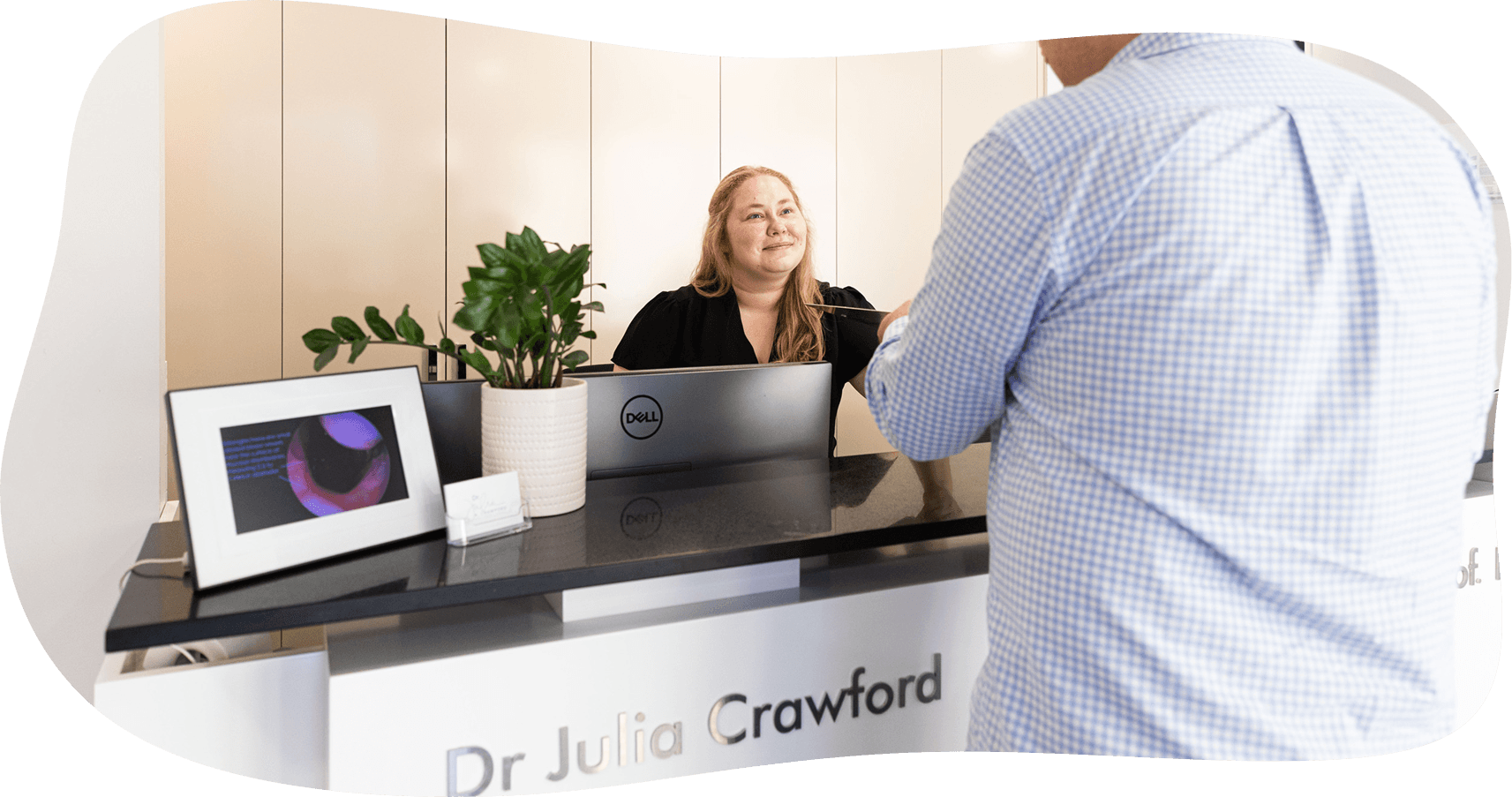
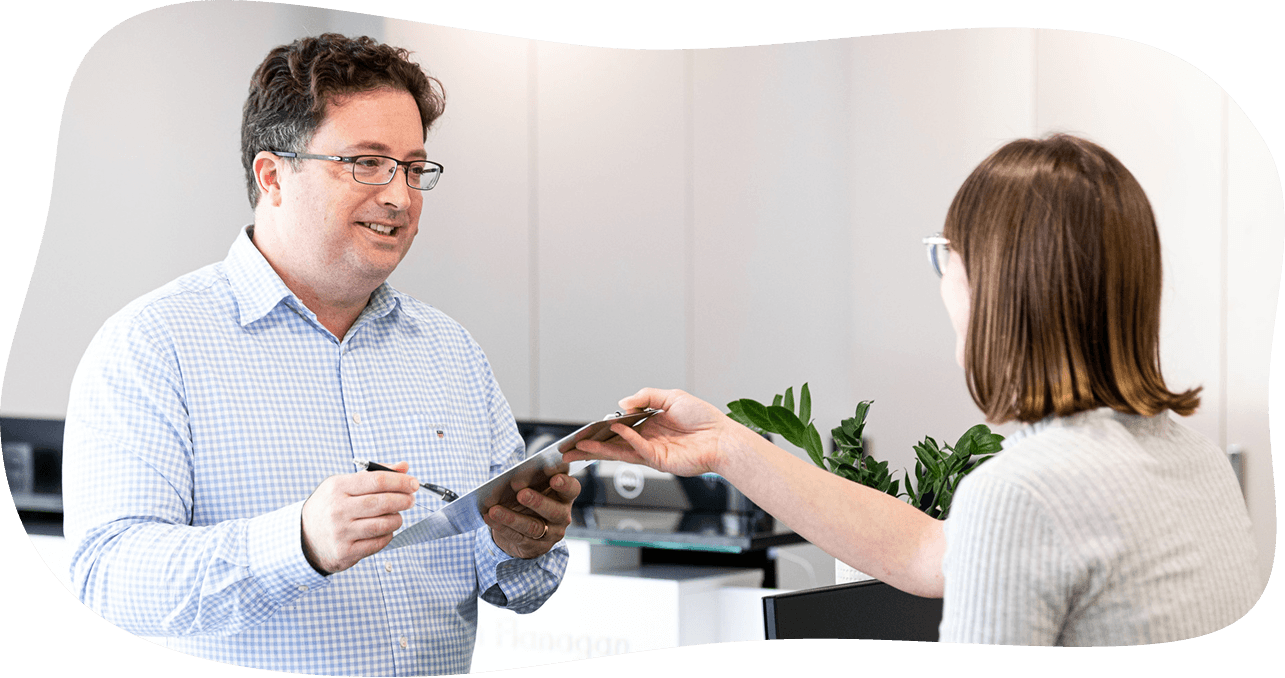
While your specialist consultations take place at the clinics listed above, the surgical process involves a separate set of mandatory hospital-based appointments. These take place at the facility where your procedure is scheduled, such as St Vincent’s Private Hospital or St George Private Hospital. These appointments are a critical part of the safety protocol for Transoral Robotic Surgery (TORS).

Frequently Asked Questions

Once we have decided that surgery is the best option, we generally aim to schedule the procedure within two to four weeks. If the case is urgent, such as a cancer diagnosis, we prioritise your surgery to ensure the best possible outcome.

The use of the robot does involve some additional costs for the specialised equipment. However, these are often offset by the shorter hospital stay and the fact that most patients do not require intensive care or feeding tubes. We will provide a full, transparent financial quote after your consultation.

The da Vinci system has multiple layers of safety protocols. If the system detects any technical issue, it automatically locks the arms in a safe position. In the highly unlikely event of a technical failure, Dr Crawford is fully trained to complete the procedure using traditional endoscopic methods.

For cancer patients, TORS often allows us to reduce the amount of radiation required. In some cases, if the cancer is caught early and the margins are clear, we may be able to avoid radiation entirely. This is a significant benefit for long-term health.

We recommend that you do not fly or travel long distances for at least two weeks after surgery. This is because the risk of bleeding is highest during this window, and you need to be close to our surgical team if an issue arises.

Yes. Dr Crawford is at the console for every second of the robotic dissection. The robot cannot move unless she is actively controlling it. You are in the hands of a highly trained surgeon, not a machine.

All tissue removed during surgery is sent to a pathology lab. Specialist pathologists examine the tissue under a microscope to confirm the diagnosis and ensure that the margins are clear of disease.

In many cases, yes. Previous surgery or radiation can make the anatomy more complex, but the 3D vision of the robot actually makes it easier to navigate these challenges compared to traditional surgery.

This is determined during your consultation and often involves a Sleep Study (Polysomnography). If the study shows that your apnoea is severe and linked to the base of your tongue, you may be a candidate.

While robotic surgery is occasionally used in paediatric cases, it is much more common in adults. Children with throat issues usually undergo different, less complex procedures like standard tonsillectomies.

Your Next Steps

Choosing to undergo surgery is a significant decision. At the practice of Dr Julia Crawford, we believe that technology should serve the patient. Robotic ENT surgery is the ultimate example of this philosophy. It offers a path to healing that is precise, minimally invasive, and focused on your long-term quality of life.

If you are facing a diagnosis of throat cancer, or if sleep apnoea is affecting your daily life, we are here to help. Our team provides compassionate, expert care in a professional environment.

Contact us today to arrange your consultation and discover if TORS is the right path for your recovery.
Get in Touch

Our team can assist with appointment enquiries and help arrange a consultation with Dr Julia Crawford at one of her three Sydney consulting locations:

Sydney ENT Clinic, Darlinghurst

Ground Floor, 67 Burton Street, Darlinghurst NSW 2010

Sydney ENT Clinic,
Kogarah

Suite 5, Level 2 19 Kensington Street Kogarah NSW 2217

Chris O'Brien Lifehouse

119, 143 Missenden Road, Camperdown NSW 2050

Book Your Consultation

Dr Julia Crawford consults for head and neck conditions, head and neck cancer, thyroid and salivary gland disease, obstructive sleep apnoea, paediatric ENT and selected general ENT problems.

Her team can assist with arranging an appointment at Darlinghurst, Kogarah or Chris O'Brien Lifehouse, and will help ensure the appropriate information and investigations are available before your consultation.

©2026 Dr. Julia Crawford. All rights reserved.