Once a surgical plan has been agreed, preparation involves a pre-operative assessment, some straightforward medical checks, and organising practical support at home. Most of this is arranged in the weeks before your admission date.
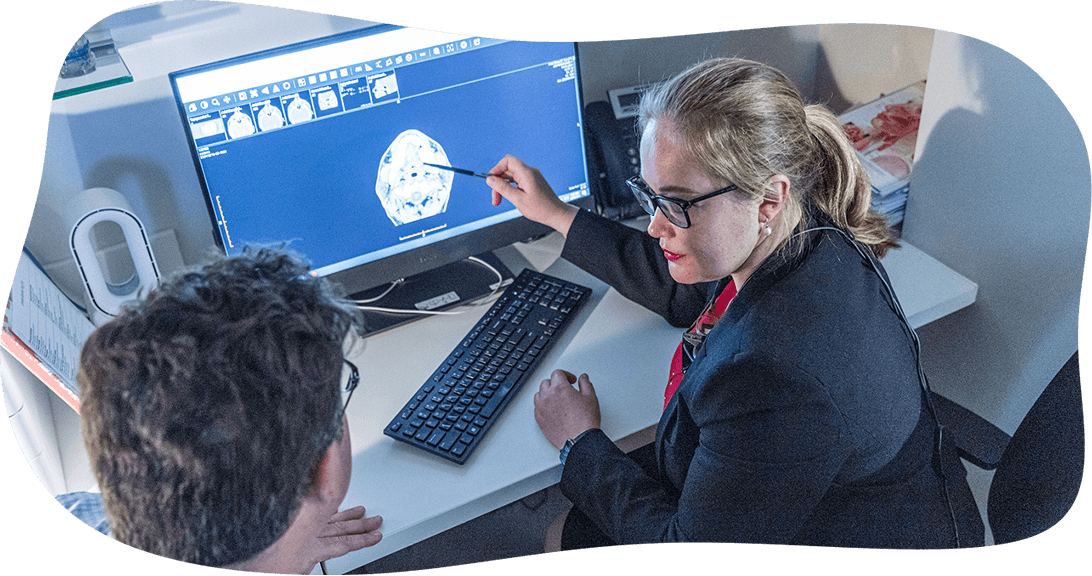
Before a date is confirmed, Dr Crawford reviews your sleep study and examines your upper airway, which may include flexible nasendoscopy if this has not already been done as part of your assessment.
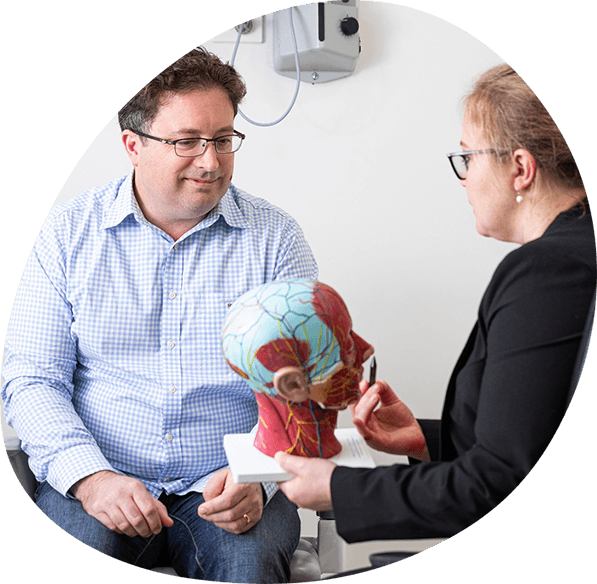
Depending on your procedure and medical history, the hospital may also arrange a pre-admission review by phone or in person. A nurse or anaesthetist will review relevant health information and medications, identify whether any further assessment or tests are needed, and provide instructions for your admission.

The hospital or anaesthetist will give you specific fasting instructions for your surgery. As a general guide, adults are usually asked to stop solid food and non-clear fluids at least six hours before anaesthesia. Instructions for clear fluids vary according to the hospital, procedure and individual medical circumstances, so follow the exact times you are given.
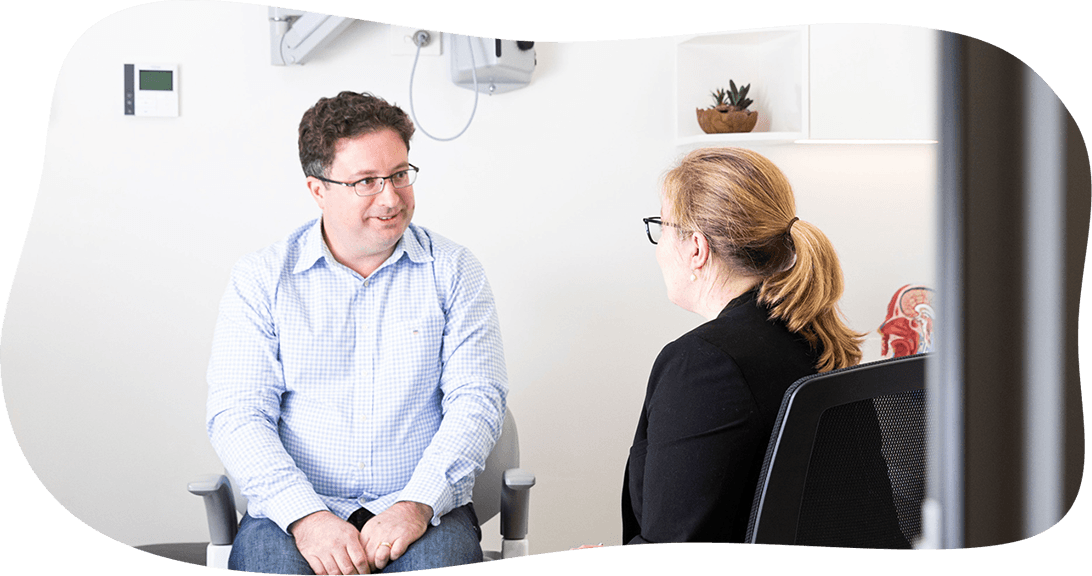
Tell Dr Crawford and the hospital about every medication, vitamin, herbal product and supplement you take, whether prescribed or bought over the counter. Some medicines, including blood thinners and diabetes medicines, may need to be changed or paused before surgery, while others should continue. Do not stop any regular medication unless Dr Crawford, your anaesthetist or the doctor who prescribed it has specifically advised you to do so.
If you use a GLP-1 medicine for diabetes or weight management, such as semaglutide or tirzepatide, make sure the hospital and anaesthetist know. These medicines can affect preparation and fasting instructions before anaesthesia.
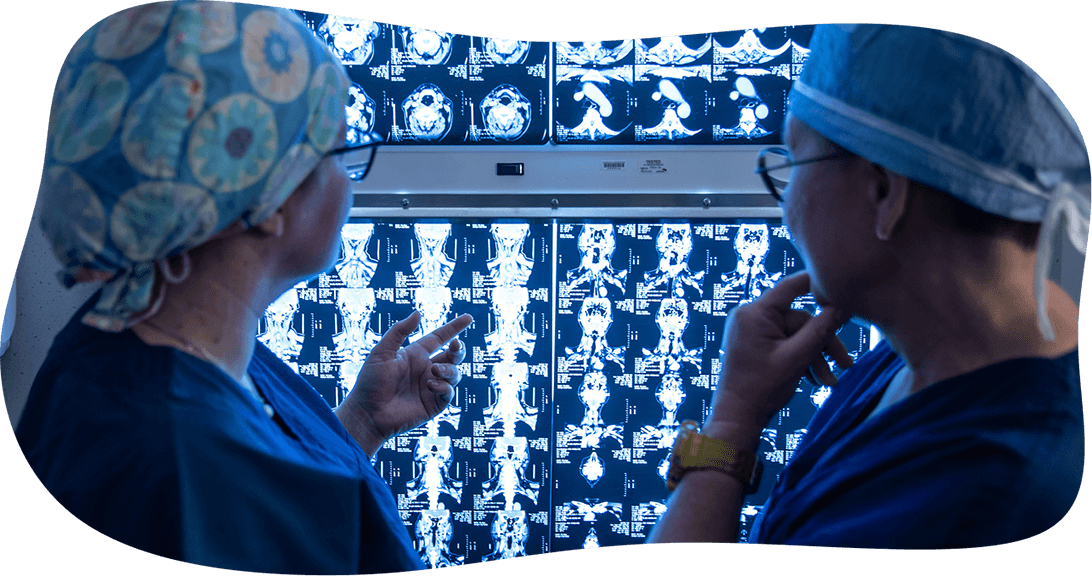
If your surgery involves the tonsils, palate or tongue base, have suitable soft foods and plenty of fluids available at home for the early recovery period. If pain relief has been prescribed before surgery, have this ready before your admission.
Fill any prescribed pain relief at the pharmacy before your surgery date so it is ready when you get home, and arrange someone to drive you home and help around the house for the first few days, particularly after tonsil, palate or tongue-base surgery. If you use CPAP, ask at your pre-admission appointment whether you should bring your machine to hospital, as some patients are advised to have it available while any swelling from surgery settles.
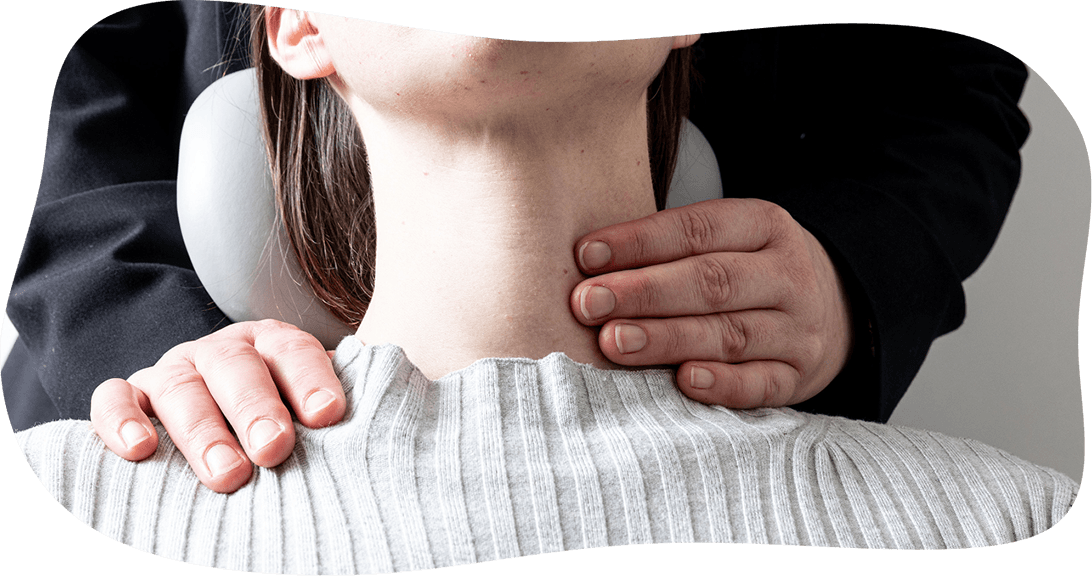
How long you need away from work depends on the operation performed.
Surgery involving the tonsils, palate or tongue base generally requires at least two weeks away from work. More significant surgery may require longer, depending on the operation performed, the type of work you do and your individual recovery.
If you live outside Sydney, Dr Crawford will advise individually how long you should plan to remain in the city after surgery, as this depends on the procedure performed and your recovery.
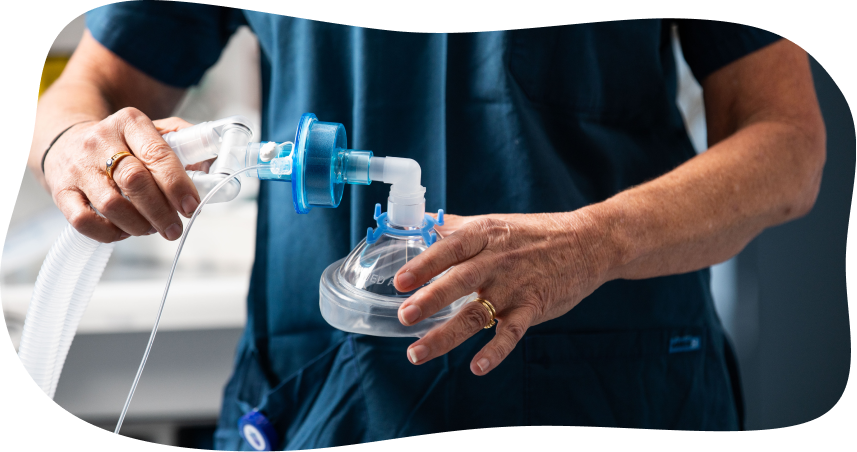
If you develop a cold, flu, fever or another respiratory illness in the days before surgery, contact the rooms or hospital as soon as possible. Respiratory illness can increase the risks associated with anaesthesia and may mean the operation needs to be postponed. Whether surgery can proceed will be decided by Dr Crawford and the anaesthetic team based on your symptoms and the procedure planned.

Dr Crawford is a Sydney ENT and head and neck surgeon, and a Fellow of the Royal Australasian College of Surgeons.

Dr Crawford consults at three convenient locations across Sydney.
Your specialist consultations take place at the clinics listed above, but some appointments before surgery take place at the hospital where your procedure is booked, such as St Vincent’s Private Hospital or St George Private Hospital. This is where the pre-admission check happens, either by phone or in person.
If you have questions about your surgery date, your medications or your fasting instructions, contact the rooms rather than waiting until your admission day. Dr Crawford consults at Sydney ENT Clinic in Darlinghurst and Kogarah.
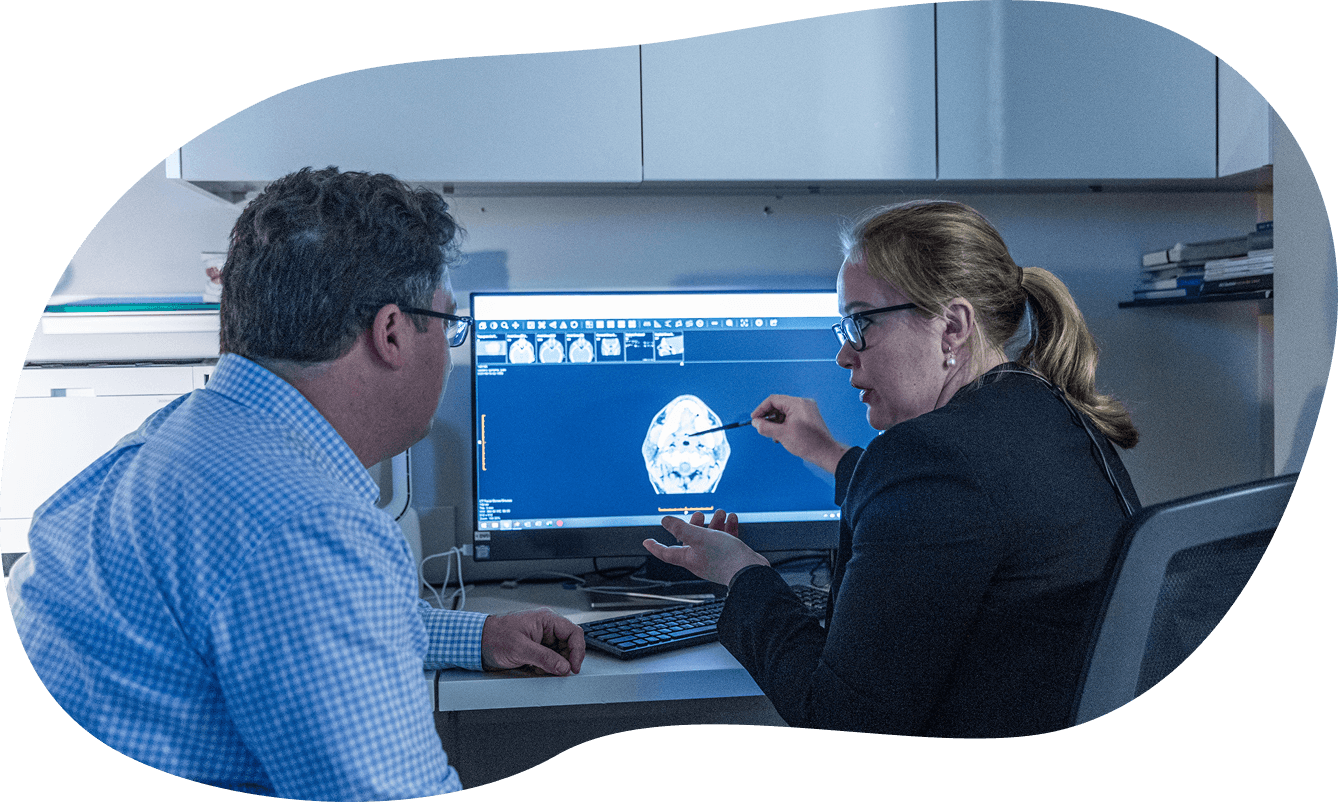
Our team can assist with appointment enquiries and help arrange a consultation with Dr Julia Crawford at one of her three Sydney consulting locations:
Dr Julia Crawford consults for head and neck conditions, head and neck cancer, thyroid and salivary gland disease, obstructive sleep apnoea, paediatric ENT and selected general ENT problems.
Her team can assist with arranging an appointment at Darlinghurst, Kogarah or Chris O'Brien Lifehouse, and will help ensure the appropriate information and investigations are available before your consultation.