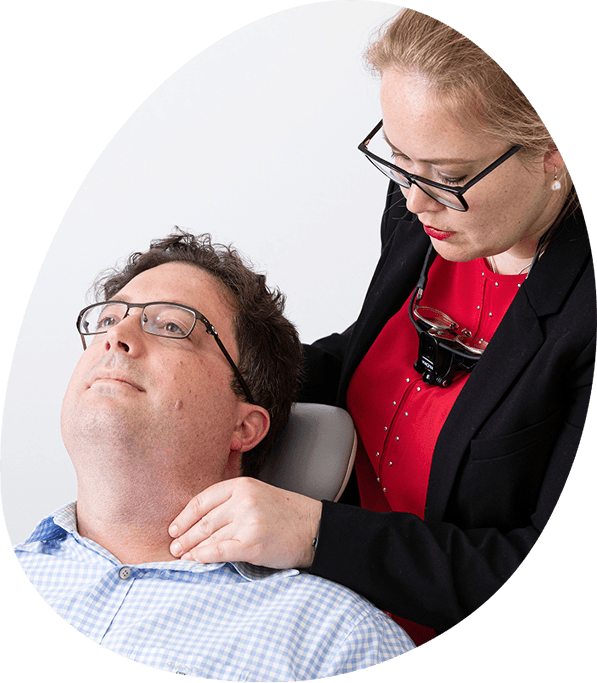
Recovery from head and neck cancer surgery varies considerably depending on the operation performed. A relatively small salivary gland procedure has a very different recovery from major oral cancer surgery or surgery combined with a neck dissection. Dr Crawford discusses the expected recovery for your specific operation before surgery.
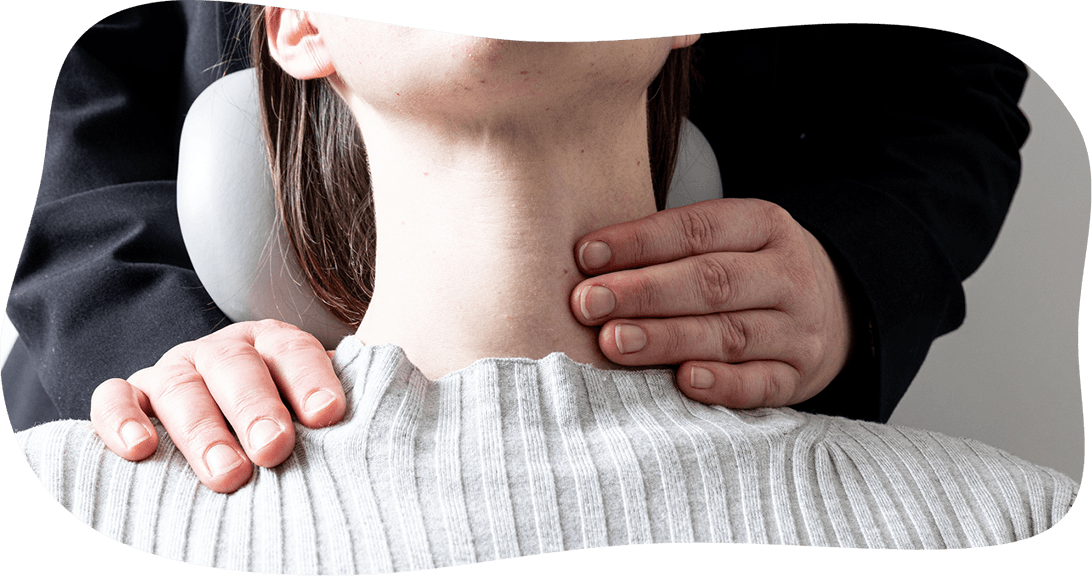
The length of hospital stay depends on the extent of surgery. Some operations require a shorter admission, while more extensive surgery, or surgery combined with a neck dissection or reconstruction, may require a longer stay. During your admission, nursing and medical staff monitor the surgical site, pain and, where relevant, swallowing and airway safety.
Before you leave the hospital, you will be given instructions on how to care for your wound and any dressings, and what signs of infection or other problems to watch for. Surgical drains may be used after some operations. Depending on the procedure and your recovery, a drain may be removed before discharge or may remain in place temporarily after you go home. If you leave the hospital with a drain, you will be shown how to care for it and told when it will be reviewed or removed. Any instructions about stitches or clips will also be explained before discharge.
How soon you return to a normal diet depends on the operation and, where relevant, an assessment of your swallowing. Some patients progress through liquids and softer foods before returning to their usual diet, while others need a longer period of modified eating as the surgical site heals. Dietitians may be involved where nutritional support is needed, and progression is guided by swallowing safety and individual recovery rather than a fixed timeframe.
Surgery involving the mouth, throat or voice box can affect speech, either temporarily or for longer periods, depending on the site and extent of the operation. Speech pathology support may be arranged where speech has been affected, with the type and duration of support tailored to the individual patient.
Time away from work and normal activity depends on the extent of surgery and your individual recovery. Dr Crawford will discuss expected time off work, and any restrictions on lifting or strenuous activity, specific to your procedure before surgery. Gentle movement is generally encouraged during recovery where appropriate. After a neck dissection, specific neck or shoulder exercises may also be recommended by the surgical or physiotherapy team.
Pain is managed with medication in hospital and a pain-relief plan for use after discharge. This can be adjusted if pain is not adequately controlled or if your needs change during recovery.
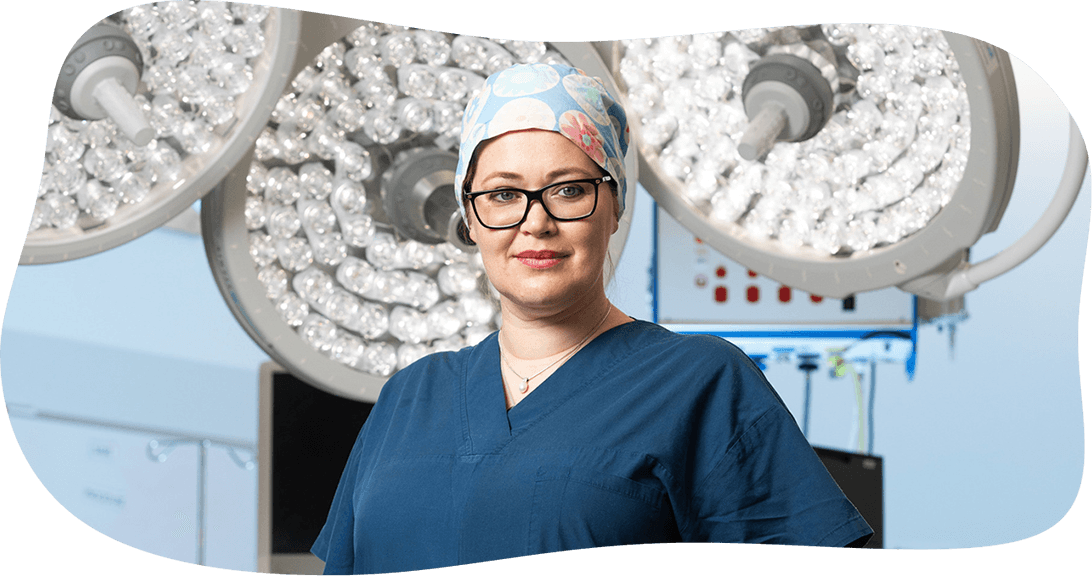
Dr Crawford is a Sydney ENT and head and neck surgeon. She discusses the expected recovery for each operation with the patient before surgery.

Dr Crawford consults at three convenient locations across Sydney.
While your specialist consultations take place at the clinics listed above, the surgical process involves a separate set of mandatory hospital-based appointments. These take place at the facility where your procedure is scheduled, such as St Vincent’s Private Hospital or St George Private Hospital. These appointments are a critical part of the safety protocol for Transoral Robotic Surgery (TORS).
Before surgery, Dr Crawford discusses the expected hospital stay, wound care, eating and swallowing, time off work and activity restrictions specific to your operation. Appointments are available at Sydney ENT Clinic in Darlinghurst or Kogarah, and through Chris O'Brien Lifehouse for head and neck cancer patients.
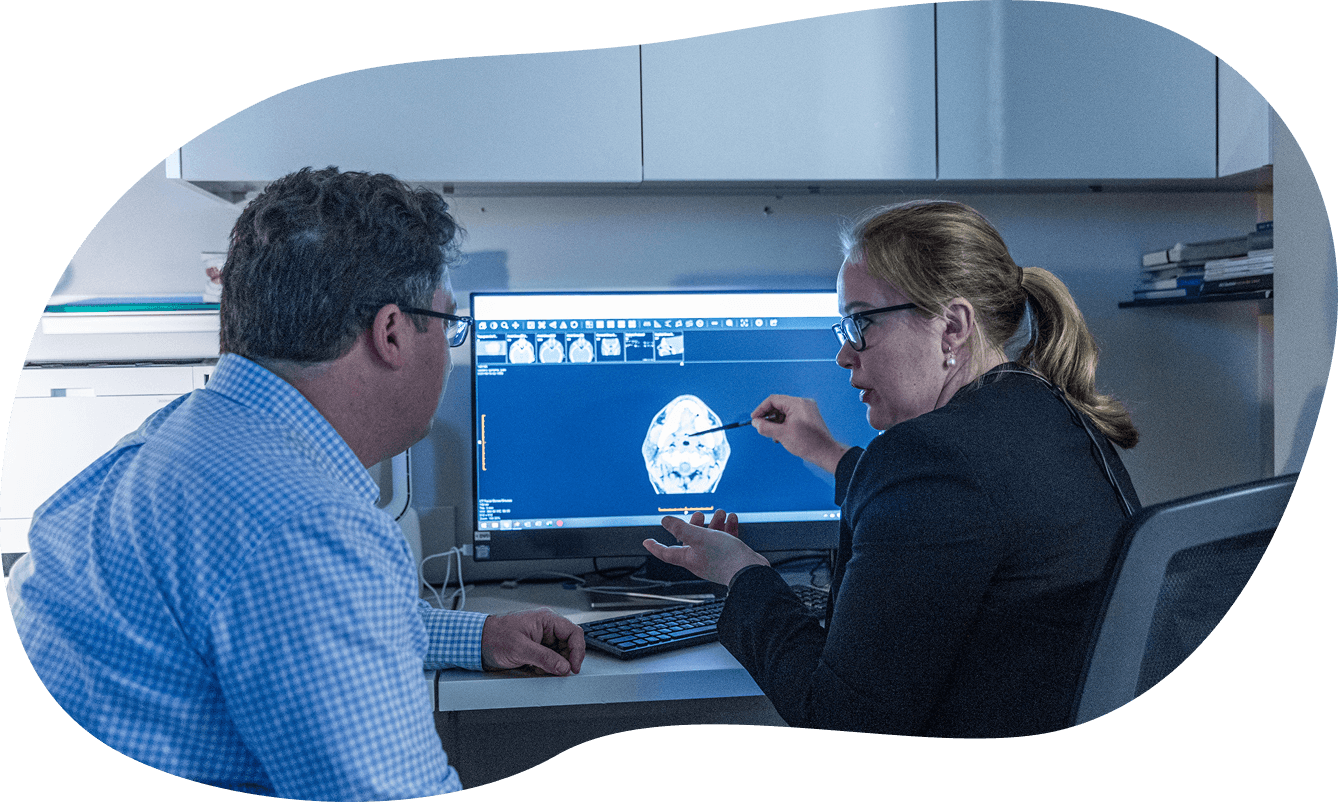
Our team can assist with appointment enquiries and help arrange a consultation with Dr Julia Crawford at one of her three Sydney consulting locations:
Dr Julia Crawford consults for head and neck conditions, head and neck cancer, thyroid and salivary gland disease, obstructive sleep apnoea, paediatric ENT and selected general ENT problems.
Her team can assist with arranging an appointment at Darlinghurst, Kogarah or Chris O'Brien Lifehouse, and will help ensure the appropriate information and investigations are available before your consultation.