Upper Airway Surgery

Expert Upper Airway Surgery in Sydney for Restoring Your Sleep

Upper airway surgery addresses the structural causes of Obstructive Sleep Apnoea (OSA) to restore healthy breathing patterns without reliance on external devices.
CPAP Alternative

Offers a long-term solution for patients who cannot tolerate continuous positive airway pressure (CPAP) machines or find them intrusive to their lifestyle.

Precision Technology

Uses advanced techniques, including Transoral Robotic Surgery (TORS), to precisely widen the airway and prevent collapse during sleep.

Specialist Care

Your surgery is performed by Dr Julia Crawford, one of Australia’s few fellowship-trained robotic ENT surgeons with international expertise in airway management.

What’s On This Page

What is Upper Airway Surgery?

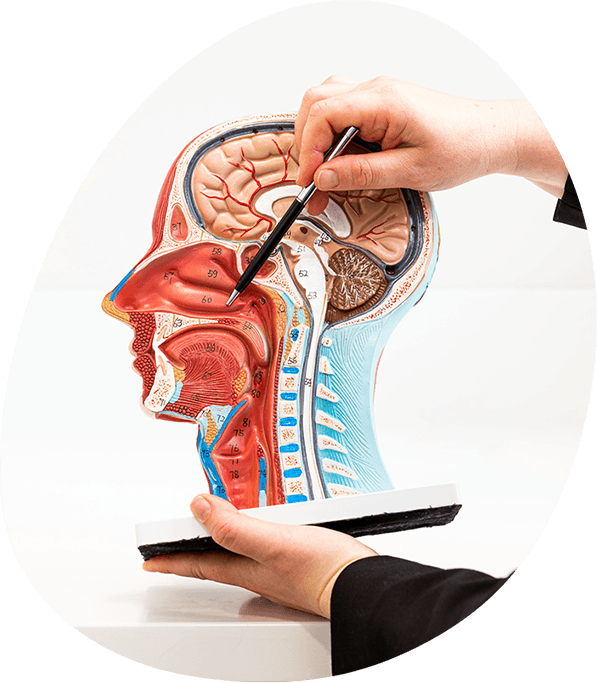
Upper airway surgery is a collective term for a range of procedures designed to structurally enlarge the pharyngeal airway and prevent it from collapsing during sleep. For the millions of patients with Obstructive Sleep Apnoea (OSA), the collapse of soft tissues in the throat, specifically the soft palate, tongue base, or epiglottis, blocks airflow, causing interrupted breathing and oxygen desaturation.


Unlike CPAP, which acts as a pneumatic splint to force the airway open with air pressure, surgery targets the anatomical root cause of the obstruction. The goal is to remodel or remove these obstructing tissues to maintain a naturally patent airway during sleep.


Modern airway surgery has evolved significantly from the traditional "uvulopalatopharyngoplasty" (UPPP) which often had variable results. Today, we utilise a multi-level approach. This means we assess and treat multiple sites of obstruction simultaneously or in stages. By addressing the specific blockage unique to your anatomy, whether it is a large tongue base, collapsing lateral walls, or elongated soft palate, we aim to significantly reduce the severity of apnoea episodes and restore restorative sleep cycles.
The Diagnostic Phase with Drug-Induced Sleep Endoscopy (DISE)

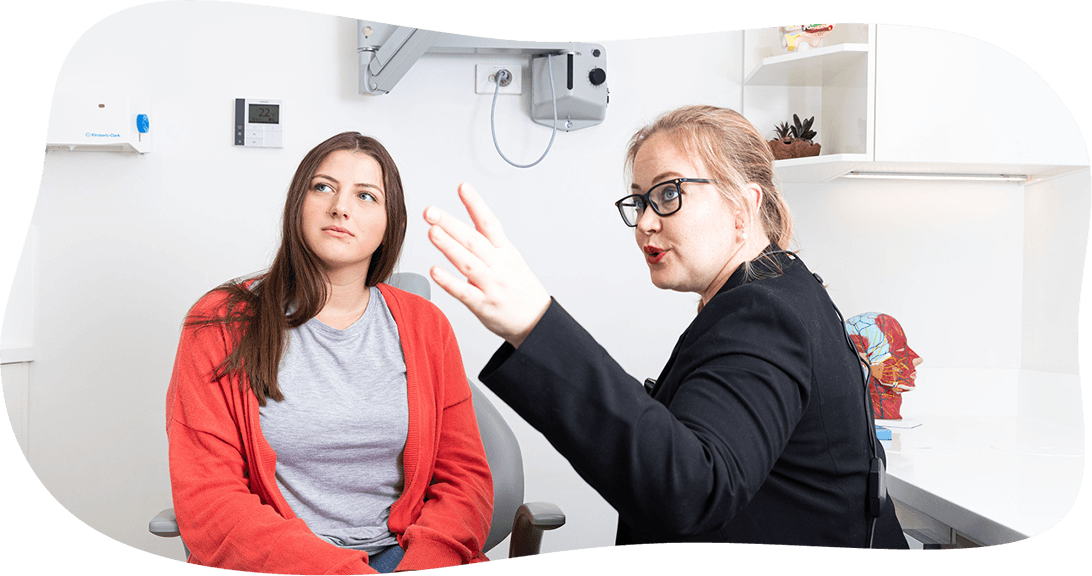
Before any surgery is scheduled, it is critical to understand exactly where your airway is collapsing. Dr Crawford utilises Drug-Induced Sleep Endoscopy (DISE) as a cornerstone of surgical planning.


During a DISE procedure, you are given a light sedative to induce a state similar to natural sleep. Once you are asleep and snoring or obstructing, Dr Crawford passes a flexible endoscope through the nose to directly visualise the airway. This allows her to see precisely which structures are collapsing in real-time.


DISE provides critical data on
The Level of Obstruction

Is it the palate, the tonsils, the tongue base, or the epiglottis?

The Pattern of Collapse

Is the airway collapsing from the sides (lateral walls) or front-to-back (concentric)?

Surgical Suitability

It helps determine if you are a good candidate for specific procedures like nerve stimulation or robotic surgery.

Advanced Surgical Techniques & The Robotic Advantage

Dr Julia Crawford is a leader in utilizing Transoral Robotic Surgery (TORS) to treat complex airway obstructions that were previously difficult to reach without invasive external incisions

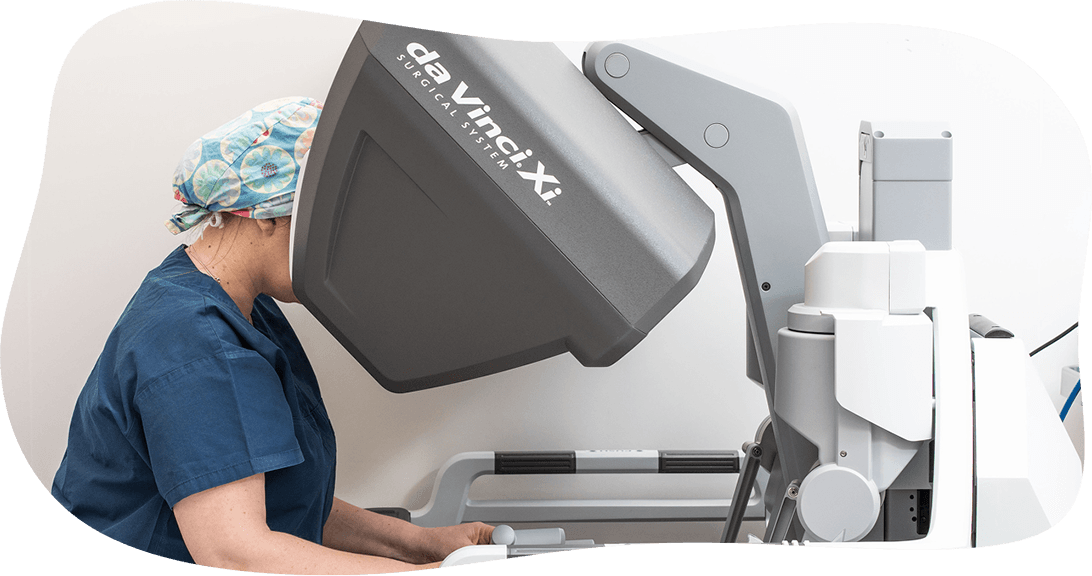
TORS allows for unparalleled visualisation and precision when operating on the base of the tongue or the epiglottis. Using the da Vinci® surgical system, Dr Crawford controls miniaturised instruments from a console.


The robotic advantage includes

Enhanced Access

The robot’s slender arms can navigate the tight curves of the throat to remove obstructive tongue base tissue (lingual tonsils) without needing to cut through the jaw or neck.

3D High-Definition View

The camera provides a magnified, three-dimensional view of the surgical field, allowing for the preservation of vital nerves and blood vessels.

Functional Preservation

Precision cutting minimizes thermal damage to surrounding healthy tissue, which is crucial for maintaining normal swallowing and speech function post-surgery.

In addition to robotic surgery on the tongue base, procedures often involve remodeling the soft palate. Modern techniques focus on "reconstruction" rather than "resection" (removal). We aim to stiffen the palate and pull it forward to open the airspace, rather than simply cutting away the uvula, which was common in older techniques. This approach reduces the risk of side effects while maximising airway expansion.
Am I a Candidate for Upper Airway Surgery?

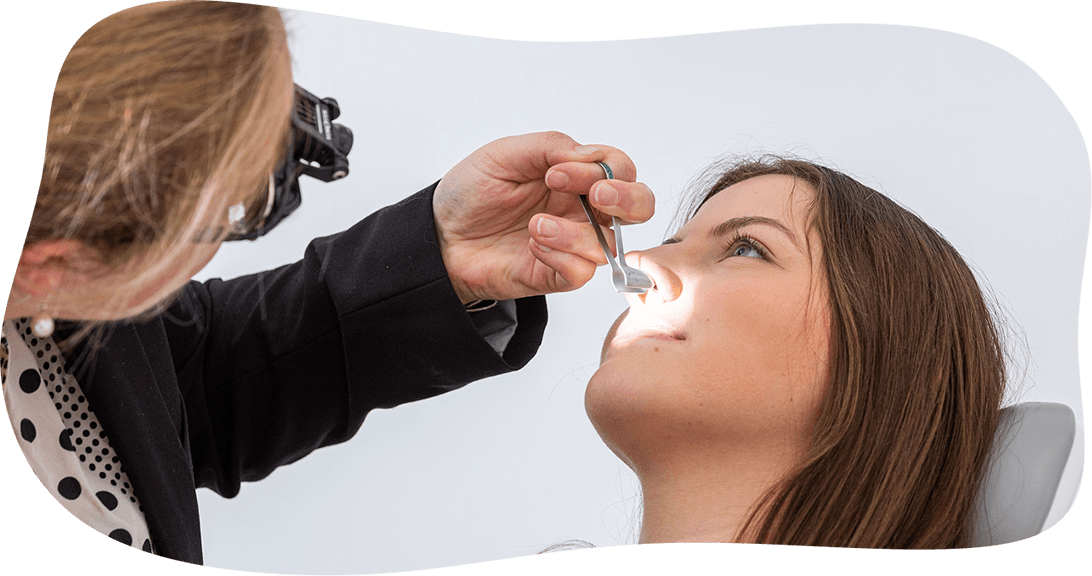
Surgery is not the first line of treatment for everyone. It is typically recommended for patients who have moderate to severe OSA and have not found success with conservative treatments like CPAP or Mandibular Advancement Splints (MAS).


You typically qualify for this procedure if you
Struggle with CPAP Compliance

You find the mask claustrophobic, it leaks, or it disrupts your sleep to the point of intolerance.

Have Specific Anatomical Blockages

You possess enlarged tonsils (Grade 3 or 4), a large tongue base, or a long soft palate that clearly contributes to obstruction.

Have a Suitable BMI

While surgery can help many, outcomes are generally best in patients with a Body Mass Index (BMI) under 32-35. Excess weight can cause airway collapse from external pressure that surgery alone cannot fix.

Seek a Permanent Solution

You desire a treatment that does not require nightly setup, electricity, or travel equipment, which is particularly relevant for frequent travellers or executives.

Why Choose Dr Julia Crawford?

Choosing a surgeon for sleep apnoea requires finding a specialist with specific training in both airway anatomy and advanced surgical techniques. Dr Crawford brings a unique combination of academic leadership and international training to her Sydney practice.
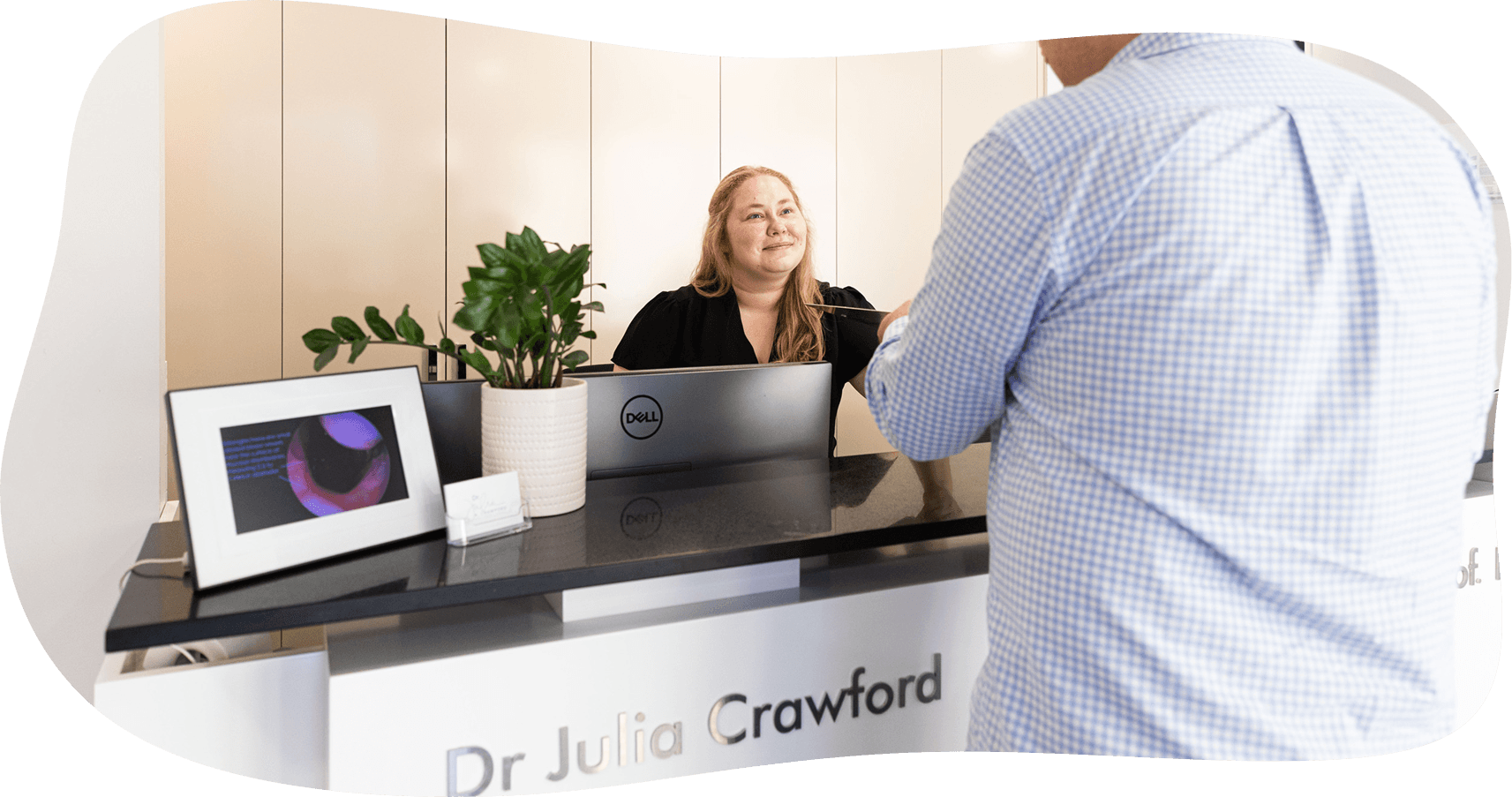
Fellowship-Trained Expertise

Dr Crawford is one of the few ENT surgeons in Australia to have completed an advanced clinical fellowship in Robotic Surgery in the United States (Orlando, Florida). This rigorous training places her at the forefront of minimally invasive airway management in Australia.

Academic Leadership

As a Conjoint Lecturer at the University of New South Wales and a course director for International Obstructive Sleep Apnoea courses, Dr Crawford stays ahead of global advancements. She does not just practice modern techniques; she teaches them to other surgeons.

Patient-Centred Philosophy

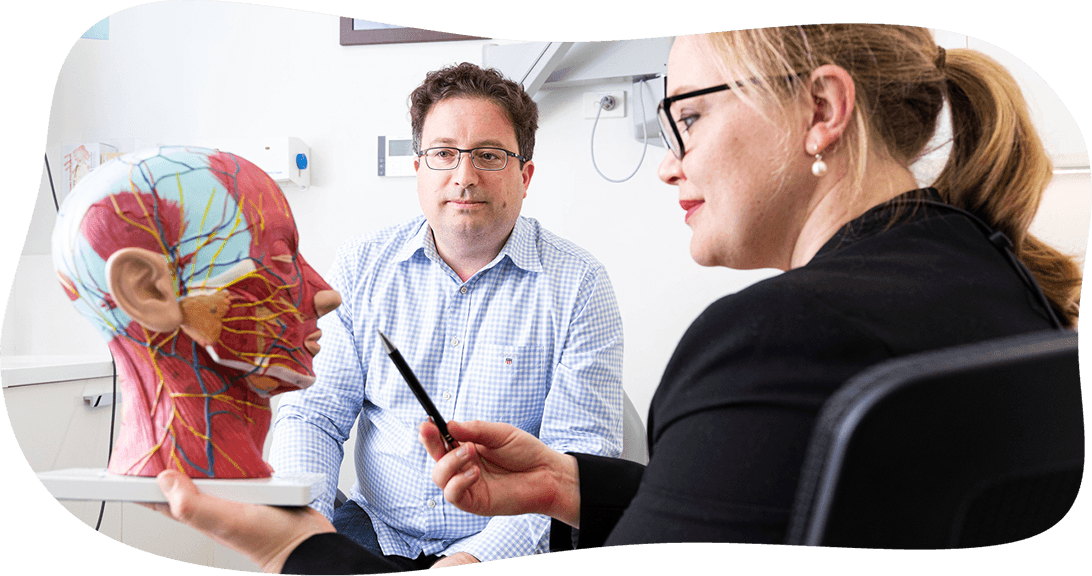
We understand that surgery is a significant decision. Dr Crawford prioritises education and takes the time to explain your specific anatomy, the expected outcomes, and the recovery process in clear, plain language. You will never feel rushed into a decision regarding your health.

Consultation Locations

Dr Crawford consults at three convenient locations across Sydney.
Darlinghurst Rooms

Our primary city location for general ENT and robotic surgery consultations.

Kogarah Rooms

Serving patients in the southern suburbs of Sydney.

Chris O'Brien Lifehouse

This location is dedicated specifically to our head and neck cancer patients.

Hospital-Based Appointments

While your specialist consultations take place at the clinics listed above, the surgical process involves a separate set of mandatory hospital-based appointments. These take place at the facility where your procedure is scheduled, such as St Vincent’s Private Hospital or St George Private Hospital. These appointments are a critical part of the safety protocol for Transoral Robotic Surgery (TORS).

Frequently Asked Questions

Recovery varies depending on the specific combination of procedures performed. For multi-level surgery (e.g., palate and tongue base), you should plan for two weeks off work. Patients generally experience a severe sore throat, similar to bad tonsillitis, for the first 10 to 14 days. During this time, a soft or liquid diet is strictly required to allow the tissues to heal and prevent bleeding. Pain is managed with a multimodal approach, using specific scheduled painkillers to keep you comfortable. Full return to strenuous exercise usually occurs after three weeks.

Surgery aims to significantly reduce the severity of sleep apnoea and improve your quality of life, but "cure" depends on individual anatomy and severity. For many patients, surgery reduces the Apnoea-Hypopnoea Index (AHI) to safe levels where no further treatment is needed. For those with very severe OSA, surgery may convert them from "un-treatable" to "treatable," meaning they may still need CPAP but at a much lower, more comfortable pressure setting. Dr Crawford will discuss realistic success rates based on your specific DISE findings.

It is important to be honest: upper airway surgery involves operating on sensitive tissues in the throat, so postoperative pain is expected. Most patients describe it as a severe sore throat that peaks around day 5 to 7 before improving. However, Dr Crawford uses modern, minimally invasive robotic techniques which cause less collateral tissue damage than traditional open surgery. We also provide a comprehensive pain management plan, including numbing gargles and anti-inflammatory medications, to make the recovery period manageable.

Yes, most upper airway surgeries require a hospital stay of 1 to 3 nights. Because we are operating on the airway, we monitor you closely in the High Dependency Unit (HDU) or a specialised ward for the first night to ensure your breathing is safe and swelling is managed. This is a standard safety protocol for airway procedures. You will only be discharged once you are eating, drinking, and managing pain adequately.

Yes, most comprehensive private health insurance policies cover the surgical costs for medically necessary sleep apnoea procedures, including those performed robotically. The specific item numbers (MBS codes) for sleep surgery are generally recognised by funds. However, coverage levels can vary significantly between funds and policy tiers. Our administrative team will provide a detailed financial estimate (Informed Financial Consent) and help you check your eligibility with your health fund prior to booking your procedure.

Simple laser surgeries often performed in office settings typically only address the soft palate and uvula. While this might reduce the noise of snoring, it often fails to treat the medical condition of Sleep Apnoea, which involves blockage at the tongue base or deeper in the throat. Dr Crawford’s approach is a comprehensive medical intervention treating the entire airway, not just a cosmetic procedure for noise reduction. This ensures we are treating the health risks of apnoea, not just the symptom of snoring.

Take the Next Step Toward Better Sleep

If you are tired of struggling with CPAP or battling constant fatigue, expert help is available. Contact our team today to schedule a consultation with Dr Julia Crawford.

We will review your sleep study, examine your airway, and discuss if a tailored surgical plan is the right path to a restful future.
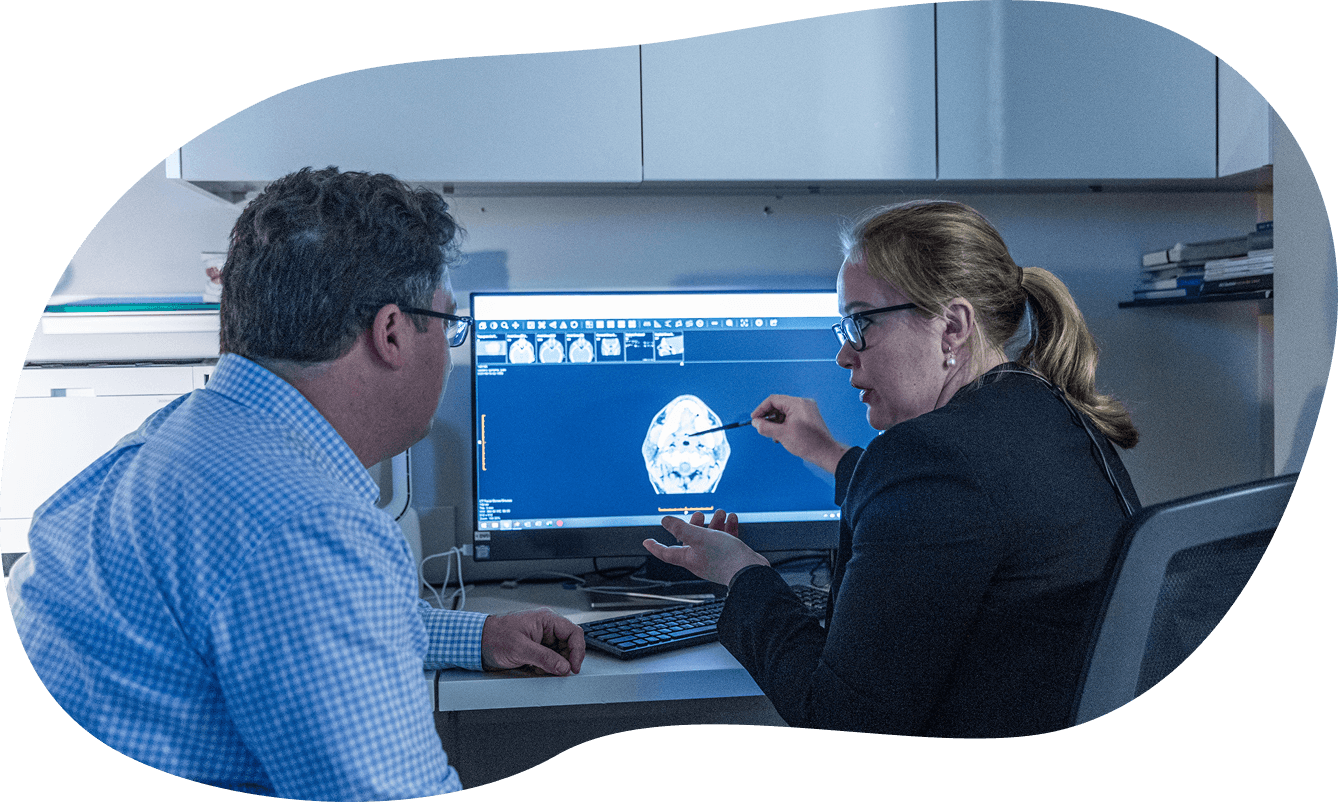
Get in Touch

Our team can assist with appointment enquiries and help arrange a consultation with Dr Julia Crawford at one of her three Sydney consulting locations:

Sydney ENT Clinic, Darlinghurst

Ground Floor, 67 Burton Street, Darlinghurst NSW 2010

Sydney ENT Clinic,
Kogarah

Suite 5, Level 2 19 Kensington Street Kogarah NSW 2217

Chris O'Brien Lifehouse

119, 143 Missenden Road, Camperdown NSW 2050

Book Your Consultation

Dr Julia Crawford consults for head and neck conditions, head and neck cancer, thyroid and salivary gland disease, obstructive sleep apnoea, paediatric ENT and selected general ENT problems.

Her team can assist with arranging an appointment at Darlinghurst, Kogarah or Chris O'Brien Lifehouse, and will help ensure the appropriate information and investigations are available before your consultation.

©2026 Dr. Julia Crawford. All rights reserved.