Robotic-assisted airway reconstruction offers a permanent and precise alternative for patients who find CPAP therapy ineffective or intolerable. This advanced surgical approach restores natural airflow by clearing obstructions at the base of the tongue.
Obstructive Sleep Apnoea occurs when the muscles in your throat relax excessively during sleep. This causes your airway to narrow or close completely. You may find that brain fog and exhaustion are holding you back at work. This is not just about feeling tired. It is a physiological crisis where your body is repeatedly starved of oxygen.
In Sydney's high-pressure executive environment, many professionals dismiss these signs as simple work stress. However, the condition is a physical obstruction. When you sleep, the soft tissue at the back of the throat collapses. Your brain then forces you awake to gasp for air. This cycle can happen hundreds of times a night, though you may not remember it.
The immediate impact is often seen in performance. Decision fatigue sets in earlier in the day. Your ability to manage complex teams or high-stakes negotiations diminishes. While caffeine might mask the symptoms temporarily, it does nothing to address the underlying collapse of your airway.
Common symptoms include:
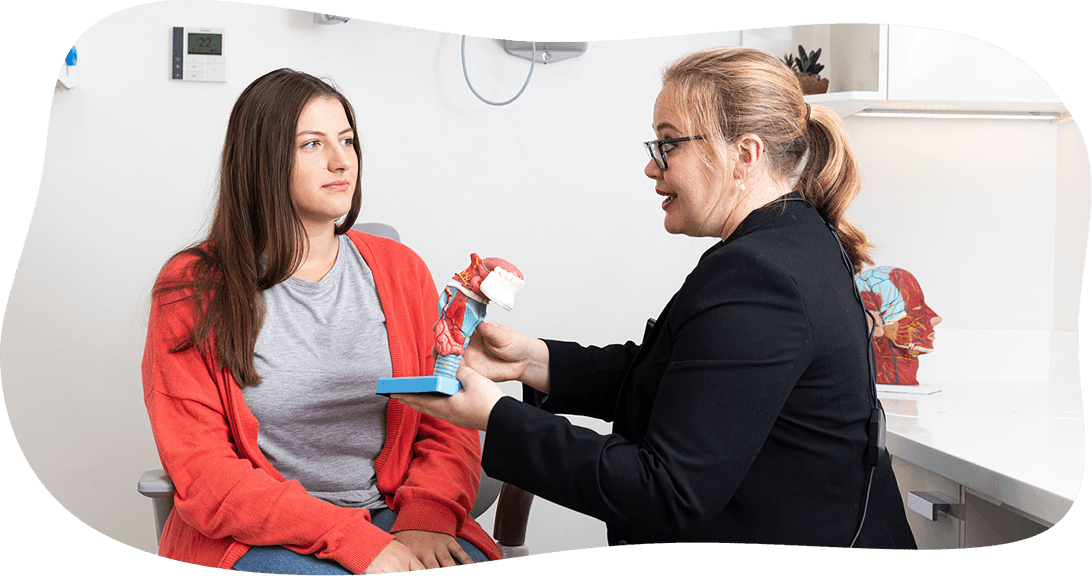
The Australian healthcare context increasingly recognises sleep apnoea as a cardiovascular risk. Long-term oxygen deprivation places immense strain on the heart. It is linked to hypertension, stroke, and atrial fibrillation. For the Sydney professional, the immediate concern is often cognitive. When your brain is denied deep sleep, your prefrontal cortex suffers. This is the area responsible for high-level decision-making and emotional regulation.
We have seen many patients who believe they are experiencing early burnout. In reality, their bodies are fighting for air every single night. Addressing the obstruction is about more than just quiet sleep. It is about protecting your heart and restoring your mental clarity.
The statistics are sobering. Untreated moderate to severe sleep apnoea can significantly reduce life expectancy. The constant spikes in adrenaline each time you stop breathing lead to chronic systemic inflammation. This inflammation hardens the arteries and taxes the heart. By the time many executives seek help, they have spent years in a state of physiological emergency.
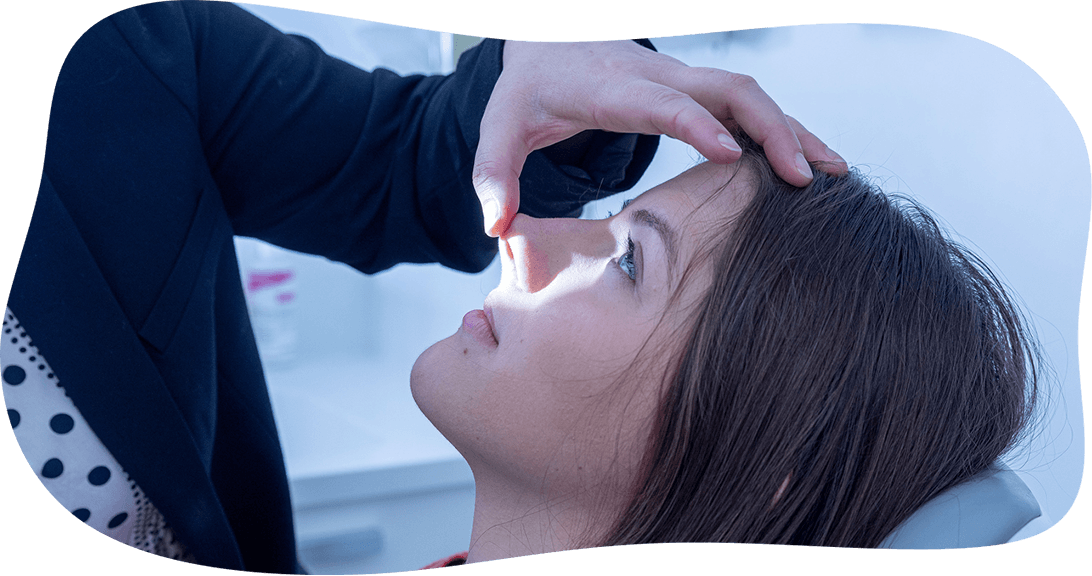
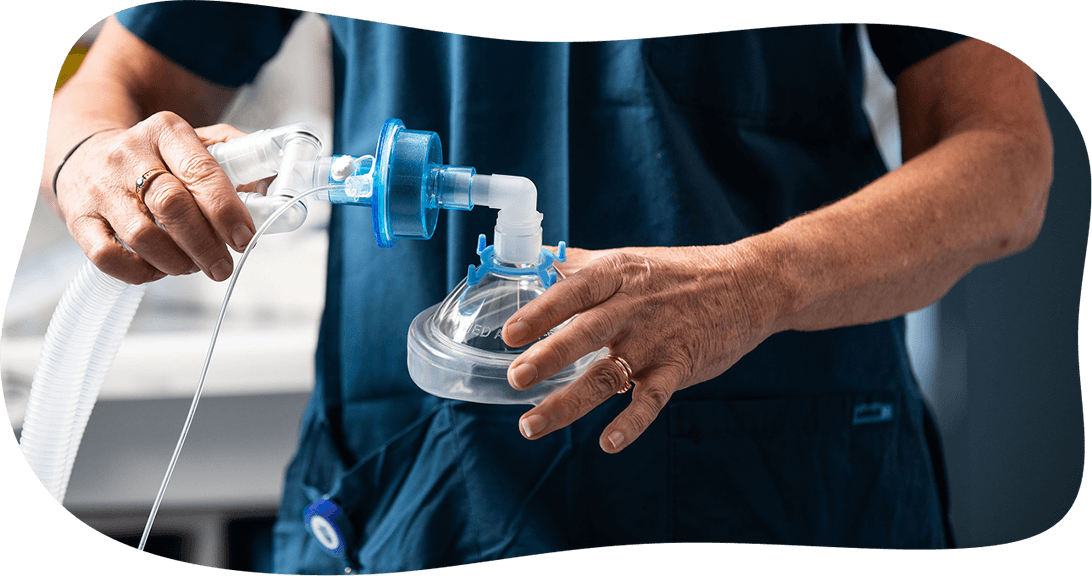
For many people, the Continuous Positive Airway Pressure mask is the first line of defence. However, a significant number of Sydney professionals find the device impossible to live with. You might struggle with the restrictive mask or the noise of the machine.
CPAP failure is a common reality. For some, the high pressure of the air causes discomfort. For others, frequent international travel makes carrying a machine a logistical burden. When CPAP fails, the health risks remain. We view robotic airway reconstruction as the permanent alternative for those who need to reclaim their life from the mask.
Consider the lifestyle of a modern executive. You may spend weeks of the year in hotels. You might have a young family. The social and psychological weight of being tethered to a machine every night is heavy. Many patients eventually stop using the CPAP entirely. This leaves them completely unprotected. Robotic surgery offers a "set and forget" solution that restores natural breathing without external hardware.
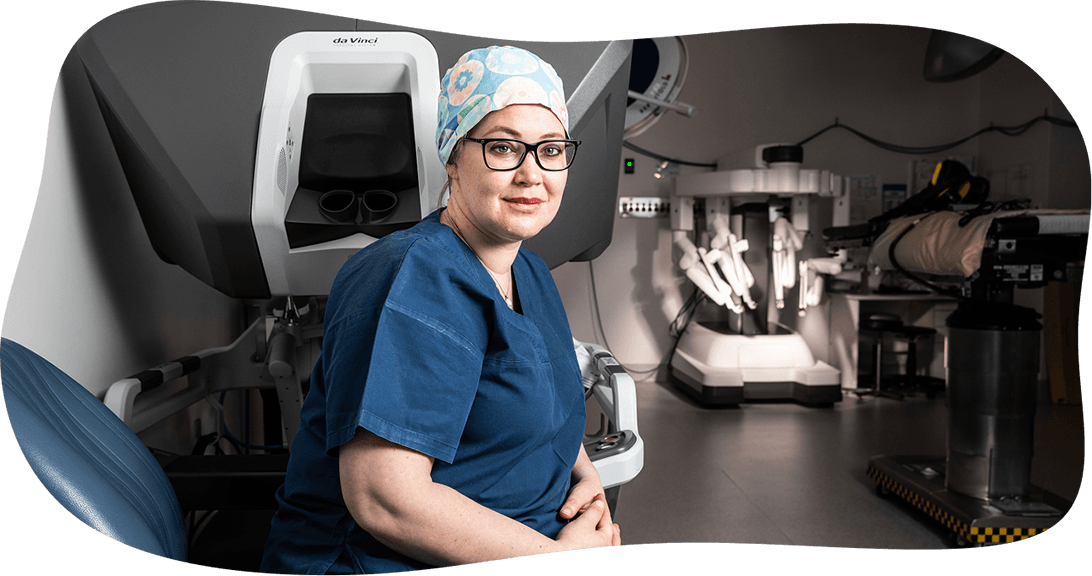
We use advanced technology to perform procedures that were once considered highly invasive. Robotic-assisted surgery allows us to operate in the narrow confines of the throat with unmatched stability.
Dr Crawford specialises in Transoral Robotic Surgery (TORS). This technique specifically targets the base of the tongue, which is often the primary site of obstruction. Traditional surgery in this area was difficult to access without large incisions. The robotic approach changes this completely.
The procedure typically involves a reduction of the lingual tonsils or the tongue base tissue. By thinning this area, we create a wider, more stable airway. This ensures that even when the muscles relax during sleep, the passage remains open.
Benefits of a robotic approach:
Our approach is simple. We combine rigorous science with a plan tailored to your life.
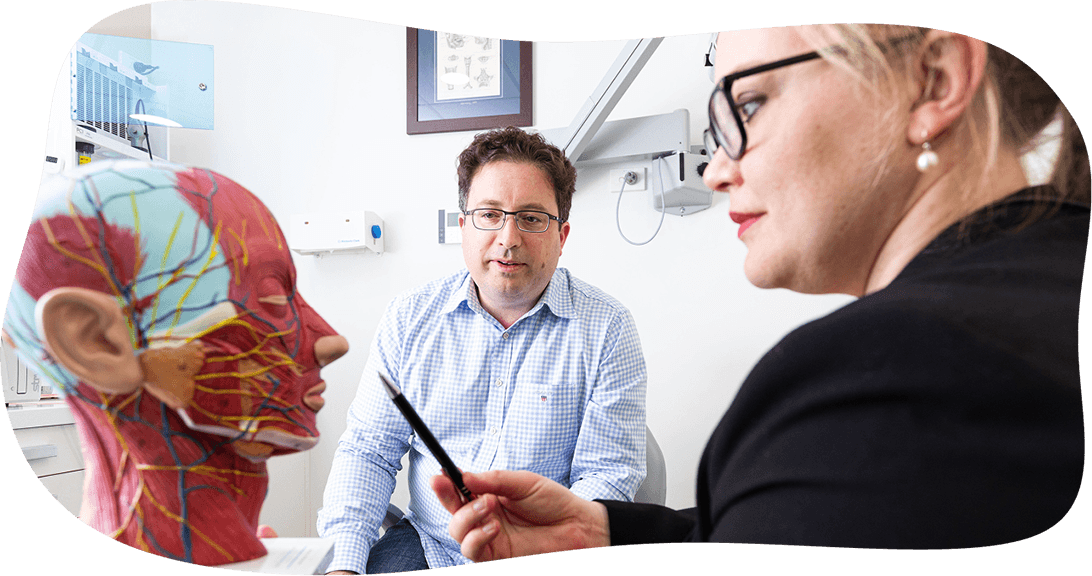
We understand that Sydney executives cannot afford months of downtime. Our protocols are designed for efficiency.
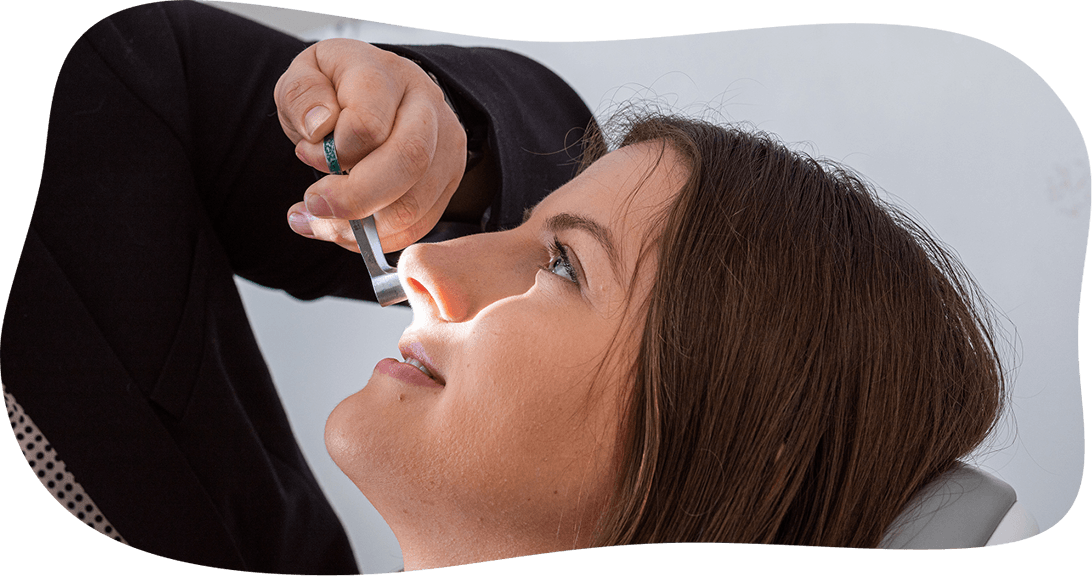
Some patients have multi-level obstructions. This means the collapse occurs in more than one place in the throat. Our advanced strategies involve combining robotic base-of-tongue reduction with other airway procedures.
We look at the nose, the soft palate, and the lateral throat walls. For example, some patients benefit from a concurrent septoplasty or turbinate reduction to improve nasal breathing. Others may require a modification of the soft palate. This comprehensive view ensures we don't just treat a symptom, but we reconstruct the entire airway for maximum benefit.
Our multi-level approach is evidence-based. By addressing every point of resistance, we significantly increase the success rate of the surgery. We aim for a permanent physiological change that allows you to breathe effortlessly for the rest of your life.
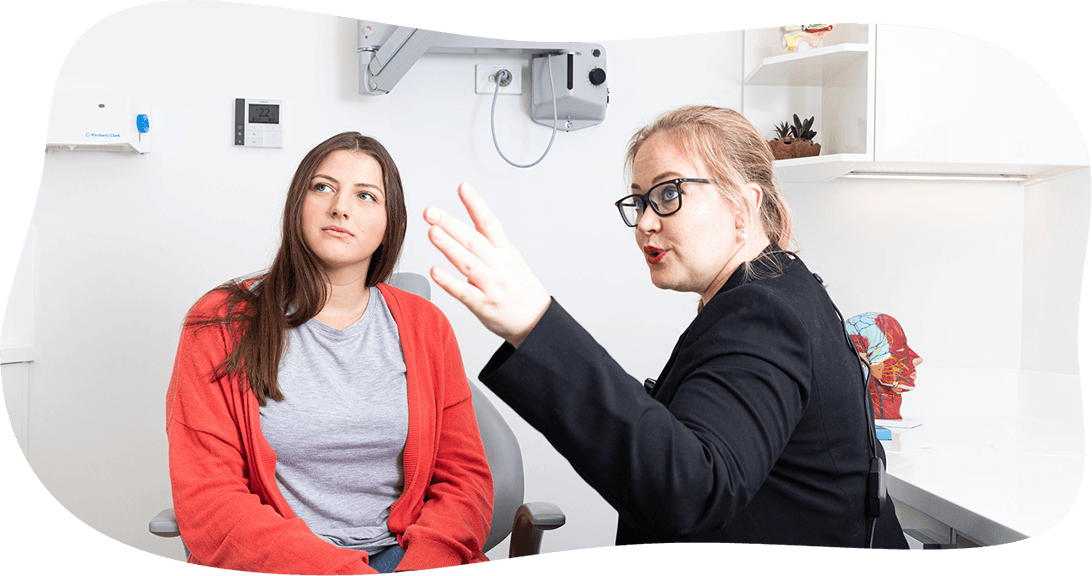
Success in sleep apnoea treatment is measured both subjectively and objectively. We don't just ask if you feel better. We prove it.
Approximately three to four months after your surgery, we conduct a follow-up sleep study. This allows us to measure the reduction in your Apnoea-Hypopnoea Index (AHI). A successful outcome is typically defined as a 50% or greater reduction in AHI, or bringing the total score below a certain clinical threshold.
Beyond the numbers, we look at:
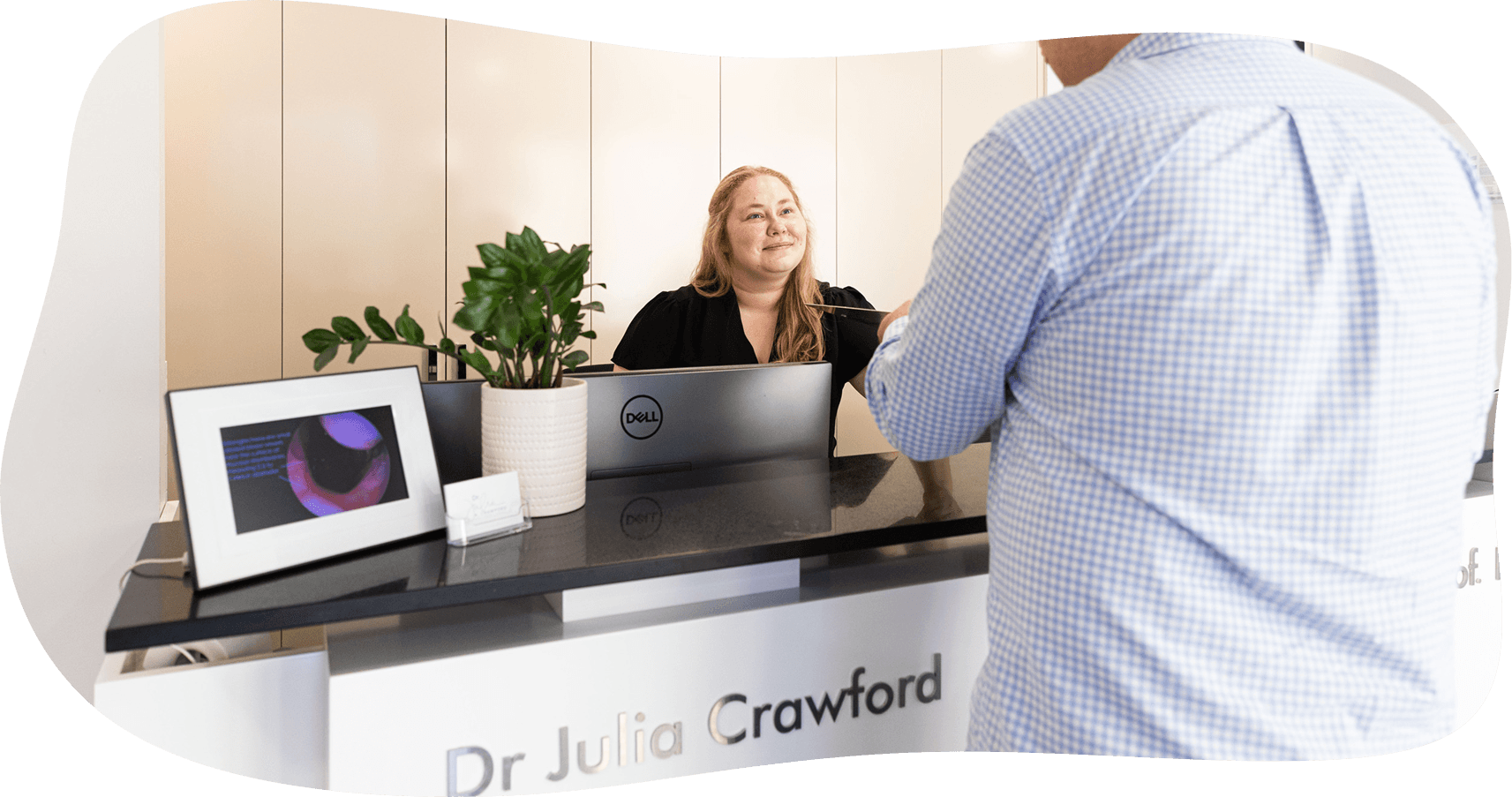
Dr Crawford consults at three convenient locations across Sydney.
While your specialist consultations take place at the clinics listed above, the surgical process involves a separate set of mandatory hospital-based appointments. These take place at the facility where your procedure is scheduled, such as St Vincent’s Private Hospital or St George Private Hospital. These appointments are a critical part of the safety protocol for Transoral Robotic Surgery (TORS).
Sleep apnoea is a structural problem that requires a structural solution. For the Sydney professional, the cost of untreated oxygen deprivation is too high to ignore. While CPAP is a viable tool, it is not a cure and is frequently abandoned by patients.
Robotic-assisted airway reconstruction represents the leading edge of ENT surgery. We provide a precise, minimally invasive alternative that targets the root cause of the obstruction. This treatment is designed to restore your natural breathing, protect your heart health, and return your cognitive edge.
If you are ready to reclaim your life from the CPAP mask and the exhaustion of broken sleep, our team is here to guide you through a permanent solution.
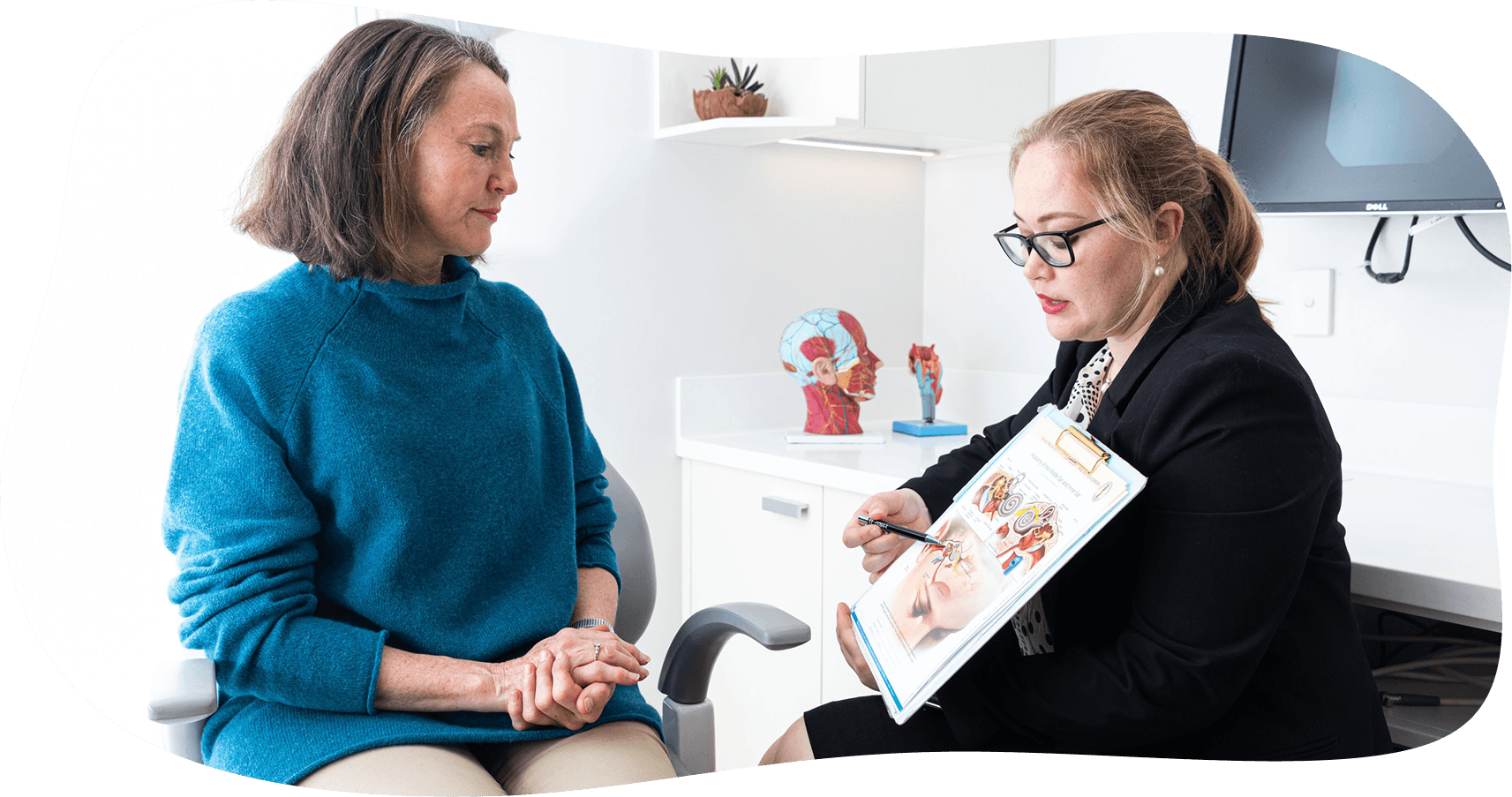
Our team can assist with appointment enquiries and help arrange a consultation with Dr Julia Crawford at one of her three Sydney consulting locations:
Dr Julia Crawford consults for head and neck conditions, head and neck cancer, thyroid and salivary gland disease, obstructive sleep apnoea, paediatric ENT and selected general ENT problems.
Her team can assist with arranging an appointment at Darlinghurst, Kogarah or Chris O'Brien Lifehouse, and will help ensure the appropriate information and investigations are available before your consultation.