Dr Julia Crawford sees adults with a range of general nasal and sinus conditions at Sydney ENT Clinic in Darlinghurst and Kogarah.
Many sinus and nasal problems can be managed without surgery. The aim of an ENT assessment is to understand the cause of your symptoms, determine whether further investigation is required and discuss whether medical treatment, observation or surgery is the most appropriate option.
Dr Crawford's primary areas of practice are head and neck surgery, robotic surgery and obstructive sleep apnoea. She also continues to assess and treat selected general ENT conditions, including common nasal and sinus problems.
Dr Crawford assesses patients with conditions including the following.
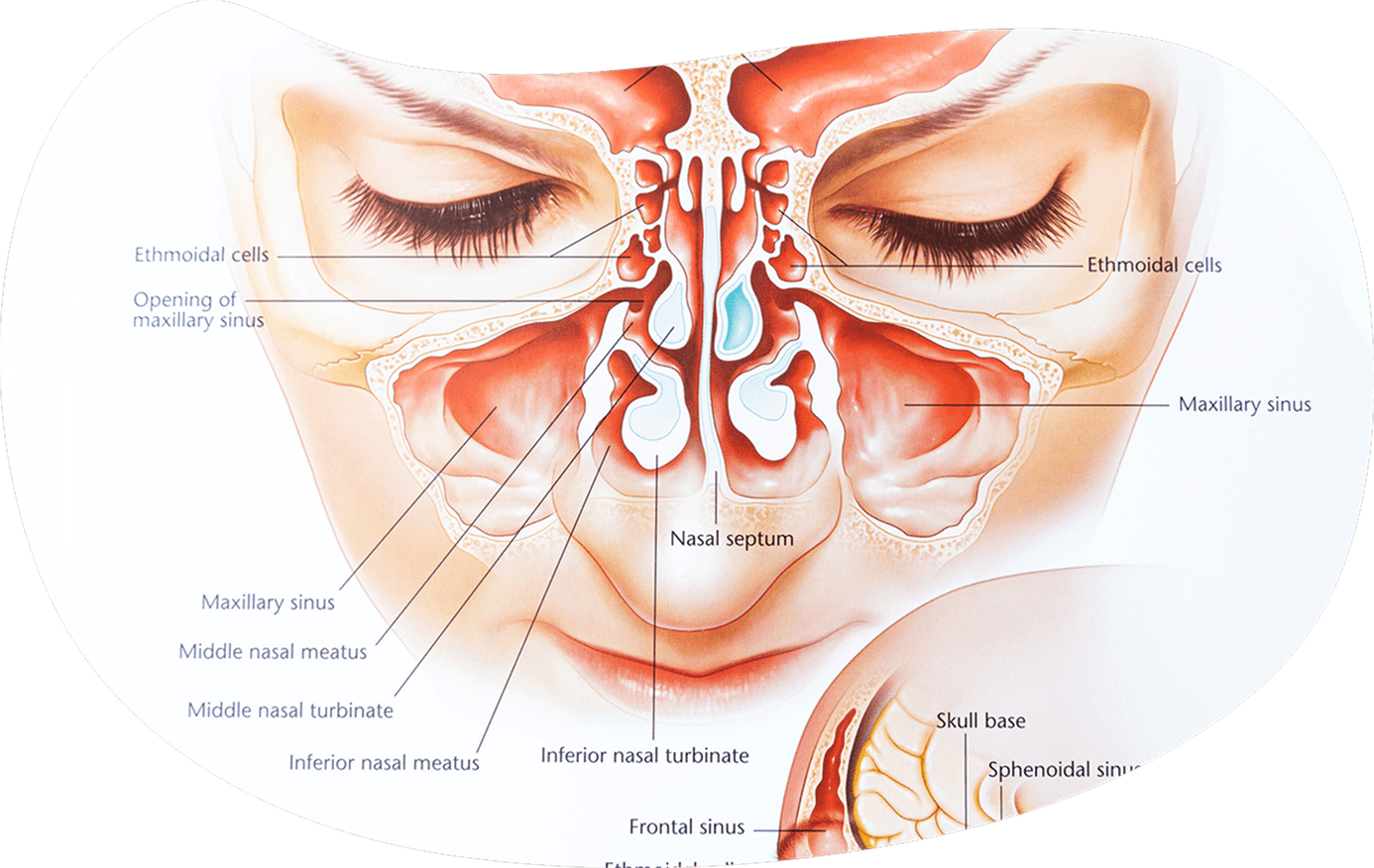
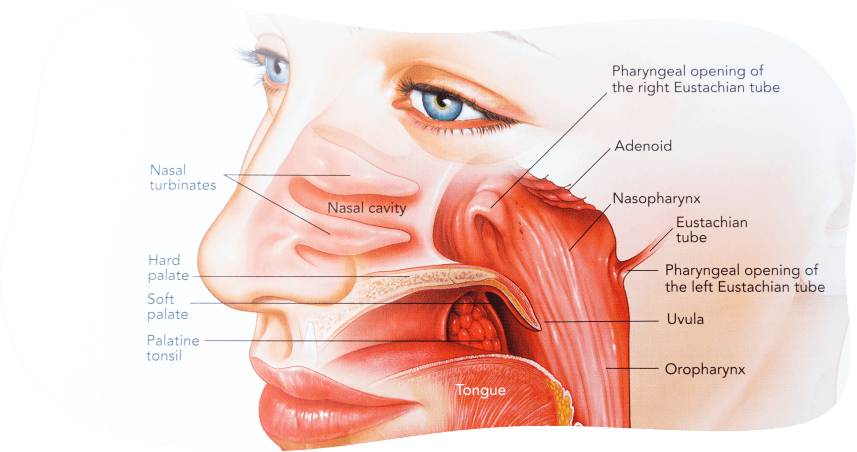
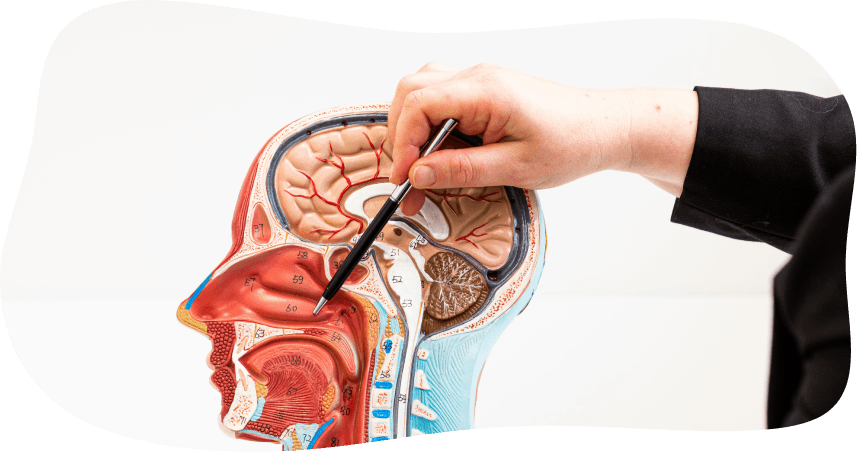
The sinuses are air-filled spaces within the bones around the nose, cheeks and forehead.
Sinusitis refers to inflammation involving the lining of the nose and sinuses. It may occur as part of a viral infection, bacterial infection or longer-term inflammatory condition.
Symptoms may include the following.

Acute sinusitis usually develops during or after a viral upper respiratory infection.
Most episodes improve without surgery.
Treatment depends on the duration and severity of symptoms and may include saline rinses, nasal medications, pain relief and, in selected cases, antibiotics.
Persistent, severe or recurrent symptoms may require further assessment.
Chronic rhinosinusitis is generally considered when symptoms persist for at least 12 weeks.
Typical symptoms include nasal blockage, nasal discharge, facial pressure and reduced sense of smell.
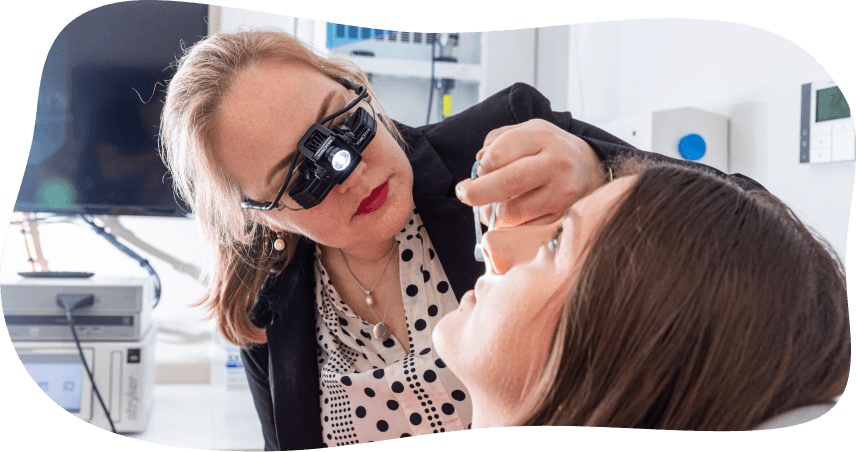
Diagnosis is based on the clinical history together with examination and objective evidence of sinus inflammation, usually from nasal endoscopy and/or CT imaging.
Not everyone with long-standing nasal symptoms has chronic sinusitis. Other problems, such as allergic rhinitis, a deviated septum or enlarged turbinates, may produce similar symptoms.
There are also a number of symptoms commonly attributed to the sinuses that may have another cause. A thorough history, examination and, where appropriate, CT imaging can help determine whether the sinuses are actually responsible for the symptoms. In particular, facial pain or pressure despite normal sinus examination and imaging may represent a headache disorder and may be better assessed by a neurologist.
Some patients experience repeated episodes of acute sinusitis with relatively normal periods in between.
If infections are frequent, severe or difficult to treat, further assessment may help determine whether there is an underlying anatomical or inflammatory problem contributing to them.
A blocked nose can have several causes.
Common causes include the following.

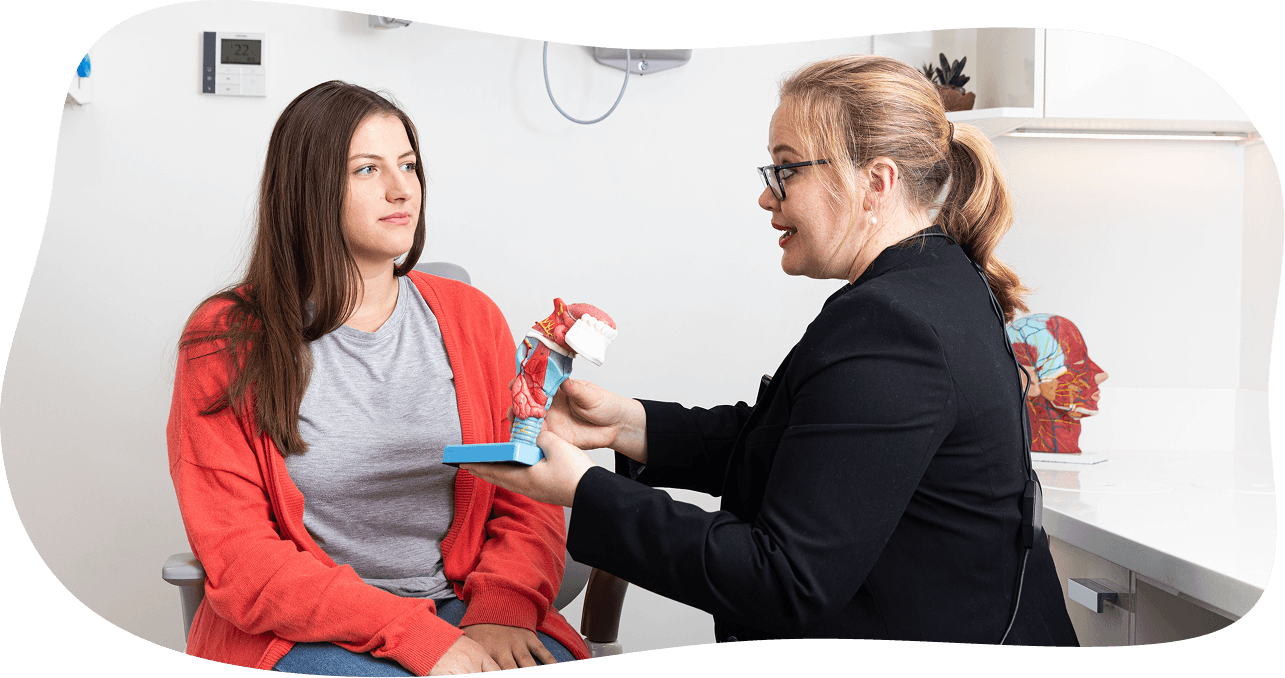
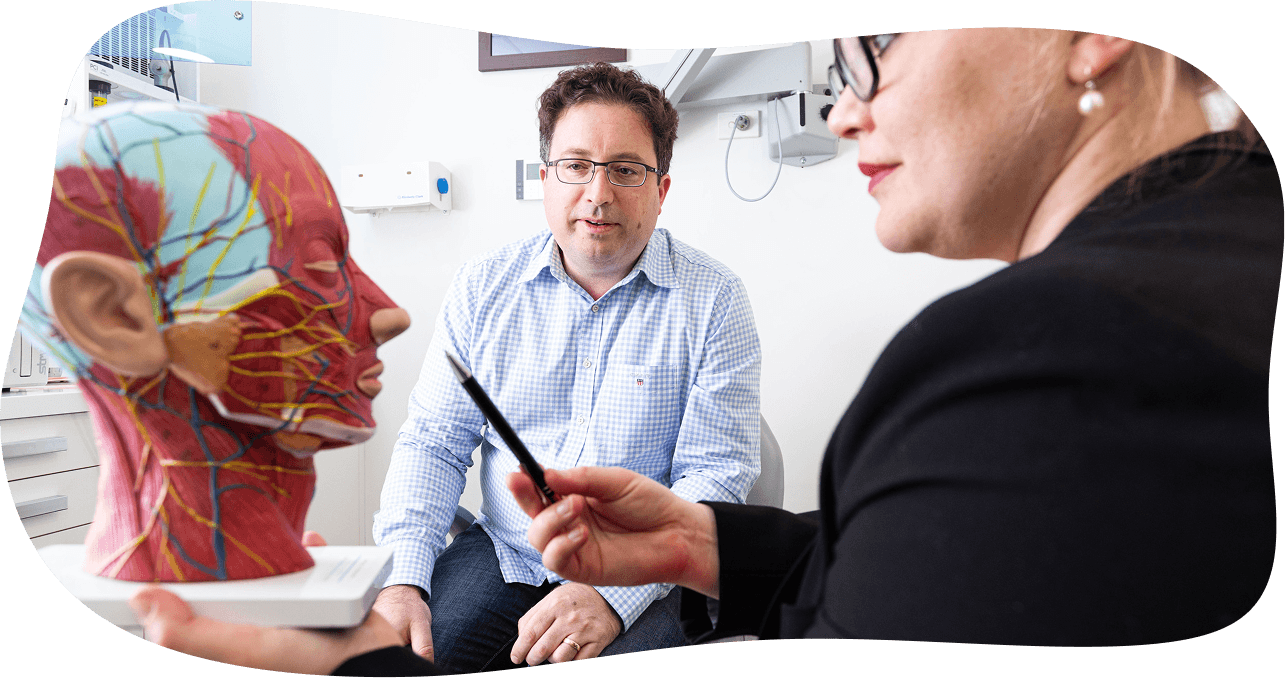
The consultation begins with a detailed history of your symptoms, including how long they have been present, previous treatment, allergies and any previous nasal or sinus surgery.
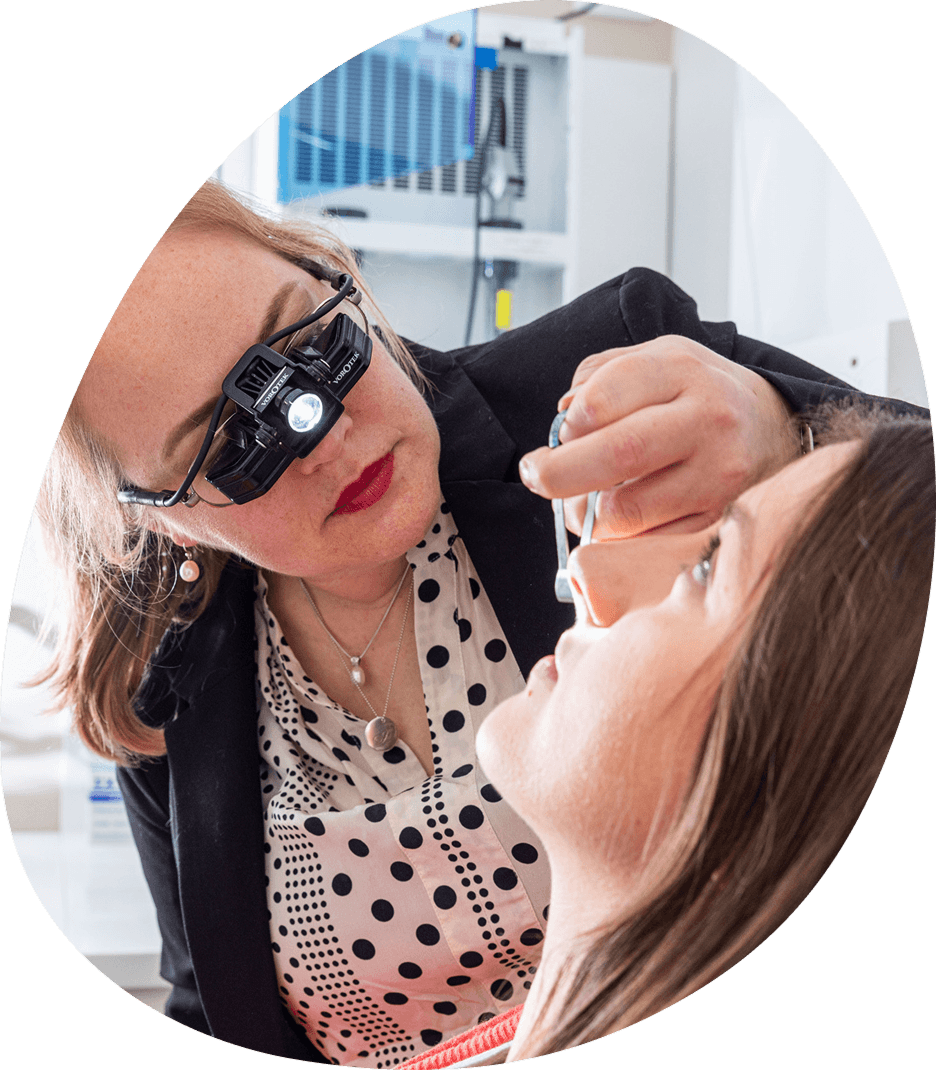
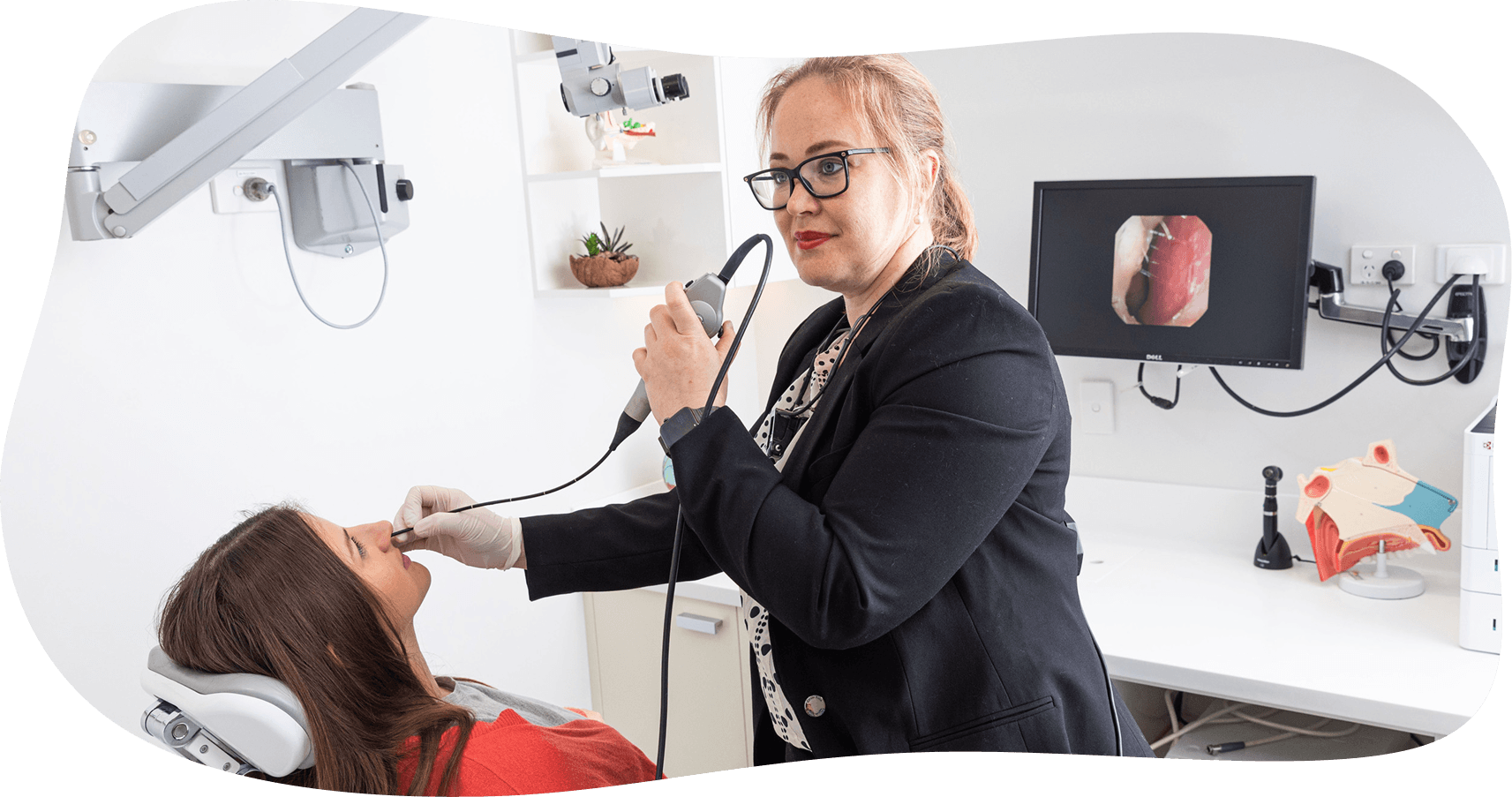
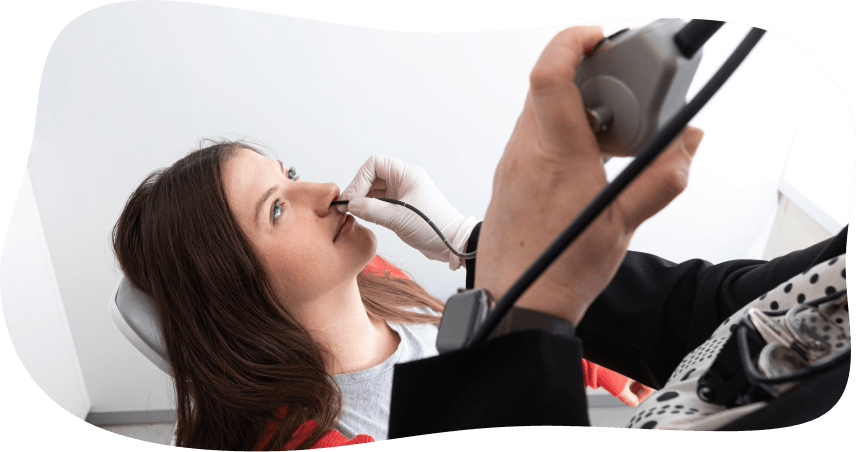
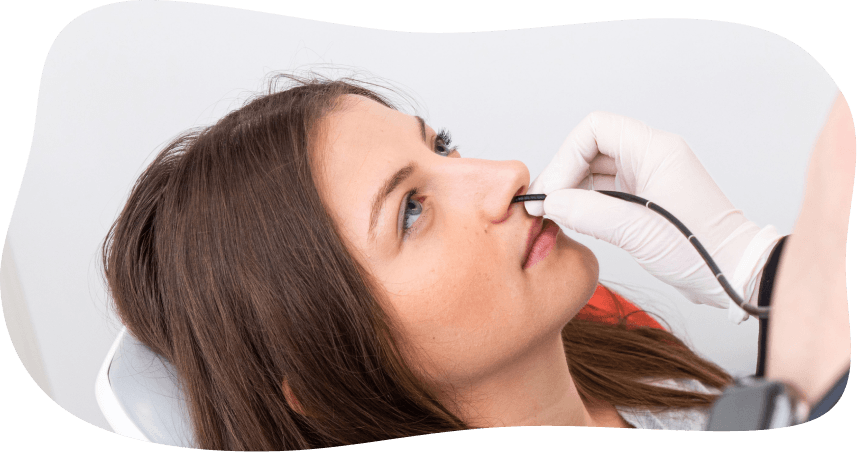
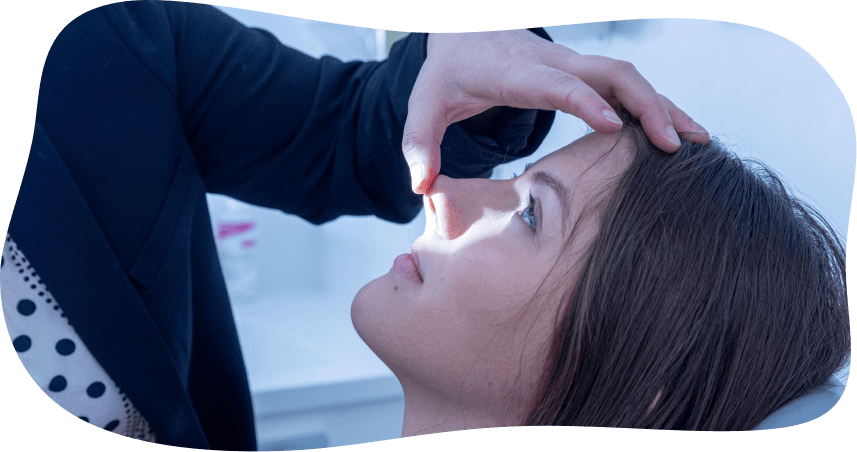
Dr Crawford will examine the nose and may perform nasal endoscopy.
Nasal endoscopy involves passing a small telescope into the nose to examine the nasal cavity and the areas where the sinuses drain into the nose. It usually takes only a few minutes and provides more detailed information than examination of the front of the nose alone.
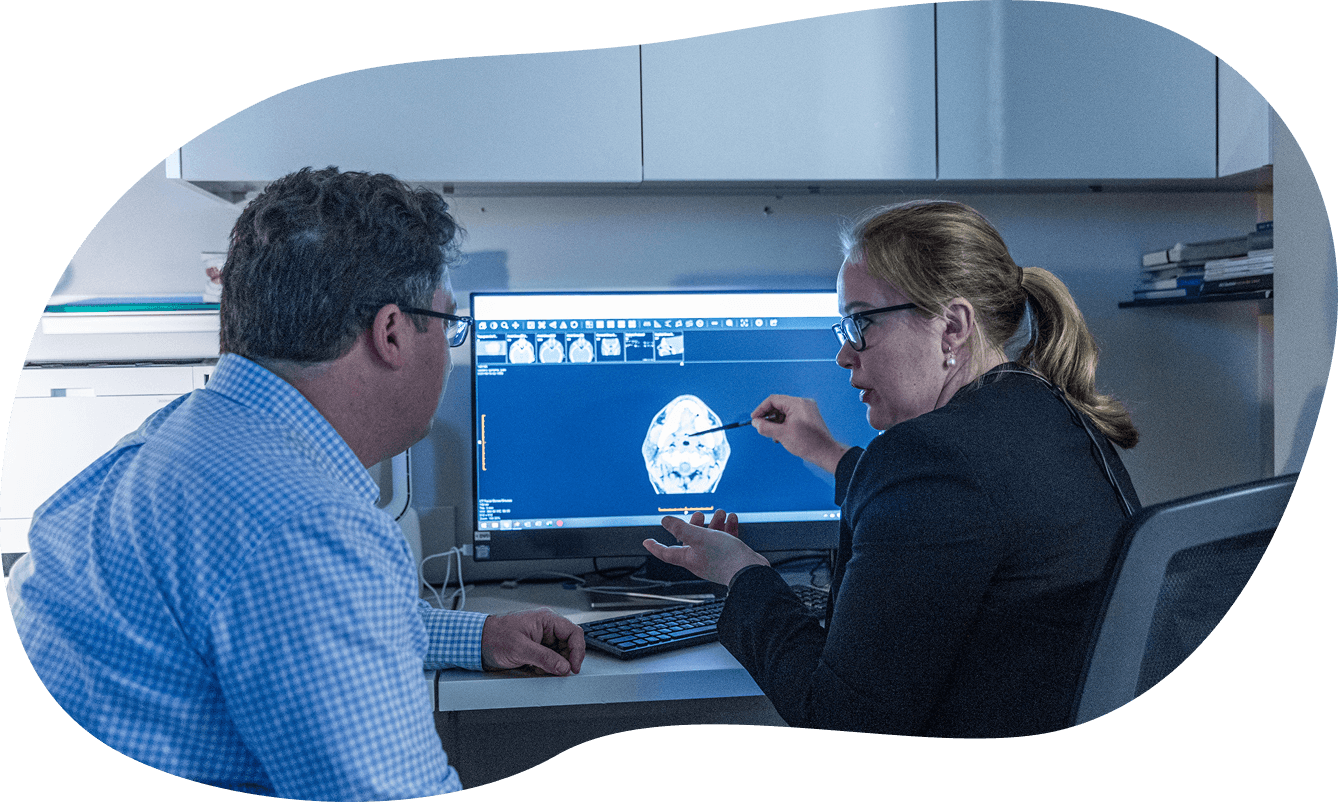
Examination in the rooms cannot directly assess the inside of the sinuses themselves. When this information is required, a CT scan of the sinuses provides a more detailed assessment.
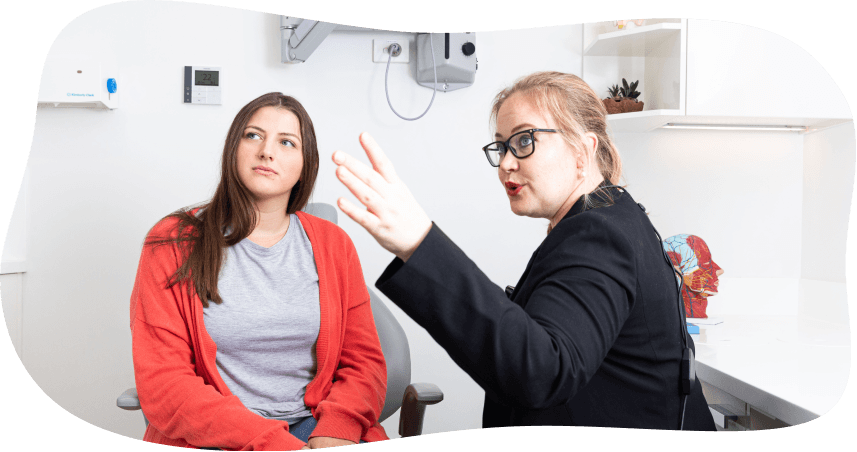
Many patients referred with persistent or recurrent sinus symptoms will benefit from CT imaging, particularly when chronic sinusitis is suspected or surgery is being considered.
A CT scan provides detailed information about the anatomy of the sinuses and the extent of any inflammation.
If you have already had a recent CT scan of your sinuses, it is very helpful to provide both the report and images before your appointment where possible. In some circumstances, Dr Crawford's team may recommend arranging imaging before the consultation to help streamline your assessment.
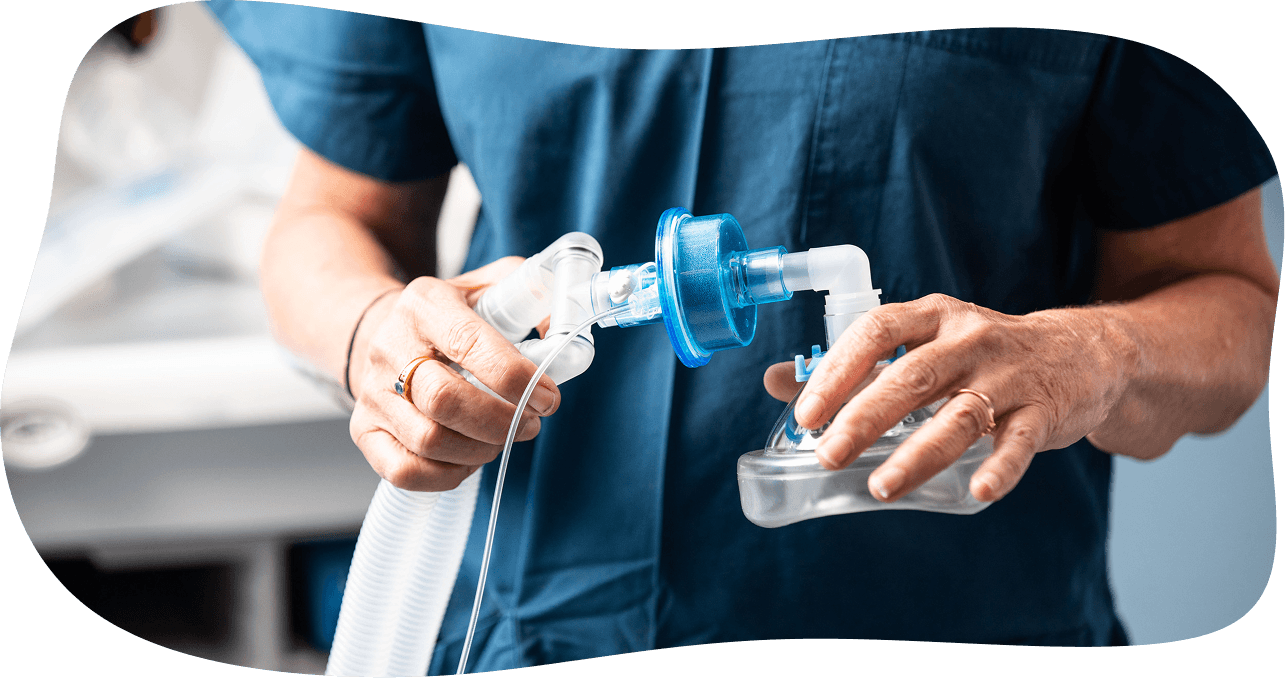
Most patients with sinus or nasal symptoms will initially be treated without surgery.
Treatment may include the following.

Sinus surgery is not required for most people with sinus symptoms.
It may be considered when there is objective evidence of sinus disease and appropriate medical treatment has not provided sufficient improvement.
The decision depends on the following.
Functional Endoscopic Sinus Surgery, often abbreviated to FESS, is performed through the nostrils using telescopes and specialised instruments.
The aim is to improve access to and drainage of affected sinuses while preserving normal structures where possible.
There are no external facial incisions for standard endoscopic sinus surgery.
The extent of surgery varies considerably depending on the underlying problem.
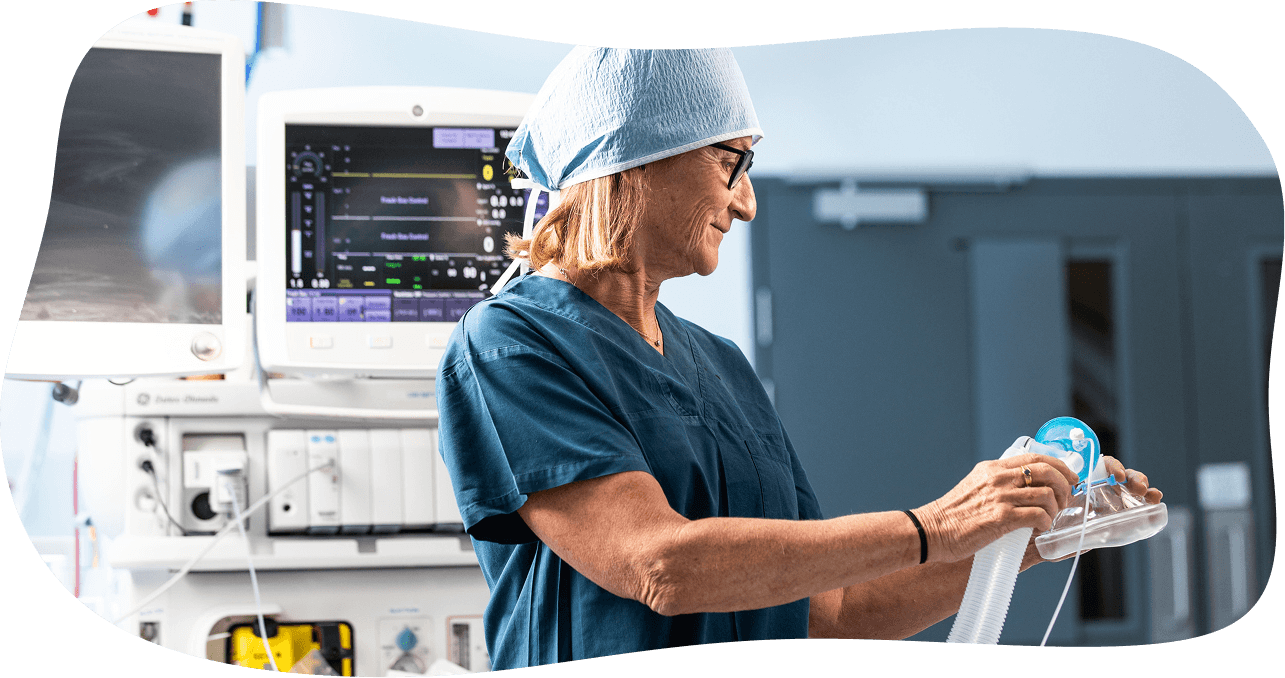
Some patients with nasal obstruction have a deviated nasal septum or enlarged turbinates.
Septoplasty straightens the internal nasal septum.
Turbinate surgery reduces the size of enlarged turbinates while aiming to preserve their normal function.
These procedures may be performed alone or, in selected patients, at the same time as sinus surgery.
If allergy appears to be an important cause of nasal obstruction, Dr Crawford may recommend assessment by an allergist before considering surgery. Treating the underlying allergy appropriately can help manage nasal symptoms and may improve the likelihood that any benefit from surgery is sustained.
Recovery depends on the extent of surgery performed.
Most patients experience nasal congestion and some blood-stained discharge during the early postoperative period. Dr Crawford generally recommends allowing approximately two weeks away from work after nasal or sinus surgery, although this varies according to the procedure and the type of work you do.
Saline rinses are commonly used during recovery to help keep the nose clean.
Some patients will require postoperative review and nasal cleaning while the nose and sinuses heal.
Dr Crawford will provide specific advice about time away from work, exercise, flying and postoperative care based on the procedure performed.
Not necessarily.
Sinus surgery can improve symptoms and help medical treatment work more effectively, but some inflammatory conditions can recur or require ongoing treatment.
Long-term management may still include saline irrigation, nasal steroid treatment or allergy management.
The aim of surgery is therefore to improve the underlying problem rather than promise a permanent cure.
Nasal polyps are inflammatory growths that develop within the nose and sinuses.
They can cause nasal blockage, reduced sense of smell and recurrent sinus symptoms.
Treatment often begins with medical therapy.
Some patients require surgery, particularly when polyps are extensive or symptoms remain significant despite appropriate treatment.
Patients with severe or recurrent nasal polyposis may benefit from assessment by a rhinology subspecialist. If this is required, Dr Crawford can help direct you to an appropriate specialist.
Allergic rhinitis can present in different ways. Some people have predominantly reactive symptoms such as sneezing, itching and watery nasal discharge, while others experience mainly nasal congestion and obstruction. Many patients have a combination of both.
Management may include allergen avoidance where practical, antihistamines, saline irrigation and nasal steroid treatment.
Some patients may also benefit from assessment by an allergist, particularly when symptoms are persistent or difficult to control. This may include a discussion about allergen immunotherapy, which aims to reduce the immune system's response to specific allergens over time.
Surgery does not treat the underlying allergy but may occasionally be useful when there is a separate structural cause of significant nasal obstruction.

Dr Crawford sees patients with selected general nasal and sinus conditions at Sydney ENT Clinic in Darlinghurst and Kogarah.
If you have already had sinus CT imaging, allergy testing or previous ENT treatment, please provide this information before your appointment where possible.
Dr Crawford may recommend further investigation or, where the condition is particularly complex, referral to an ENT surgeon with specific rhinology expertise.
Dr Crawford sees patients with selected nasal and sinus conditions at Sydney ENT Clinic in Darlinghurst and Kogarah.
If you have previous CT imaging, allergy results or ENT correspondence, please provide these before the appointment where possible.
Our team can assist with appointment enquiries and help arrange a consultation with Dr Julia Crawford at one of her three Sydney consulting locations:
Dr Julia Crawford consults for head and neck conditions, head and neck cancer, thyroid and salivary gland disease, obstructive sleep apnoea, paediatric ENT and selected general ENT problems.
Her team can assist with arranging an appointment at Darlinghurst, Kogarah or Chris O'Brien Lifehouse, and will help ensure the appropriate information and investigations are available before your consultation.