Eating and drinking can become difficult during head and neck cancer treatment because the tumour or the treatment itself can affect the mouth, throat and taste. Maintaining adequate nutrition helps preserve weight and muscle strength, supports recovery and can help patients cope with treatment.
Surgery, radiation therapy and chemoradiotherapy can all affect the ability to eat, whether through swelling, pain, dry mouth, taste change or a physical change to swallowing. Without attention to nutrition, unintended weight and muscle loss can occur, which may affect strength and the ability to cope with ongoing treatment. Adequate energy and protein intake helps maintain muscle and supports healing and recovery.
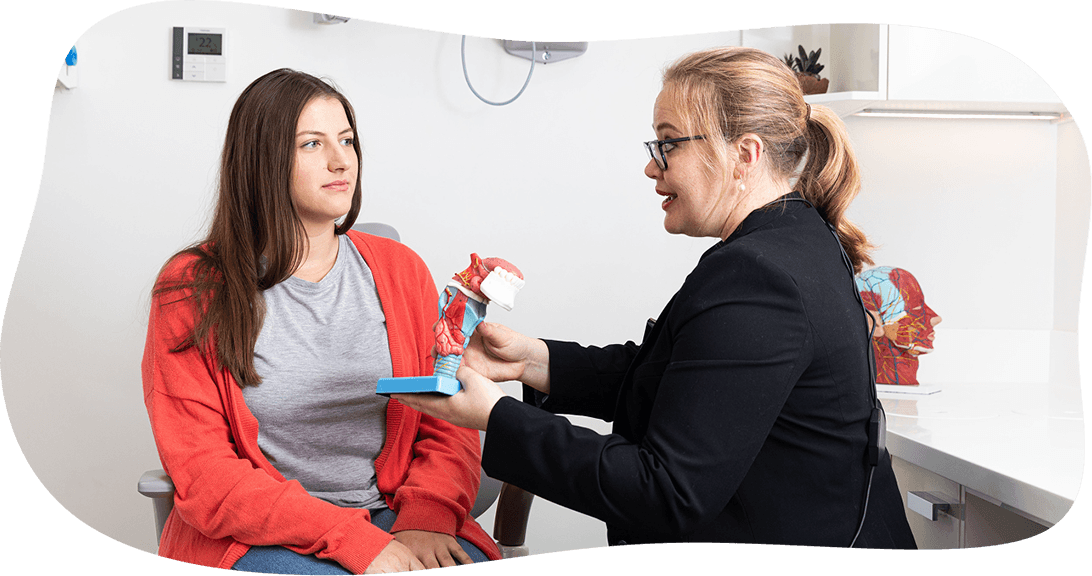
Surgery or radiation to the mouth and throat can cause pain on swallowing or a restricted ability to open the jaw or move the tongue, which can make solid food difficult to manage. Many patients move to a softer or modified diet for a period, guided by a swallowing assessment where needed.
Radiation and some systemic treatments can alter taste, so foods may taste different, muted or unpleasant. This commonly affects appetite and can be one of the more frustrating parts of treatment for patients.
Reduced saliva, often related to radiation therapy, can make chewing and swallowing dry foods harder and increase the risk of dental problems. Sipping fluids with meals and choosing moist foods can make eating easier, while good oral hygiene and regular dental care help reduce the risk of tooth decay.
Radiation and some chemotherapy can cause soreness or ulceration of the lining of the mouth and throat, known as mucositis, which can make eating painful for a period during treatment.
Dietitians with experience in head and neck cancer may be involved before, during or after treatment depending on individual need. Some patients are seen before treatment begins so that nutritional status can be assessed early and a plan put in place. Others are referred once eating has become difficult, to adjust the diet, recommend energy and protein-dense options or consider nutritional supplements.
Where oral intake becomes insufficient despite these measures, feeding support such as a feeding tube may be recommended. Feeding tubes are often temporary, although this depends on the treatment and how eating and swallowing recover. The decision is made with the treating team based on the patient’s nutrition, hydration and swallowing needs.
Nutrition and swallowing are closely linked, so dietitians often work alongside speech pathologists, who assess swallowing safety and provide strategies and exercises to support it. Together they help determine what can be eaten safely and how the diet can progress as treatment and recovery continue.

Dr Crawford is a Sydney ENT and head and neck surgeon. Dietitian and speech pathology support is arranged as part of the overall treatment plan where it is needed.

Dr Crawford consults at three convenient locations across Sydney.

While your specialist consultations take place at the clinics listed above, the surgical process involves a separate set of mandatory hospital-based appointments. These take place at the facility where your procedure is scheduled, such as St Vincent’s Private Hospital or St George Private Hospital. These appointments are a critical part of the safety protocol for Transoral Robotic Surgery (TORS).
Dietitian and speech pathology involvement is arranged as part of your overall treatment plan where needed. Appointments with Dr Crawford are available at Sydney ENT Clinic in Darlinghurst or Kogarah, and through Chris O’Brien Lifehouse for head and neck cancer patients.
Our team can assist with appointment enquiries and help arrange a consultation with Dr Julia Crawford at one of her three Sydney consulting locations:
Dr Julia Crawford consults for head and neck conditions, head and neck cancer, thyroid and salivary gland disease, obstructive sleep apnoea, paediatric ENT and selected general ENT problems.
Her team can assist with arranging an appointment at Darlinghurst, Kogarah or Chris O'Brien Lifehouse, and will help ensure the appropriate information and investigations are available before your consultation.