Thyroid Cancer

Thyroid Cancer Diagnosis and Treatment in Sydney

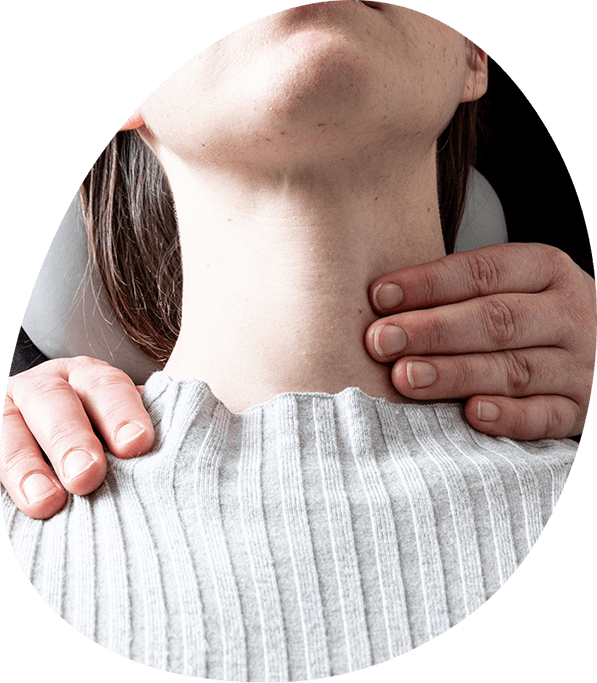
A thyroid nodule is a lump in the thyroid gland, and most thyroid nodules are not cancerous. Ultrasound and, where appropriate, a fine-needle biopsy help determine whether a nodule can be monitored or whether further treatment, including surgery, may be needed.
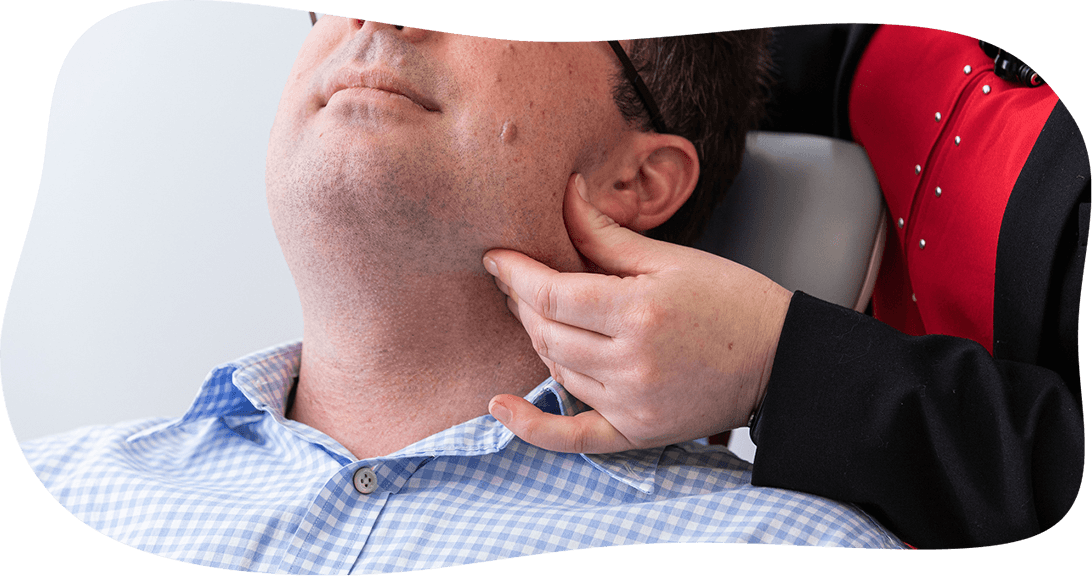
Thyroid and parathyroid surgery

Surgery for thyroid nodules, thyroid cancer and parathyroid disease, as part of a head and neck surgical practice.

Comprehensive management

Of thyroid nodules, goitres, and malignancies by a fellowship-trained head and neck surgeon.

Personalised treatment pathways

That prioritise the preservation of voice and swallowing function while ensuring effective cancer removal.

What’s On This Page

What is a thyroid nodule?

The thyroid is a gland at the base of the neck. A nodule is a lump within it. Nodules are common and the majority are benign. Some are found incidentally on a scan done for another reason, while others are noticed as a lump or picked up by a general practitioner.

Most patients present with a thyroid nodule, which is a lump within the gland. It is important to note that the vast majority of thyroid nodules are benign (non-cancerous). However, determining which nodules are malignant requires expert evaluation. The most common forms of thyroid cancer we treat include:

Papillary Thyroid Cancer

The most common type, growing slowly and often spreading to lymph nodes in the neck. It typically has an excellent outlook.

Follicular Thyroid Cancer

Also common and generally treatable, though slightly more aggressive than papillary carcinoma.

Medullary Thyroid Cancer

A rarer form that can run in families and requires specific genetic testing and management.

Anaplastic Thyroid Cancer

A rare and aggressive form requiring urgent, multidisciplinary care.

We focus on accurate differentiation between benign nodules that can be monitored and malignant or suspicious nodules that require surgical intervention.
How We Deliver Thyroid Cancer Treatment

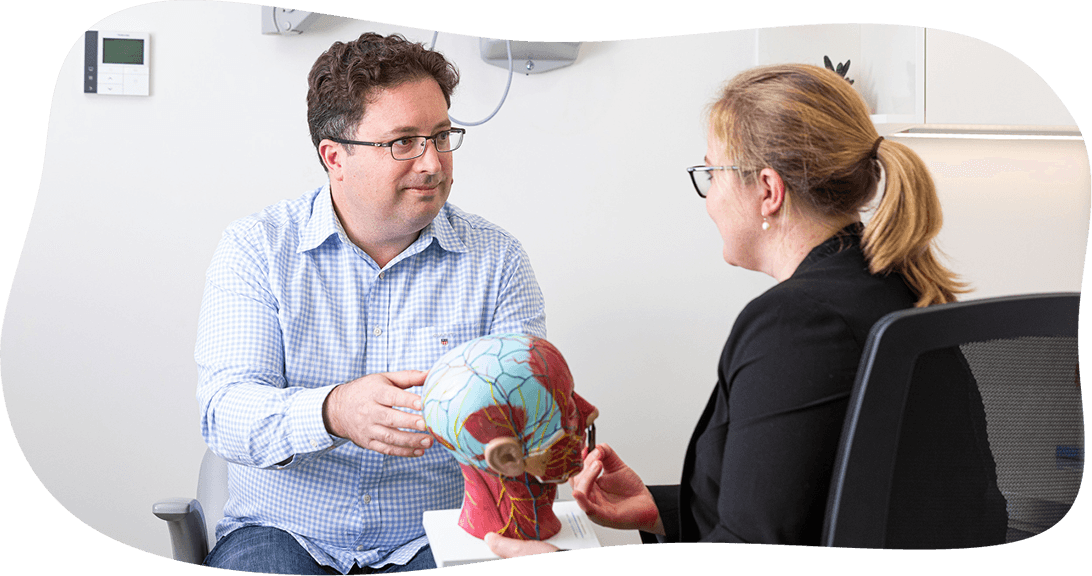
Our practice follows a structured, patient-centred pathway designed to reduce anxiety and ensure clarity at every stage of your treatment.
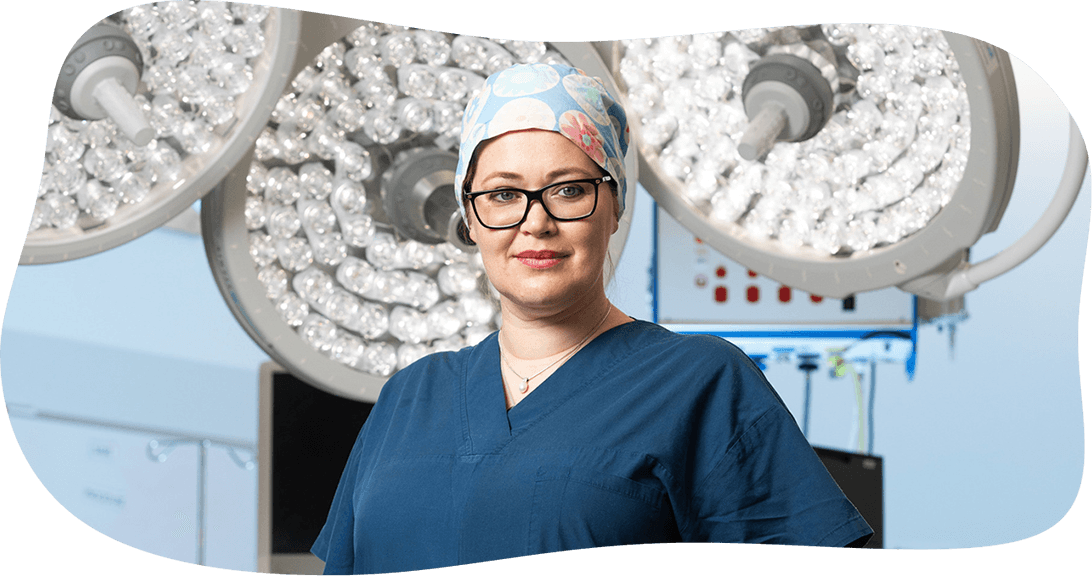
Your journey begins with a comprehensive consultation to evaluate your medical history and specific symptoms. We utilise high-resolution ultrasound imaging to characterise the size and features of any nodules. If a nodule appears suspicious, we perform a Fine Needle Aspiration (FNA) biopsy. This minimally invasive office procedure involves collecting a small sample of cells for pathology analysis to confirm the diagnosis.

Surgery is the primary treatment for thyroid cancer. Dr Julia Crawford tailors the surgical approach to the size of the tumour, the type of cancer, and your personal preferences regarding recovery and cosmetics.

Hemithyroidectomy

Involves removing only the half of the thyroid containing the nodule. This preserves the remaining thyroid tissue, often allowing patients to avoid lifelong medication.

Total Thyroidectomy

Is the removal of the entire thyroid gland. This is necessary for larger tumours, multi-focal cancer, or aggressive subtypes.

Neck Dissection

May be required if the cancer has spread to the lymph nodes in the lateral or central neck compartments.

The parathyroid glands, which regulate calcium, sit near the thyroid and can be affected by surgery, particularly total thyroidectomy. This can cause a temporary or, less commonly, longer-term drop in calcium levels, which is monitored with blood tests after surgery and managed with calcium and vitamin D supplementation where needed.

Some patients are recommended radioactive iodine treatment after total thyroidectomy, to target any remaining thyroid tissue or cancer cells. This is coordinated with nuclear medicine specialists and, where relevant, endocrinologists.

Long-term follow-up after thyroid cancer surgery includes regular blood tests, including thyroglobulin levels where appropriate, and neck ultrasound, to monitor for recurrence.

Why Choose Dr Julia Crawford for Thyroid Surgery

Fellowship trained

Fellow of the Royal Australasian College of Surgeons with advanced subspecialty fellowship training in head and neck surgery.

Academic Leadership

Conjoint Lecturer at UNSW and Senior Lecturer at the University of Sydney, with ongoing involvement in medical education and surgical training.

Focus on Functional Preservation

The nerves controlling the vocal cords run close to the thyroid gland, and injury to these nerves can affect the voice, causing hoarseness or a weak voice.

Frequently Asked Questions

No. Most thyroid nodules are benign, and many can be monitored rather than removed. Ultrasound findings and, where appropriate, a fine-needle biopsy help determine whether monitoring, further investigation or surgery is appropriate.

The nerves controlling the vocal cords run close to the thyroid, and injury to them can affect the voice. Temporary voice change can occur due to swelling around the nerve. Longer-term change is uncommon but is a recognised risk that Dr Crawford will discuss before surgery.

If you undergo a total thyroidectomy, you will no longer produce thyroid hormone and must take a daily tablet (thyroxine) for life to maintain normal metabolism. This is a standard, well-tolerated medication. If you undergo a hemithyroidectomy (half removal), the remaining half of the gland often produces sufficient hormone, and you may not require daily medication. We will monitor your hormone levels via blood tests to determine your needs.

Most patients stay in the hospital for one night following surgery. You can typically return to light activities and desk work within one week. We recommend avoiding heavy lifting or strenuous exercise for two weeks to prevent strain on the surgical site.

If preoperative scans or biopsy results indicate cancer in the lymph nodes, Dr Crawford will perform a neck dissection at the same time as your thyroid surgery. This involves systematically removing the affected lymph nodes and fatty tissue from the neck compartments. This does not significantly change your long-term recovery but may require a slightly longer surgical procedure and the use of a surgical drain for a few days.

Some patients do. This depends on the type of thyroid cancer, the final pathology and the risk of the cancer returning. Where radioactive iodine is recommended, treatment is coordinated with specialists.

Get Started with Thyroid Cancer Treatment

Early assessment allows thyroid treatment to be planned carefully.

Patients with a thyroid nodule or a diagnosis of thyroid cancer can be seen at Sydney ENT Clinic in Darlinghurst or Kogarah, or through Chris O'Brien Lifehouse for thyroid cancer. If you already have ultrasound, biopsy or pathology results, providing these before your appointment allows them to be reviewed in advance. A valid referral from your GP or another medical specialist is required to claim Medicare rebates.
Get in Touch

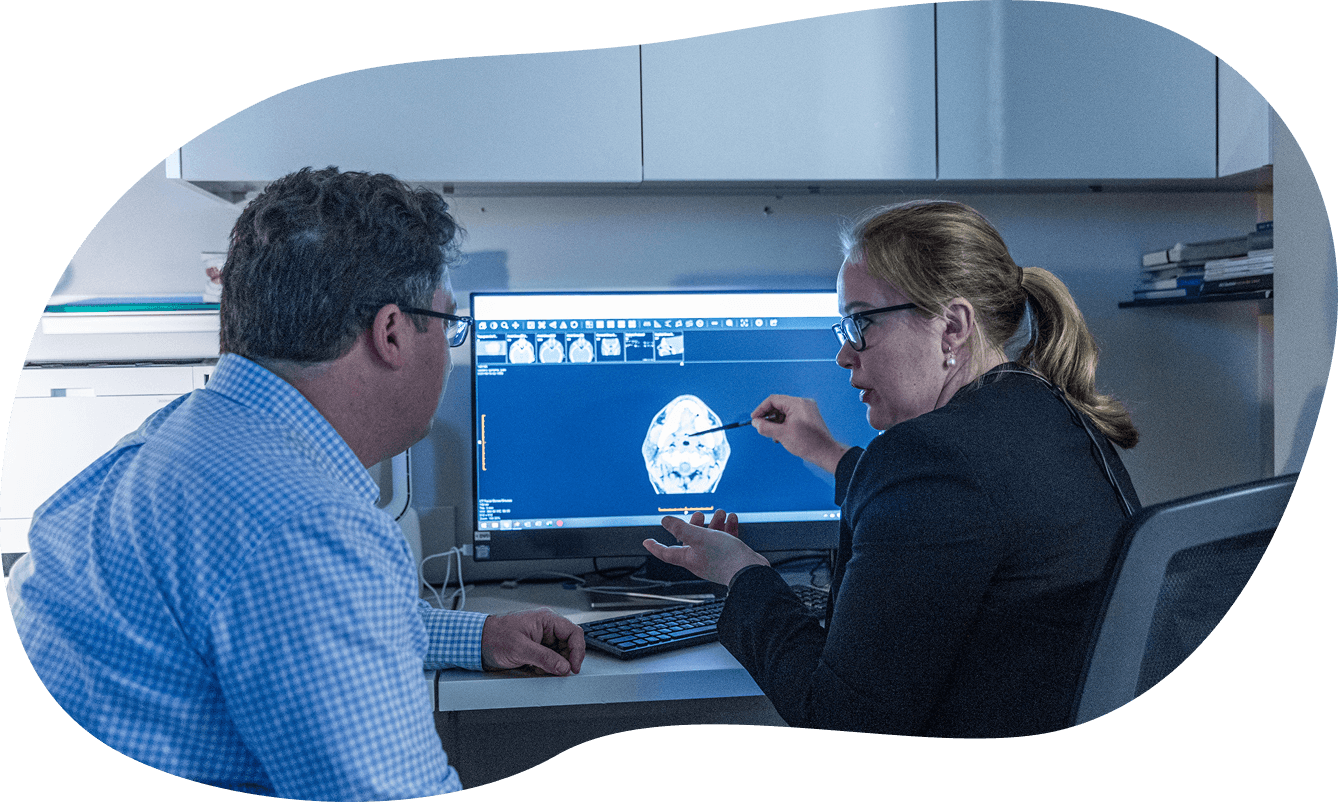
Our team can assist with appointment enquiries and help arrange a consultation with Dr Julia Crawford at one of her three Sydney consulting locations:

Sydney ENT Clinic, Darlinghurst

Ground Floor, 67 Burton Street, Darlinghurst NSW 2010

Sydney ENT Clinic,
Kogarah

Suite 5, Level 2 19 Kensington Street Kogarah NSW 2217

Chris O'Brien Lifehouse

119, 143 Missenden Road, Camperdown NSW 2050

Book Your Consultation

Dr Julia Crawford consults for head and neck conditions, head and neck cancer, thyroid and salivary gland disease, obstructive sleep apnoea, paediatric ENT and selected general ENT problems.

Her team can assist with arranging an appointment at Darlinghurst, Kogarah or Chris O'Brien Lifehouse, and will help ensure the appropriate information and investigations are available before your consultation.

©2026 Dr. Julia Crawford. All rights reserved.