Voice Preservation in Throat Cancer

Voice Preservation in Throat Cancer Sydney

Throat cancer treatment can affect voice, swallowing and breathing, because the structures involved in speech and swallowing sit close to or within the areas being treated. How much function is affected depends on where the cancer is, how large it is, and which treatment is recommended.
Function is part of the plan

The likely effect on voice, swallowing and breathing is weighed alongside cancer control when treatment is chosen.

Planned with a multidisciplinary team

Surgeons, radiation oncologists, medical oncologists, speech pathologists and other clinicians review the case together.
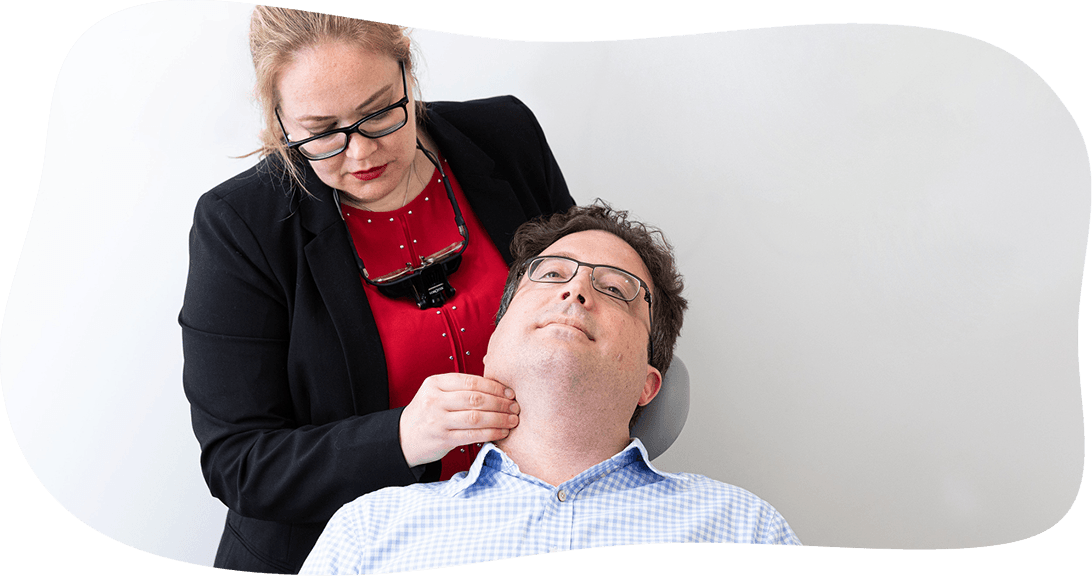
Speech pathology support

Speech pathologists may be involved before, during or after treatment depending on the cancer, the treatment and the patient’s individual needs.

What’s On This Page

Why voice and swallowing are part of treatment planning

Treatment for throat cancer is not decided on cancer control alone. The likely effect on voice, swallowing and breathing is weighed alongside cancer control when surgery, radiation therapy, chemoradiotherapy or a combination is being considered. This weighing happens within multidisciplinary head and neck cancer care, where surgeons, radiation oncologists, medical oncologists, speech pathologists and other clinicians review the case together.

Which structures are involved

The oropharynx

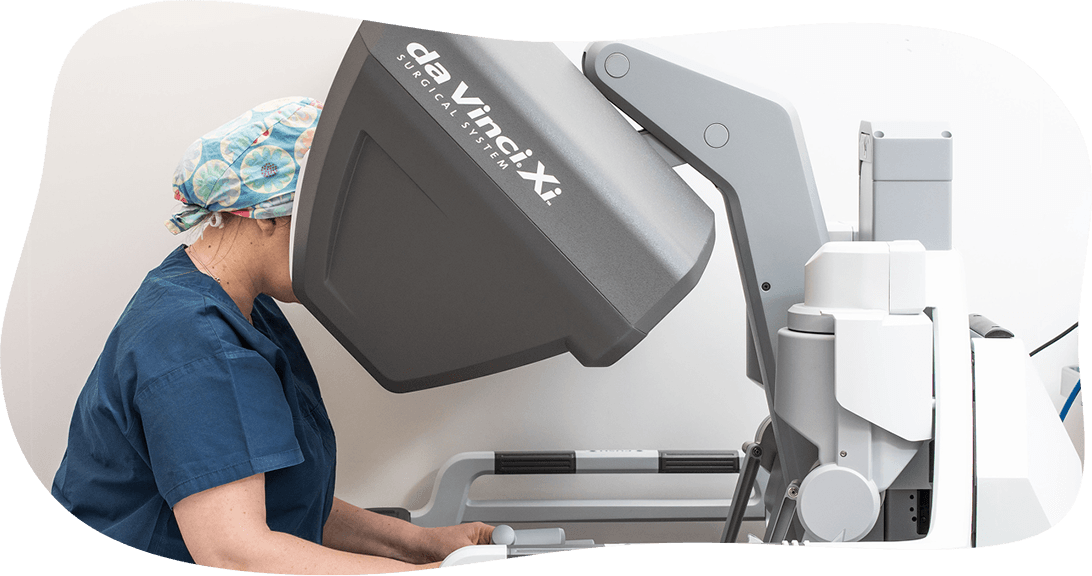
The oropharynx includes the tonsils and base of tongue. Cancers here can affect swallowing and, to a lesser extent, speech, depending on size and location. For selected oropharyngeal cancers, Transoral Robotic Surgery (TORS) is one surgical option, approaching the tumour through the mouth. Whether TORS is appropriate depends on the tumour’s location and extent, and on the overall treatment plan, including the likely need for a neck dissection and further treatment. See the Head and Neck Cancer page for how that assessment is made.

The larynx

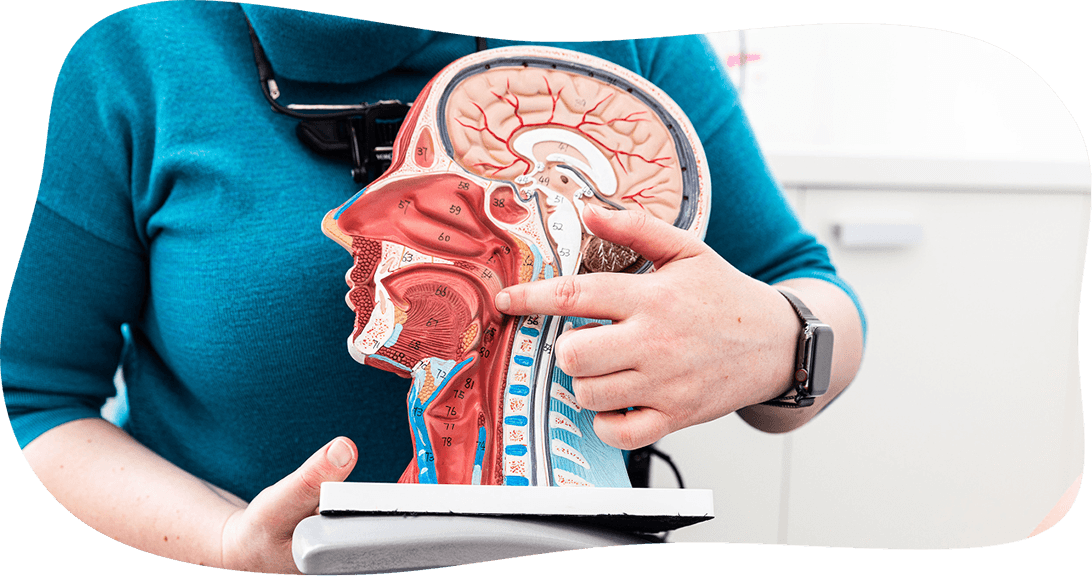
The larynx, or voice box, contains the vocal cords and is central to speech, breathing and swallowing. Treatment depends on the location and extent of the cancer and may include radiation therapy, chemoradiotherapy, transoral laser surgery, partial laryngeal surgery or other surgical approaches. The treatment plan considers cancer control together with the likely effects on voice, swallowing and breathing.

The hypopharynx

The hypopharynx is the lower part of the throat, behind and beside the larynx. Cancer in this area can affect both swallowing and voice, and treatment planning follows the same multidisciplinary process.

How treatment can affect voice and swallowing

The effect of treatment varies considerably and depends on the specific cancer and treatment used.

Surgery that removes or alters tissue involved in swallowing or voice production can cause temporary or, less commonly, longer-term changes. Radiation therapy and chemoradiotherapy can cause swelling, dryness and stiffness in the treated tissues, which can also affect swallowing and voice, sometimes for months after treatment finishes.

Some patients notice little change. Others experience a significant, though often temporary, effect during and immediately after treatment. Dr Crawford discusses the likely effect of the specific treatment being considered before it begins, so that patients understand what to expect.
The role of speech pathology

Speech pathology may be involved before, during or after treatment depending on the cancer, treatment and individual needs.

Some patients are assessed before treatment begins, so that a baseline of swallowing and voice function is recorded and expectations are set. Others are seen during or after treatment, once changes have occurred, to guide rehabilitation.

Where rehabilitation is needed, it may include swallowing exercises, strategies for safer eating and drinking, and voice therapy. The type, intensity and duration of support depend on the treatment received and how function has been affected.
About Dr Julia Crawford

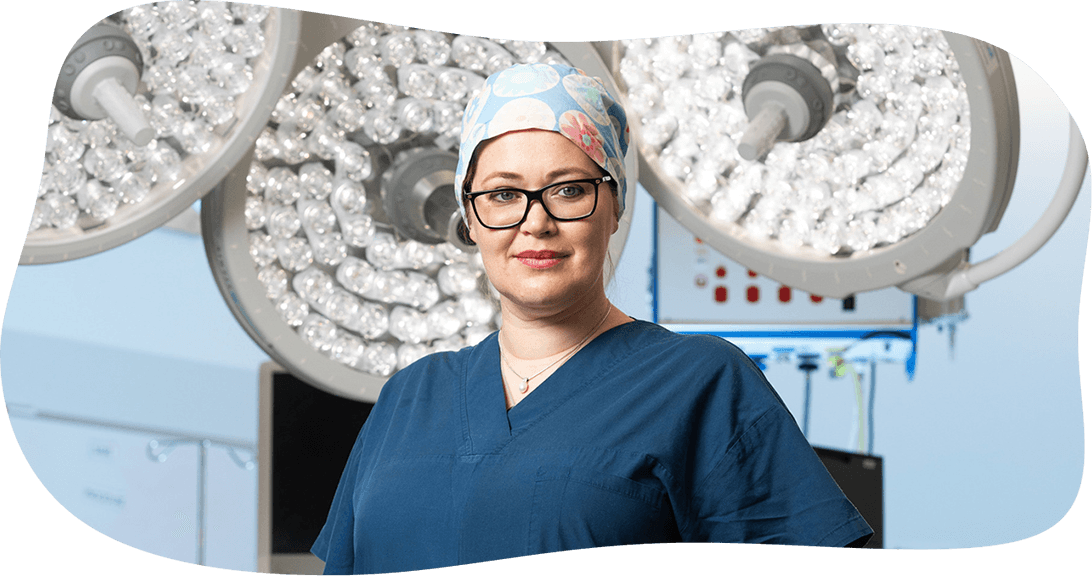
Dr Crawford is a Sydney ENT and head and neck surgeon. Head and neck cancer surgery is a central part of her practice, and treatment is planned through multidisciplinary teams.

Fellowship trained

Fellow of the Royal Australasian College of Surgeons with advanced subspecialty fellowship training in head and neck surgery.

Academic Leadership

Conjoint Lecturer at UNSW and Senior Lecturer at the University of Sydney, with ongoing involvement in medical education and surgical training.

Multidisciplinary Care

Dr Crawford is part of the multidisciplinary head and neck cancer teams at St Vincent’s Hospital and Chris O’Brien Lifehouse, where treatment is planned with radiation oncologists, medical oncologists, speech pathologists and other clinicians.

Frequently Asked Questions

It can. The effect depends on where the cancer is, its extent and which treatment is recommended. Treatments involving the larynx are more likely to affect the voice directly, while other head and neck treatments can affect voice or speech in different ways. Dr Crawford will discuss the likely effects of the treatment being considered.

No. TORS is used for selected cancers of the tonsil and base of tongue, not the larynx. Cancer of the larynx is managed with other treatments, chosen to balance cancer control with preserving speech and breathing.

Some patients do. Speech pathology may be involved before treatment to assess baseline function, or during and after treatment to support swallowing, speech or voice. Whether and when this is recommended depends on the cancer and treatment.

Not always. Some treatments have relatively little effect on voice. Others, particularly those involving the larynx directly, are more likely to cause some change. This is part of what is weighed when treatment options are discussed.

This varies. Some changes are temporary and settle over weeks to months as swelling and inflammation resolve. Others can be longer lasting. Dr Crawford and, where involved, the speech pathology team will discuss the expected course for your treatment.

Treatment options are generally reviewed within a multidisciplinary head and neck cancer team. Dr Crawford will discuss the available options with you, including the likely effects on function, treatment burden and your individual priorities.

Consultation with Dr Julia Crawford

Patients with a suspected or confirmed throat cancer can be seen at Sydney ENT Clinic in Darlinghurst or Kogarah, or through Chris O’Brien Lifehouse. A valid referral from your GP or another medical specialist is required to claim Medicare rebates.

Get in Touch

Our team can assist with appointment enquiries and help arrange a consultation with Dr Julia Crawford at one of her three Sydney consulting locations:

Sydney ENT Clinic, Darlinghurst

Ground Floor, 67 Burton Street, Darlinghurst NSW 2010

Sydney ENT Clinic,
Kogarah

Suite 5, Level 2 19 Kensington Street Kogarah NSW 2217

Chris O'Brien Lifehouse

119, 143 Missenden Road, Camperdown NSW 2050

Book Your Consultation

Dr Julia Crawford consults for head and neck conditions, head and neck cancer, thyroid and salivary gland disease, obstructive sleep apnoea, paediatric ENT and selected general ENT problems.

Her team can assist with arranging an appointment at Darlinghurst, Kogarah or Chris O'Brien Lifehouse, and will help ensure the appropriate information and investigations are available before your consultation.

©2026 Dr. Julia Crawford. All rights reserved.