Reclaim Your Sleep

Reclaim Your Sleep and Professional Performance Without CPAP

Surgical intervention offers a structural, long-term solution for patients who cannot tolerate CPAP or require a device-free lifestyle to maintain peak professional performance.
Robotic Precision

We use advanced Transoral Robotic Surgery (TORS) to target airway obstruction with high precision.

Anatomical Correction

Surgery addresses the root cause of collapse rather than simply masking symptoms with air pressure.

Executive Focus

Treatment plans are designed to maximise long-term sleep quality while respecting your need for a manageable recovery timeline.

What’s On This Page

Understanding Surgical Alternatives to CPAP

Continuous Positive Airway Pressure (CPAP) is the gold standard for sleep apnoea treatment, yet adherence remains a significant challenge for many patients. For executive professionals and active individuals, the logistical burden of a machine, coupled with mask discomfort and noise, can make nightly therapy unsustainable. When compliance fails, the health risks of untreated Obstructive Sleep Apnoea (OSA), including cardiovascular strain, cognitive decline and daytime fatigue, return immediately. Surgical alternatives provide a viable pathway out of this cycle by structurally enlarging the airway to prevent collapse without reliance on external devices.


Modern sleep surgery has moved far beyond the painful "uvulopalatopharyngoplasty" (UP3) procedures of the past. We now utilise a multi-level approach that respects the complex physiology of the upper airway. Rather than simply removing tissue, we reconstruct and stabilise the airway walls. This evolution is driven by advanced diagnostic tools that allow us to pinpoint the exact site of obstruction, whether it is the soft palate, the tongue base, the epiglottis or the lateral pharyngeal walls.


For patients seeking freedom from CPAP, the goal is not just the reduction of the Apnoea-Hypopnea Index (AHI) but the restoration of quality of life. This means waking up refreshed, maintaining focus during high-stakes meetings and eliminating the social friction caused by loud snoring and nightly machines. By treating the anatomy directly, we aim to convert a narrow, collapsible airway into a stable passage that supports natural, unassisted breathing during deep sleep.
How We Deliver Advanced Sleep Solutions

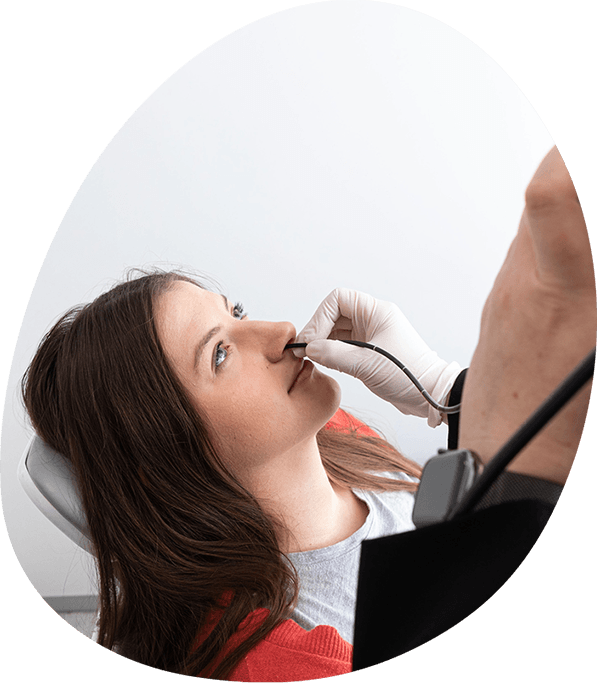
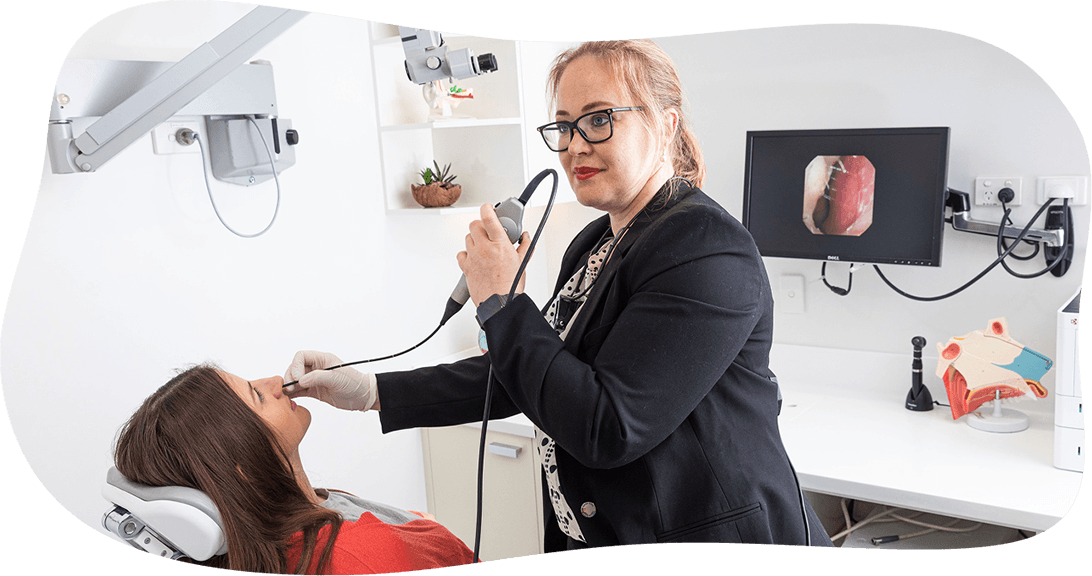
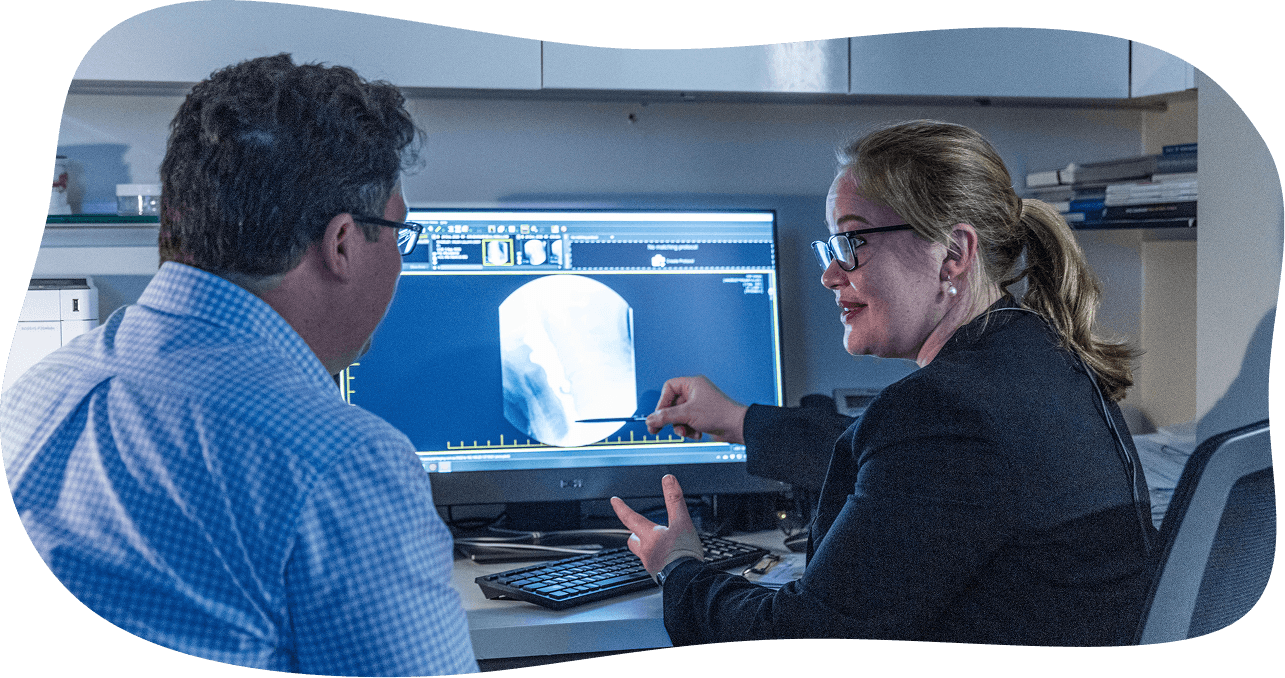
The success of any surgical intervention depends entirely on accurate diagnosis. Standard sleep studies tell us that you stop breathing, but they do not tell us where the blockage occurs. To bridge this gap, we often employ Drug-Induced Sleep Endoscopy (DISE). This sophisticated diagnostic procedure involves sedating you in a controlled theatre environment to mimic natural sleep while we insert a flexible camera through the nose.

This direct visualisation allows Dr Crawford to observe your airway in dynamic collapse. We can see if the tongue falls back against the throat, if the soft palate collapses extensively, or if the epiglottis traps the airway like a trapdoor. This "live view" is critical because awake examinations often fail to reveal the dynamic changes that occur during muscle relaxation in sleep.

By mapping the precise topography of your obstruction, we move away from generic surgery and toward a bespoke surgical plan. This targeted approach significantly improves success rates and spares you from unnecessary procedures on areas of the airway that are not contributing to your condition.

One of the most common causes of moderate to severe sleep apnoea is the collapse of the tongue base, the back part of the tongue that sits low in the throat. Traditionally, accessing this area required invasive external incisions or splitting the jaw, leading to prolonged recovery and visible scarring. Dr Julia Crawford utilises the Da Vinci robotic system to bypass these invasive methods entirely.

Transoral Robotic Surgery (TORS) allows us to operate through the open mouth with 3D high-definition visualisation and wristed instruments that bend and rotate with greater dexterity than the human hand. This technology enables the precise reduction of bulky tongue base tissue that falls back during sleep. By reducing this volume, we create a larger air passage behind the tongue without altering speech or swallowing function in the long term.

This robotic approach is particularly relevant for the executive patient. It converts what used to be a major open-neck surgery into a minimally invasive internal procedure. The precision of the robot minimises trauma to surrounding healthy tissue, which translates to reduced post-operative pain and a faster return to professional duties compared to traditional open approaches.

OSA is rarely caused by a single point of failure. It is often a combination of a long soft palate, enlarged tonsils and a bulky tongue base. Therefore, effective treatment frequently requires a multi-level surgical strategy performed in a single session. This might combine robotic tongue reduction with palatal reconstruction (pharyngoplasty) to stiffen the soft palate and open the space behind the nose.

We carefully tailor this combination to your specific anatomy. For instance, some patients may require expansion sphincter pharyngoplasty, a technique that repositions the palate muscles to pull the airway open laterally, much like opening a curtain. Others may need specific attention to the epiglottis or nasal valves.

By addressing all contributing factors simultaneously, we maximise the structural stability of the airway. This comprehensive reconstruction offers the highest probability of surgical success and long-term freedom from CPAP. It transforms the mechanics of your breathing, allowing for effortless airflow even when your muscles maintain their deepest state of relaxation during REM sleep.

Why Choose Dr Julia Crawford for Sleep Surgery

Fellowship-Trained Robotic Expertise

Dr Julia Crawford stands as one of the few fellowship-trained robotic head and neck surgeons in Australia. Her advanced training in Orlando, Florida, with pioneers in the field provided her with specialised skills in Transoral Robotic Surgery (TORS) that are not standard in general ENT practice. This international experience ensures you receive treatment that aligns with the highest global standards of surgical precision and safety.

Academic Leadership and Innovation

As a Conjoint Lecturer at the University of New South Wales and the course director for the International Obstructive Sleep Apnoea Course, Dr Crawford is actively shaping the future of sleep surgery. She does not just practice medicine. She teaches it. This academic rigour ensures that her surgical techniques are constantly refined by the latest evidence-based research, offering you access to the most current and effective treatment protocols available.

Comprehensive Care Philosophy

We understand that surgery is a significant decision, especially for professionals managing demanding careers. Dr Crawford’s practice is built on a philosophy of patient-centric care that prioritises clear communication and realistic expectations. We do not offer a "one-size-fits-all" fix. If surgery is not the right path for your specific anatomy or lifestyle, we will guide you toward other effective management strategies to ensure your health is prioritised above all else.

Consultation Locations

Dr Crawford consults at three convenient locations across Sydney.
Darlinghurst Rooms

Our primary city location for general ENT and robotic surgery consultations.

Kogarah Rooms

Serving patients in the southern suburbs of Sydney.

Chris O'Brien Lifehouse

This location is dedicated specifically to our head and neck cancer patients.

Hospital-Based Appointments

While your specialist consultations take place at the clinics listed above, the surgical process involves a separate set of mandatory hospital-based appointments. These take place at the facility where your procedure is scheduled, such as St Vincent’s Private Hospital or St George Private Hospital. These appointments are a critical part of the safety protocol for Transoral Robotic Surgery (TORS).

Frequently Asked Questions

Surgery is a structural solution designed to provide long-term resolution of airway collapse. Unlike CPAP, which only works while you wear it, surgery permanently alters the anatomy to prevent obstruction. However, the human body changes over time. Significant weight gain or the natural loss of muscle tone associated with ageing can influence long-term results. For most patients who maintain a stable weight, surgical correction offers a durable and lasting improvement in sleep quality and health markers.

Recovery varies depending on the specific combination of procedures performed. For robotic tongue base surgery, most patients spend 2 to 3 nights in the hospital for monitoring. You can expect a sore throat for 10 to 14 days, during which a soft diet is required. Most executive professionals plan for two weeks off work to ensure adequate rest and healing. We provide a comprehensive pain management plan to keep you comfortable during this period, allowing you to return to full duties with renewed energy.

Snoring is the sound of tissue vibration caused by turbulent airflow. By widening and stiffening the airway, surgery significantly reduces this turbulence. While the primary medical goal is to eliminate the dangerous pauses in breathing (apnoea), a massive reduction or complete elimination of snoring is a very common and welcome side effect. This often leads to improved sleep quality for bed partners and a restoration of harmony in the bedroom.

Body weight is an important factor in sleep apnoea management. While surgery can be effective for patients with a higher Body Mass Index (BMI), extreme obesity can sometimes compromise surgical outcomes due to airway crowding from adipose tissue. Dr Crawford will assess your anatomy individually. In some cases, a combined approach of weight management and surgery yields the best results. We will have an honest discussion about your BMI and how it influences your suitability for robotic intervention.

We believe in objective data validation. Approximately three to four months after your procedure, once all healing is complete, we will arrange a post-operative sleep study. This allows us to measure your new Apnoea-Hypopnea Index (AHI) and compare it against your pre-surgical baseline. Success is typically defined as a significant reduction in AHI (often 50% or more) and a resolution of daytime symptoms. This data-driven follow-up ensures that your treatment has effectively mitigated the health risks associated with OSA.

Book Your Sleep Consultation

Take the definitive step toward device-free sleep and restored performance.

Contact our rooms today to schedule a comprehensive airway assessment with Dr Julia Crawford.
Get in Touch

Our team can assist with appointment enquiries and help arrange a consultation with Dr Julia Crawford at one of her three Sydney consulting locations:

Sydney ENT Clinic, Darlinghurst

Ground Floor, 67 Burton Street, Darlinghurst NSW 2010

Sydney ENT Clinic,
Kogarah

Suite 5, Level 2 19 Kensington Street Kogarah NSW 2217

Chris O'Brien Lifehouse

119, 143 Missenden Road, Camperdown NSW 2050

Book Your Consultation

Dr Julia Crawford consults for head and neck conditions, head and neck cancer, thyroid and salivary gland disease, obstructive sleep apnoea, paediatric ENT and selected general ENT problems.

Her team can assist with arranging an appointment at Darlinghurst, Kogarah or Chris O'Brien Lifehouse, and will help ensure the appropriate information and investigations are available before your consultation.

©2026 Dr. Julia Crawford. All rights reserved.